Small Bedroom Bookcase Placement Calculator
Room Specifications
Recommended Layout
Enter your room details to see the best placement strategy.
You love reading. You also live in a small bedroom. It feels like an impossible equation until you realize that your walls are begging for help. A bookcase is a piece of furniture designed to store books and other items on shelves. In a tight space, it’s not just decor; it’s a survival tool for your sanity. But if you shove a massive unit into the corner, you’ll trip over it every night. The trick isn’t finding more square footage-it’s using the air above your head and the dead zones you’re ignoring right now.
We’ve all been there: standing in the middle of a cluttered room, wondering where everything went. The answer usually lies in how we arrange our vertical surfaces. By choosing the right spot and the right style, you can fit a library into a studio apartment without sacrificing your ability to walk to the bathroom. Let’s look at exactly where those shelves should go.
The Underrated Power of Vertical Space
In a small bedroom, floor space is currency. Every inch counts. Most people treat their walls as flat backdrops, but they are actually prime real estate. When you place a bookcase against a wall, you aren't losing floor space; you are utilizing the vertical axis that most rooms completely ignore.
Think about the height of your ceiling. If you have standard 8-foot ceilings, that’s nearly 96 inches of storage potential. A typical low dresser might only use 30 of those inches. By opting for a tall, narrow unit or mounting shelves high up, you double or triple your storage capacity without adding bulk to the floor plan. This approach keeps the center of the room open, which tricks the eye into seeing the space as larger than it is.
However, height comes with a caveat. You need stability. A top-heavy unit in a small room can feel precarious. Always anchor your bookcase to the wall studs. It’s a simple step that prevents tipping and gives you peace of mind when reaching for that favorite novel on the top shelf.
Corners: The Dead Zones That Work Overtime
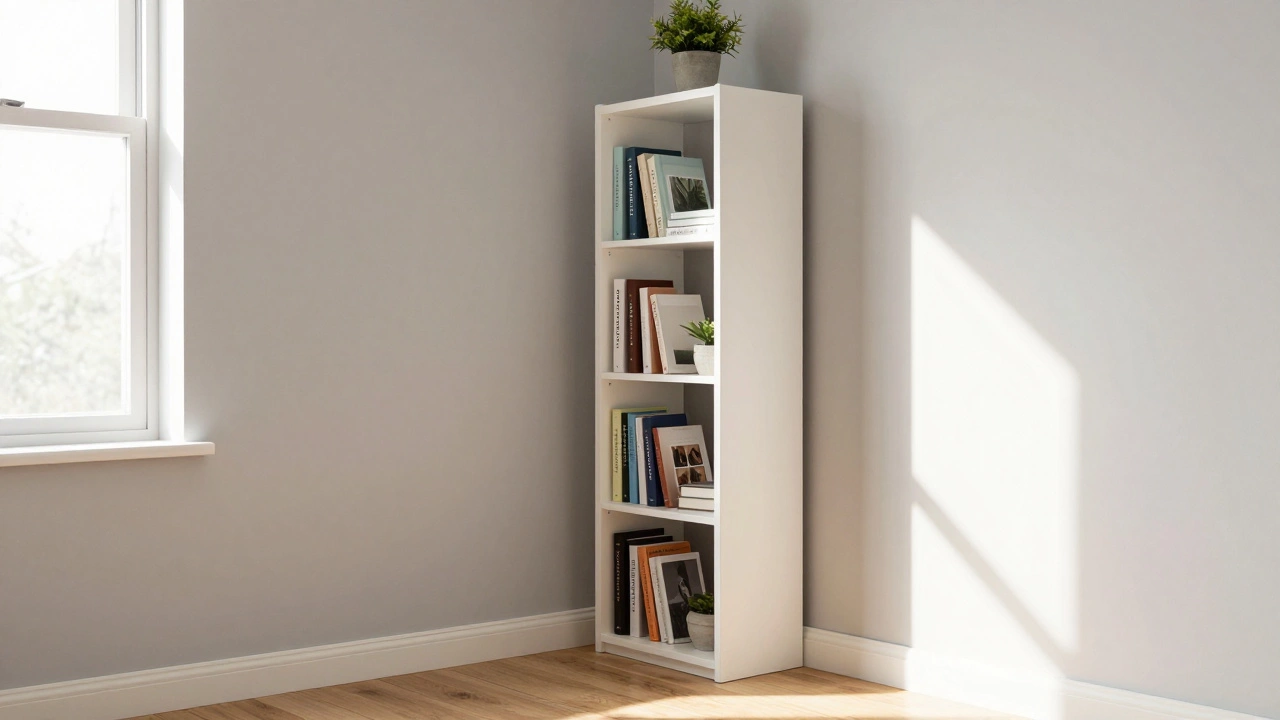
Corners are often wasted space. They are awkward for walking paths and difficult to furnish with standard rectangular items. This makes them the perfect candidate for a bookcase. Specifically, look for L-shaped units or triangular corner shelves.
An L-shaped bookcase fits snugly into the angle of two walls. It creates a cozy nook without protruding into the main traffic flow of the room. If your corner is sharp and deep, a dedicated corner tower works wonders. These units are designed to maximize the depth of the corner while remaining narrow from the front, ensuring they don’t block light or movement.
Here is a quick rule of thumb: if you can sit comfortably in the corner without hitting the furniture, the placement is good. If you have to sidestep around it, move it. Corners should enhance the room’s geometry, not fight against it.
| Feature | Corner Unit | Wall-Mounted Shelves |
|---|---|---|
| Floor Footprint | Small (fits in angle) | Zero (floating) |
| Installation Difficulty | Medium (assembly required) | High (drilling/studs needed) |
| Weight Capacity | High (stable base) | Medium (depends on anchors) |
| Aesthetic Impact | Defined zone | Open, airy feel |
Above the Doorway: Hidden Real Estate
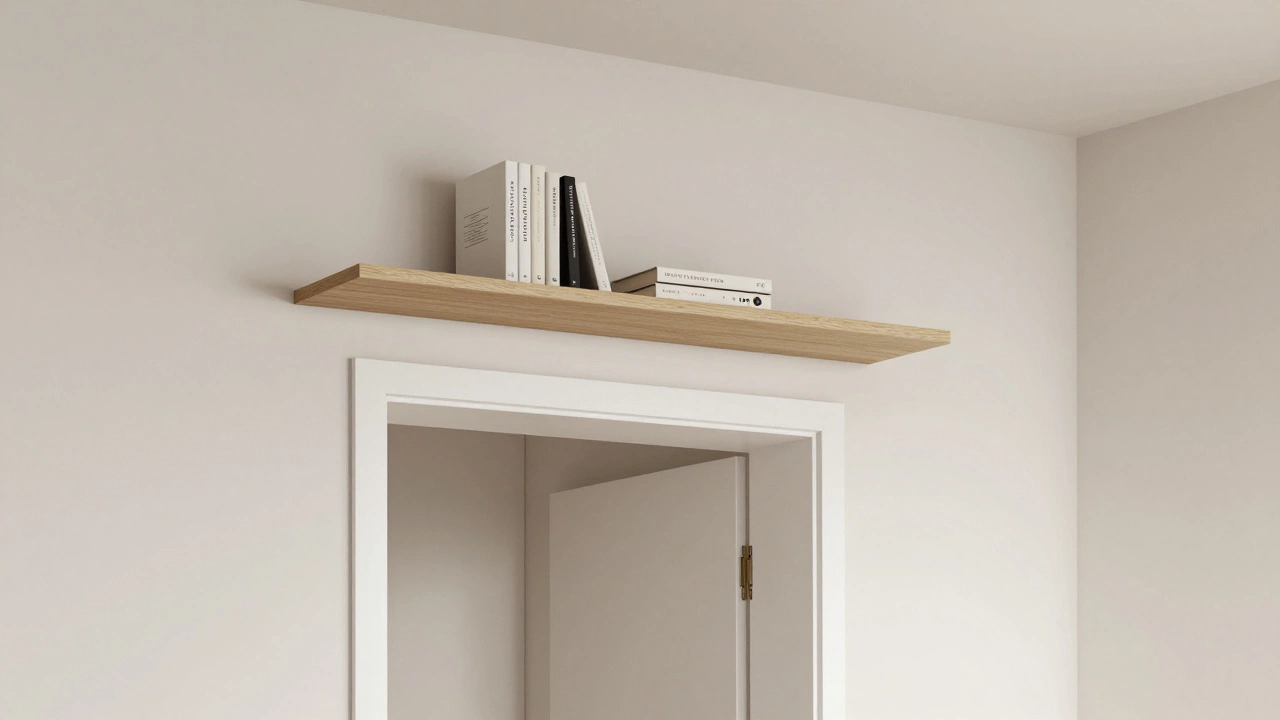
Look up. Seriously, do it now. See that empty strip of wall between the top of your door frame and the ceiling? That is pure, unused storage gold. Installing a shallow shelf or a slim bookcase above the doorway is one of the smartest moves you can make in a small bedroom.
This area is typically out of the way, meaning it won’t interfere with your daily routine. You can store books you read less frequently, decorative boxes, or even plants here. Because it’s elevated, it draws the eye upward, reinforcing that sense of vertical height we talked about earlier.
Just measure carefully. Standard doors are about 80 inches tall, leaving roughly 12-16 inches of clearance in an 8-foot ceiling room. Ensure the shelf depth is minimal-no more than 6 to 8 inches-so it doesn’t create a hazard if someone bumps their head. Use this space for lighter items to keep the structural load manageable.
The Narrow Gap: Utilizing Side Walls
Bedrooms often have awkward gaps between the bed and the wall, or between the closet and the window. These spaces are usually too narrow for a nightstand but too wide to leave empty. This is where a narrow bookcase shines.
Search for "slim" or "thin" bookcases that are only 6 to 10 inches deep. These units can slide perfectly into these side gaps. They provide essential surface area for a lamp, a stack of current reads, or personal photos, effectively replacing the need for a bulky bedside table.
If the gap is behind the door, be cautious. Ensure the bookcase doesn’t obstruct the door swing. A fixed narrow shelf mounted directly to the wall in this gap is often safer and more stable than a freestanding unit that might get knocked over by the door closing.
Over the Closet: Maximizing Built-Ins
If you have built-in closets, check the space above them. Many homes have closets that don’t reach the ceiling, leaving a dusty ledge above. Instead of letting that space collect dust bunnies, install floating shelves or a custom-built cabinet system there.
This turns a dead zone into a functional display area. You can use baskets or bins to hide clutter while keeping books accessible. Since this area is already defined by the closet structure, it integrates seamlessly into the room’s architecture without feeling like an added piece of furniture.
For renters who can’t drill holes, tension rods or adhesive hooks rated for heavy weight can sometimes support lightweight floating shelves. Always check the manufacturer’s weight limits before trusting adhesive solutions with heavy books.
Choosing the Right Style for Small Spaces
Not all bookcases are created equal. In a small bedroom, the design of the unit matters just as much as its location. Here are three styles that work best:
- Open Shelving: Keeps the room feeling light and airy. Avoid visual heaviness by leaving some gaps between books. Mix in decorative objects to break up solid blocks of color.
- Glass-Front Cabinets: Great for hiding clutter while still showing off book spines. The transparency prevents the unit from looking like a dark, imposing block.
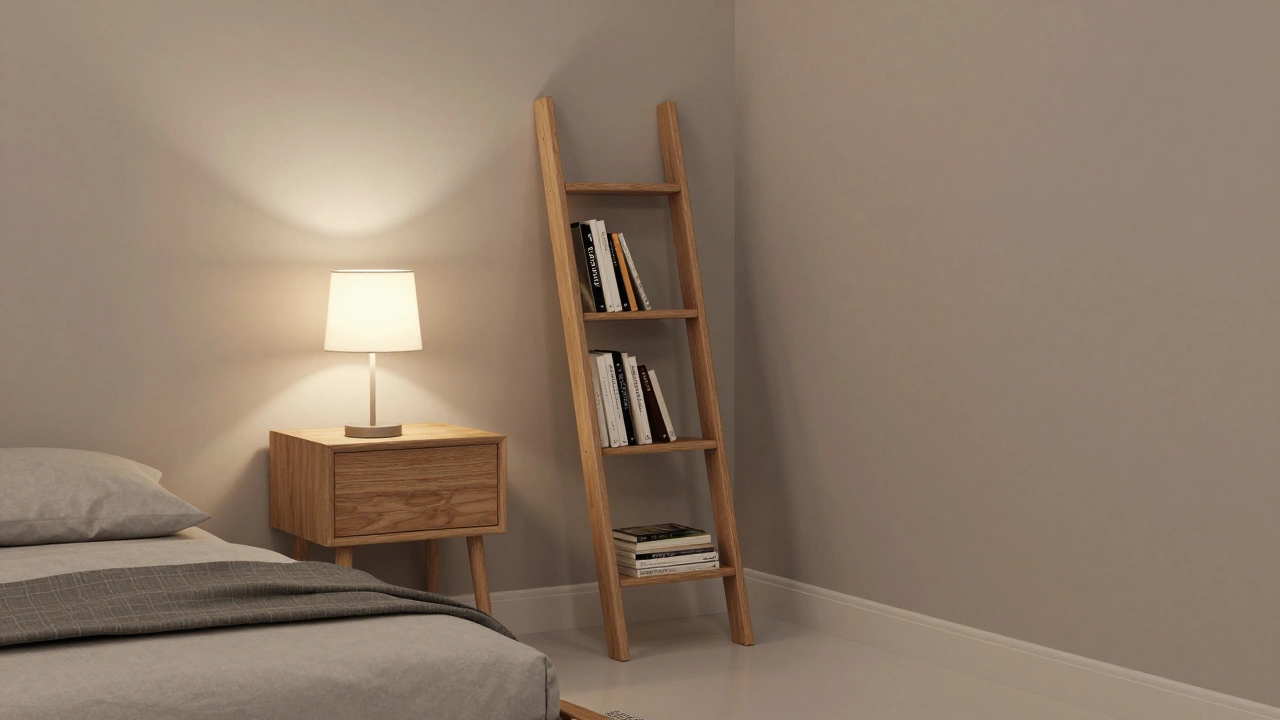
- Ladder Shelves: Lean against the wall rather than being fully enclosed. Their diagonal shape takes up less visual weight and fits well in corners or beside beds.
Avoid wide, short units. They spread clutter across the room, making it feel chaotic. Stick to tall, narrow profiles to maintain order and openness.
Common Mistakes to Avoid
Even with the best intentions, it’s easy to mess up the layout. Here are the pitfalls to watch out for:
- Blocking Light: Never place a tall bookcase in front of a window. Natural light is crucial in small spaces for making them feel larger. Keep windows clear.
- Ignoring Traffic Flow: Measure the path from your bed to the door. If the bookcase forces you to take a detour, it’s in the wrong spot. Maintain at least 24-30 inches of walking space.
- Overfilling: A crammed bookcase looks messy. Leave 20% of the shelf space empty. This negative space allows the eye to rest and makes the organized parts stand out.
- Skip Anchoring: As mentioned, always secure the unit. In a small room, a falling bookcase is a major safety risk and a nightmare to clean up.
Final Thoughts on Layout
Putting a bookcase in a small bedroom isn’t about squeezing something in; it’s about working with the room’s natural lines. Whether you choose a corner nook, a wall-mounted shelf, or a narrow side unit, the goal is to keep the floor clear and the eyes moving upward. Start with one spot, measure twice, and build from there. Your reading collection deserves a home, and your bedroom deserves to breathe.
How deep should a bookcase be in a small bedroom?
Aim for a depth of 6 to 10 inches. Standard hardcover books are about 7-9 inches wide, so a 10-inch deep shelf accommodates them comfortably without protruding too far into the room. For narrower gaps, 6-inch deep shelves work well for paperbacks and magazines.
Can I put a bookcase next to my bed?
Yes, if you choose a narrow unit. Place it on the side opposite the door to avoid blocking entry. Ensure it’s tall enough to hold a lamp but not so tall that it looms over you while sleeping. A height of 24-36 inches is ideal for a bedside alternative.
Is it better to mount shelves or use a freestanding unit?
Mounting shelves saves floor space entirely, making the room feel larger. However, freestanding units offer flexibility if you rent or want to rearrange later. For maximum storage in tight spots, a combination of both-mounted shelves above and a small unit below-often works best.
How do I stop a bookcase from tipping over?
Always anchor the bookcase to the wall using anti-tip brackets or screws into the wall studs. Even if the unit has a wide base, children or pets can climb it, causing instability. Check local building codes for specific requirements, especially in earthquake-prone areas.
What color bookcase is best for a small room?
Light colors like white, beige, or light wood blends with most walls, making the unit less visually dominant. Dark colors add contrast but can shrink the perceived space if the unit is large. If you prefer dark wood, keep the design simple and uncluttered to balance the visual weight.