Capsule Wardrobe Calculator
Find Your Perfect Wardrobe Size
Answer these questions to calculate your ideal number of clothing items
recommended items in your core wardrobe
Your Wardrobe Profile
Item Breakdown
Personalized Tip
Progress Toward Minimalism
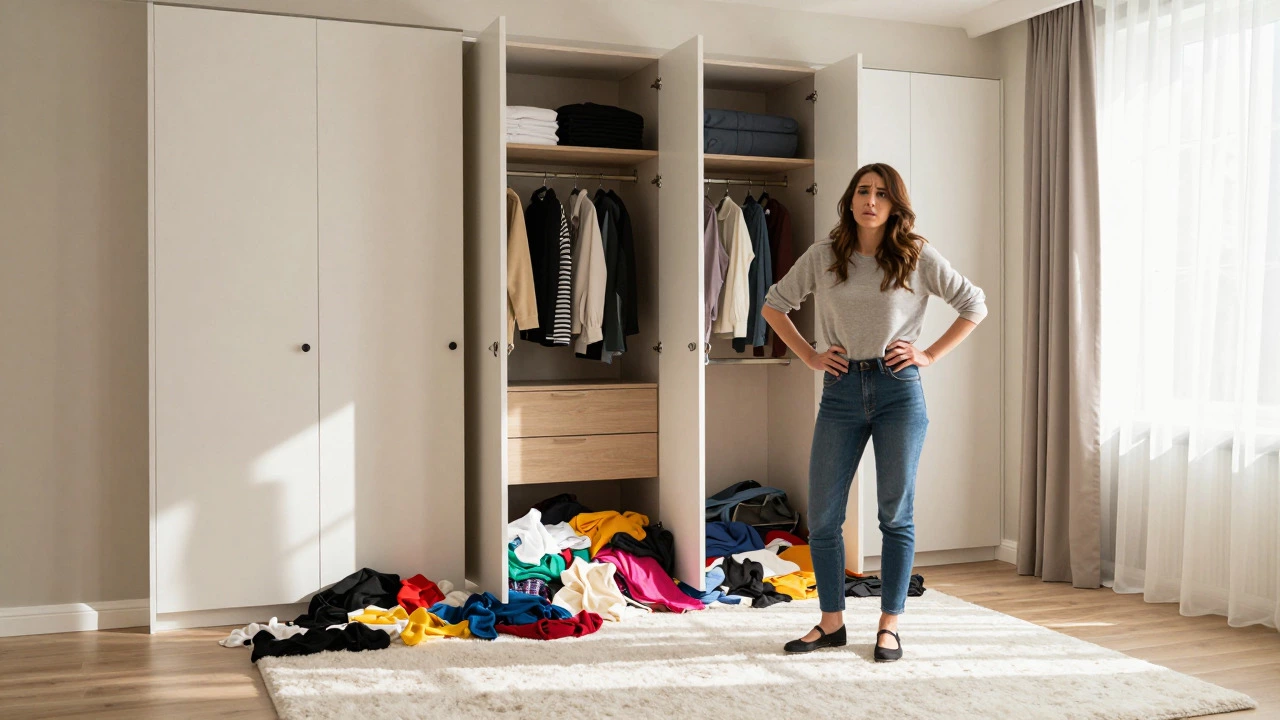
Have you ever stared into a closet packed with clothes but felt like you had absolutely nothing to wear? It’s a frustrating paradox that millions of people face daily. The solution often isn’t buying more-it’s understanding what a basic wardrobe actually is. But here’s the catch: there is no single official term for it. Depending on who you ask-a stylist, a minimalist, or a fashion historian-you might hear different names for this foundational collection of clothing.
Most commonly, when people refer to a "basic wardrobe," they are talking about a Capsule Wardrobe, which is a limited collection of interchangeable, high-quality clothing items that can be mixed and matched to create numerous outfits. However, other terms like "essential wardrobe," "core wardrobe," or "minimalist closet" are also used, each carrying slightly different nuances. Let’s break down exactly what these terms mean, why they matter, and how you can build one that actually works for your life.
The Capsule Wardrobe: The Most Common Term
If you search for "basic wardrobe" online, the first result will likely discuss the capsule wardrobe concept. This idea was popularized in the 1970s by Susie Faux, a London boutique owner, and later refined by Donna Karan, who envisioned a group of ten pieces that could be worn together in various combinations.
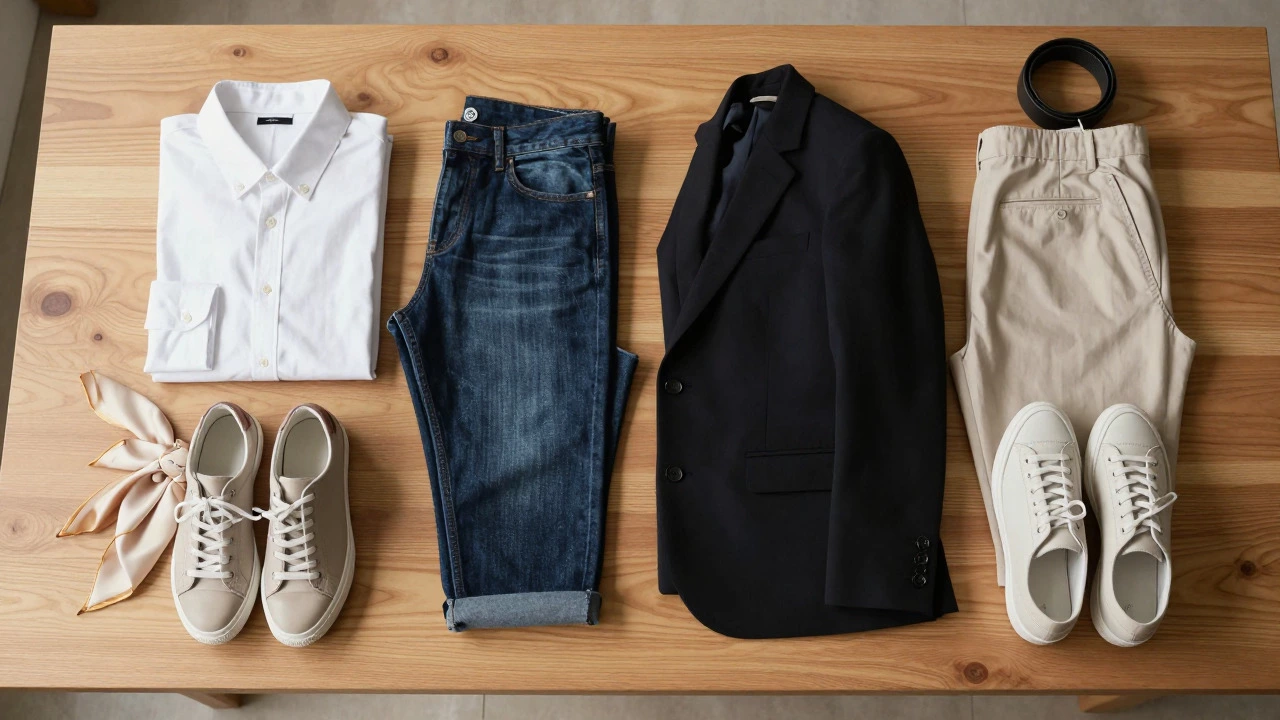
A capsule wardrobe is not just about having fewer clothes; it’s about intentionality. It consists of timeless pieces that don’t rely on fleeting trends. Think of it as the foundation of your style house. Without a solid foundation, the rest of your outfit choices become unstable and stressful. The beauty of a capsule approach is versatility. A white button-down shirt, a pair of well-fitting dark jeans, a black blazer, and simple sneakers can create dozens of looks depending on accessories and layering.
Why do so many people adopt this method? Because it reduces decision fatigue. When you wake up and know that every item in your closet goes with everything else, getting dressed takes minutes instead of twenty. It’s a practical system designed for efficiency without sacrificing style.
Essential vs. Core Wardrobe: Subtle Differences
While "capsule" is the trendy term, older generations or traditional tailors might use the phrase "essential wardrobe" or "core wardrobe." These terms emphasize necessity over aesthetics. An essential wardrobe focuses on function. It includes the non-negotiable items you need for your specific lifestyle, climate, and work environment.
| Term | Primary Focus | Typical Item Count | Best For |
|---|---|---|---|
| Capsule Wardrobe | Mix-and-match versatility | 30-40 items (seasonal) | Style-conscious minimalists |
| Essential Wardrobe | Functional necessity | Varies by role/climate | Professionals, travelers |
| Minimalist Closet | Possession reduction | Under 30 items total | Lifestyle minimalists |
| Basic Wardrobe | Fundamental staples | No fixed number | Beginners starting out |
For example, if you work in construction, your "essential wardrobe" includes safety boots and durable work pants, not necessarily a silk blouse. If you’re a teacher, it might include comfortable flats and layered cardigans. The term "essential" reminds us that context matters. A basic wardrobe isn’t one-size-fits-all; it’s tailored to your daily reality.
The Minimalist Closet: Less Is More
Then there’s the minimalist closet. This term comes from the broader minimalist movement, which advocates for owning only what adds value to your life. A minimalist closet often overlaps with a capsule wardrobe but tends to be even smaller. Some minimalists aim for less than thirty items in total, including shoes and outerwear.
The key difference here is philosophy. A capsule wardrobe is a styling strategy; a minimalist closet is a lifestyle choice. People who choose minimalism often report feeling less cluttered and more focused. They aren’t trying to create fifty outfits from thirty pieces; they’re trying to eliminate the stress of managing excess inventory.
This approach requires discipline. You have to let go of sentimental attachments to clothes that don’t fit or haven’t been worn in years. It’s not easy, but the mental clarity gained from a tidy, sparse closet is worth the effort for many.
Building Your Own Basic Wardrobe
So, how do you actually build this thing? Whether you call it a capsule, essential, or basic wardrobe, the process starts with an audit. Take everything out of your closet. Yes, everything. Hold each item up and ask yourself three questions:
- Does it fit me right now?
- Do I love wearing it?
- Does it go with at least three other items in my closet?
If the answer to any of these is no, it’s time to say goodbye. Donate, sell, or recycle those items. Once you’ve cleared the space, identify your gaps. What’s missing? Do you need a neutral coat? A versatile pair of trousers? A reliable white tee?
Focus on quality over quantity. A basic wardrobe relies on fabrics that last-cotton, wool, linen, and denim. Avoid fast-fashion materials that pill or fade after two washes. Invest in classic cuts that won’t look outdated next year. Stick to a cohesive color palette. Neutrals like black, white, gray, navy, and beige make mixing and matching effortless.
Common Pitfalls to Avoid
One mistake people make is thinking "basic" means boring. It doesn’t. A basic wardrobe provides the canvas; accessories provide the art. Scarves, jewelry, belts, and bags can transform a simple outfit into something unique. Don’t be afraid to add pops of color through accessories rather than expensive statement pieces that rarely get worn.
Another pitfall is ignoring seasonality. A basic wardrobe should adapt to the weather. In colder months, you’ll need heavier knits and insulated outerwear. In summer, breathable linens and lighter fabrics take center stage. You don’t need to store off-season clothes in your main closet, but you do need them accessible.
Finally, don’t rush the process. Building a functional basic wardrobe takes time. It’s better to buy one perfect pair of jeans than five mediocre ones. Be patient with yourself as you learn what truly works for your body and lifestyle.
Why a Basic Wardrobe Matters Today
In a world saturated with consumerism, choosing a basic wardrobe is a radical act of simplicity. It saves money, reduces environmental impact, and frees up mental energy. Instead of spending hours scrolling through online stores, you spend that time doing things you enjoy.
It also promotes sustainability. Fast fashion contributes significantly to global waste and pollution. By investing in fewer, higher-quality items, you reduce your carbon footprint. Plus, knowing where your clothes come from and how they’re made becomes easier when you own less.
Ultimately, whether you call it a capsule, essential, or minimalist wardrobe, the goal is the same: to feel confident, comfortable, and prepared every day. It’s not about restriction; it’s about liberation. Liberation from clutter, from indecision, and from the pressure to keep up with endless trends.
What is the difference between a capsule wardrobe and a minimalist closet?
A capsule wardrobe focuses on creating versatile outfits through mix-and-match pieces, typically containing 30-40 seasonal items. A minimalist closet is a lifestyle choice aimed at owning the absolute minimum necessary, often under 30 items total, prioritizing possession reduction over styling variety.
How many items should be in a basic wardrobe?
There is no strict rule, but most experts recommend starting with 30-40 items per season, excluding underwear, sleepwear, and workout gear. This number allows enough variety for different occasions while maintaining simplicity and ease of management.
Can a basic wardrobe include trendy items?
Yes, but sparingly. A basic wardrobe is built on timeless staples. Trendy items should make up no more than 10-20% of your collection. Choose trends that align with your personal style and can be easily integrated with your existing neutral pieces.
Is a basic wardrobe suitable for all body types?
Absolutely. The concept of a basic wardrobe is about fit and function, not a specific silhouette. The key is finding cuts and styles that flatter your individual body shape. Tailoring can help ensure even affordable basics look custom-made.
How do I maintain a basic wardrobe long-term?
Adopt a "one-in, one-out" policy. Whenever you buy a new item, remove an old one. Regularly audit your closet every few months to remove items that no longer fit or serve you. Prioritize quality repairs over replacements to extend the life of your garments.