Commercial License & Permit Estimator
Select the licenses and permits required for your commercial project to estimate total costs (CAD) and potential processing time.
General Business
$50 - $500Baseline registration for sales tax and legal operation.
1-2 WeeksBuilding Permit
$1k - $10k+Authorizes physical construction per IBC codes.
4-12 WeeksContractor License
$300 - $1.5kProof of competency, insurance, and bonding.
4-8 WeeksLiquor License
$500 - $2k+Requires community hearings; long lead time.
3-6 MonthsHealth Permit
$200 - $800Required for food service/kitchen layouts.
2-4 WeeksZoning Variance
Legal FeesNeeded if land use doesn't match zone.
+4-12 WeeksEstimated Impact
Critical Path Items:
- No items selected
You’re ready to break ground. You’ve got the blueprints, the crew is lined up, and the budget is set. But then you hit a wall: paperwork. Specifically, that elusive commercial license is an official authorization granted by local or state governments allowing a business to operate legally within a specific jurisdiction, often requiring compliance with zoning, safety, and tax regulations.. It sounds simple, but in the world of commercial construction, it’s the gatekeeper between your idea and reality. Skip it, or get it wrong, and you could face fines, work stoppages, or even demolition orders.
Why does this matter so much? Because commercial projects aren’t just about building structures; they’re about creating spaces where people work, shop, eat, and gather. Governments regulate these spaces tightly to ensure public safety and economic fairness. Understanding what a commercial license actually entails isn’t just bureaucratic box-checking-it’s a critical step in protecting your investment and ensuring your project stays on schedule.
The Core Definition: More Than Just a Permit
Let’s clear up the biggest confusion right away: a commercial license is not the same thing as a building permit. They are related, but they serve different masters. A building permit authorizes the physical act of construction-pouring concrete, framing walls, installing wiring. It ensures the structure meets the International Building Code (IBC) and local amendments. A commercial license, however, authorizes the *business activity* that will happen inside that structure.
Think of it this way: The building permit says, "You can build this coffee shop." The commercial license says, "You can sell coffee here." In many jurisdictions, especially in North America, you need both. Without the license, you might have a perfectly built building, but you can’t legally open the doors to customers. This distinction is vital because obtaining them often involves different departments. Permits usually go through the Building Department, while licenses are handled by City Hall, Business Licensing bureaus, or state revenue agencies.
Types of Licenses You Might Need
There isn’t one single "commercial license." Depending on your location and industry, you’ll likely encounter several types. Knowing which ones apply to you saves time and money.
- General Business License: This is the baseline. Almost every business operating in a city needs one. It registers your entity with the municipality and allows you to collect sales tax. For a new retail store in Vancouver, this is step one.
- Contractor License: If you are the one doing the construction, you need proof of competency. In British Columbia, for example, residential and commercial contractors must be licensed through organizations like BC Housing. This proves you have insurance, bonding, and passed trade exams.
- Specialty Licenses: Certain industries require extra layers. Restaurants need health permits from the local health authority. Hospitals need accreditation. Alcohol-serving establishments need liquor licenses, which can take months to secure due to community hearings.
- Zoning Approvals: While technically a land-use regulation, failing to check zoning before applying for a license is a common trap. You can’t get a commercial license for a factory if the land is zoned for residential use only.

The Application Process: What to Expect
Applying for a commercial license feels less like a formality and more like an audit. Authorities want to know who you are, what you’re doing, and whether you’re trustworthy. Here’s the typical flow:
- Business Registration: Before touching a license application, register your business name and legal structure (LLC, Corporation, Sole Proprietorship) with the provincial or state registry.
- Tax Identification: Obtain your GST/HST number (in Canada) or EIN (in the US). You cannot get a business license without proving you’re registered for taxes.
- Zoning Verification: Submit your address to the planning department. They will confirm that your intended use matches the zone. If there’s a mismatch, you might need a variance hearing, which adds weeks to the timeline.
- Submission and Fees: Fill out the municipal forms. Be prepared to pay fees upfront. These vary wildly-a small consultancy might pay $50, while a large manufacturing plant could owe thousands based on square footage or payroll.
- Inspections: Some licenses, especially for food service or childcare, require pre-opening inspections. Fire marshals and health inspectors must sign off before the license is issued.
Costs and Timelines: Budgeting for Bureaucracy
How much will this cost, and how long will it take? There’s no universal answer, but here are realistic ranges for a mid-sized commercial project in a major Canadian city like Vancouver or Toronto.
| License Type | Typical Cost Range (CAD) | Processing Time | Key Requirement |
|---|---|---|---|
| General Business License | $50 - $500 | 1 - 2 Weeks | Proof of Address & Tax ID |
| Building Permit | $1,000 - $10,000+ | 4 - 12 Weeks | Stamped Architectural Drawings |
| Liquor License | $500 - $2,000 + Legal Fees | 3 - 6 Months | Community Notification & Hearing |
| Health Permit (Restaurant) | $200 - $800 | 2 - 4 Weeks | Kitchen Layout Approval |
| Contractor License | $300 - $1,500 | 4 - 8 Weeks | Insurance Proof & Trade Exam |
Notice the wide variance in timelines. Liquor licenses are notorious for delays because they involve public opposition periods. Don’t let this catch you off guard. Start these applications the moment you sign the lease, not after the drywall goes up.
Risks of Operating Without a License
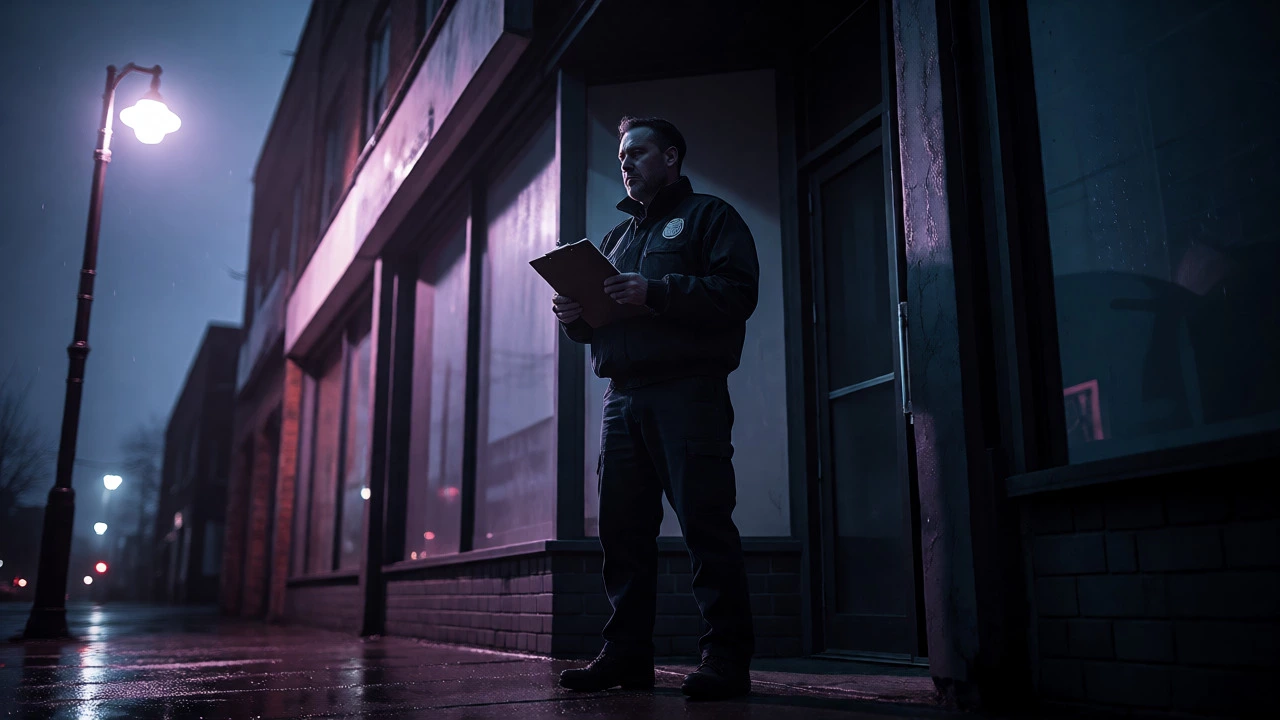
What happens if you start selling before the paper is signed? It’s riskier than most entrepreneurs realize. Municipalities actively patrol commercial zones. If an inspector spots a business operating without a valid license, the consequences escalate quickly.
First, you’ll receive a cease-and-desist order. This means you must close immediately. Then come the fines. These aren’t always flat fees; they can be daily penalties. Imagine owing $500 a day until you comply. That adds up fast when you’re already bleeding cash from rent and payroll. Worse, some cities will revoke your ability to renew future licenses for a set period, effectively banning you from the area. For contractors, working without a license can void your liability insurance. If a worker gets hurt on site and you weren’t properly licensed, your insurer might deny the claim, leaving you personally liable for medical costs and lawsuits.
Renewals and Compliance: It Doesn’t End at Opening
A commercial license isn’t a one-time ticket. Most expire annually or biennially. Missing a renewal date can trigger automatic penalties. Set calendar reminders three months before expiration. Additionally, keep records of all inspections and approvals. If you undergo renovations later, you may need to update your license or obtain new permits for structural changes. Changing your business name or ownership structure also requires notifying the licensing board, often triggering a re-application process.
Staying compliant protects your reputation. Customers trust businesses that display their licenses visibly. Banks and investors look for clean regulatory records when evaluating loan applications. Think of your license not as a hurdle, but as a badge of legitimacy that signals you’re running a serious operation.
Is a commercial license the same as a building permit?
No. A building permit authorizes the physical construction of a structure, ensuring it meets safety codes. A commercial license authorizes the business activity conducted within that structure. You typically need both to legally operate a new commercial venture.
How long does it take to get a commercial license?
It varies by type and location. A general business license might take 1-2 weeks, while specialty licenses like liquor permits can take 3-6 months due to public hearings and background checks. Always apply early to avoid delays.
Do I need a license if I work from home?
Yes, in most cases. Even home-based businesses often require a Home Occupation Permit or a standard business license. Zoning laws restrict what activities can occur in residential areas, such as limiting customer foot traffic or signage.
What happens if I forget to renew my license?
You will likely incur late fees and potential fines. In severe cases, continued operation without a valid license can lead to a cease-and-desist order, forcing you to close until the license is reinstated and all penalties are paid.
Can I transfer a commercial license if I sell my business?
Usually, no. Licenses are tied to the specific legal entity and owner. When selling a business, the new owner typically must apply for a new license under their own name and entity, though some jurisdictions allow a streamlined transfer process.