Landscaping Savings Calculator
This calculator helps you estimate how much you could save on your landscaping project by applying the negotiation strategies discussed in the article.
Based on real Vancouver projects, you could potentially save $700 to $3,000 by following these tips.
Enter your project details and click "Calculate Potential Savings" to see how much you could save.
Getting your yard done right doesn’t have to mean paying top dollar. Many homeowners in Vancouver pay more than they should because they don’t know how to talk to landscapers the right way. It’s not about being pushy-it’s about being prepared. Landscapers aren’t hiding prices to cheat you. They’re often juggling multiple jobs, unclear specs, and last-minute changes. But if you walk in with the right questions and a clear idea of what you want, you can save hundreds-sometimes thousands-without sacrificing quality.
Know what you actually want before you call
Too many people start by saying, ‘I want my yard to look nice.’ That’s not a plan. That’s a wish. Landscapers hear this all the time. And when they do, they give you a high-end quote because they have to guess what ‘nice’ means. Are you thinking of a low-maintenance garden? A fire pit with seating? A vegetable patch? A kids’ play area? Write down at least three things you absolutely need. Then list two things you’d like if the budget allows. Be specific. Instead of ‘plants,’ say ‘native perennials like salvia and penstemon.’ Instead of ‘trees,’ say ‘one small maple near the patio for shade.’ This isn’t just for you-it’s for them. When you give clear direction, they can give you a precise estimate. And a precise estimate means less padding. They’ll know exactly what materials to order, how many hours to schedule, and whether they need to bring in extra crew. That’s how you get a fair price.Get at least three written quotes
Don’t just call one company and take their word for it. Even if they seem nice, you’re not comparing apples to apples unless you have at least three written quotes. And they must be written. Verbal estimates are worthless when it comes to negotiation. Ask each landscaper to include:- Materials: Brand, type, quantity (e.g., ‘20 cubic yards of triple mix soil, sourced from GreenEarth Topsoil’)
- Labor: Hours, crew size, daily rate
- Timeline: Start date, estimated completion
- Warranty: What’s covered and for how long
- Exclusions: What’s NOT included (e.g., ‘removal of old concrete not included’)
Use competition to your advantage
Once you have three quotes, don’t just pick the cheapest. Pick the one that makes the most sense. Then use the others to negotiate. Say something like: ‘I really like your work, but I got a quote from ABC Landscaping for $2,800 that includes the same materials and timeline. Can you match that or explain the difference?’ Most reputable landscapers will either adjust their price or justify it. If they get defensive, walk away. If they say, ‘I can do it for $2,600 if you sign today,’ that’s a good sign. They’re trying to close the deal fairly. Don’t be afraid to ask for a discount if you’re paying cash. Many small landscaping businesses prefer cash because it avoids credit card fees. A 5-10% discount for cash payment isn’t unusual.Ask about off-season deals
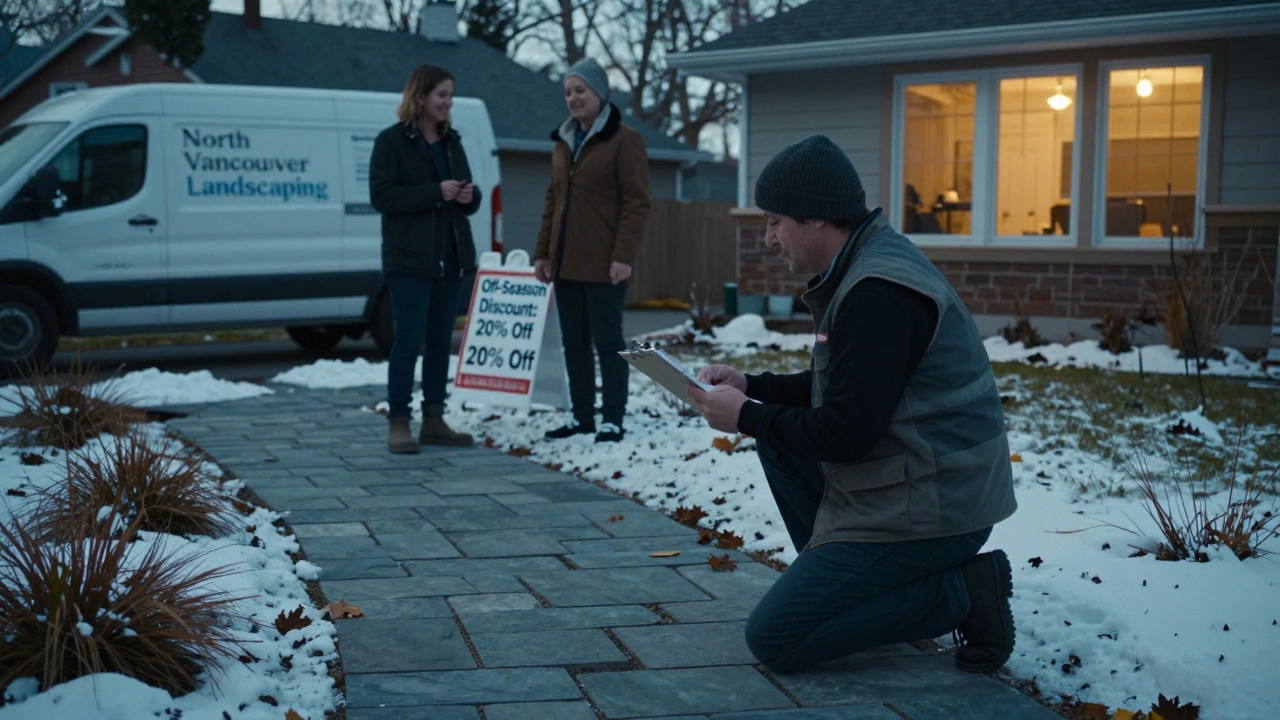
Landscaping isn’t a year-round business in Vancouver. Most crews slow down after October and don’t start full work again until late April. That’s your window. If you’re flexible, schedule your project for November or March. You’ll get better availability, and landscapers are more willing to negotiate because they’re trying to keep their crews working. Some even offer 15-20% discounts to fill their schedule before winter hits. I’ve seen homeowners save over $1,200 just by moving their project from June to November. The ground is still workable, the plants still establish well, and the crew isn’t backed up with ten other jobs.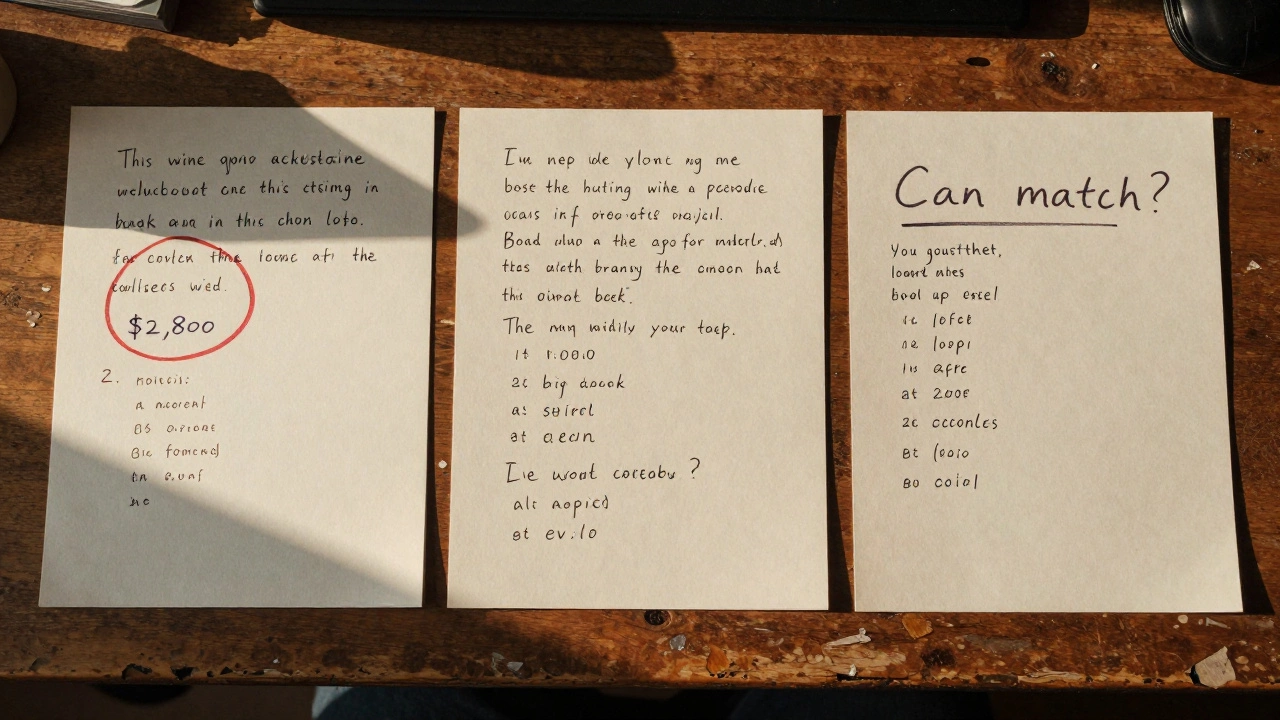
Bundle services for savings
Don’t hire one company for planting and another for hardscaping. If you need multiple services-like sod, irrigation, retaining walls, and lighting-ask if they can do it all. Bundling often cuts costs because:- They save on truck trips and setup time
- They can buy materials in bulk
- They don’t have to coordinate with another crew
Know the red flags
Not every landscaper has your best interest in mind. Watch out for these warning signs:- They won’t give you a written quote
- They ask for 50% or more upfront
- They pressure you to sign ‘today’ with no time to think
- They use vague terms like ‘premium materials’ without naming brands
- They don’t have liability insurance or WSIB coverage
What to say-and what not to say
Your tone matters. You’re not a customer trying to get something for free. You’re a client who’s done their homework and expects fairness. Good phrases:- ‘I’ve looked at several options-your design stands out, but I need to stay under $5,000.’
- ‘Can we adjust the material grade to cut the cost without losing durability?’
- ‘Would you be willing to do the work over two weeks to fit my budget?’
- ‘I don’t have much money.’ (They’ll assume you’ll accept the lowest quality.)
- ‘My neighbor paid $3,000 for the same thing.’ (They might not have done the same work.)
- ‘Just do it cheap.’ (You’ll get cheap results.)
What you can realistically save
Based on real quotes from Vancouver landscapers in 2025, here’s what you can expect:| Service | Average Quote | Negotiated Price | Potential Savings |
|---|---|---|---|
| Basic Lawn Installation (1,000 sq ft) | $4,200 | $3,500 | $700 |
| Stone Pathway (50 ft) | $3,800 | $3,100 | $700 |
| Full Yard Renovation (includes planting, hardscaping, irrigation) | $15,000 | $12,500 | $2,500 |
| Off-season project (Nov-Mar) | Varies | 15-20% lower | $2,000-$3,000 |
Final tip: Pay in stages, not all at once
Never pay the full amount upfront. Even if they promise it’s ‘standard.’ A fair payment schedule looks like this:- 10% deposit to secure the date
- 40% after materials are delivered and work begins
- 40% after major work is done (e.g., hardscaping complete, plants installed)
- 10% final payment after walk-through and cleanup
What comes next
Once your yard is done, take photos. Keep your contract and receipts. If something fails within the warranty period-say, a plant dies or a stone shifts-you’ll have proof of what was agreed. And next year? Start planning early. Talk to your landscaper in January about next season’s upgrades. Many will give you priority scheduling and a small discount just for planning ahead. Negotiating with a landscaper isn’t about haggling. It’s about clarity, timing, and respect. Do your homework, ask the right questions, and you’ll end up with a yard you love-and a price you’re happy to pay.How much should I expect to pay for basic landscaping in Vancouver?
For a basic project-like installing sod, adding a few shrubs, and laying a small stone path-you can expect to pay between $3,500 and $6,000. This includes labor and standard materials. If you’re adding irrigation or lighting, add another $1,500-$3,000. Prices vary by neighborhood and soil conditions, but getting three written quotes is the best way to know what’s fair.
Can I negotiate landscaping prices if I’m on a tight budget?
Yes, but you need to be realistic. You can’t ask for a luxury garden at a discount. Instead, prioritize. Focus on one or two key elements-like a patio or native planting-and delay the rest. Ask if they can phase the work over two years. Many landscapers will offer a 5-10% discount if you commit to a second phase within 12 months.
Is it cheaper to hire a landscaper in the fall or spring?
Fall (October-November) is usually the cheapest time. After summer demand drops, landscapers are eager to finish projects before winter. You can save 15-20% compared to spring. Spring (April-May) is busiest, so prices are highest. Late spring (June) still has good availability but less discount potential.
What should I look for in a landscaping contract?
The contract must list all materials (with brand names), labor hours, timeline, payment schedule, warranty terms, and cleanup responsibilities. It should also say whether permits are included. If it doesn’t, don’t sign. A verbal agreement means nothing if something goes wrong.
Do I need to be home during the work?
You don’t need to be there every day, but be available for the first day and the final walk-through. The first day ensures they’re starting in the right spot. The final day lets you check the work before paying the last 10%. If you’re away, leave clear instructions and a contact number.