Rug Size Calculator
Find the perfect rug size for your bedroom that balances style, functionality, and budget. Based on recommendations from the article "How to Make Your Room Look Prettier on a Budget".
Proven Strategy
As mentioned in the article: "For a standard bedroom, get a rug that's at least 2 feet wider than your bed on each side. So if you have a queen bed, aim for a 9x12 rug."
Even better: Place the rug so your feet land on something soft when you get out of bed.
Your room doesn’t need a full renovation to feel fresh and inviting. Sometimes, all it takes is a few smart tweaks to turn a dull space into one you actually love walking into. If you’ve ever looked around your bedroom and thought, ‘This just doesn’t feel right’, you’re not alone. Most people underestimate how much small changes can shift the whole vibe.
Start with the walls
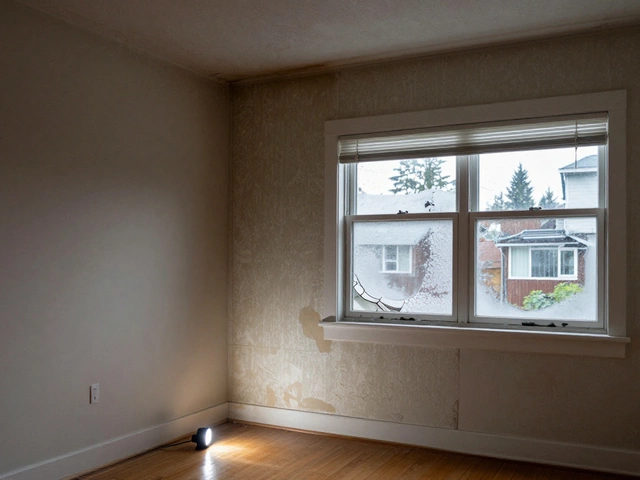
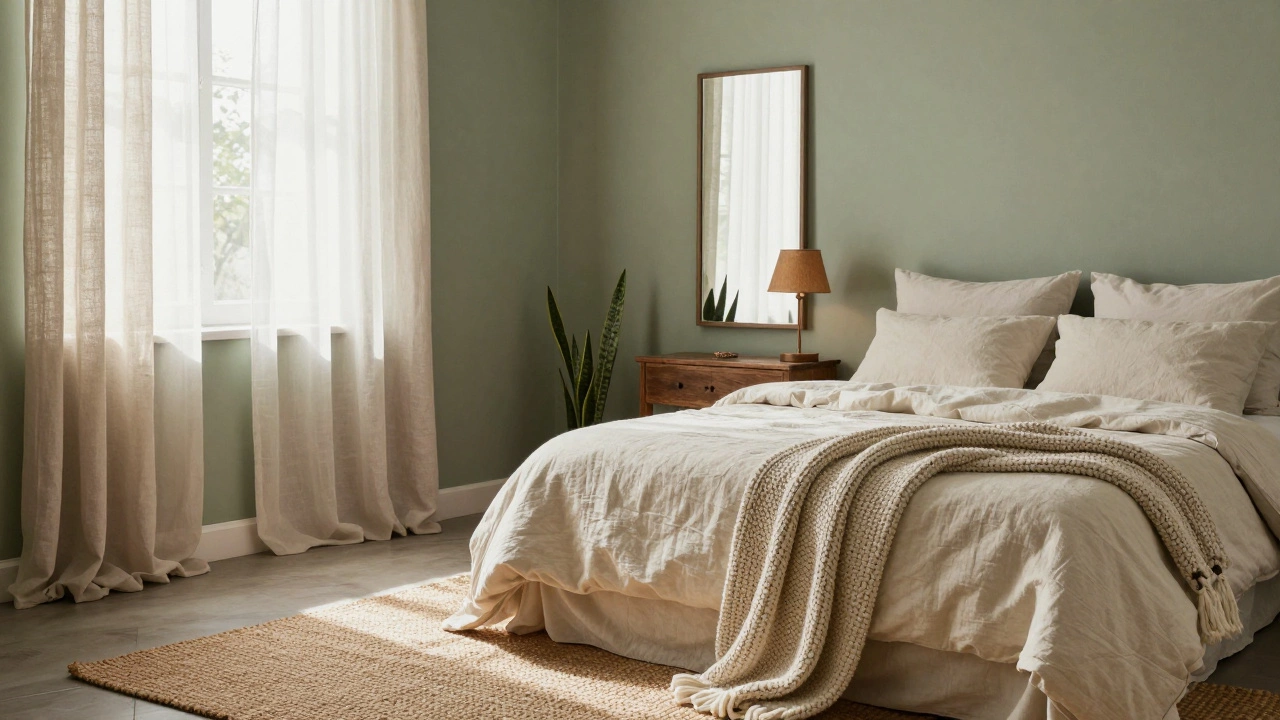
Walls are the biggest canvas you’ve got. A fresh coat of paint is the single most effective way to change how a room feels. You don’t need to go full white or beige. Soft sage, warm taupe, or even a muted dusty blue can make a space feel calm and intentional. In Vancouver, where gray skies are common, lighter tones help bounce what little natural light you get. Avoid anything too dark unless you have big windows - it’ll make the room feel smaller, not cozier.
If painting isn’t an option, try removable wallpaper. Modern peel-and-stick options look just like real wallpaper, but they won’t damage your walls. Look for subtle patterns - herringbone, tiny florals, or textured solids. They add depth without overwhelming the space.
Lighting makes all the difference
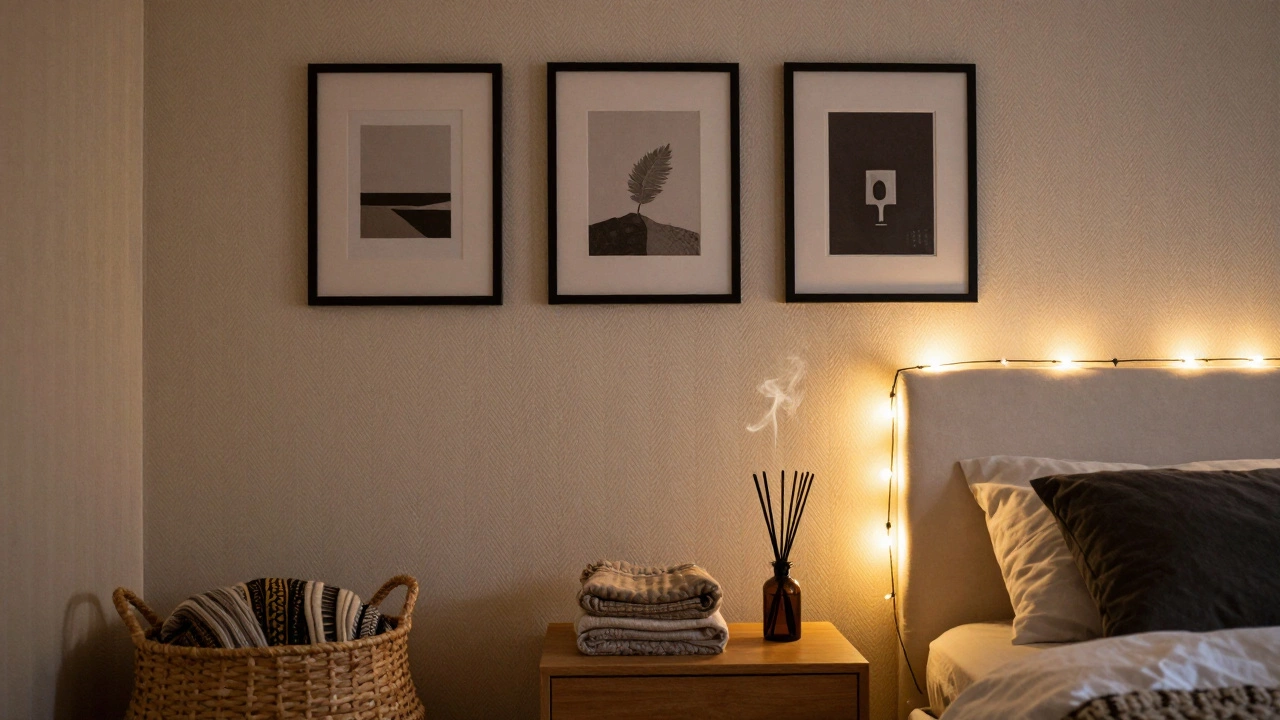
Overhead lights are functional, but they’re not flattering. Most bedrooms look flat and harsh under a single ceiling bulb. Add layers. A bedside lamp with a warm white bulb (2700K to 3000K) instantly creates comfort. Put one on your dresser, another on a shelf, even a small plug-in wall sconce behind your bed. String lights wrapped around a headboard or draped over a mirror? Yes, they work. They add softness without costing much.
Swap out any cool-toned bulbs. They make skin look sickly and rooms feel sterile. Warm light mimics sunset - it’s what your brain associates with relaxation. If you’re on a budget, LED bulbs cost less than $5 each and last years.
Bedding isn’t just for sleeping
Your bed is the centerpiece. If your sheets are thin, faded, or mismatched, it drags the whole room down. Invest in 100% cotton or linen sheets with a thread count between 300 and 400. They breathe better, feel softer, and look more expensive than higher-thread-count polyester blends. Stick to neutral tones - cream, oat, light gray - then add color with throw pillows and a blanket.
Layering is key. Start with a flat sheet, add a duvet, then drape a lightweight quilt or chunky knit throw at the foot. Tuck one end neatly so it looks intentional, not messy. Add two or three pillows in different sizes. One firm for sleeping, one medium for sitting up, and one decorative lumbar pillow. No more than four pillows total - too many looks like a hotel lobby.
Bring in texture
Flat surfaces make rooms feel cold. Texture adds warmth and dimension. A wool rug under the bed, even a small one, grounds the space. A woven basket for blankets, a jute mat by the door, a velvet pillow - these materials catch light differently and feel richer to the touch. You don’t need to buy new. Look at thrift stores. A $10 vintage throw blanket can become the focal point of your room.
Plants help too. Snake plants, pothos, or ZZ plants survive with low light and minimal care. They add life without needing constant attention. Put one on a windowsill, another on a nightstand. Even fake plants work if they look real - avoid the shiny plastic ones.
Declutter with purpose
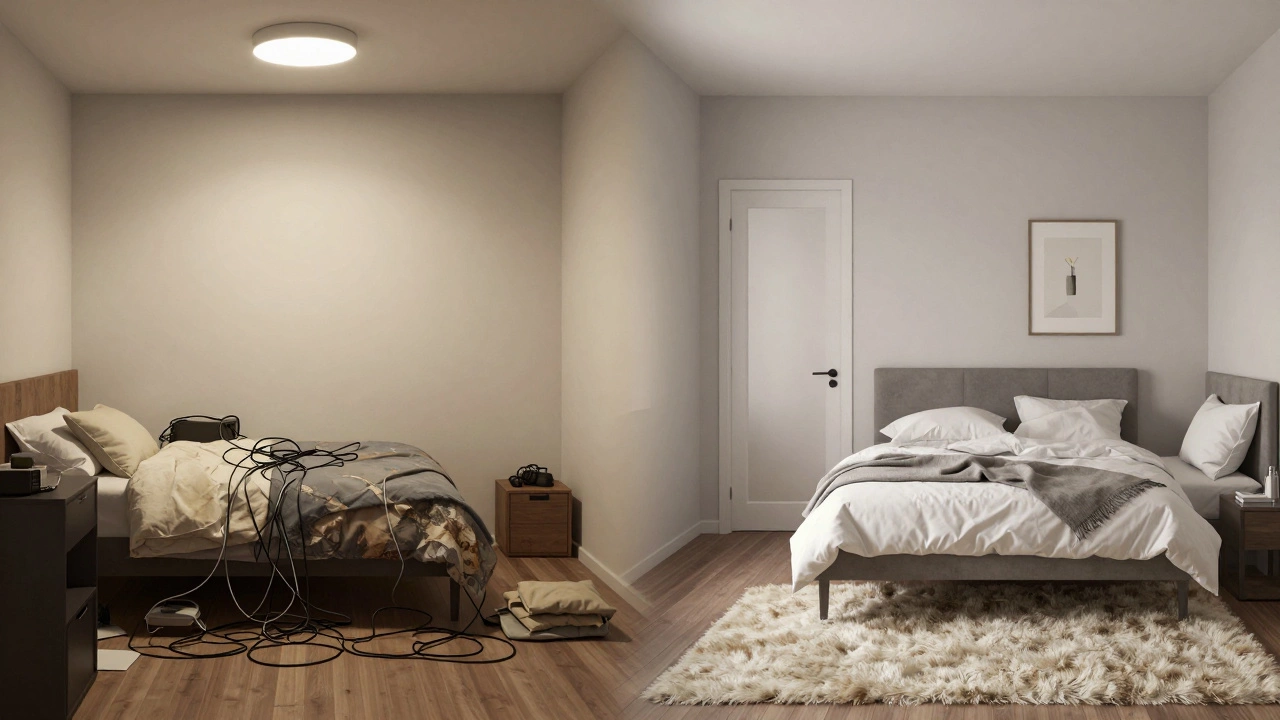
A pretty room isn’t a cluttered one. But you don’t need to throw everything away. Start by removing anything that doesn’t serve a purpose or bring you joy. That pile of old magazines? Donate them. The charger cables tangled under your bed? Put them in a labeled box. Keep only what you use daily.
Use storage that looks good. Wicker bins, wooden crates, or even a stylish bench with hidden storage under the bed help keep things out of sight. Don’t just shove stuff in drawers - organize by category. Keep jewelry in a small tray, socks in a drawer divider, books stacked neatly with a bookend. When everything has a home, the room feels calmer.
Mirror tricks for more space
Small rooms feel bigger with mirrors. Place one opposite a window to reflect natural light. A full-length mirror on the back of a door doubles as a dressing aid and a design element. Even a round mirror above your dresser adds visual interest without taking up floor space. Avoid small, ornate mirrors - they look busy. Go for clean lines and simple frames, or even frameless if you can find one.
Personal touches, not clutter
This is where people go wrong. They hang every photo, every postcard, every souvenir. That’s not personality - that’s chaos. Pick three or four meaningful items and display them well. A single framed print you love, a small sculpture from a trip, a candle you light on Sundays. Group them together on a shelf or nightstand. Leave space around them. Empty space is part of design.
If you’re into art, try a gallery wall with one consistent frame style. Black metal, natural wood, or white - pick one. Arrange them on the floor first. Don’t center it on the bed. Align the bottom edge with your nightstand height. It feels intentional, not random.
Final touch: smell and sound
Rooms have scents, even if you don’t notice them. Open windows when you can. Use a simple reed diffuser with lavender, sandalwood, or citrus. Avoid overpowering synthetic sprays. The goal is subtle, not like a department store.
Sound matters too. A small Bluetooth speaker on your dresser lets you play calming music or rain sounds without headphones. Silence can feel heavy. Soft background noise makes a room feel alive.
What not to do
Don’t buy matching everything. A full set of “bedroom collection” furniture from big-box stores looks like a showroom, not a home. Mix styles - a modern bed with a vintage dresser. Don’t overdo metallics. Gold accents are fine, but if every surface has a shiny finish, it feels cheap.
Avoid too many patterns. One bold print - like a striped rug or floral pillow - is enough. The rest should be solid or subtle texture.
And don’t rush it. A room that feels put together didn’t happen overnight. Move one thing at a time. Try a new lamp. Swap your curtains. Add a plant. Wait a week. See how it feels. Then move to the next thing. You’ll build a space that grows with you, not one you bought all at once.
How can I make my small room look bigger?
Use light colors on walls and ceilings, add mirrors to reflect light, choose low-profile furniture, and keep the floor as clear as possible. A single large rug works better than multiple small ones. Avoid heavy drapes - go for lightweight linen or sheer curtains that let in more light.
What’s the cheapest way to upgrade my bedroom?
Change your lighting. Swap out your overhead bulb for a warm LED and add a bedside lamp. Then, refresh your bedding with new sheets and a throw blanket. These two steps cost under $50 and instantly elevate the room’s feel. Thrift stores are goldmines for affordable decor like mirrors, frames, and rugs.
Should I paint my walls if I’m renting?
If your landlord won’t allow paint, use removable wallpaper or large wall decals. They’re easy to remove and leave no residue. You can also hang fabric panels or tapestries - they soften walls and absorb sound. A gallery wall of framed prints or photos also covers up dull spots without damaging the surface.
How do I choose the right rug size?
For a standard bedroom, get a rug that’s at least 2 feet wider than your bed on each side. So if you have a queen bed, aim for a 9x12 rug. If space is tight, place a runner down the center of the floor or a small rug under the bedside tables. The goal is to have your feet land on something soft when you get out of bed.
Do I need a headboard to make my room look prettier?
Not necessarily, but it helps. If your bed frame is plain, a headboard adds structure and height. You can buy a simple upholstered one for under $100, or make your own with foam, fabric, and nails. Even a large piece of wall art mounted behind the bed acts as a visual anchor. The key is giving the bed a defined backdrop - it stops it from looking like it’s floating in the room.