Mouse Repellent Strategy Builder
Select a scent below to see its effectiveness rating, duration, and best application tips for protecting your furniture.
Peppermint Oil
High EffectivenessDuration: Short (3-5 days)
Best for: Closets, drawers, small units
Cedar Wood
Medium-High EffectivenessDuration: Long (Months)
Best for: Wardrobes, antique chests
Ammonia
Very High EffectivenessDuration: Medium
Best for: Basements, garages
Eucalyptus Oil
Medium EffectivenessDuration: Short
Best for: Kitchen cabinets
Cloves
Medium EffectivenessDuration: Short
Best for: Entry points, sills
Selected Scent Details
⚡Pro Tip:
Tip goes here...
Application Instructions:
Instructions go here...
Maintenance Schedule
- Reapply: Every X days
- Method: Method details
- Safety: Safety info
There is nothing quite as unsettling as finding a tiny droppings trail leading directly to your favorite storage chest or realizing your bedroom drawers have been chewed through. You might be wondering if simply changing the smell of your home can solve this problem. The short answer is yes, but with a major caveat: scent alone rarely kicks a determined mouse out of your house permanently. However, specific strong odors are highly effective at keeping them away from specific items, like your storage furniture, preventing damage while you set up a more permanent exclusion strategy.
Mice rely heavily on their sense of smell to navigate, find food, and detect danger. Their olfactory system is incredibly sensitive, far surpassing human capabilities. When they encounter overwhelming or irritating smells, they tend to avoid those areas. This biological trait allows us to use certain natural substances as barriers. If you want to protect your belongings without resorting to harsh chemical poisons that leave dead rodents rotting in your walls, understanding which scents work-and how to apply them correctly-is essential.
The Most Effective Scents for Repelling Mice
Not all strong smells work equally well. Some scents humans love are actually offensive to mice. Here are the most scientifically supported and practically proven odors that act as deterrents.
| Scent Source | Effectiveness | Duration | Best Use Case |
|---|---|---|---|
| Peppermint Oil | High | Short (needs reapplication every few days) | Closets, drawers, small storage units |
| Cedar Wood | Medium-High | Long (months if sealed) | Wardrobes, antique chests, long-term storage |
| Ammonia | Very High | Medium | Basements, garages, areas where pets don't roam |
| Eucalyptus Oil | Medium | Short | Kitchen cabinets, pantry shelves |
| Cloves | Medium | Short | Entry points, window sills |
Peppermint Oil: The Classic Deterrent
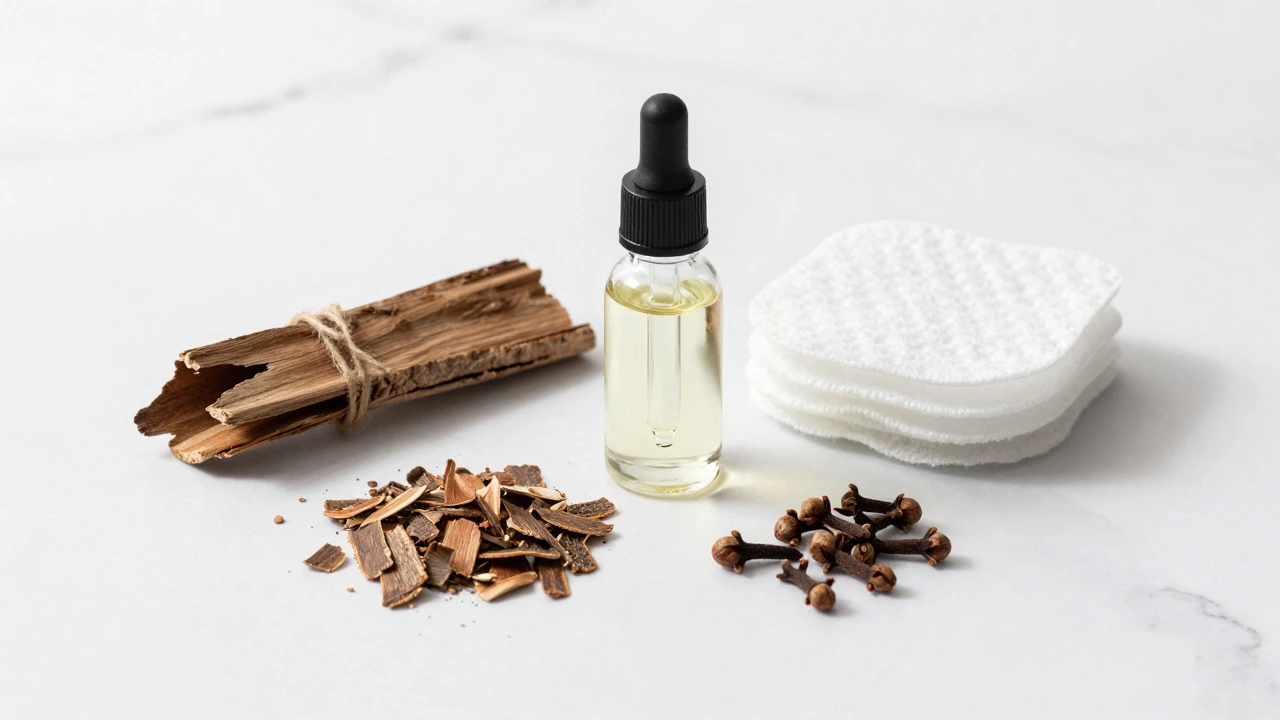
Peppermint oil is arguably the most popular natural mouse repellent. The high concentration of menthol irritates a mouse's sensitive nasal passages. To use it effectively, you cannot just sprinkle a little bit around. You need to soak cotton balls in pure, undiluted peppermint essential oil and place them in corners, behind furniture, and inside empty storage containers. The key here is consistency. Essential oils evaporate quickly. You will need to refresh these cotton balls every three to five days to maintain the barrier. If the scent fades, the mice will return.
Cedar Wood: The Long-Term Solution for Furniture
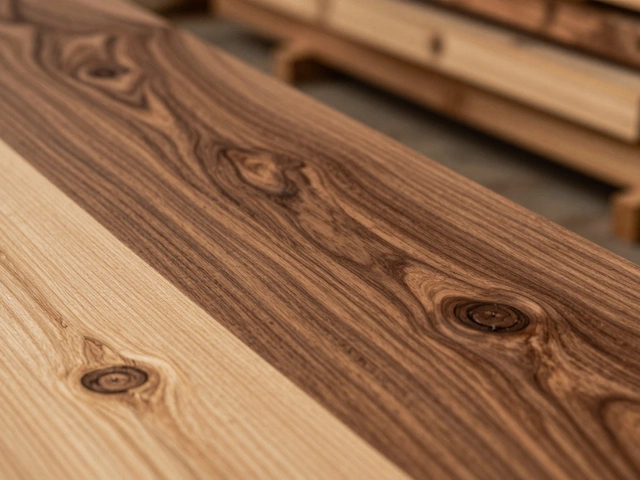
If you are looking to protect valuable wooden storage furniture, cedar is superior to oils. Cedar contains natural oils like cedrol and thujaplicin, which are toxic to insects and repel rodents. Unlike liquid oils, cedar blocks or chips last much longer. Placing untreated cedar wood inside your dressers, armoires, or hope chests creates a lasting protective environment. Over time, the scent may diminish, so sanding the wood lightly once a year can release fresh oils. This is particularly useful for seasonal storage items that sit untouched for months.
Ammonia: The Predator Scent Mimic
Ammonia smells similar to urine, specifically predator urine. Mice instinctively avoid areas that smell like predators such as cats or foxes. Soaking rags in ammonia and placing them near entry points or inside large storage units can trick mice into thinking the area is dangerous. However, caution is required. Ammonia fumes are strong and can be harmful to humans and pets if not ventilated properly. It is best used in unoccupied spaces like basements or garages rather than living rooms or bedrooms.
Why Scent Alone Isn't Enough
While scents can deter mice from specific spots, they do not solve an infestation. Mice are intelligent and adaptable. If the hunger drive is strong enough, or if the nesting material in your furniture is irresistible, they may push through the scent barrier. Furthermore, mice can become habituated to certain smells over time if there is no other immediate threat.
To truly secure your home, scent repellents should be part of a broader strategy. Think of the scent as a "do not enter" sign, but you still need to lock the door. This means sealing cracks in your foundation, repairing broken screens, and ensuring that food sources are stored in airtight containers. Without exclusion, the mice will eventually find a way past the peppermint oil.
How to Apply Repellents to Storage Furniture
Applying these scents requires a strategic approach to ensure maximum coverage without damaging your furniture or creating a nuisance for yourself.
- Clean First: Before applying any repellent, clean the interior of your storage furniture. Remove any existing mouse droppings or nesting materials using gloves and a mask. Vacuum thoroughly to eliminate residual odors that attract mice.
- Target Entry Points: Identify where mice are likely entering the furniture. Check joints, gaps between drawers, and ventilation holes. Place soaked cotton balls or cedar chips directly in these pathways.
- Use Barrier Bags: For items stored inside cabinets, consider wrapping them in plastic bags infused with eucalyptus or peppermint oil before placing them in the furniture. This adds an extra layer of protection.
- Avoid Direct Contact: Do not pour essential oils directly onto finished wood surfaces, as they can stain or strip the finish. Always use a carrier medium like cotton balls, wool dryer sheets, or porous fabric pouches.
- Rotate Locations: Mice may learn to navigate around static repellents. Occasionally move the placement of your scent barriers within the furniture to keep them guessing.
Pitfalls to Avoid
One common mistake is relying on mothballs. While mothballs contain naphthalene or paradichlorobenzene, which are toxic to mice, they are also toxic to humans and pets when ingested or inhaled in large quantities. Moreover, mothballs are designed for moths, not rodents, and their effectiveness against mice is questionable compared to targeted repellents. Another pitfall is under-dosing. A faint hint of peppermint is pleasant to humans but meaningless to a mouse. The scent must be potent to act as a deterrent.
Also, be wary of commercial ultrasonic devices. Many claim to repel mice with sound, but studies have shown mixed results. Sound waves do not penetrate solid objects well, meaning they often fail to cover hidden areas inside furniture or walls. Sticking to proven scent-based methods combined with physical exclusion is more reliable.
Combining Scents with Physical Barriers
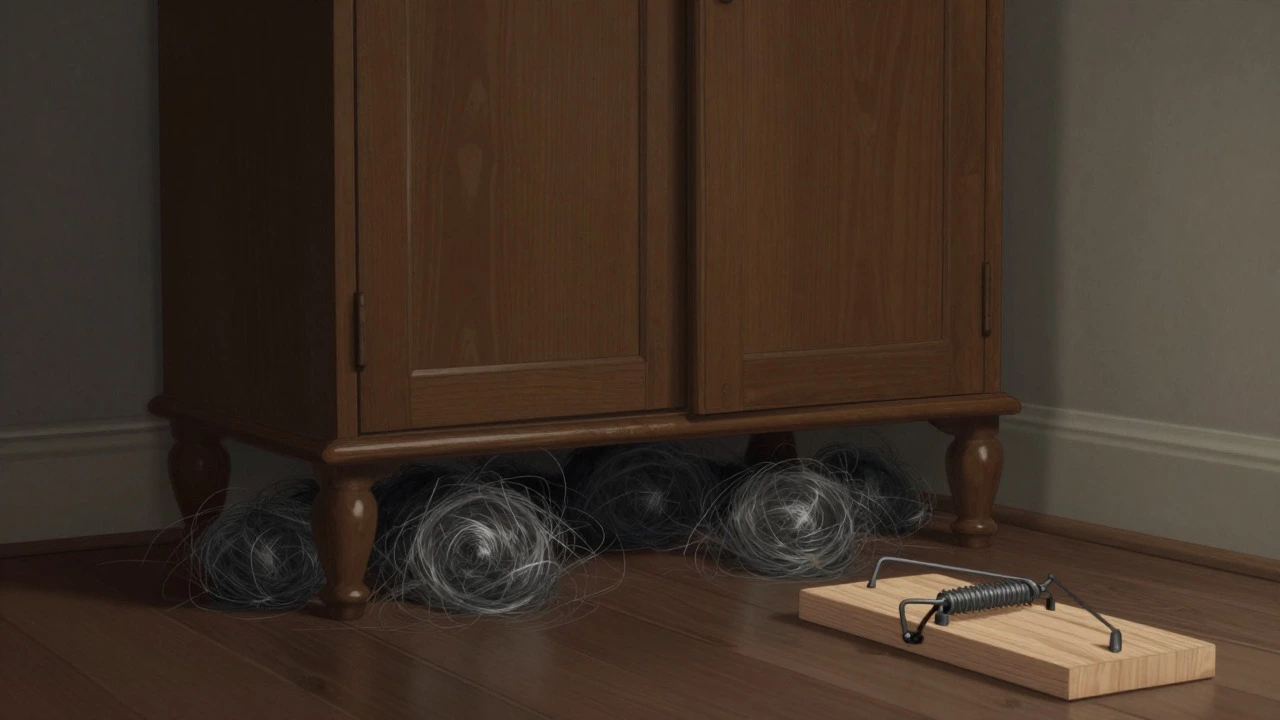
For the best results, integrate scent repellents with physical traps and barriers. Place snap traps or live traps near the furniture after applying the repellents. The scent keeps the mice away from your valuables, driving them toward the traps instead. Seal any gaps around the base of the furniture with steel wool or copper mesh. Mice cannot chew through metal, so this provides a hard barrier that complements the soft barrier of the scent.
Regular inspection is crucial. Check your storage furniture weekly for signs of new activity. Look for gnaw marks, fresh droppings, or displaced insulation. If you see these signs, increase the frequency of repellent application and reassess your exclusion efforts. Remember, prevention is easier than cure. Once mice establish a nest, removing them becomes significantly harder.
Does peppermint oil really kill mice?
No, peppermint oil does not kill mice. It acts as a repellent by irritating their sensitive noses, causing them to avoid the area. To kill mice, you would need traps or poison, but repellents are safer for protecting furniture without leaving dead bodies behind.
How often should I reapply mouse repellent scents?
Essential oils like peppermint and eucalyptus evaporate quickly and need to be reapplied every 3 to 5 days. Solid forms like cedar wood or dried herbs last longer, potentially several weeks to months, depending on ventilation and temperature.
Can I use coffee grounds to keep mice away?
Coffee grounds have a strong smell that some people believe deters mice, but evidence is anecdotal. They are less effective than essential oils or ammonia. Additionally, wet coffee grounds can mold, attracting other pests. Dry grounds placed in socks might help slightly, but don't rely on them as a primary defense.
Are ultrasonic mouse repellers effective?
Most independent studies show that ultrasonic repellers have limited effectiveness. Sound waves do not travel well through solid furniture or walls, leaving many blind spots. Mice also habituate to the noise quickly. Scent-based repellents combined with physical exclusion are generally more reliable.
Is ammonia safe to use around pets?
Ammonia can be irritating to pets' respiratory systems. It is best used in areas where pets do not frequently roam, such as basements or closed storage units. Ensure good ventilation when applying ammonia-soaked rags to prevent fume buildup.