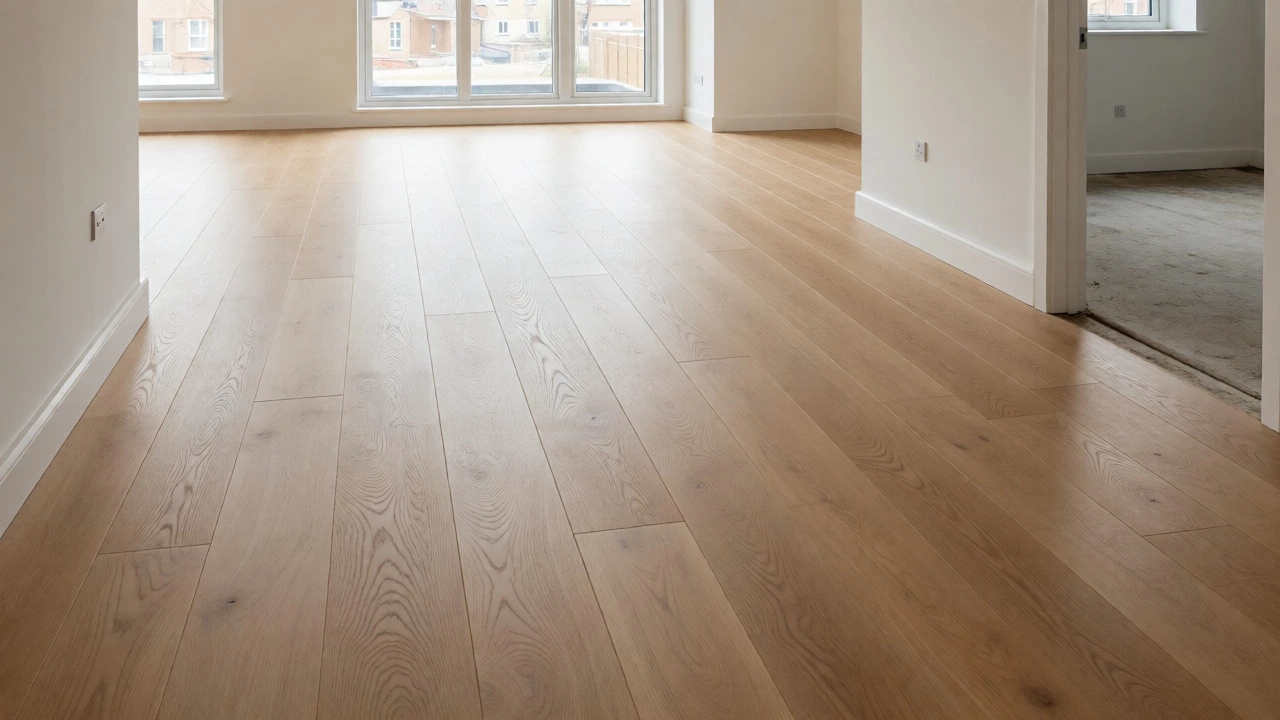
New Build Flooring Selector
Answer the questions below to get a personalized flooring recommendation tailored to your new home's specific requirements.
Why this choice?
You just got the keys to your brand-new home. The paint is fresh, the appliances are shiny, and everything smells like possibility. Then you walk into the living room and realize the developer picked out best flooring options that look cheap, scratch easily, or clash with your furniture. It’s a common regret. Choosing floors in a new build isn’t just about aesthetics; it’s about navigating warranties, subfloor moisture, and installation timelines that differ wildly from renovations.
Unlike remodeling an old house where you’re fighting uneven joists and asbestos, a new build offers a blank canvas-but with strict rules. Builders often have specific requirements for what can be installed over their concrete slabs or wooden subfloors. If you pick the wrong material, you might void your warranty or face expensive repairs down the road. This guide breaks down exactly which materials hold up best in modern construction, how to talk to your builder, and what mistakes cost homeowners thousands.
The Reality of New Build Subfloors
Before you fall in love with a sample swatch, you need to understand what’s underneath. Most new builds use one of two subfloor types: poured concrete slabs (common in basements and ground floors) or plywood/OSB sheets on joists (common in upper stories). Each has distinct needs.
Concrete slabs take time to dry. In Vancouver, where humidity fluctuates, this is critical. If you install hardwood over concrete that still holds excess moisture, the wood will cup or warp within months. Builders usually provide a moisture reading report. Ask for it. If the relative humidity is above 75%, you need a moisture barrier or a different flooring choice. Engineered wood handles this better than solid wood, but even engineered planks need proper acclimation.
On the second floor, noise transmission becomes a major issue. Modern homes have thinner soundproofing between levels than older houses did. Hard surfaces like tile or laminate can make footsteps sound like drumming. Many condo boards and even some single-family builders now require underlayments with specific Impact Insulation Class (IIC) ratings. Check your purchase agreement. Ignoring this clause can lead to disputes with neighbors or failed inspections.
Luxury Vinyl Plank: The Default Winner?
If you ask ten contractors what they recommend for a family home today, eight will say Luxury Vinyl Plank (a multi-layer synthetic flooring product designed to mimic wood or stone). It’s not because it’s the most luxurious option-it’s because it’s nearly bulletproof.
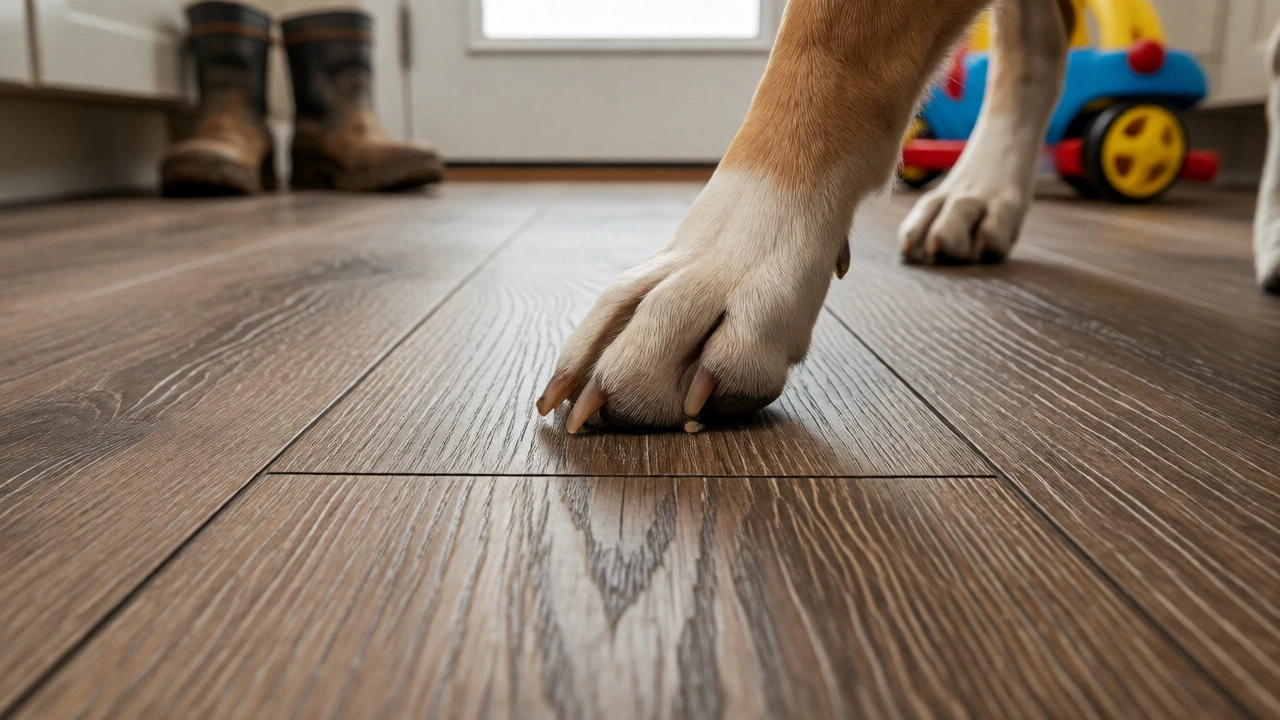
SPC (Stone Plastic Composite) LVP is rigid, waterproof, and resistant to dents from dropped pots or dog claws. For a new build with active kids or pets, it’s hard to beat. Installation is fast using click-lock systems, which means less mess and lower labor costs. Plus, it looks surprisingly realistic. High-end brands now print textures that match grain patterns perfectly.
However, LVP isn’t perfect. It doesn’t add value to your home the way real wood does. If you plan to sell in five years, buyers might see "vinyl" and assume it’s a budget fix-up. Also, quality varies wildly. Cheap LVP can peel at the seams or fade in direct sunlight. Look for products with a wear layer of at least 20 mils. Anything less will show traffic lanes near the front door within two years.
Engineered Hardwood: The Value Play
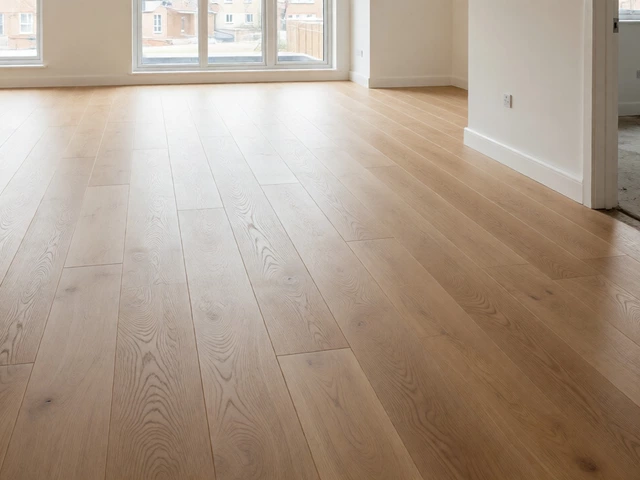
For those who want warmth and resale value without the fragility of solid wood, Engineered Hardwood is a flooring material composed of a top layer of real wood bonded to cross-ply layers of plywood. It’s the sweet spot for many new builds.
Why? Stability. Because the core layers are cross-grained, engineered wood expands and contracts less with temperature changes. This makes it safe for radiant heating systems, which are increasingly standard in new energy-efficient homes. Solid hardwood often fails over radiant heat unless specifically rated, adding significant cost and complexity.
You can also sand and refinish higher-quality engineered floors once or twice, extending their life. But be careful with thickness. Many big-box store options have a veneer so thin (0.6mm) that you can’t refinish them at all. Aim for a wear layer of 3mm or more if you want longevity. In a new build, this upfront cost pays off when you refresh the finish instead of replacing the entire floor.
Tile and Stone: Where They Still Shine
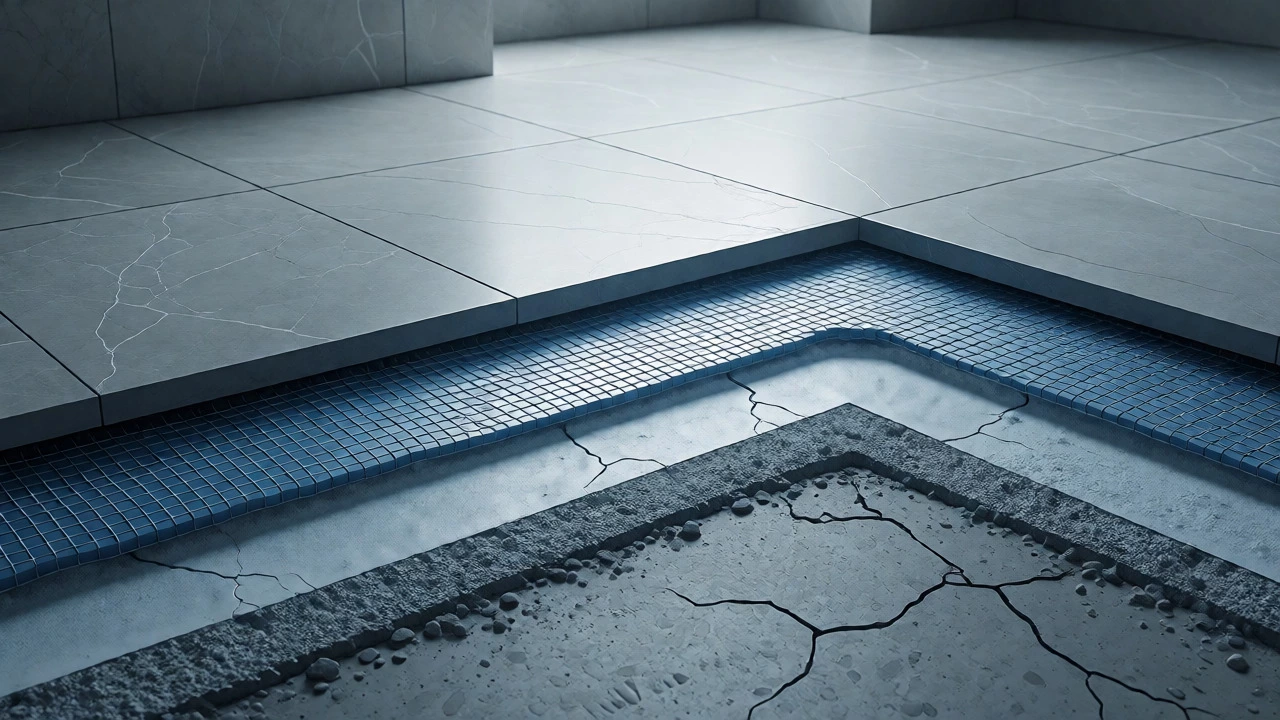
While wood-look alternatives dominate bedrooms and living areas, ceramic and porcelain tile remain king in bathrooms, kitchens, and mudrooms. Porcelain is denser and less porous than ceramic, making it ideal for high-moisture zones. In a new build, ensure your installer uses a decoupling membrane. Concrete slabs crack over time as the house settles. Without a membrane, those cracks telegraph straight through your grout lines.
Natural stone like marble or slate adds instant elegance but requires sealing. Every year. Do you really want to maintain that in a busy household? Probably not. Stick to porcelain tiles that mimic stone for easier maintenance. Large-format tiles (12x24 inches or bigger) create fewer grout lines, which means less cleaning and a cleaner look. Just know that large tiles require a perfectly flat subfloor. New builds sometimes have minor imperfections that require self-leveling compound before installation-a hidden cost to budget for.
Carpet: Not Dead, Just Niche
Hardwood trends made carpet seem outdated, but it’s still practical for specific spaces. Bedrooms benefit from the softness and warmth. Carpet reduces footfall noise, which helps if you have upstairs neighbors or young children running around. Modern carpets are also stain-resistant thanks to treatments like Stainmaster.
But avoid wall-to-wall carpet in main living areas. It traps dust, allergens, and pet dander. Cleaning is difficult, and it wears out faster than hard surfaces. Use area rugs instead. They’re easier to replace and define spaces visually. If you do choose carpet, opt for low-pile nylon. It’s durable, resilient, and resists crushing from furniture legs.
Decision Matrix: Matching Floors to Lifestyle
Choosing the right floor depends on who lives in your home and how you use it. Here’s a quick comparison to help you decide.
| Flooring Type | Durability | Water Resistance | Resale Value | Maintenance |
|---|---|---|---|---|
| Luxury Vinyl Plank | High | 100% Waterproof | Neutral | Very Low |
| Engineered Hardwood | Medium-High | Moderate (Spills must be wiped) | High | Low-Medium |
| Porcelain Tile | Very High | High | Medium | Low (Grout care needed) |
| Laminate | Medium | Low (Swells if wet) | Low | Low |
Pitfalls to Avoid During Installation
Even the best material fails if installed poorly. New builds come with tight schedules, and subcontractors often rush. Watch out for these common issues:
- Skipping Acclimation: Wood products need to sit in the home for 48-72 hours before installation to adjust to indoor humidity. Skipping this leads to gaps or buckling later.
- Ignoring Expansion Gaps: Floors expand and contract. Installers must leave space around walls and cabinets. If they caulk it shut, the floor will buckle in summer.
- Wrong Underlayment: Using a vapor barrier under hardwood on a concrete slab is crucial. Using the wrong type under LVP can cause squeaking.
- Transition Strip Mismatch: Different rooms may have different heights after installation. Ensure transitions are smooth and secure to prevent tripping hazards.
Also, check the warranty terms. Some manufacturers void warranties if the floor isn’t installed by a certified professional. Keep receipts and installation certificates. You’ll need them if something goes wrong within the first year.
Budgeting Realistically
Don’t just look at the price per square foot. Factor in removal (if applicable), disposal, underlayment, adhesive, trim, and labor. Labor costs in Vancouver have risen sharply. Expect to pay $8-$15 per square foot for professional installation of hardwood or LVP. Tile is more expensive due to prep work and skill level.
A good rule of thumb: allocate 20% of your total flooring budget for unexpected extras. Maybe the subfloor needs leveling. Maybe you need extra threshold strips. Having a buffer prevents stress during the final walkthrough.
Final Thoughts on Long-Term Satisfaction
Your floors will endure decades of abuse. Choose based on your actual lifestyle, not just Pinterest images. If you have muddy boots coming in daily, prioritize durability over delicacy. If you host frequently, consider ease of cleaning. If you plan to stay long-term, invest in quality materials that age gracefully.
Communicate early with your builder. Changes are cheaper before the drywall goes up. Once the paint is done, switching from tile to wood becomes a nightmare. Plan ahead, inspect carefully, and enjoy your new foundation-literally.
Is LVP better than laminate for new builds?
Generally, yes. Luxury Vinyl Plank (LVP) is waterproof and more durable against impacts. Laminate is susceptible to water damage and swelling if spills aren't cleaned immediately. However, laminate is often cheaper and feels warmer underfoot.
Can I install hardwood over radiant heating in a new build?
Yes, but only engineered hardwood is recommended. Solid hardwood is too unstable for the temperature fluctuations of radiant systems. Ensure the manufacturer explicitly rates the product for radiant heat compatibility.
How much does it cost to change flooring in a new build?
If changed before installation, costs vary by material. After installation, changing flooring involves demolition and disposal fees. Expect to pay $3-$5 per square foot for removal plus the cost of new materials and installation.
What is the most durable flooring for dogs?
SPC Luxury Vinyl Plank or high-quality porcelain tile. Both resist scratches from claws and are easy to clean accidents. Avoid natural stone, which can be slippery and stain-prone.
Do new builds require specific underlayments?
Often, yes. Check your builder's specifications. Many require acoustic underlayments with specific STC/IIC ratings to meet building codes for sound transmission between floors.