Small Space Optimizer
Answer these questions to discover how much potential space you can reclaim in your small home.
You walk into your living room and immediately feel the walls closing in. It’s not that you have too much stuff-well, maybe a little-but rather that your small house is fighting against its own geometry. The sofa blocks the walkway, the coffee table feels like an obstacle course, and your books are spilling off shelves that were already full. You aren’t alone. According to recent housing data, the average American home has shrunk by nearly 20% over the last few decades, yet our belongings haven’t. The good news? You don’t need a demolition crew or a second mortgage to fix this. You need a strategy.
Adding space isn’t always about building out; it’s often about building up, looking down, and thinking sideways. This guide breaks down practical, proven methods to reclaim square footage in tight quarters. We’ll look at vertical storage, multi-functional furniture, visual tricks, and layout shifts that make a 600-square-foot apartment feel like a loft. Let’s get your breathing room back.
Rethinking Your Layout: The Floor Plan Audit
Before you buy a single new shelf, look at what you already have. Most people arrange furniture based on habit, not function. In a small home, every inch of floor space is premium real estate. Start by removing anything that doesn’t serve two purposes. If a side table only holds a lamp, swap it for a nesting set or eliminate it entirely if the lamp can go on a floating shelf.
Consider the flow of traffic. Do you find yourself stepping over ottomans or squeezing between chairs? That’s dead space. Pull furniture away from the walls. It sounds counterintuitive, but pushing everything to the edges creates a "dance floor" effect in the middle that highlights emptiness while making the perimeter feel cluttered. Instead, float key pieces to define zones. Use a rug to anchor a seating area, creating a psychological boundary that makes the rest of the room feel separate and larger.
- Measure twice: Before moving heavy items, tape out their footprint on the floor to visualize clearance.
- Clear sightlines: Keep low-profile furniture in front of windows to maintain light penetration.
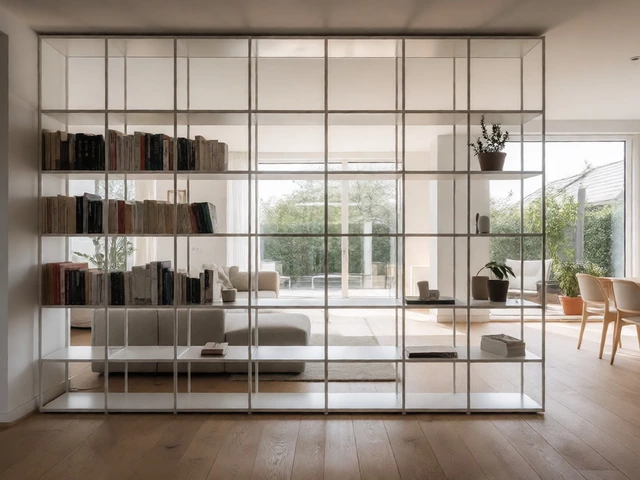
- Zoning: Use open shelving units as room dividers instead of solid walls to maintain light flow.
Go Vertical: Using Walls as Storage
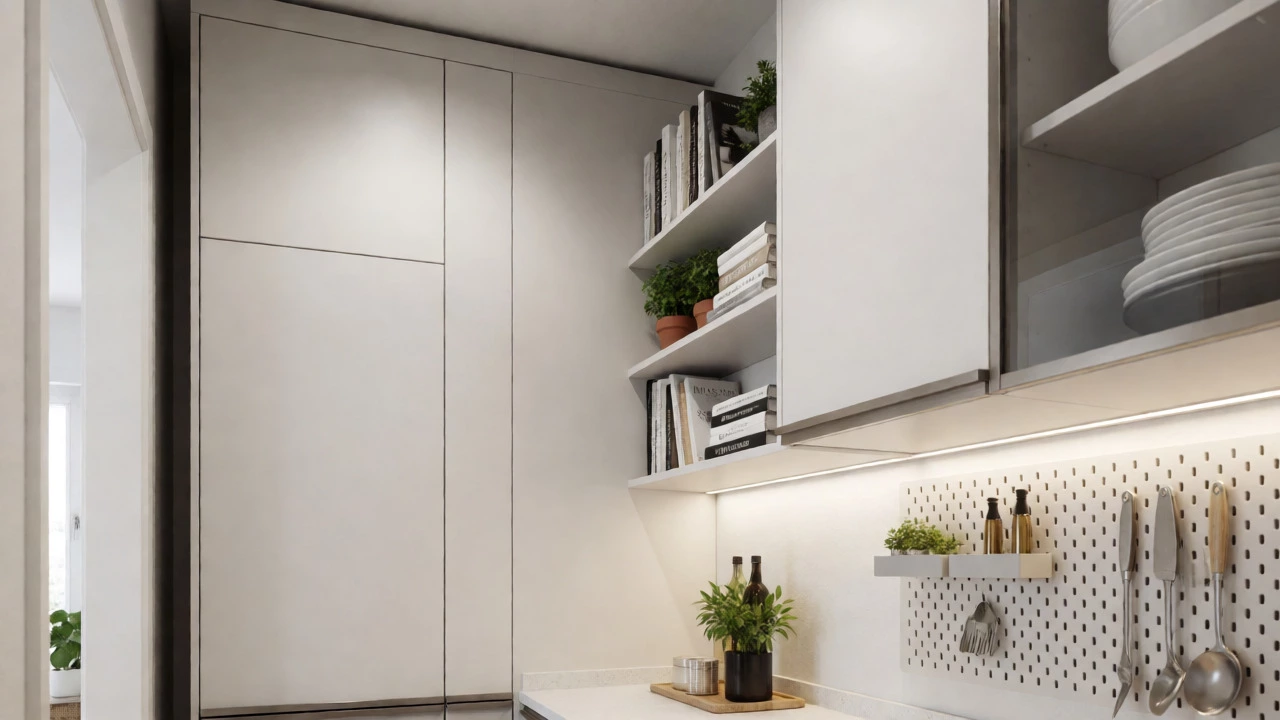
Floor space is finite; wall space is infinite (until you hit the ceiling). The biggest mistake in small homes is treating walls solely as decoration. They are functional assets. Install floating shelves above doorways, over toilets, and along kitchen backsplashes. These surfaces hold everyday items without eating into your walking area.
Think beyond standard bookshelves. Tall, narrow cabinets draw the eye upward, making ceilings appear higher. A unit that goes from floor to ceiling eliminates the dust-collecting gap on top and maximizes volume. In the kitchen, use magnetic knife strips, hanging pots racks, and pegboards. In the bedroom, install bedside sconces instead of lamps to free up nightstand surface area.
| Solution | Best For | Space Saved | Installation Difficulty |
|---|---|---|---|
| Floating Shelves | Books, decor, plants | High (zero floor footprint) | Medium |
| Pegboards | Kitchen tools, office supplies | Medium (keeps drawers empty) | Low |
| Tall Cabinets | Linens, pantry items | Very High (uses full height) | High |
| Hanging Rods | Clothing, curtains | Low (visual expansion) | Low |
Multi-Functional Furniture: Work Smarter
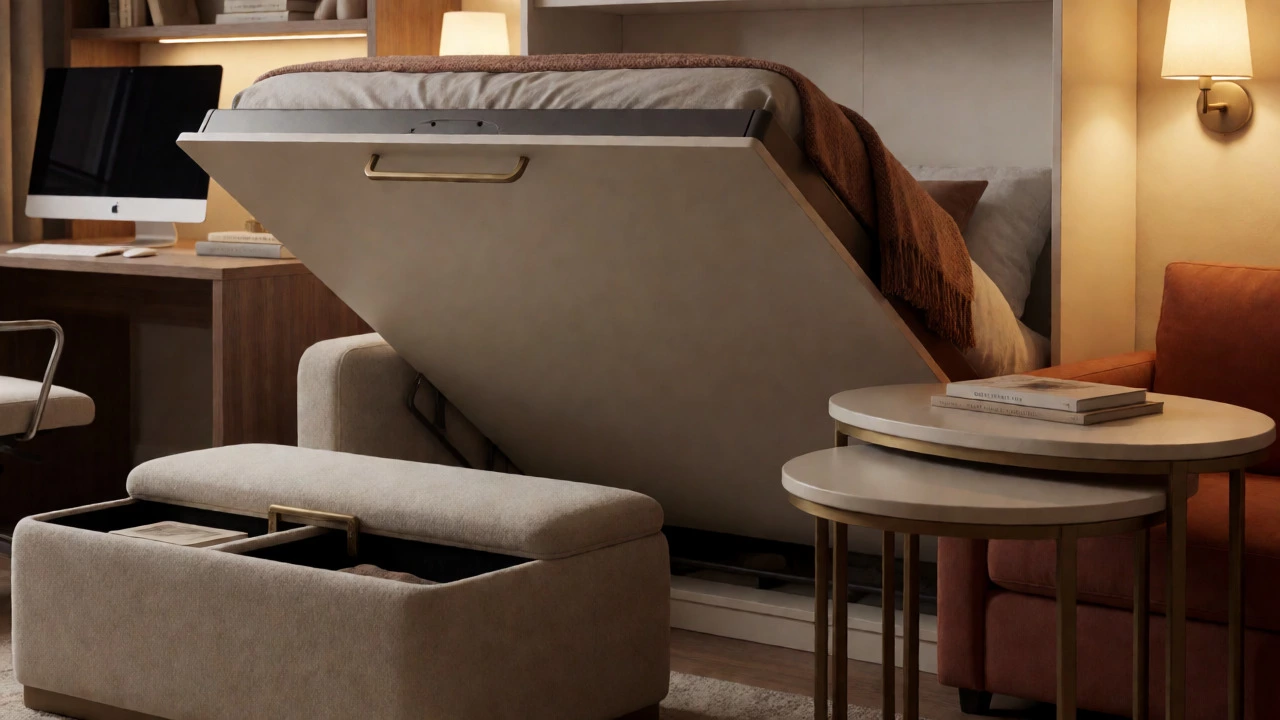
In a small house, furniture must pull its weight. A chair should be a seat, but it could also be storage. A bed should be for sleeping, but it could also be a desk. Invest in multi-functional furniture designed specifically for compact living. Look for ottomans with hidden compartments, beds with built-in drawers, and extendable dining tables that shrink when not in use.
Consider a Murphy bed (wall bed) if you have a studio setup. During the day, it folds away, turning your bedroom into a living room or home office. Modern versions are sleek and easy to operate, far removed from the clunky models of the past. Another game-changer is the nesting table. Three small tables stack into one when needed and spread out when guests arrive. This flexibility allows you to adapt your space to different times of the day.
Visual Tricks: Lighting and Mirrors
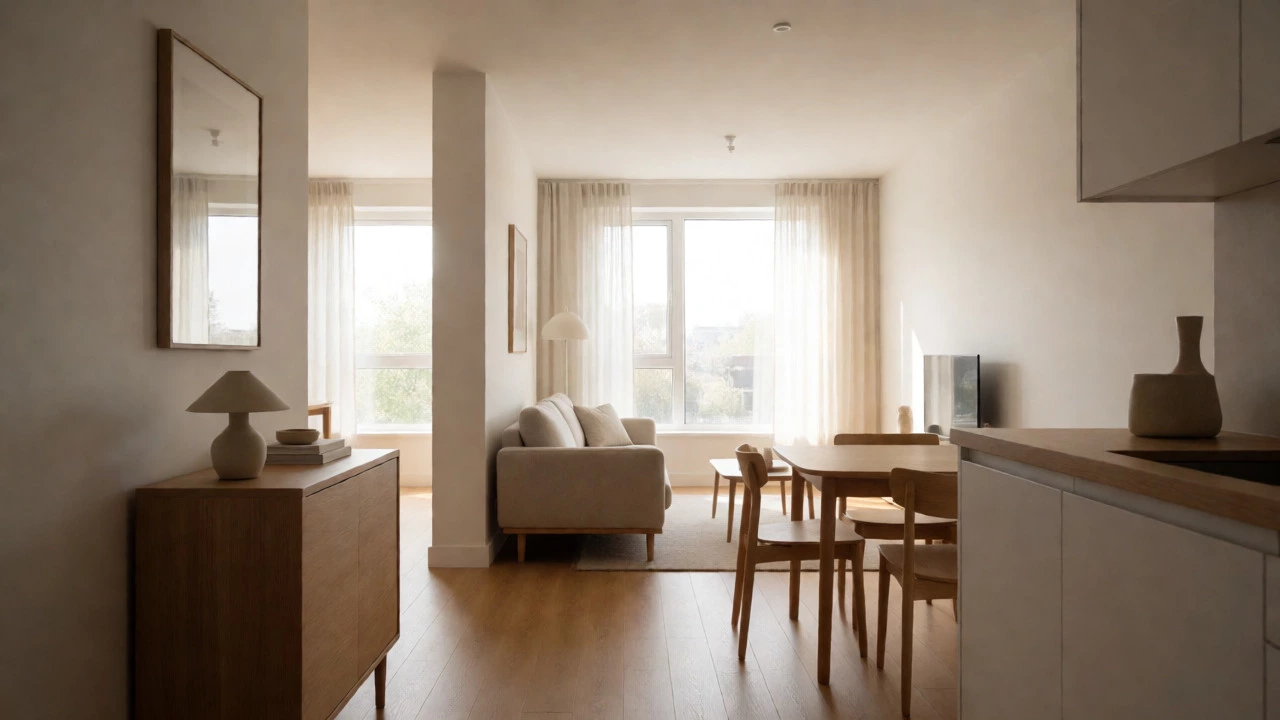
Physical space is hard to change quickly, but perceived space is malleable. Light is the most powerful tool you have. Dark corners make rooms feel smaller and cramped. Maximize natural light by using sheer curtains or no window treatments at all. If privacy is a concern, opt for frosted glass films or blinds that allow light through while obscuring views.
Mirrors are the classic hack for a reason. Placing a large mirror opposite a window reflects the outdoors, effectively doubling the view and bouncing light deep into the room. But don’t just hang a mirror randomly. Angle it to reflect a focal point, like a piece of art or a plant, to create depth. Paint matters too. Light colors-whites, creams, soft grays-reflect light and recede visually, making walls feel further away. Don’t fear color entirely, though. Painting trim and doors the same color as the walls eliminates visual breaks, creating a seamless, expansive look.
The Closet Conundrum: Organizing Tight Spaces
Closets in small houses are notoriously inefficient. Standard hangers waste space, and unused upper areas gather dust. Switch to slim, velvet hangers to gain up to 30% more rod space instantly. Install double rods to hang shorter items like shirts and pants separately, utilizing vertical space within the closet box.
Use the back of the closet door. Over-the-door organizers are perfect for shoes, accessories, or cleaning supplies. Inside the closet, use clear bins for seasonal items so you know exactly what’s inside without opening them. Label everything. When you can see what you have, you’re less likely to buy duplicates, which prevents future clutter buildup. Remember, a clean closet contributes to a calm mind, which makes the whole house feel more spacious.
Decluttering: The Zero-Cost Expansion
No amount of clever design can compensate for excess stuff. Clutter creates visual noise, which the brain interprets as chaos and confinement. To truly add space, you must subtract items. Start with the "one-year rule": if you haven’t used it in twelve months, donate it, sell it, or trash it.
Be ruthless with sentimental items. Photograph them instead of keeping them. Digitize documents and photos to reduce paper piles. Adopt a "one in, one out" policy for new purchases. If you buy a new sweater, an old one leaves. This discipline keeps your inventory manageable. Regular editing ensures that your home storage solutions remain effective and accessible.
Frequently Asked Questions
Does painting walls dark make a small room smaller?
Not necessarily. While light colors generally reflect more light and make a room feel airy, dark colors can blur the boundaries of a room, creating a cozy, infinite feeling if done correctly. The key is consistency; painting walls, trim, and ceiling the same dark color removes visual interruptions, making the space feel larger and more immersive.
What is the best furniture for tiny apartments?
Look for pieces with exposed legs. Furniture that sits flush against the floor blocks sightlines and makes the room feel heavy. Pieces with visible legs allow light to pass underneath, creating a sense of openness. Additionally, prioritize multi-functional items like storage ottomans, sleeper sofas, and drop-leaf tables.
How can I add storage without buying new furniture?
Utilize underutilized spaces such as under-bed areas, tops of tall cabinets, and the backs of doors. Repurpose existing items: use decorative baskets for toys or blankets, stack books horizontally and vertically, and install tension rods inside cabinets to hang spray bottles or cleaning cloths.
Do mirrors really make a room bigger?
Yes, primarily by reflecting light and extending sightlines. A mirror placed opposite a window brings the outside in, effectively doubling the visual depth of the room. Even a mirror reflecting a dim corner can brighten it up, reducing the feeling of enclosure.
Is it worth hiring a professional organizer for a small home?
If you struggle with decision fatigue or lack spatial planning skills, yes. Professionals bring an objective eye and systematic systems that stick. They can identify dead zones you’ve overlooked and suggest specific products tailored to your exact dimensions, saving you money on ill-fitting purchases.