Foundation Crack Repair Advisor
Answer the questions below to get a recommended repair strategy and cost estimate.
Recommendation
Why this method?
Estimated Cost Range
$0 - $0
*Based on local averages. Does not include landscaping restoration if excavation is required.Expected Lifespan
N/A
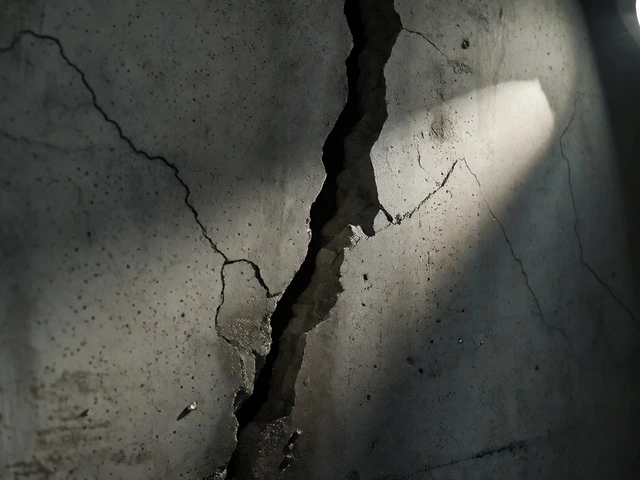
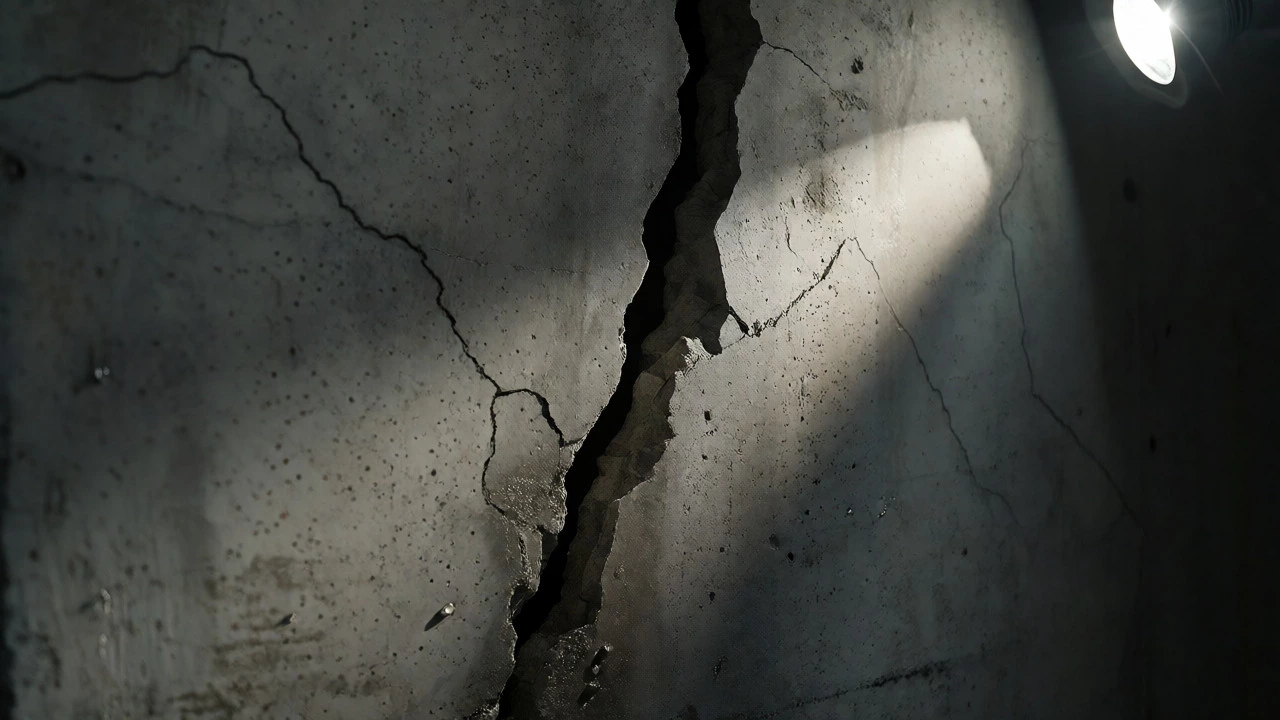
You spot a jagged line snaking up your basement wall or cutting across the slab. Panic sets in. Is your house sinking? Do you need to dig up the entire front yard? The first question every homeowner asks is simple: should I fix this from the inside or the outside? The answer isn't one-size-fits-all. It depends entirely on what kind of crack you have and why it happened.
Foundation crack repair is the process of sealing or reinforcing fractures in a home's concrete base to prevent water intrusion and structural failure. Choosing between internal and external methods dictates your cost, timeline, and long-term durability. In Vancouver, where clay soils expand with rain and shrink during dry spells, getting this wrong can lead to recurring leaks that damage your finished basement.
Why Location Matters More Than You Think
Think of your foundation like a boat hull. If there’s a hole below the waterline, patching it from the inside (the cabin) might stop the immediate drip, but the pressure from the ocean (soil and water) is still pushing against that weak spot. Patching from the outside removes the pressure source. However, if the "hole" is just a surface scratch from drying out, digging up the yard is overkill.
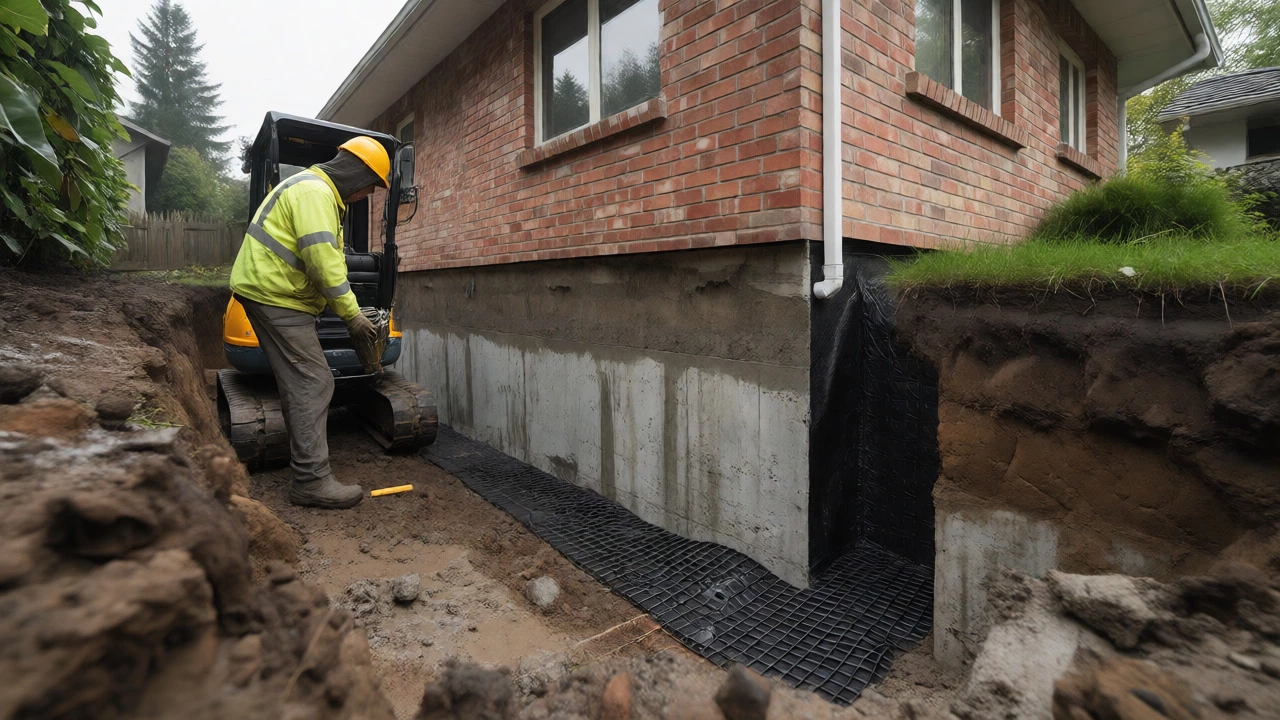
The core difference lies in access. External repairs require excavation-digging down to the footing, exposing the wall, and applying waterproofing membranes or epoxy. Internal repairs involve injecting polyurethane foam or epoxy into the crack from within the basement. One addresses the symptom; the other often addresses the cause. But which one solves your specific problem?
When to Fix From the Inside
Internal repair is the go-to for hairline cracks and minor settling. If your crack is less than 1/8 inch wide and hasn’t changed size in years, you likely don’t need heavy machinery. This method is also ideal if your home has extensive landscaping, a driveway, or a deck right against the foundation. Digging those up costs thousands more than the repair itself.
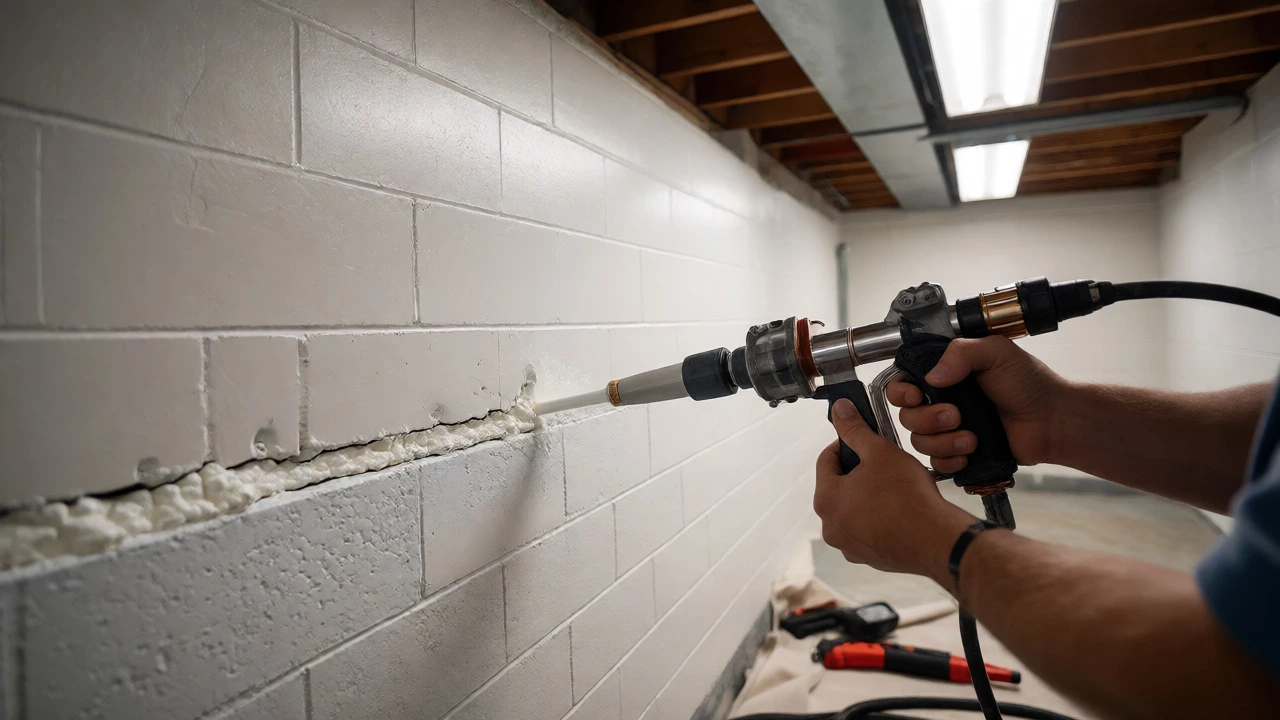
Here’s how it works: contractors drill small ports along the crack and inject high-density polyurethane foam. This foam expands, fills the void, and creates a watertight seal. It’s fast-often done in a day-and leaves minimal mess. According to the American Concrete Institute, internal epoxy injection is effective for non-structural cracks that are active (meaning they move slightly with temperature changes).
- Best for: Hairline cracks, cosmetic issues, minor leaks.
- Cost: $300-$800 per linear foot.
- Downtime: Same-day completion.
- Risk: Doesn’t relieve soil pressure; crack may reappear if movement continues.
When You Must Go Outside
If water is pouring in during heavy rains, or if you see horizontal cracks (a sign of bowing walls), internal fixes are a band-aid. Horizontal cracks indicate lateral earth pressure is pushing your wall inward. No amount of foam will stop that force. You need to relieve the pressure by excavating the soil away from the wall.
External repair involves digging a trench around the affected area, cleaning the foundation wall, applying a rubberized waterproofing membrane, and installing new drainage tile (weeping tiles). This system redirects water away from the foundation before it even touches the concrete. For homes in areas with high water tables, this is the only way to guarantee a dry basement.
| Feature | Internal Repair | External Repair |
|---|---|---|
| Primary Goal | Seal leak, stabilize minor shift | Relieve hydrostatic pressure, waterproof |
| Disruption | Low (basement only) | High (excavation required) |
| Lifespan | 5-10 years (if stable) | 20+ years |
| Addressing Cause | No | Yes |
The Hidden Cost of Ignoring Soil Pressure
Many homeowners choose internal repairs because they’re cheaper upfront. That’s fine for static cracks. But if your soil is expansive clay-which is common in parts of British Columbia-the ground swells when wet and shrinks when dry. This cycle pushes and pulls on your foundation. An internal seal might hold for two winters, but the third winter’s expansion could tear the crack open again. Now you’ve paid twice.
Consider the concept of hydrostatic pressure. This is the force exerted by standing groundwater against your foundation walls. If your exterior drain tile is clogged or missing, water builds up. Over time, this pressure can crack concrete. External repair restores the drainage system, effectively removing the load. Internal repair just plugs the hole while the weight remains.
How to Diagnose Your Crack Type
Before calling a contractor, do a quick self-assessment. Clean the crack with a wire brush. Place a piece of glass or a clear tape strip across it. Mark the ends with a pen. Wait three months. If the marks shift, the crack is active. Active cracks usually need external intervention or carbon fiber reinforcement from the inside.
Look at the shape: * **Vertical cracks:** Usually caused by settling. Often safe for internal repair. * **Horizontal cracks:** Caused by soil pressure. Usually requires external excavation or interior wall anchors. * **Stair-step cracks:** Common in brick foundations. Indicates differential settlement. Needs professional assessment.
Vancouver-Specific Considerations
In Vancouver, we deal with distinct seasonal patterns. Wet winters mean saturated soil. Dry summers cause shrinkage. If you live in an older home with stone foundations, internal injection can be tricky because the mortar joints are irregular. External waterproofing is often preferred here because it protects the porous stone from moisture ingress, which causes spalling (flaking) over time.
Also, check local building codes. Some municipalities require permits for excavation near property lines. Ensure your contractor handles this. A good repair includes grading adjustments to ensure surface water flows away from the house, reducing the load on your new waterproofing.
Making the Decision: A Simple Checklist
Use this decision tree to narrow down your options:
- Is the crack wider than 1/4 inch? Yes → Likely needs external help or structural reinforcement.
- Is water actively flowing in? Yes → External drainage issue. Check gutters first, then consider excavation.
- Are walls bowing inward? Yes → External excavation or interior carbon fiber straps. Foam alone won’t work.
- Is the crack stable and dry? Yes → Internal epoxy or polyurethane injection is sufficient.
- Do you have limited access (driveway/deck)? Yes → Try internal methods first. If they fail, consider mudjacking or helical piers instead of full excavation.
Professional Insight: The Hybrid Approach
Sometimes, you don’t have to choose. Many modern repairs use a hybrid approach. Contractors install interior wall anchors or carbon fiber strips to stop the wall from moving further. Then, they inject the crack from the inside to seal it. This avoids the massive cost of excavation while providing structural stability. It’s not perfect for severe failures, but it’s a smart middle ground for moderate issues.
Remember, the goal isn’t just to hide the crack. It’s to keep your home dry and structurally sound. Cutting corners now leads to mold, damaged flooring, and decreased resale value later. Invest in the diagnosis first. Get a structural engineer’s opinion if you’re unsure. It costs a few hundred dollars but saves thousands in unnecessary repairs.
Can I fix a foundation crack myself?
You can fix hairline, non-leaking cracks yourself using hydraulic cement or concrete caulk. However, for any crack that lets water in or is wider than 1/8 inch, professional injection or excavation is recommended to ensure a lasting seal.
How much does external foundation repair cost compared to internal?
External repair is significantly more expensive due to excavation labor and equipment. Expect to pay $150-$400 per linear foot for external waterproofing and drainage, versus $50-$150 per linear foot for internal injection. Landscaping restoration adds another 20-30% to the external cost.
Does fixing from the inside stop water forever?
Not necessarily. Internal repairs seal the path water takes through the crack, but they don’t remove the water pressure from the soil. If the water table rises significantly or drainage fails, water may find a new path or force the old crack open again. External repairs address the root cause by managing water flow.
What is hydrostatic pressure?
Hydrostatic pressure is the force exerted by stationary groundwater against your foundation walls. When soil becomes saturated, this pressure increases, pushing against the concrete. If the pressure exceeds the strength of the wall or its seal, cracks form or existing ones widen. Proper exterior drainage relieves this pressure.
How long do foundation repairs last?
Properly executed external waterproofing can last 20-30 years or more. Internal injections typically last 5-10 years, depending on whether the foundation continues to settle. Structural reinforcements like carbon fiber or steel beams can last the life of the home if installed correctly.