Bookshelf vs. Bookcase Selector
Answer these questions to find out which piece of furniture suits your space best.
Key Features Comparison
| Feature | Option A | Option B |
|---|---|---|
| Back Panel | ||
| Stability | ||
| Dust Protection | ||
| Visual Weight |
You walk into a store or scroll through an online catalog, and you see two items that look nearly identical. One is labeled a bookshelf, a standalone unit consisting of horizontal shelves supported by vertical sides, often open on the front and back. The other is called a bookcase, an enclosed piece of furniture with a solid back panel, designed to hold books and display items within a defined frame. You might think they are just synonyms for the same thing. After all, both hold your novels, textbooks, and decorative objects. But if you are trying to fit something specific into a tight corner or match existing décor, knowing the actual difference saves you money and frustration.
The confusion stems from casual language. In everyday conversation, people use the terms interchangeably. However, in furniture manufacturing and interior design, these words describe distinct structural features. Understanding this distinction helps you choose the right piece for your space. It affects how much weight the unit can hold, how it looks against a wall, and whether it feels like part of the architecture or a freestanding object.
Structural Differences That Matter
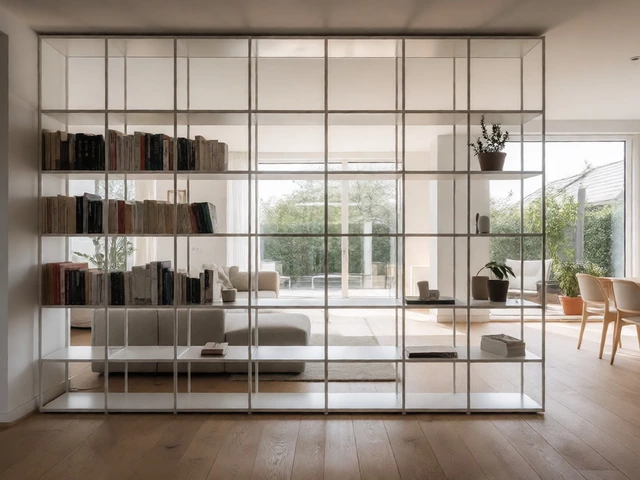
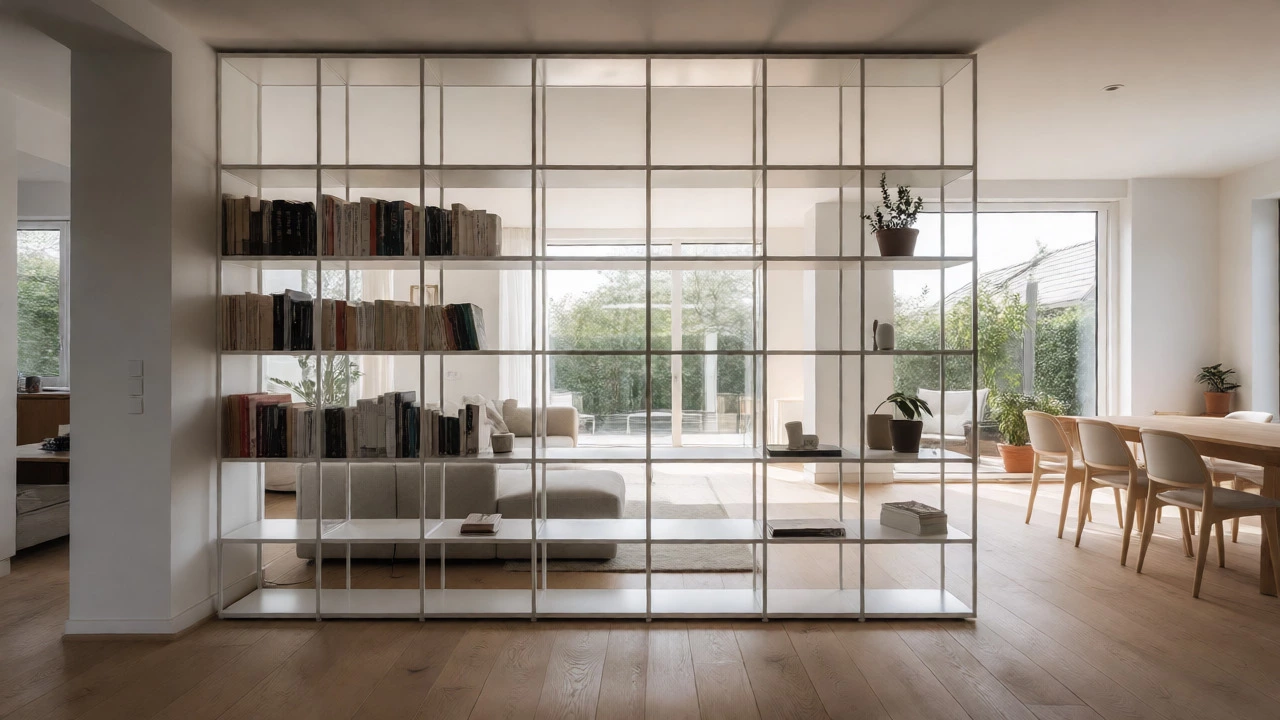
The most obvious difference lies in the construction. A bookshelf is typically an open framework. Think of the classic IKEA Kallax or a simple ladder shelf. It has vertical supports (sides) and horizontal planes (shelves). Crucially, it usually lacks a back panel. This means you can see through it. If you place a bookshelf in the middle of a room, light passes through it, and you can see the floor behind it. This openness makes it feel lighter and less imposing.
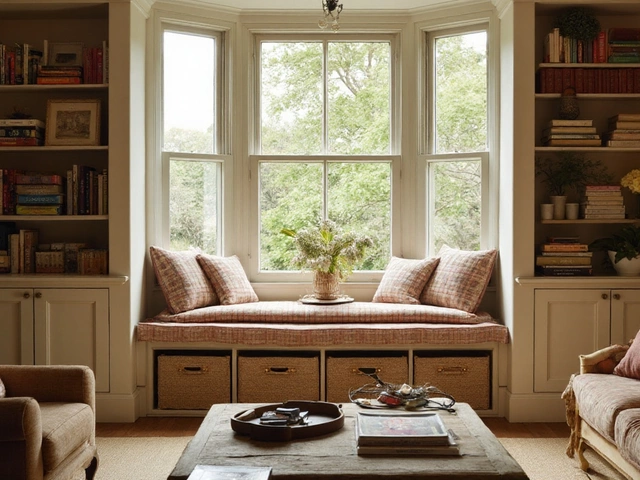
A bookcase, by contrast, is an enclosure. It has a solid back panel. This back provides rigidity to the structure, preventing the unit from wobbling side-to-side. Because of this solid backing, a bookcase must be placed against a wall. You cannot use it as a room divider effectively because the back side will look unfinished, often showing raw particleboard or thin veneer. The solid back also allows for different mounting options, such as anchoring directly into studs for safety.
| Feature | Bookshelf | Bookcase |
|---|---|---|
| Back Panel | Usually absent (open) | Present (solid or framed) |
| Placement | Freestanding or against wall | Against wall only |
| Stability | Lower; prone to tipping | Higher; rigid due to back |
| Visual Weight | Light, airy | Heavy, grounded |
| Cost | Generally lower | Generally higher |
When to Choose a Bookshelf
Choose a bookshelf when you need flexibility and visual lightness. Because these units are open, they do not block sightlines. This makes them perfect for small apartments where bulky furniture makes the room feel cramped. If you have a narrow hallway, a slim bookshelf can add storage without making the passage feel claustrophobic.
Another major advantage is dual-sided visibility. You can arrange books so their spines face one direction, while displaying art or plants on the other side. This turns the furniture into a functional room divider. For example, separating a living area from a dining nook becomes easy without building a permanent wall. Just remember that open shelves collect dust faster. You will need to wipe them down more frequently than enclosed cabinets.
From a budget perspective, bookshelves are often cheaper. They use less material. There is no back panel to manufacture, finish, or ship. If you are furnishing a rental property or a student dorm, a basic pine or metal bookshelf offers great value. It serves the primary function-holding books-without the premium cost of finished joinery.
Why Bookcases Are Better for Display
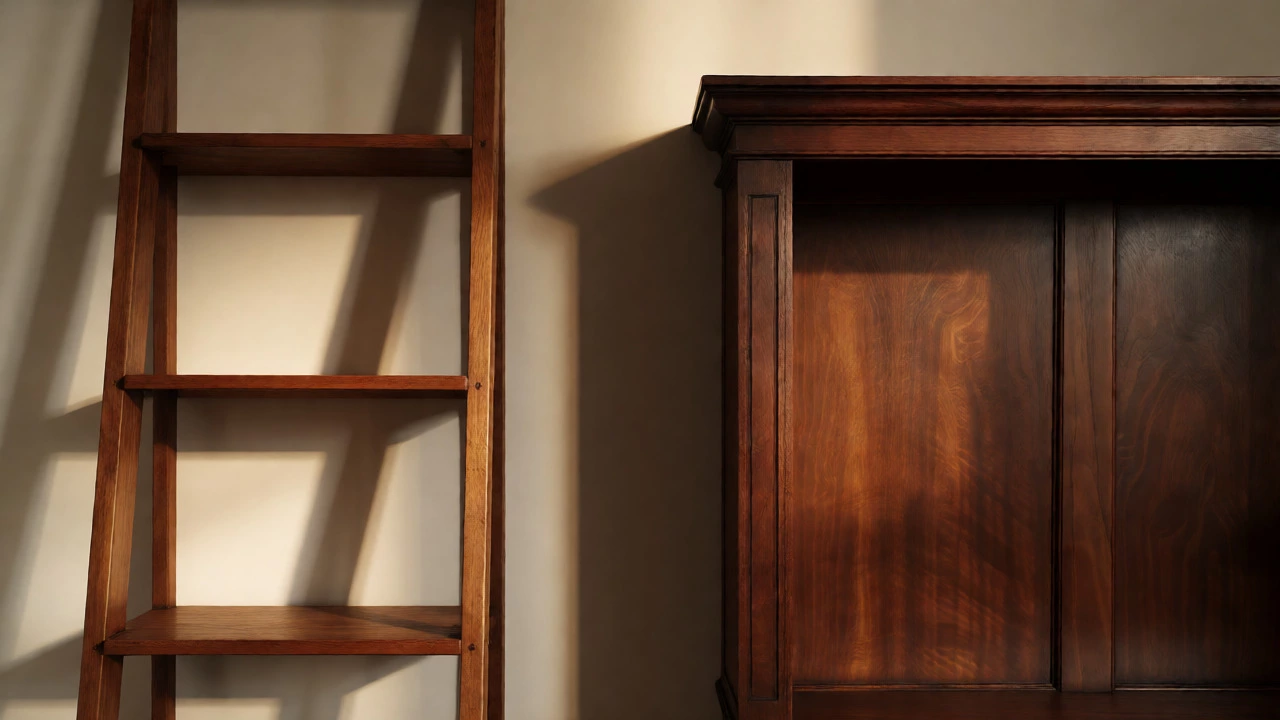
If you want your collection to look curated and protected, go with a bookcase. The solid back acts as a backdrop. Dark wood backs make colorful book spines pop. White painted backs create a clean, modern gallery feel. Without a back, books float in empty space, which can look messy if your arrangement isn't perfectly organized.
Protection is another key factor. Dust settles on everything. On an open bookshelf, dust accumulates on the top of books and between pages. Over years, this damages paper and bindings. A bookcase, especially one with glass doors, shields contents from airborne particles. Even without doors, the depth of the case and the back panel reduce airflow around the books, keeping them cleaner longer.
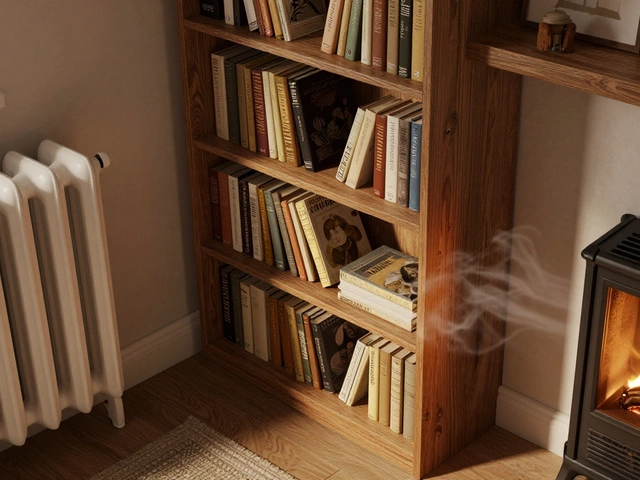
Structural integrity is critical for heavy loads. Hardback encyclopedias or vinyl records are dense. An open bookshelf relies solely on the friction and strength of its side joints. Over time, heavy books can cause sagging in cheap particleboard shelves. A bookcase distributes weight more evenly across the entire frame, including the back panel. This reduces stress on the horizontal shelves, extending the life of the furniture.
Material and Style Implications
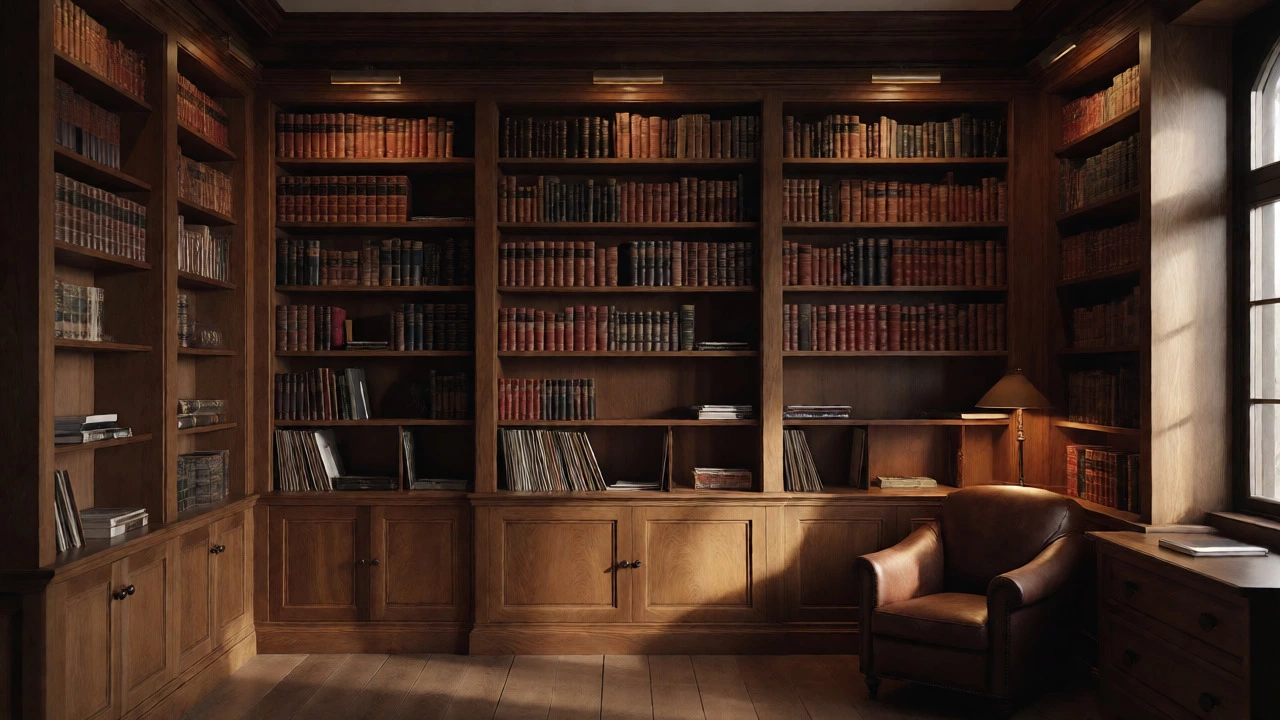
The materials used often dictate which term applies. Metal frames with wooden slats are almost always called bookshelves. They are industrial, minimalist, and lightweight. Solid oak or mahogany units with paneled backs are traditionally called bookcases. These pieces signal permanence and tradition. They belong in libraries, studies, or formal living rooms.
Consider the finish. Bookshelves often feature exposed edges. If you buy a cheap laminate bookshelf, you might see the raw core board at the edge. Bookcases usually have edge banding or solid wood trim because the front faces are prominent. When shopping, inspect the edges. If they are unfinished, it’s likely a budget bookshelf. If they are capped with matching wood or plastic, it’s a higher-quality bookcase or a premium bookshelf.
Height plays a role too. Floor-to-ceiling built-ins are technically bookcases because they integrate with the wall structure. However, freestanding tall units over six feet are risky if they are open bookshelves. They require wall anchors. Bookcases, being more stable, handle height better, though all tall furniture needs anchoring in earthquake-prone areas like Vancouver.
Common Misconceptions and Buying Tips
Don’t let marketing labels confuse you. Some retailers call any tall rectangular storage unit a "bookcase" regardless of construction. Always check the product specifications. Look for "back panel included." If it says "open back," it’s a bookshelf. If it lists "solid back" or "framed back," it’s a bookcase.
Think about lighting. Open bookshelves allow ambient light to pass through, brightening the room. Bookcases cast shadows. If your room is dark, an open shelf might help. If you have glare issues, a bookcase can absorb excess light. Also, consider cable management. Running wires for lamps or electronics is easier behind an open bookshelf. With a bookcase, you need to drill holes or route cables around the base.
Finally, measure your space precisely. Bookshelves come in standard widths like 30, 36, or 48 inches. Bookcases may have non-standard dimensions due to framing. Ensure there is clearance for opening cabinet doors if applicable. Leave at least two inches of space from the wall for air circulation to prevent moisture buildup, especially in older homes with drafty walls.
Can I use a bookshelf as a room divider?
Yes, absolutely. Since bookshelves lack a back panel, they are visible from both sides. This makes them ideal for separating spaces in open-plan layouts without blocking light or sightlines. Just ensure the unit is stable enough to stand freely.
Which is stronger, a bookshelf or a bookcase?
A bookcase is generally stronger. The solid back panel adds rigidity to the frame, preventing lateral movement and reducing sagging under heavy loads. Open bookshelves rely entirely on joint strength and are more prone to wobble unless anchored to a wall.
Do bookcases collect less dust than bookshelves?
Not necessarily less, but they protect better. While dust still enters from the front, the solid back reduces airflow around the books, slowing accumulation compared to fully open shelves. Adding glass doors to a bookcase significantly reduces dust exposure.
Is a bookcase more expensive than a bookshelf?
Typically, yes. Bookcases require more materials (the back panel) and often involve more complex finishing work. However, high-end designer bookshelves can cost more than mass-produced bookcases. Price depends more on material quality and brand than the label alone.
Can I convert a bookshelf into a bookcase?
You can add a backing to a bookshelf using plywood or hardboard cut to size and attached with nails or adhesive. This improves stability and hides the wall behind it, effectively turning it into a bookcase. It’s a cheap DIY upgrade for unstable units.