Bookshelf Placement Risk Checker
Check Your Bookshelf Location
Select all conditions that apply to your intended bookshelf location
It’s tempting to fill every empty corner with a bookshelf is a piece of furniture designed for storing books and other items, often featuring horizontal shelves supported by vertical sides. You see that awkward space under the stairs or that blank wall in the hallway, and you think, “Perfect spot.” But before you drag that heavy unit into place, pause. Placing bookcases in the wrong spots doesn’t just look messy-it can ruin your books, damage your walls, and even become a safety hazard.
I’ve spent years helping homeowners in Vancouver and beyond organize their living spaces. I’ve seen beautiful first editions warped by humidity, drywall collapsed under uneven weight, and children narrowly avoid tipping hazards because a shelf was anchored poorly-or not at all. The truth is, where you put your bookshelves matters just as much as what you buy. Let’s walk through the places you should absolutely avoid.
1. Directly Under Heat Sources or Radiators
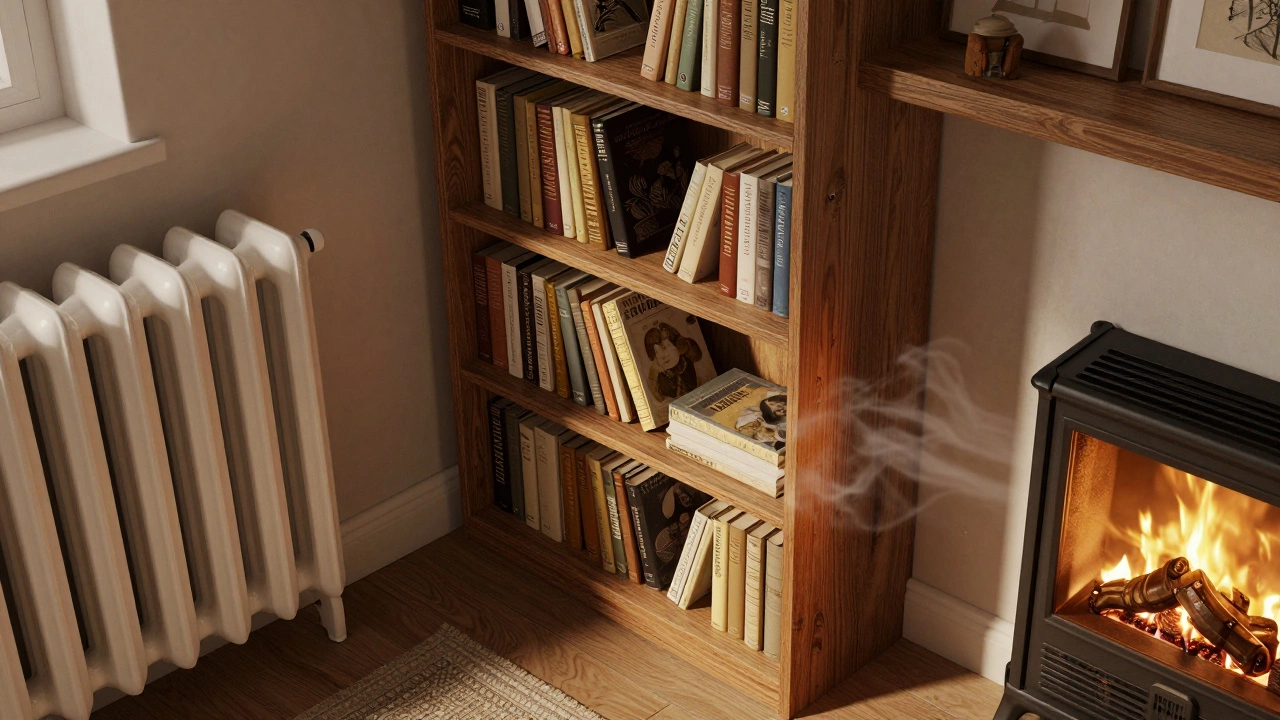
Heat is silent but destructive to paper and binding glue. If you place a bookshelf directly above a baseboard heater, near a fireplace register, or against a wall with exposed heating pipes, you’re setting up a slow-motion disaster. Paper becomes brittle, spines crack, and pages yellow faster than they should. In older homes with cast-iron radiators, this effect is even more pronounced.
The ideal distance? At least three feet from any direct heat source. If you must use that wall, consider a floating shelf made of metal or glass-materials less affected by temperature swings-and keep only decorative objects there, not actual reading material.
2. On Uneven or Weak Floors (Especially Over Joists)
Bookshelves are deceptively heavy. A fully loaded six-foot-tall unit can weigh over 300 pounds. If you place it on an uneven floor-especially one that sags between joists-the shelf will tilt, stress its joints, and eventually warp. Worse, if the floor isn’t level, the books themselves may slide forward, creating a tripping hazard or damaging covers.
Check your flooring before committing. Use a spirit level across the intended spot. If the surface dips more than ¼ inch over four feet, either reinforce the subfloor or choose a different location. For second-story rooms, be extra cautious; excessive load concentration can cause noticeable sagging over time.
3. Against Exterior Walls in Cold Climates
In places like Vancouver, where winter dampness seeps through exterior walls, placing bookshelves flush against outside walls invites moisture damage. Condensation forms when warm indoor air hits cold surfaces, leading to mold growth behind shelves and mildew on book edges. This is especially true in basements or ground-floor rooms without proper insulation.
If you must use an exterior wall, leave a two-inch gap between the back of the shelf and the wall. Use spacers or adjustable feet to allow airflow. Better yet, line the back panel with vapor barrier tape or install a thin layer of rigid foam insulation behind the unit.
4. In High-Traffic Hallways or Narrow Passages
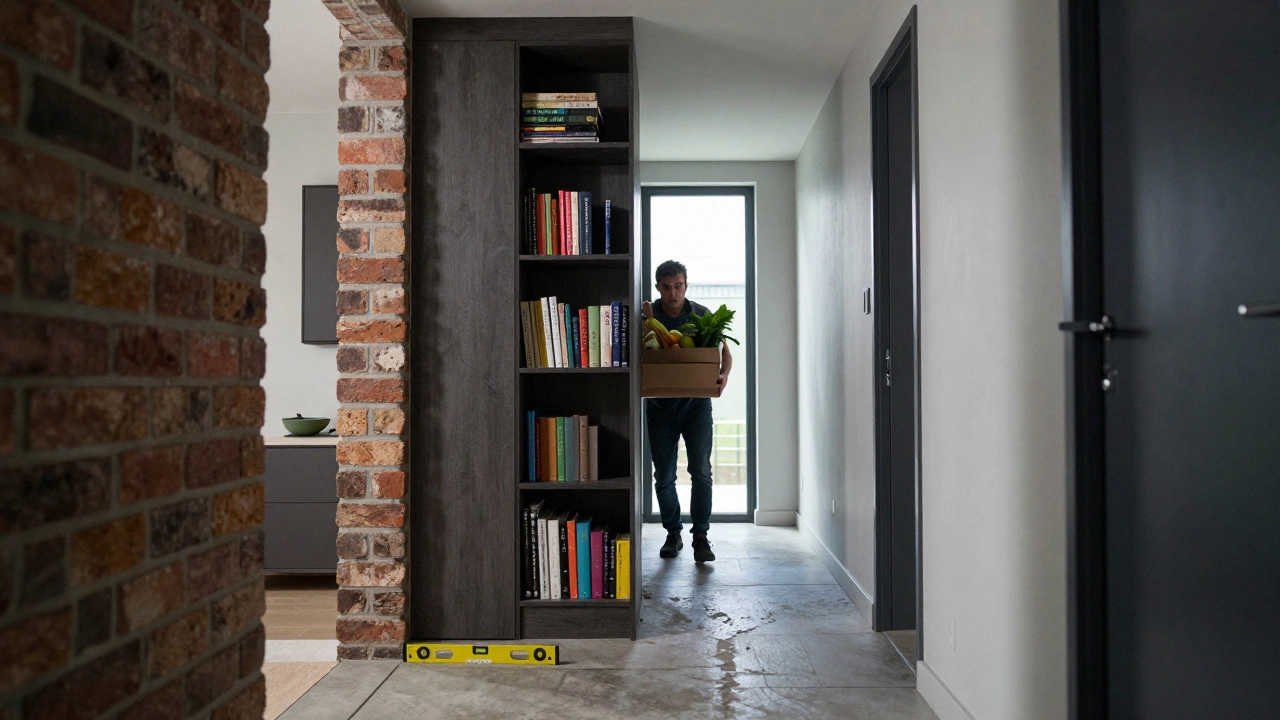
Convenience shouldn’t override safety. Bookshelves placed in narrow hallways create bottlenecks and increase the risk of collisions. Imagine carrying groceries down the corridor while someone else bumps into a protruding shelf corner. Or worse-a child running past knocks over a top-heavy unit.
Measure clearance carefully. Leave at least 36 inches of walking space on both sides of the shelf. If your hallway is narrower than that, skip the idea entirely. Opt for low-profile storage solutions like bench seating with hidden compartments instead.
5. Near Windows Without UV Protection
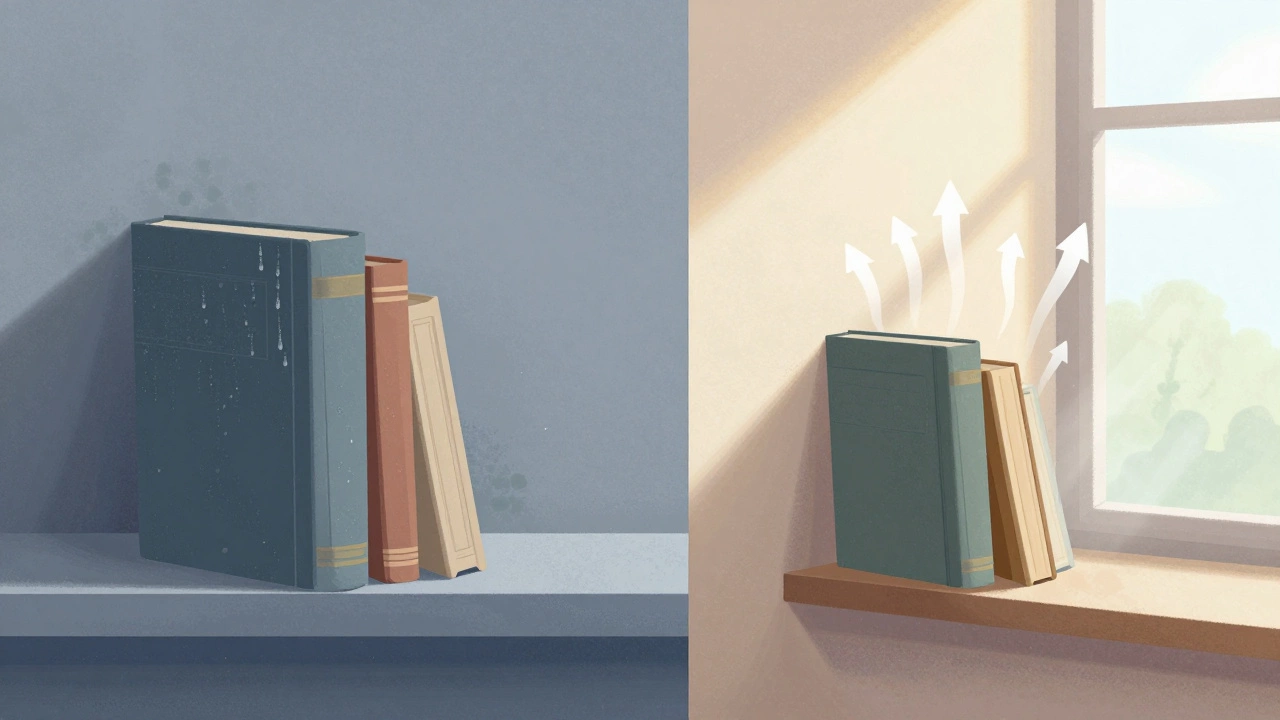
Sunlight looks romantic on a window seat lined with books-but it’s actually one of the fastest ways to fade cover art, discolor pages, and weaken bindings. Ultraviolet rays break down lignin in paper, turning crisp white pages into brittle beige within months. Even indirect sunlight contributes to long-term degradation.
If you love the aesthetic of a sunlit library nook, protect your collection. Install UV-filtering film on windows, use blackout curtains during peak hours, or rotate books regularly so no single volume gets constant exposure. Alternatively, reserve window-side shelves for coffee table books or art prints meant for display-not daily readers.
6. Above Electrical Outlets or Switch Panels
This might seem minor, but it’s a common oversight. When you mount a bookshelf too close to outlets, you block access to plugs, making charging devices frustrating. More importantly, if a cord runs behind the shelf and overheats due to trapped heat or friction, fire risk increases significantly.
Always check outlet locations before installing. Keep at least six inches of clear space around electrical fixtures. If possible, reroute wiring inside the wall cavity during renovation stages rather than retrofitting later. It saves headaches and keeps your setup clean and safe.
7. Unanchored Tall Units in Earthquake Zones
Vancouver sits in a seismically active region. Any tall, freestanding furniture-including bookshelves taller than five feet-must be secured to wall studs. Without anchoring, even moderate tremors can topple units, sending heavy books crashing onto floors below. This isn’t hypothetical; emergency services respond to these incidents regularly after aftershocks.
Use anti-tip brackets rated for your shelf’s weight capacity. Anchor them into wood studs, not just drywall anchors. Test stability by gently pushing sideways-if it wobbles, reinforce immediately. Never rely on “it feels sturdy” alone. Gravity always wins.
| Location | Risk | Solution |
|---|---|---|
| Under heaters/radiators | Paper brittleness, spine cracking | Keep ≥3 ft away; use non-paper decor |
| Uneven floors | Tilting, joint failure, sliding books | Level surface or reinforce subfloor |
| Exterior walls (cold climates) | Mold, condensation, mildew | Add 2" gap + vapor barrier |
| Narrow hallways | Collision risk, blocked passage | Leave ≥36" clearance or avoid |
| Unprotected windows | Fading, page yellowing, binding decay | UV film, rotation, or display-only use |
| Above outlets/switches | Blocked access, overheating cords | Clear 6" zone, reroute wiring internally |
| Unanchored tall units | Tipping during earthquakes | Anti-tip brackets into studs |
What About Small Spaces? Creative Alternatives
If you’re working with limited square footage, don’t force traditional bookshelves into bad spots. Instead, rethink storage:
- Ladder shelves: Lean against walls without drilling, great for lightweight collections.
- Modular cubes: Stackable, movable, and easy to reconfigure as needs change.
- Built-in niches: Utilize alcoves or recessed areas already framed in your home.
- Over-the-door organizers: Ideal for magazines, journals, or travel guides.
- Wall-mounted pegboards: Hang baskets, hooks, and small trays for flexible displays.
These options preserve functionality without compromising safety or aesthetics. They also adapt better to rental properties where permanent installations aren’t allowed.
Final Thoughts: Prioritize Preservation and Peace of Mind
Your books deserve care. Whether they’re cherished novels, rare collectibles, or textbooks you’ll revisit yearly, treating them as valuable assets means protecting them from environmental threats. Proper placement prevents costly repairs, maintains resale value, and ensures longevity.
Take ten minutes now to evaluate each potential spot. Ask yourself: Is it stable? Dry? Safe? Accessible? If any answer leans toward “no,” move on. There’s always another corner waiting-one that honors both form and function.
Can I put a bookshelf next to a radiator?
Not recommended. Heat dries out paper and weakens bindings over time. Keep at least three feet away or reserve that spot for non-book decor.
How do I stop my bookshelf from tipping over?
Secure it to wall studs using anti-tip brackets rated for its weight. Always test stability by applying gentle pressure sideways. Don’t trust appearance alone.
Is it okay to place bookshelves against exterior walls?
Only if you leave a two-inch gap for airflow and add moisture protection. Otherwise, condensation leads to mold and damaged books.
Why shouldn’t I put bookshelves in narrow hallways?
They reduce usable space, increase collision risks, and make movement difficult. Aim for minimum 36 inches of clearance on both sides.
Do sunlight-damaged books ever recover?
No. UV damage causes irreversible chemical changes in paper fibers. Prevention via UV filters or rotation is the only effective strategy.
What’s the best way to store books in small apartments?
Use modular cube systems, ladder shelves, or over-the-door racks. These maximize vertical space without requiring major renovations.
Should I anchor short bookshelves too?
Yes, if they’re wide or top-heavy. Even shorter units can tip if loaded improperly or subjected to sudden impacts. Err on the side of caution.
Can I fix a tilted bookshelf myself?
Sometimes. Shim the bottom legs with cardboard or rubber pads to level it temporarily. For lasting fixes, address underlying floor issues or replace damaged components.
Are built-in bookshelves safer than freestanding ones?
Generally yes-they’re structurally integrated into walls. However, ensure proper ventilation and avoid enclosing them tightly against uninsulated exteriors.
How often should I rotate books to prevent fading?
Every 3-6 months, depending on sunlight intensity. Rotate front-to-back rows and swap positions seasonally for even exposure distribution.