Brown Furniture Styling & Trend Checker
Select a wood type below to see its trend status for 2026, best use cases, and specific styling tips to avoid looking dated.
Wood Name
StatusBest Use Case
Use case description goes here.
Styling Tip
Styling tip goes here.
Select a wood type above to start
Walk into any high-end showroom or scroll through the latest Pinterest boards today, and you’ll notice something distinct. The stark, cold minimalism that dominated the last decade is thawing out. In its place? Rich, deep brown furniture. If you’ve been staring at your dusty oak sideboard wondering if it’s time to paint it white again, hold off. The pendulum has swung back, but this isn’t the heavy, dated mahogany of your grandmother’s parlor. It’s a sophisticated, warm revival that prioritizes texture and natural grain over uniformity.
This shift isn’t just a fleeting aesthetic whim; it’s a reaction to years of gray-washed everything. People are craving warmth and grounding in their living spaces. As we move deeper into the mid-2020s, the question isn't really "is brown coming back?"-it already has. The real challenge is figuring out how to integrate these darker, warmer tones without making your room look like a 1990s library. Let’s break down why this trend is sticking around and how you can pull it off with confidence.
The Death of the "Greige" Era
For about ten years, the design world was obsessed with neutralizing color. We painted walls beige-gray, bought furniture in light oak or whitewash, and used metal accents to keep things feeling airy. While clean, this approach often left homes feeling sterile and emotionally flat. The turning point began subtly during the pandemic when people started seeking comfort over perfection. Softness became a priority. By 2024, the desire for "nesting" had evolved into a preference for materials that feel alive rather than manufactured.
Brown furniture represents this return to organic authenticity. Unlike painted finishes, natural wood ages gracefully, telling a story through scratches and patina. This aligns perfectly with the current consumer mindset, which values sustainability and longevity. Buying a solid walnut dresser that will last fifty years feels more responsible than purchasing a particle-board unit destined for a landfill in five. The emotional weight of brown-its association with earth, stability, and history-resonates deeply right now.
Distinguishing Dated from Timeless
Not all brown furniture is created equal. The key to mastering this trend lies in understanding the difference between "dated" and "timeless." Dated brown usually refers to the overly red-toned cherry woods or heavily lacquered, glossy finishes that were popular in the late 80s and early 90s. These pieces often feel heavy because they lack visual variety and reflect light harshly.
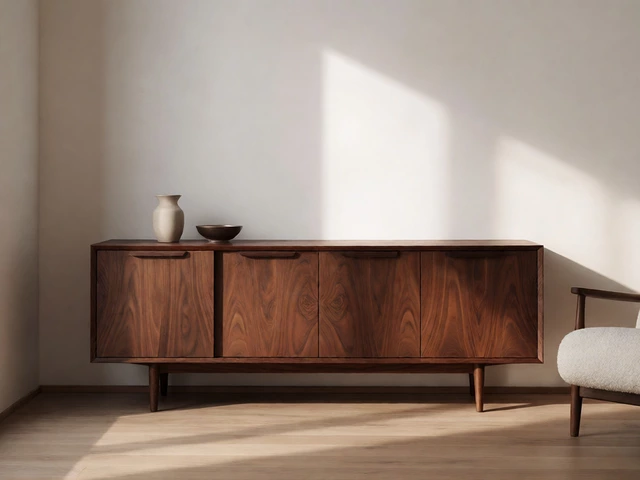
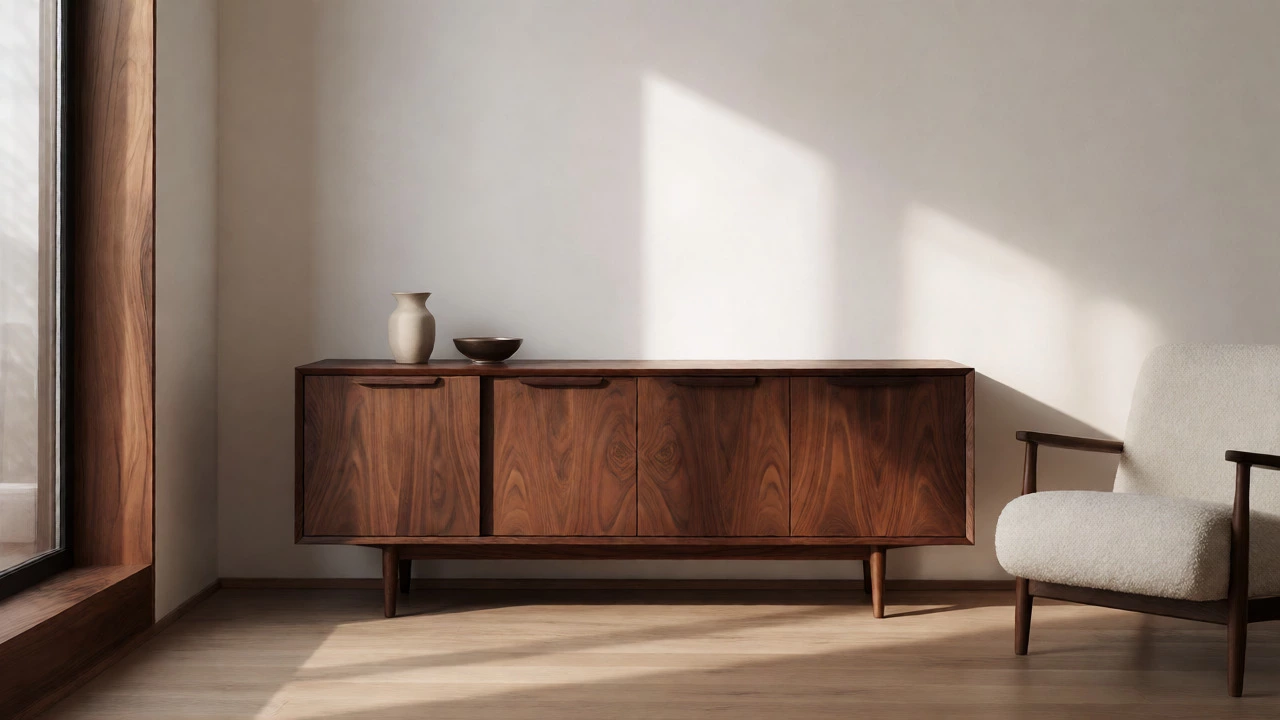
Timeless brown, on the other hand, focuses on depth and matte textures. Think Walnut, a premium hardwood known for its rich, chocolatey tones and straight grain, which has seen a massive resurgence in modern mid-century designs. Walnut is currently the darling of the design world because it bridges the gap between traditional warmth and modern sleekness. It doesn’t scream for attention; it anchors the room. Other winners include Teak, known for its golden-brown hues and durability, and reclaimed Oak, which offers character through knots and weathering.
| Wood Type | Trend Status (2026) | Best Use Case | Styling Tip |
|---|---|---|---|
| Walnut | Highly Trending | Focal points (consoles, beds) | Pair with cream boucle or linen |
| Teak | Trending (Mid-Century Revival) | Dining sets, outdoor lounge | Add brass accents for contrast |
| Cherry (Red-toned) | Use with Caution | Traditional bedrooms | Mix with cooler grays to balance warmth |
| Light Oak | Declining | Scandinavian minimalism | Often looks washed out next to dark walls |
| Reclaimed Barnwood | Steady Popularity | Rustic modern shelves, tables | Keep lines simple to avoid clutter |
How to Style Brown Without Looking Heavy
The biggest fear homeowners have with brown furniture is that it will make their space feel small or cave-like. This happens when you surround dark wood with dark walls and heavy fabrics. The solution is contrast and layering. You don’t need to throw away your existing pieces; you just need to change the context.
Start by looking at your walls. If you’re committed to brown furniture, consider painting the walls a soft, warm white or a very pale sage green. These colors reflect light while complementing the yellow and orange undertones in the wood. Avoid cool, blue-grays unless you want a specific industrial vibe, as they can clash with the warmth of the wood, creating a muddy visual effect.
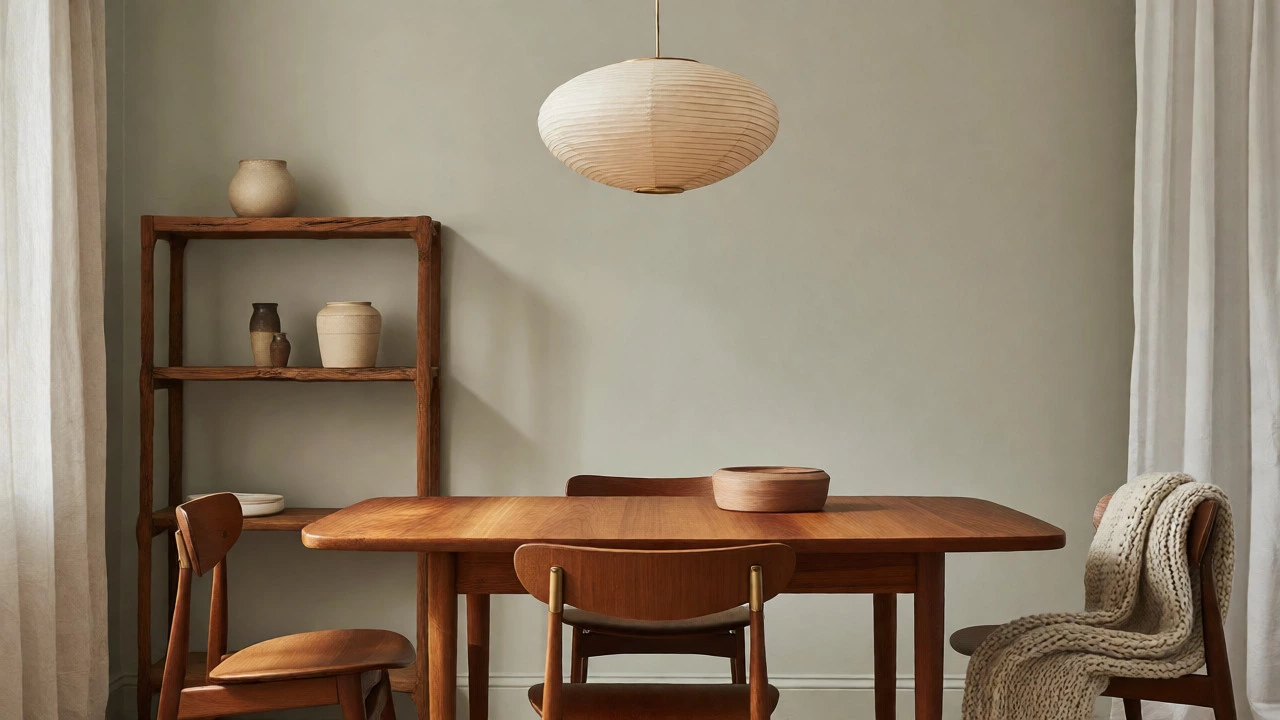
Next, focus on textiles. Mix in plenty of light-colored fabrics. Cream wool rugs, linen curtains, and leather upholstery in tan or cognac help break up the visual weight of a large wooden sofa or dining table. Texture is your best friend here. A smooth walnut table looks less imposing when paired with a chunky knit throw and a nubby jute rug. The interplay of rough and smooth surfaces keeps the eye moving and prevents the room from feeling static.
Buying Smart: Where to Find Quality Brown Pieces
If you’re shopping for new furniture, movable objects designed to support various human activities such as seating, eating, and sleeping, be wary of veneers that try too hard to mimic solid wood. Cheap laminates often have repetitive patterns that look fake under close inspection. Look for solid wood construction where possible, especially for high-use items like dining tables and bed frames.
However, buying solid wood can be expensive. A smart strategy is to mix high and low. Invest in one or two statement pieces made of solid walnut or teak-perhaps a coffee table or a credenza-and fill the rest of the room with well-made veneer pieces or second-hand finds. Thrift stores and estate sales are goldmines for brown furniture. Many pieces from the 1960s and 70s were built to last and feature exactly the kind of warm tones that are currently in vogue. With a little sanding and oiling, an old teak sideboard can look better than a brand-new, mass-produced alternative.
The Role of Lighting in Enhancing Brown Tones
You cannot talk about brown furniture without talking about lighting. Dark wood absorbs light, so poor lighting choices can make it look black or muddy. Natural light is ideal, but since we live in places like Vancouver where winters are long and gloomy, artificial lighting becomes critical.
Aim for layered lighting. Use ambient ceiling lights with dimmers so you can control the intensity. Add task lighting, like floor lamps with fabric shades, near seating areas. Crucially, choose bulbs with a color temperature between 2700K and 3000K. This warm white spectrum enhances the reddish and golden hues in the wood, making it glow rather than dull. Avoid cool daylight bulbs (5000K+) in rooms with brown furniture, as they strip away the warmth and emphasize the grain in a way that can feel clinical.
Common Mistakes to Avoid
Even with good intentions, it’s easy to go wrong. One common mistake is using too many different wood tones. While mixing woods is acceptable, doing it randomly creates chaos. Stick to a palette of two or three tones. For example, pair dark walnut with medium oak, or stick entirely to one tone but vary the finish (matte vs. satin).
Another pitfall is ignoring scale. Large, blocky brown furniture can overwhelm smaller rooms. If you have limited square footage, opt for leggy pieces. A sofa raised on thin wooden legs allows light to pass underneath, creating a sense of openness. Similarly, glass-top tables with wooden bases offer the warmth of brown without the visual bulk of a solid top.
Future-Proofing Your Choice
Trends come and go, but brown furniture has survived every major design shift of the last century for a reason. It connects us to nature. Whether you prefer the sleek lines of mid-century modern or the robust feel of farmhouse style, brown wood adapts. By choosing quality pieces with timeless silhouettes, you’re not just buying a chair; you’re investing in a foundation for your home that won’t need replacing when the next fad arrives.
So, is brown furniture coming back? It never really left-it was just waiting for us to appreciate it again. Embrace the warmth, play with textures, and let your home feel grounded. Your future self, tired of scrubbing white sofas and repainting gray walls, will thank you.
Does brown furniture make a room look smaller?
It can, if not styled correctly. To prevent this, ensure you have ample lighting, use light-colored walls, and choose furniture with exposed legs to allow light to flow underneath. Mirrors placed opposite windows also help bounce light around dark wood pieces.
What wall colors go best with brown furniture?
Warm whites, creamy beiges, soft sage greens, and terracotta are excellent choices. These colors complement the natural undertones in the wood. Avoid cool, blue-based grays unless you are intentionally creating a high-contrast industrial look.
How do I care for vintage brown wood furniture?
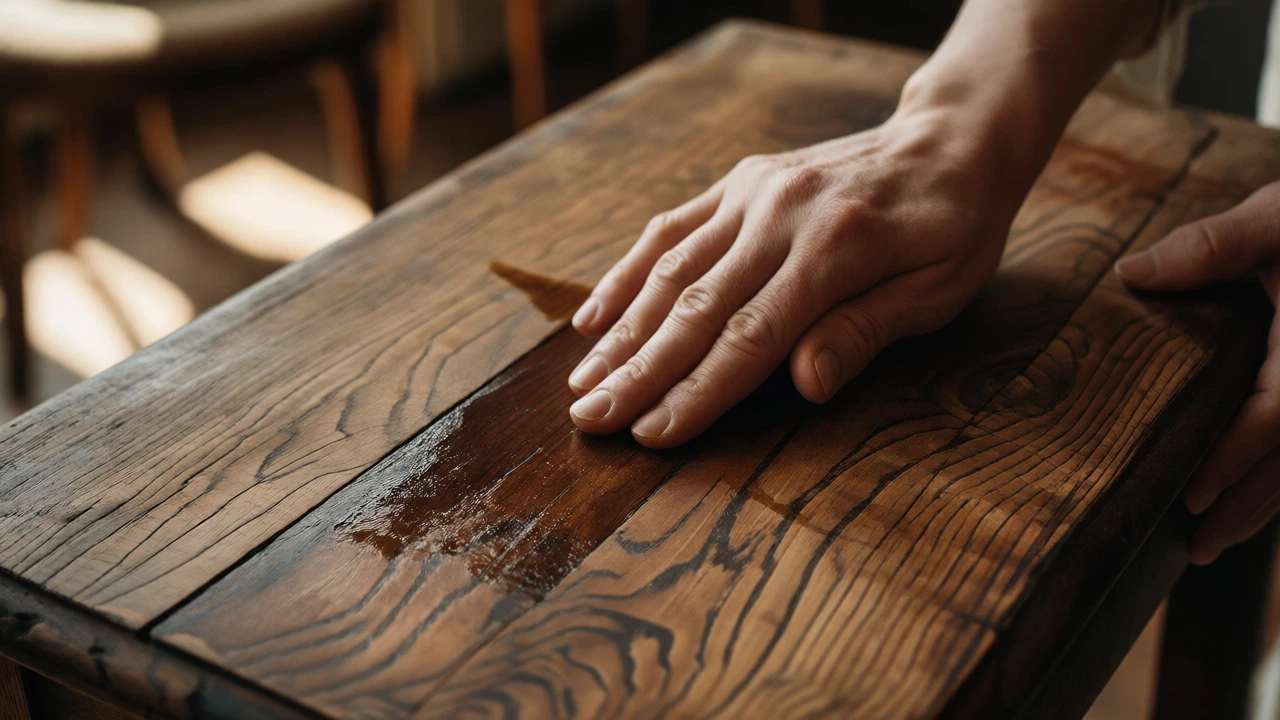
Dust regularly with a microfiber cloth to avoid scratching. Every six months, apply a high-quality wood conditioner or beeswax polish to nourish the grain and maintain the luster. Keep the furniture out of direct sunlight to prevent fading and warping.
Is walnut furniture expensive?
Solid walnut is generally more expensive than oak or pine due to its density and slow growth rate. However, you can find affordable options by looking for veneer pieces, buying second-hand, or choosing smaller accent items like nightstands instead of full wardrobes.
Can I mix brown furniture with black accents?
Yes, this is a very popular contemporary combination. Black adds sharpness and definition to the softness of brown wood. Use black sparingly in hardware, lighting fixtures, or picture frames to create a balanced, modern look.