American Home Storage Terminology Quiz
Are you confused by the difference between a closet, a wardrobe, and an armoire? In the US, these terms have very specific meanings. Take this quick quiz to master American home terminology so you can shop and communicate like a local.
Quiz Complete!
Your Score: 0/0
You are now ready to navigate American home goods stores.
You walk into a friend's house in Ohio and ask, "Where do you keep your coats?" They point to a built-in space with hanging rods and shelves and say, "In the closet." You nod, but then you remember your cousin in London calling the same thing a "wardrobe." It’s confusing. Are they different things? Or is it just a language barrier?
Here is the short answer: In the United States, people overwhelmingly use the word closet. A closet is a small room or recessed space used for storage, typically found within a bedroom or hallway. The word wardrobe exists in American English, but it usually refers to a freestanding piece of furniture, not the architectural feature built into the wall.
If you are moving to the US, shopping for home goods online, or just trying to sound like a local, getting this distinction right matters. Using the wrong term can lead to buying the wrong product or misunderstanding real estate listings. Let’s break down exactly how Americans use these words, where the confusion comes from, and what you should actually search for when you need more storage.
The Core Difference: Architecture vs. Furniture
The biggest mistake non-Americans make is assuming "closet" and "wardrobe" are synonyms for the same object. In American usage, they describe two completely different categories of storage solutions.
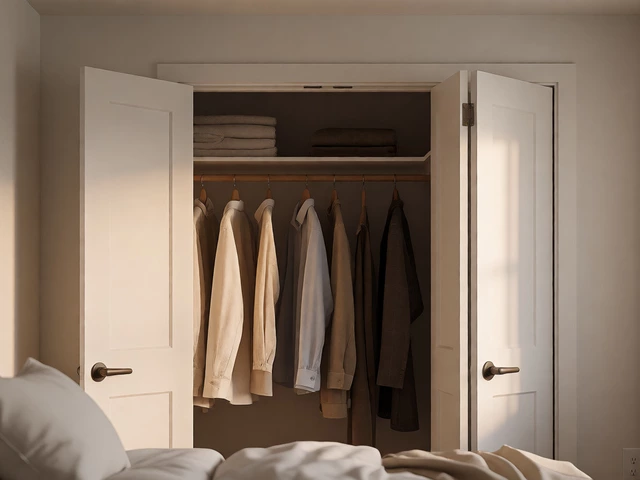
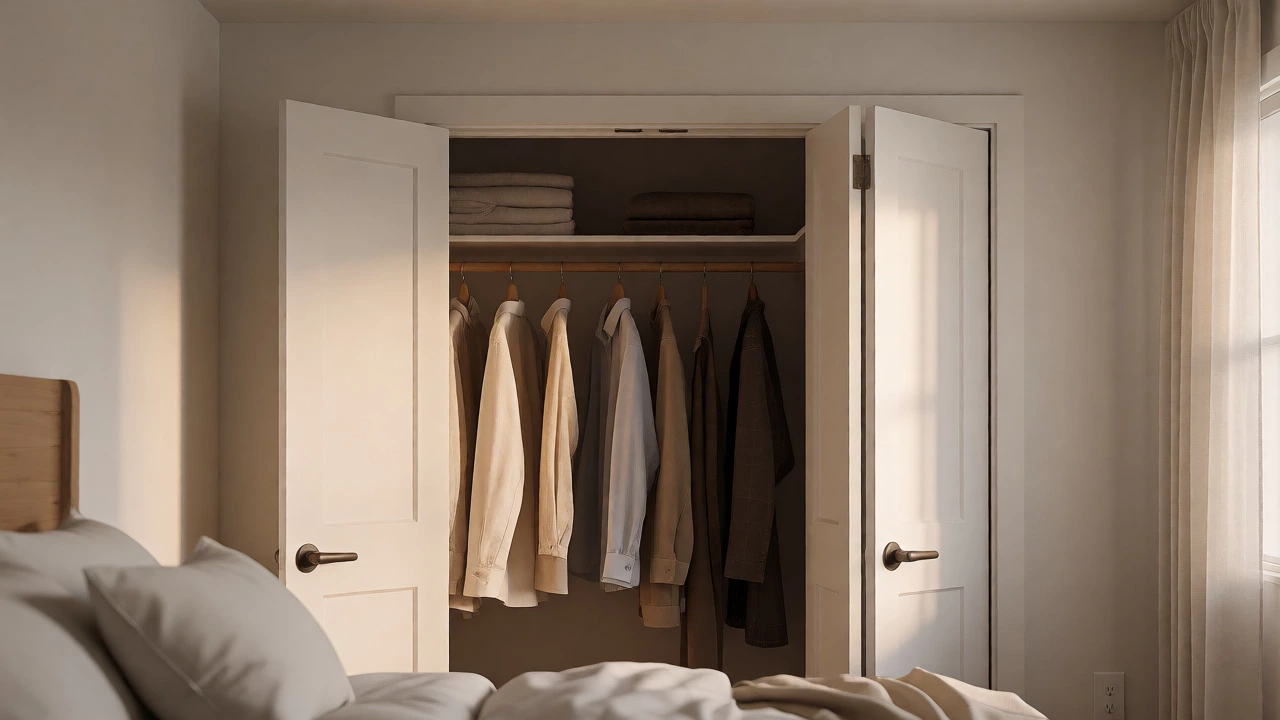
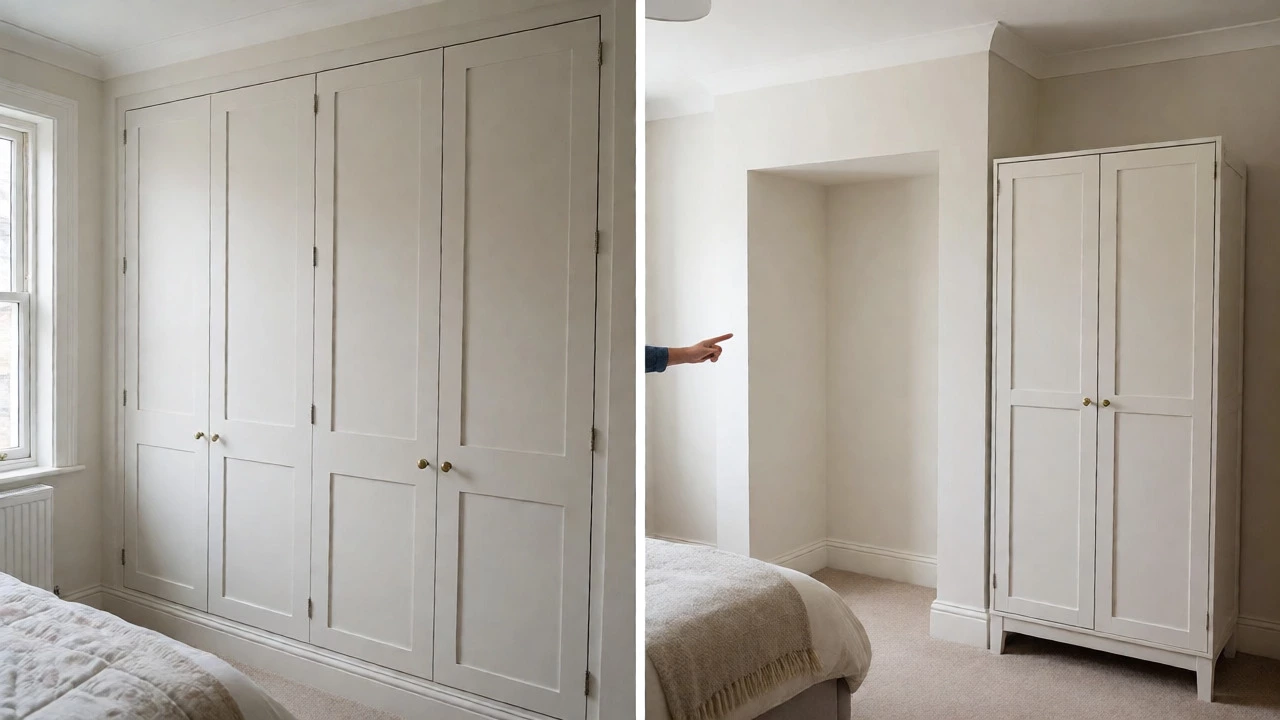
A closet is part of the building. It is framed by the walls of the house. When you buy a house in Texas or California, the closets come with the property. You cannot take them with you if you move. These spaces often have doors (sliding, bi-fold, or hinged) and internal fixtures like rods, shelves, and drawers. There are specific types of closets in American homes:
- Walk-in closet: Large enough for a person to enter. Common in master bedrooms.
- Reach-in closet: A shallow closet where you stand outside to access contents. Standard in most secondary bedrooms.
- Linen closet: A narrow reach-in closet specifically for towels and bedding, usually in hallways.
- Coat closet: A small entryway closet for outerwear.
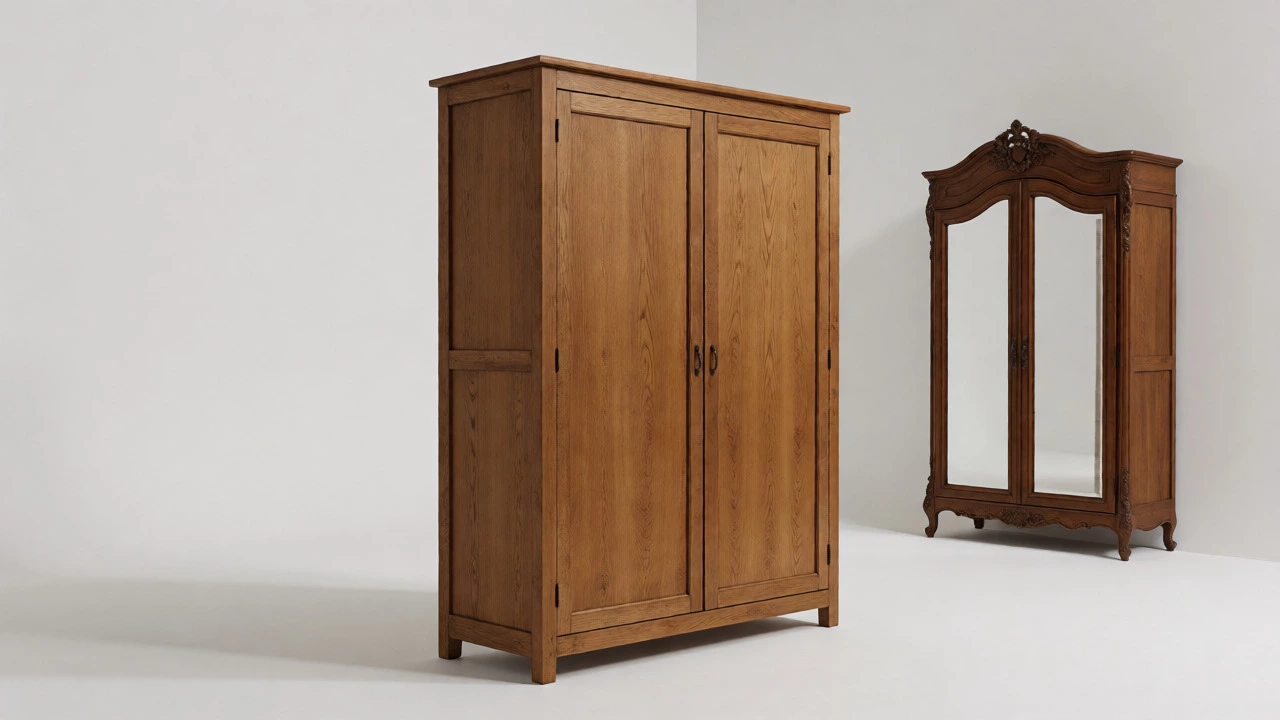
A wardrobe, in the American context, is a piece of furniture. It stands on the floor. It has its own back panel, sides, top, and bottom. If you sell your house, you take the wardrobe with you. Americans rarely use the word "wardrobe" to describe a built-in space. If an American says, "I bought a new wardrobe," they mean they purchased a large cabinet from a store like IKEA or Wayfair, not that they renovated their bedroom.
Why the Confusion Exists
This linguistic divide stems from historical differences between British English and American English. In the UK, Australia, and New Zealand, "wardrobe" is the standard term for any space or cabinet used to hang clothes. A built-in cupboard in a bedroom is called a "fitted wardrobe." A free-standing one is a "freestanding wardrobe." The word "closet" in British English historically referred to a private room or water closet (toilet), though this usage has faded.
In the US, the term "closet" became dominant due to housing construction trends in the mid-20th century. As suburban homes were built with dedicated storage niches, builders marketed these as "closets." The furniture industry kept the term "wardrobe" for standalone cabinets, but it never gained traction for built-ins. This creates a trap for international shoppers. If you search Amazon.com for "bedroom wardrobe," you will get results for freestanding cabinets. If you want to organize a built-in space, you need to search for "closet organizers" or "closet systems."
What Americans Actually Buy
When Americans talk about storing clothes, they don't just say "put it away." They specify the method. Understanding these terms helps you shop effectively.
| Term | Definition | Typical Location | US Usage Frequency |
|---|---|---|---|
| Closet | Built-in architectural storage space | Bedrooms, Hallways, Entryways | Very High |
| Armoire | Large, decorative freestanding wardrobe | Bedrooms, Living Rooms | Moderate |
| Wardrobe | Freestanding clothing cabinet | Bedrooms, Studios | Low-Moderate |
| Dresser | Cabinet with drawers for folded clothes | Bedrooms | Very High |
| Chest of Drawers | Tall unit with multiple drawers | Bedrooms | High |
Notice the term armoire. This is a specific type of wardrobe that Americans recognize. An armoire is usually ornate, made of wood, and often features mirrored doors. It is considered a statement piece. If you buy a simple particleboard cabinet from a big-box store, Americans call it a "wardrobe" or a "clothing cabinet," not an armoire. Armoires are expensive and heavy. Wardrobes are practical and portable.
Also, note the distinction between hanging and folding. Americans rely heavily on dressers for folded items like t-shirts, socks, and underwear. Closets are primarily for hanging items like shirts, jackets, and dresses. If you try to put all your clothes in a closet without drawers, you might struggle unless you add shelf dividers or bins.
Regional Nuances Within the US
Is everyone in America saying "closet"? Mostly, yes. But there are regional quirks. In the South, you might hear "cupboard" used interchangeably with closet in older generations, though this is rare now. In some rural areas, a large freestanding cabinet might still be called a "press" or "press bureau," but this is archaic.
However, real estate listings offer a clue. If you look at Zillow or Redfin listings across the country, you will see phrases like "walk-in closet," "double closet," or "linen closet." You will almost never see "built-in wardrobe." Conversely, furniture retailers like Pottery Barn or Crate & Barrel use the word "wardrobe" extensively because they sell freestanding units. So, the rule of thumb is: If it’s attached to the wall, it’s a closet. If it’s standing on legs, it’s a wardrobe or armoire.
How to Shop Like a Local
If you are setting up a home in the US, here is how to navigate the market without making terminology errors.
- For Built-in Spaces: Search for "closet organizers," "shelf brackets," or "custom closet systems." Brands like California Closets dominate this high-end market. For budget options, look at Rubbermaid or Elfa systems at Home Depot.
- For Freestanding Storage: Search for "wardrobe cabinet" or "clothing rack." If you want something fancy, search for "armoire." Avoid searching for "built-in wardrobe"-you will find few results.
- For Folded Clothes: Buy a "dresser" or "chest of drawers." Do not expect your closet to have deep drawers unless it was custom-built.
- For Shoes: Look for "shoe racks" or "over-the-door shoe organizers." Americans rarely store shoes inside wardrobes; they prefer open racks near the closet entrance.
One common pitfall: Americans love "closet systems" that replace the standard rod and shelf setup. These involve customizable shelving, pull-out baskets, and specialized hangers. If you rent an apartment, you can install tension rods and freestanding shelves, but permanent modifications require landlord approval. Always check your lease before drilling into the "closet" walls.
Related Concepts: Pantry, Cupboard, Cabinet
To fully understand American home terminology, you must distinguish closets from other storage spaces. This prevents embarrassment in the kitchen.
- Pantry: A small room or cabinet in the kitchen for food storage. Never call a pantry a closet.
- Cupboard: Often used for kitchen cabinets with doors. Some people say "kitchen cupboards," but "cabinets" is more common.
- Cabinet: General term for enclosed storage boxes, usually mounted on walls or under counters.
The word "closet" is strictly reserved for personal items: clothes, linens, tools, and coats. If you store pasta in a "closet," Americans will think you mean a coat closet, which would be strange. Keep the domains separate.
Frequently Asked Questions
Do Americans ever use the word wardrobe?
Yes, but only for freestanding furniture. Americans buy "wardrobes" from furniture stores. They do not refer to the built-in space in their bedroom as a wardrobe. If you say "my wardrobe," an American will picture a large wooden cabinet, not a hole in the wall.
What is the difference between a closet and a cupboard?
In American English, a closet is for clothes and personal items, while a cupboard is typically for dishes or food in the kitchen. However, some older Americans might use "cupboard" loosely for any storage cabinet, but "closet" remains the specific term for bedroom storage spaces.
Is an armoire the same as a wardrobe?
An armoire is a specific style of wardrobe. It is usually larger, more decorative, and often made of solid wood with intricate details. A standard wardrobe can be simple and made of particleboard. All armoires are wardrobes, but not all wardrobes are armoires.
Can I convert a closet into a wardrobe?
No, because a closet is part of the architecture. You can add a freestanding wardrobe inside a closet if it fits, but you cannot remove the closet structure. If you want to change the look, you can install custom closet systems or paint the interior, but it remains a closet.
Why do British people say wardrobe instead of closet?
Linguistic history. In British English, "wardrobe" evolved to cover both built-in and freestanding clothing storage. "Closet" remained associated with smaller private rooms or toilets. American English diverged during colonization and industrialization, adopting "closet" for the architectural niche created in suburban homes.