Timeless Design Scorecard
Assess your current space or planned renovation using the key principles of enduring interior design. Answer honestly for an accurate "Timelessness Score."
Answer the questions on the left to receive your personalized Timelessness Score and advice.
Ever walked into a house and felt an immediate sense of calm, as if the space had been waiting for you? That’s not magic; it’s timeless interior design. It is the art of creating spaces that remain relevant and beautiful regardless of fleeting trends. You don’t need a massive budget or a degree from Parsons to achieve this look. You just need to understand what makes certain elements survive while others fade.
Most people mistake "timeless" for "boring." They think it means beige walls and nothing else. But true timelessness is about balance. It’s about choosing pieces that tell a story rather than pieces that shout for attention. If you’re tired of updating your living room every three years because some influencer said terracotta is out, you’re in the right place. Let’s break down how to build a home that feels current today and still looks great in twenty years.
The Foundation: Neutral Palettes with Depth
Color is the first thing people notice, so get it right. The biggest mistake homeowners make is chasing the "color of the year." Remember when everyone painted their kitchens sage green? Or those bright orange bathrooms from the early 2000s? Those colors dated instantly. Instead, stick to a neutral base. But here’s the catch: neutral doesn’t mean flat white.
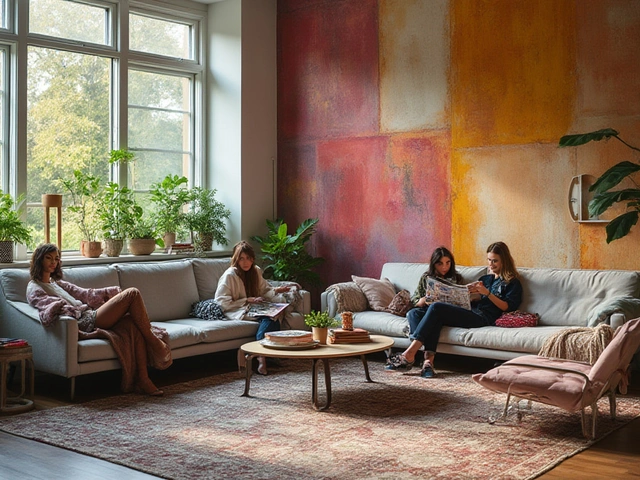
You want warmth. Use shades like cream, taupe, warm gray, or soft ivory. These colors reflect light naturally and create a backdrop that allows other elements to shine. If you crave color, introduce it through accessories-throw pillows, rugs, or artwork-that are easy to swap out. This way, when the trend cycle shifts (and it always does), you change a $50 pillow cover instead of repainting four walls.
| Element | Timeless Choice | Trendy Risk |
|---|---|---|
| Walls | Warm White, Greige, Soft Gray | Bold Accent Walls, Neon Hues |
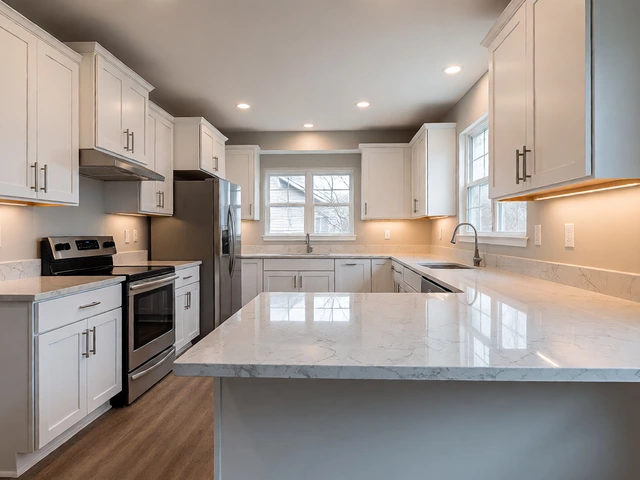
| Cabinets | White, Navy, Natural Wood | All-Black, High-Gloss Colors |
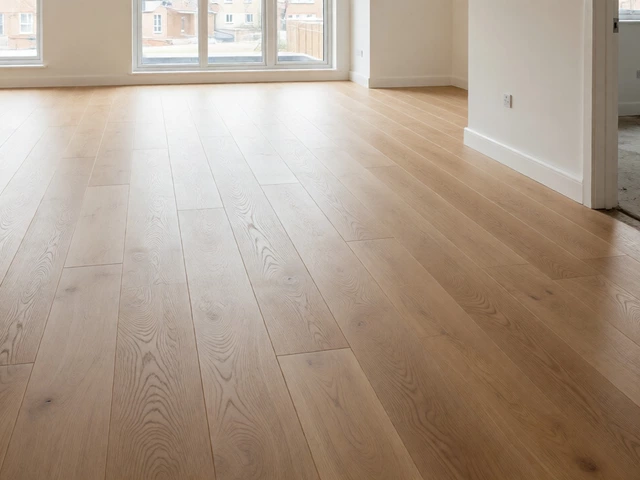
| Flooring | Hardwood, Natural Stone | Patterned Tile, Dark Stains |
Quality Over Quantity: Invest in Materials That Age Well
There’s a saying in design circles: buy nice or buy twice. This is especially true for large items. Cheap furniture often looks cheap within a year. Fabric pills, wood veneer peels, and metal finishes tarnish unevenly. To make your house look timeless, you need materials that develop character over time.
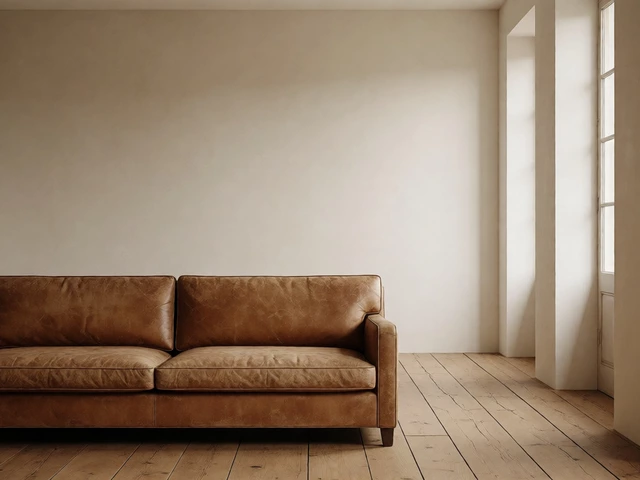
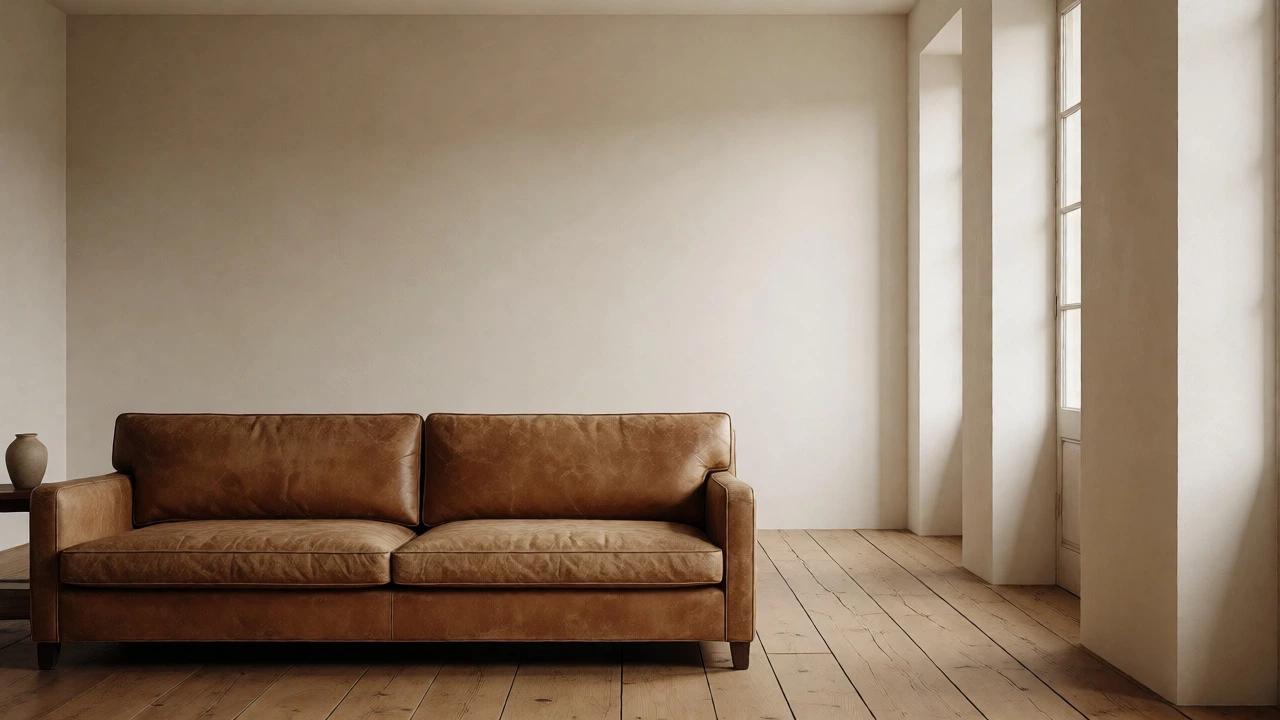
Think about leather sofas. A high-quality leather couch might cost more upfront, but ten years later, it looks better than the day you bought it. The scratches and patina add history. Compare that to a microfiber sofa that collects dust and loses its shape. Similarly, solid wood tables resist warping and can be refinished if they get scratched. Metal fixtures in brass, copper, or brushed nickel tend to age gracefully compared to chrome, which shows water spots and fingerprints relentlessly.
When you shop, touch everything. Run your hand along the edge of a table. Sit on the chair for five minutes. Does it feel substantial? Does the fabric feel dense? If it feels flimsy now, it will feel worse later. Prioritize craftsmanship over brand names. A well-made piece from a local carpenter often beats a mass-produced item from a big-box store.
Balance Old and New
A completely modern room can feel sterile. A completely antique room can feel like a museum. The sweet spot lies in mixing them. This contrast creates visual interest and prevents your home from looking like a catalog page. Start with one era as your dominant theme, then bring in pieces from another.
For example, pair a sleek, modern sectional sofa with a vintage wooden coffee table. Or hang contemporary abstract art above an ornate, traditional fireplace mantel. This juxtaposition keeps the eye moving and suggests that the homeowner has collected these items over time, rather than buying them all in one weekend sale.
Don’t worry about matching sets. Matching dining chairs and identical side tables can look rigid. Mix different styles of chairs around a single table. Combine different metals in your lighting and hardware. Gold lamps next to silver picture frames? Absolutely. As long as there’s a unifying element-like similar shapes or complementary colors-it works.
Lighting: The Invisible Architect
Bad lighting ruins good design. Harsh overhead lights flatten a room and cast unflattering shadows. Timeless homes rely on layered lighting. Think of it in three tiers:
- Ambient Lighting: General illumination. Recessed lights or a central chandelier work here, but keep them dimmable.
- Task Lighting: Focused light for reading or cooking. Floor lamps by chairs or under-cabinet kitchen lights fit this role.
- Accent Lighting: Highlights specific features. Picture lights or small spotlights on plants add depth.
Avoid trendy lighting fixtures that look like sculptures. While they grab attention on Instagram, they often clash with future decor changes. Opt for simple, clean lines. A black iron floor lamp or a white ceramic table lamp will never go out of style. If you love a unique fixture, use it sparingly as a focal point, but ensure the rest of the lighting remains understated.
Symmetry and Proportion
Humans are wired to find symmetry pleasing. It creates a sense of order and calm. You don’t need perfect mirror images, but balanced arrangements help. Place two identical lamps on either side of a sofa. Center artwork above a console table. Symmetry grounds a space and makes it feel intentional.
Proportion matters just as much. Large furniture in a small room feels cramped. Tiny rugs under huge beds look lost. Measure before you buy. Ensure pathways are at least 30 inches wide for comfortable movement. Scale your art to the wall space; a tiny print on a vast blank wall looks accidental, not minimalist.
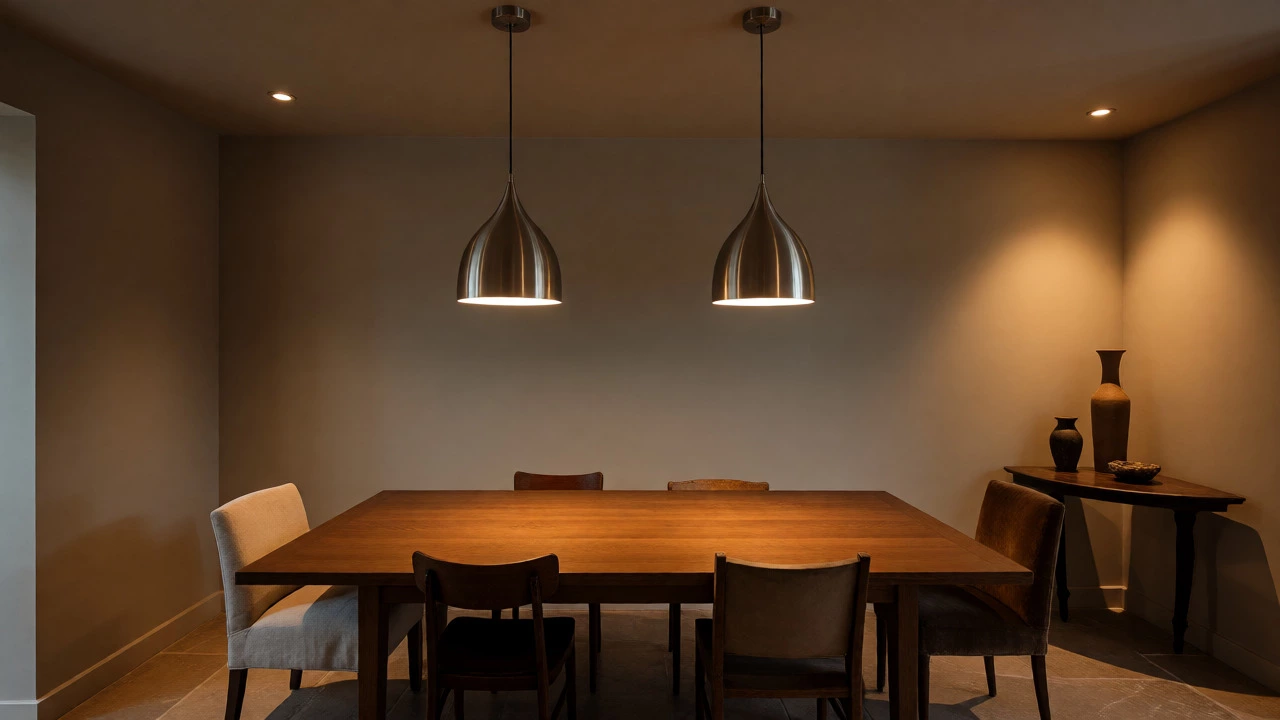
Curate, Don’t Clutter
Timeless spaces breathe. They aren’t stuffed with every souvenir you’ve ever bought. Edit your belongings ruthlessly. Keep items that have personal meaning or genuine beauty. If it’s just filler, let it go.
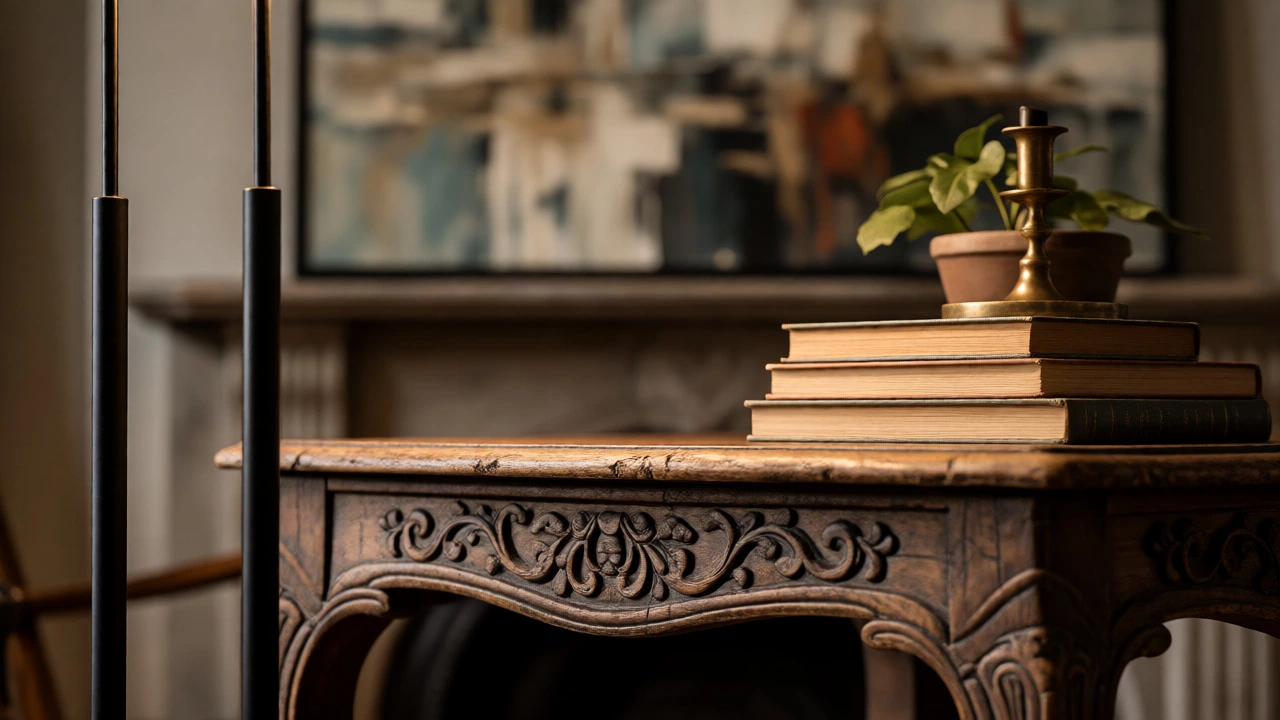
Use shelves and surfaces strategically. Group items in odd numbers-three or five objects together look more natural than even pairs. Vary heights and textures. A stack of books topped with a small plant and a candle creates a mini vignette that draws the eye without overwhelming it.
Remember, less isn’t always more; it’s just enough. The goal is to create a home that reflects who you are, not who Pinterest says you should be. Trends come and go, but comfort, quality, and thoughtful composition stay forever.
Frequently Asked Questions
Is grey paint timeless?
Grey can be timeless, but only if it has warm undertones. Cool, blue-based greys tend to feel industrial and dated quickly. Warm greys, often called "greige," blend the sophistication of grey with the warmth of beige, making them far more enduring and versatile for various lighting conditions.
Can I use bold colors in a timeless home?
Absolutely. The key is placement. Keep bold colors in easily changeable items like cushions, throws, vases, or artwork. Avoid using bold hues on permanent structures like cabinets, flooring, or large upholstery unless it’s a classic shade like navy or forest green. This allows you to refresh the look without major renovations.
What is the most important rule for timeless design?
Functionality combined with simplicity. If a piece of furniture is uncomfortable or difficult to maintain, it won’t feel timeless no matter how beautiful it looks. Prioritize ergonomics and durability. A simple, well-made chair that supports your back will always outlast a complicated, trendy piece that hurts to sit in.
Do open shelving concepts stand the test of time?
Open shelving is controversial. While it adds openness, it requires constant tidying to avoid looking cluttered. For true timelessness, closed cabinetry is safer because it hides mess. If you prefer open shelves, limit them to display areas with curated items rather than everyday dishes, ensuring the space remains visually calm.
How do I update a room without losing its timeless feel?
Change the soft goods. Swap out curtains, rugs, and throw pillows seasonally. Update hardware on cabinets and drawers. Add fresh greenery or flowers. These small changes inject freshness and personality without altering the core architecture or major furniture pieces that define the room’s enduring style.