Home Renovation ROI Calculator
Select a project type and enter your estimated budget to see potential resale value gains.
Kitchen Updates
High impact, moderate cost. Best for visual upgrades without moving walls.
Bathroom Remodel
Second biggest money maker. Focus on fixtures, lighting, and water efficiency.
Curb Appeal
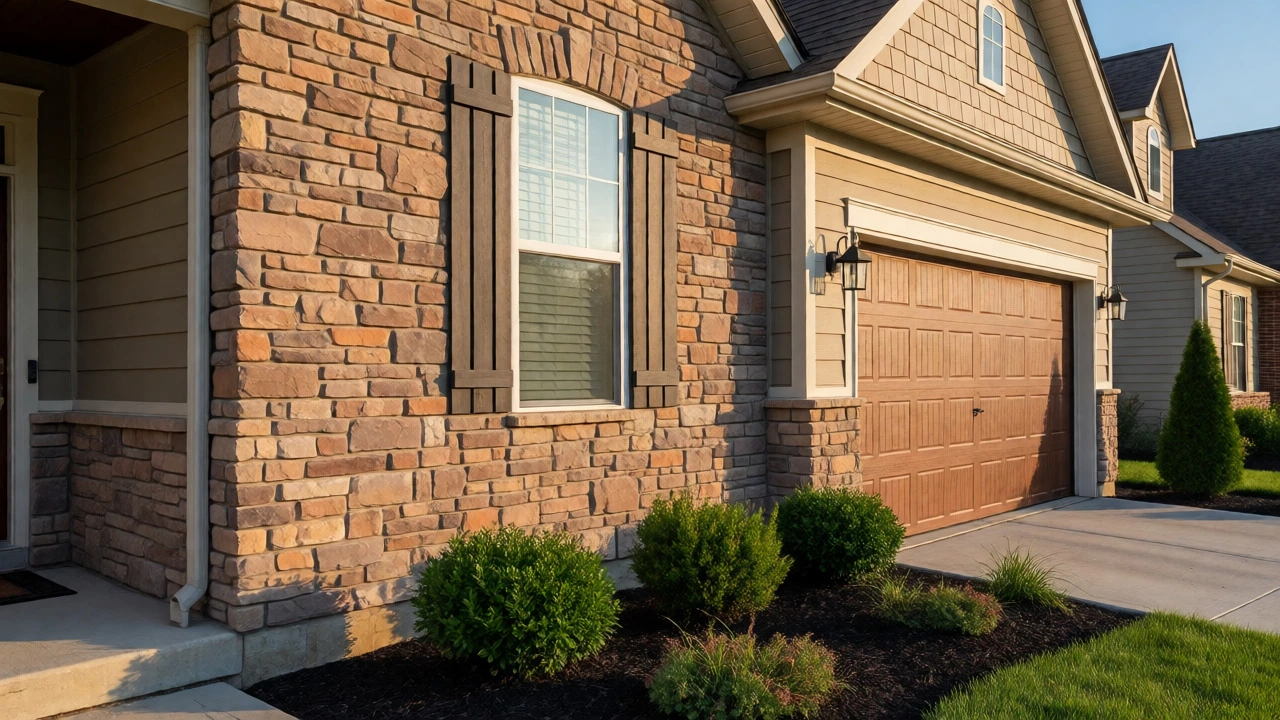
First impressions matter. Stone veneer, paint, or garage doors often yield high returns.
Basement Finish
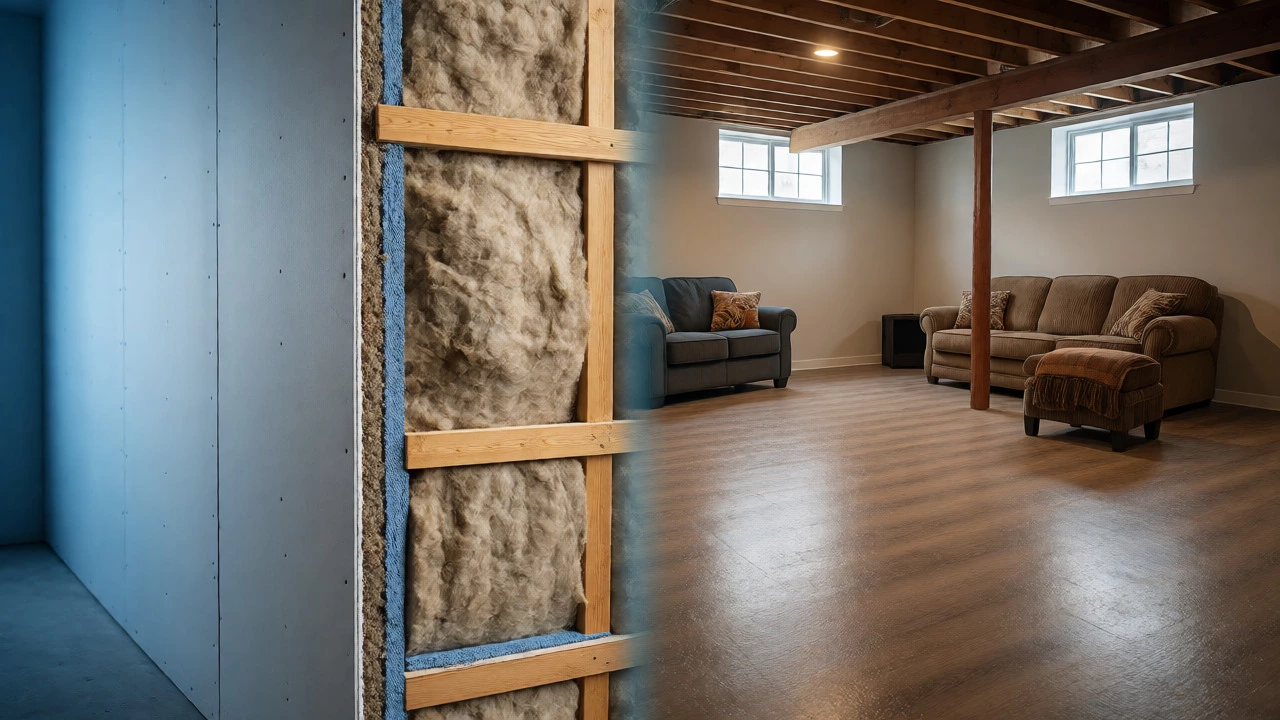
Adds usable square footage. Ensure moisture control and legal compliance.
Energy Efficiency
Insulation, HVAC, or windows. Lowers bills and attracts eco-conscious buyers.
Open Floor Plan
Removing non-load-bearing walls. Improves flow but requires structural checks.
How to Interpret Results
ROI percentages are estimates based on national averages from 2025-2026 data. Local markets, property condition, and execution quality significantly affect actual returns. Always consult with local real estate professionals before major renovations.
You’re staring at a pile of quotes. One says "gut the kitchen," another whispers "fix the roof," and a third suggests you can live with the outdated basement for now. It’s tempting to just pick the room that annoys you the most or the one your spouse has been nagging about for years. But here’s the cold, hard truth: not all renovations pay off equally. Some projects vanish into thin air when it’s time to sell, while others put serious cash back in your pocket.
Living in Vancouver, I’ve seen this play out on every street corner. You might think adding a massive sunroom is the ticket, but if it clashes with the neighborhood aesthetic, you’ll lose money. The goal isn’t just to make your home nicer for you; it’s to make it more valuable for the next buyer. So, what actually moves the needle? Let’s break down the renovations that consistently deliver the highest return on investment, based on real-world data and contractor insights from 2025 and 2026.
The Kitchen Remodel: Still King, But With Caveats
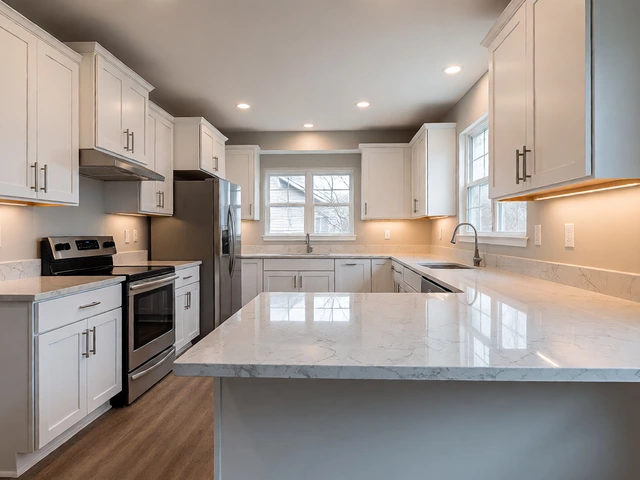
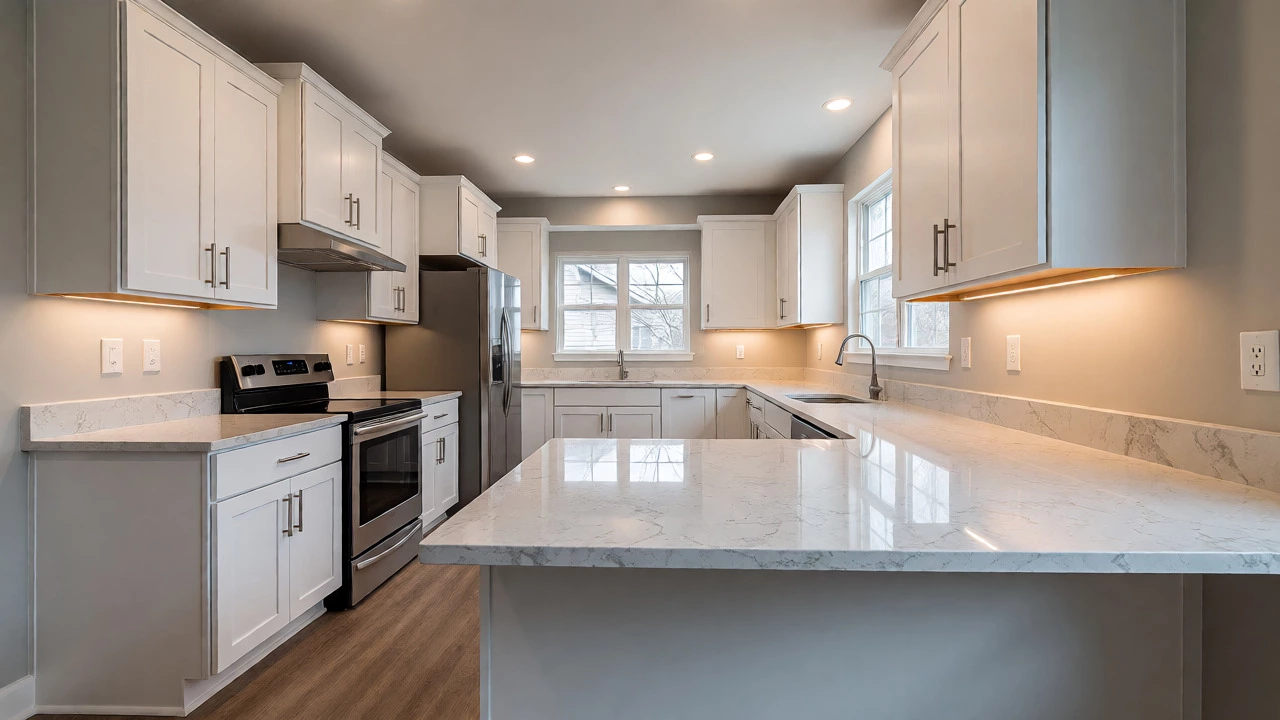
Ask any real estate agent, and they’ll tell you the same thing: kitchens sell homes. It’s the heart of the house, the place where guests gather, and often the first thing potential buyers scrutinize. According to the annual Cost vs. Value report by Remodeling Magazine, minor kitchen remodels typically recoup around 85% of their cost upon resale. That’s huge. A major upscale kitchen remodel? Closer to 70-75%. See the difference?
Why does the minor remodel win? Because it focuses on high-impact, low-cost changes. Swapping out cabinet fronts, installing new hardware, upgrading countertops to quartz or granite, and replacing appliances makes a dramatic visual change without moving plumbing walls. If you tear out the entire layout, you risk over-improving relative to the neighborhood. In many markets, a $100,000 kitchen in a $400,000 home won’t net you an extra $100,000. It might get you $30,000. Stick to cosmetic upgrades unless the current kitchen is functionally broken.
| Renovation Type | Avg. Cost (USD) | Resale Value Increase | ROI % |
|---|---|---|---|
| Minor Kitchen Remodel | $26,000 - $30,000 | $22,000 - $25,000 | ~85% |
| Major Upscale Remodel | $130,000+ | $95,000 - $100,000 | ~72% |
| Cabinet Refacing Only | $8,000 - $12,000 | $7,000 - $10,000 | ~88% |
Bathrooms: The Second Biggest Money Maker
If the kitchen is the heart, the bathroom is the face. It’s small, expensive to build, and buyers judge it harshly. A mid-range bathroom remodel generally returns about 60-65% of its cost. This sounds lower than the kitchen, but remember: bathrooms are smaller projects. Spending $25,000 to turn a dated 1990s bath into a modern spa-like retreat adds significant perceived value.
What specifically adds value here? Replacing old tile, updating fixtures to water-efficient models, and improving lighting. Adding a second bathroom to a home that only has one is a game-changer. In older homes, going from one full bath to two can increase home value by 10-15%, far exceeding the construction cost. However, adding a fourth bathroom to a three-bedroom house usually yields diminishing returns. Buyers rarely pay a premium for excess capacity they don’t need.
Curb Appeal: The First Impression Counts
You have seven seconds to hook a buyer online, and maybe thirty seconds when they pull up to the house. Curb appeal isn’t just about looking pretty; it signals maintenance. A well-kept exterior tells the buyer, "The owner cared." Landscaping, fresh paint, and a clean entryway are cheap wins.
Manufactured stone veneer on the front facade has recently topped ROI charts, often returning over 100% of its cost. Why? It looks expensive but costs significantly less than natural stone. Similarly, replacing vinyl windows with fiberglass or wood-clad options improves aesthetics and energy efficiency. A new garage door also punches above its weight, offering roughly 90% ROI because it’s a large visual element that frames the street view.
Energy Efficiency: The Hidden Value Add
In 2026, energy costs are no longer an afterthought. Buyers actively look for homes with low utility bills. Insulation, HVAC updates, and smart thermostats aren’t glamorous, but they are critical. An attic insulation upgrade, for instance, doesn’t change how the house looks, but it lowers heating bills by 20-30%. When listing, provide data: "Average winter heating bill: $80/month." That’s tangible proof of value.
Heat pumps are gaining traction, especially in milder climates like the Pacific Northwest. Replacing an aging furnace with a ductless mini-split system allows for zone control and efficient cooling. While the upfront cost is high, the long-term savings and modern appeal attract eco-conscious buyers. Don’t ignore the roof either. A new asphalt shingle roof lasts 20-25 years. If yours is near the end of its life, replacing it removes a major negotiation point for inspectors.
Basement Finishing: Creating Usable Square Footage
Unfinished basements are dead space. Finished basements are living areas. Converting a damp, dark cellar into a legal rental suite or a family entertainment area adds functional square footage. In cities like Vancouver, where housing density is high, a separate entrance basement suite can add $50,000-$100,000 to the home’s value, depending on local zoning laws and rental demand.
But beware: moisture is the enemy. Before you install drywall and flooring, ensure proper waterproofing and drainage. A finished basement with mold smells like wasted money. Use moisture-resistant materials and consider egress windows for safety and light. If you plan to rent it out, verify that the conversion meets local building codes for ceiling height and fire separation. Non-conforming suites can scare off lenders and reduce value.
Open Floor Plans: Removing Walls Wisely
Modern buyers prefer open concepts. Knocking down non-load-bearing walls between the kitchen, dining, and living rooms creates a sense of spaciousness. This is particularly effective in smaller homes where closed-off rooms feel cramped. However, structural changes require engineering permits and careful planning. Removing a load-bearing wall incorrectly can cause sagging floors and costly repairs.
Does removing walls always add value? Not always. If you remove a wall and create a weird, undefined space, you lose functionality. Ensure there’s a clear flow. For example, keeping a formal dining room separate from the casual family room can be desirable for some buyers who entertain frequently. Test the layout with temporary furniture arrangements before swinging the sledgehammer.
What Doesn’t Add Much Value?
It’s just as important to know what to avoid. Swimming pools are notorious for low ROI. They cost $50,000+ to install and thousands annually to maintain, yet rarely increase home value by more than 5-10%. Unless you live in a luxury market where pools are expected, skip it.
Luxury master suites with oversized closets and spa showers often don’t recoup their cost. Buyers appreciate nice features, but they won’t pay double for a closet that’s twice as big. Personalization is also risky. Bold wallpaper, unique tile patterns, or niche decor styles might delight you but alienate buyers. Keep it neutral. Neutral sells.
How to Prioritize Your Budget
Start with the essentials. Fix leaks, repair cracks, and update electrical panels if needed. These are "must-haves" that prevent inspection failures. Next, tackle high-visibility areas: kitchen, bathrooms, and exterior. Finally, consider lifestyle upgrades like outdoor decks or smart home tech, knowing these offer lower financial returns but higher personal enjoyment.
Always compare your planned improvements to recent sales in your immediate neighborhood. If everyone else has standard cabinets and you install custom mahogany, you’re likely over-improving. Match the level of finish to the surrounding homes. This principle, known as "conformity," protects your investment.
Is a kitchen or bathroom remodel better for ROI?
Generally, a minor kitchen remodel offers a higher percentage return on investment (around 85%) compared to a bathroom remodel (around 60-65%). However, bathrooms are cheaper to renovate, so the absolute dollar gain might be similar depending on the scope. Kitchens tend to be the primary decision factor for buyers.
Do solar panels increase home value?
Yes, owned solar panel systems can increase home value by approximately 4-6%, according to studies by Lawrence Berkeley National Laboratory. Leased systems may complicate sales transactions, so ownership is preferred for maximizing value.
Should I renovate before selling my house?
Only if the home is in poor condition or if specific high-ROI updates (like painting or landscaping) are needed. Extensive renovations right before selling often result in lower ROI due to rushed timelines and lack of market timing. Focus on decluttering, deep cleaning, and minor repairs instead.
What is the best color to paint interior walls for resale?
Neutral colors like warm whites, soft grays, and beige are safest. They allow buyers to envision their own furniture and decor. Avoid bold accent walls or trendy colors that might polarize potential buyers.
Does adding a bedroom increase home value?
Adding a bedroom can significantly increase value if the home currently has fewer bedrooms than comparable properties in the area. However, converting a living room to a bedroom must meet code requirements for closet size and egress windows to count legally.