Home Repair Cost Estimator
Select Repairs Needed
Cost Estimate Summary
Select the repairs your home needs
Then click calculate to see estimated costs
There is nothing quite like the sinking feeling you get when a strange noise comes from your walls or a dark spot appears on your ceiling. You know that moment isn’t going to be free. While changing a lightbulb or patching a drywall hole might cost you an afternoon and twenty dollars, some home repairs can wipe out your savings in a single day. If you are wondering what actually breaks the bank when it comes to maintaining a house, the answer usually involves the bones of the structure itself.
When we talk about the most expensive things to fix in a house, we aren't just talking about cosmetic updates. We are talking about systems and structures that keep the building standing and habitable. In Vancouver, where rain is frequent and soil conditions can vary wildly, these costs can be even higher due to local labor rates and material availability. Let’s look at the specific repairs that consistently top the list of highest-priced projects for homeowners.
The Undisputed Champion: Foundation Repair
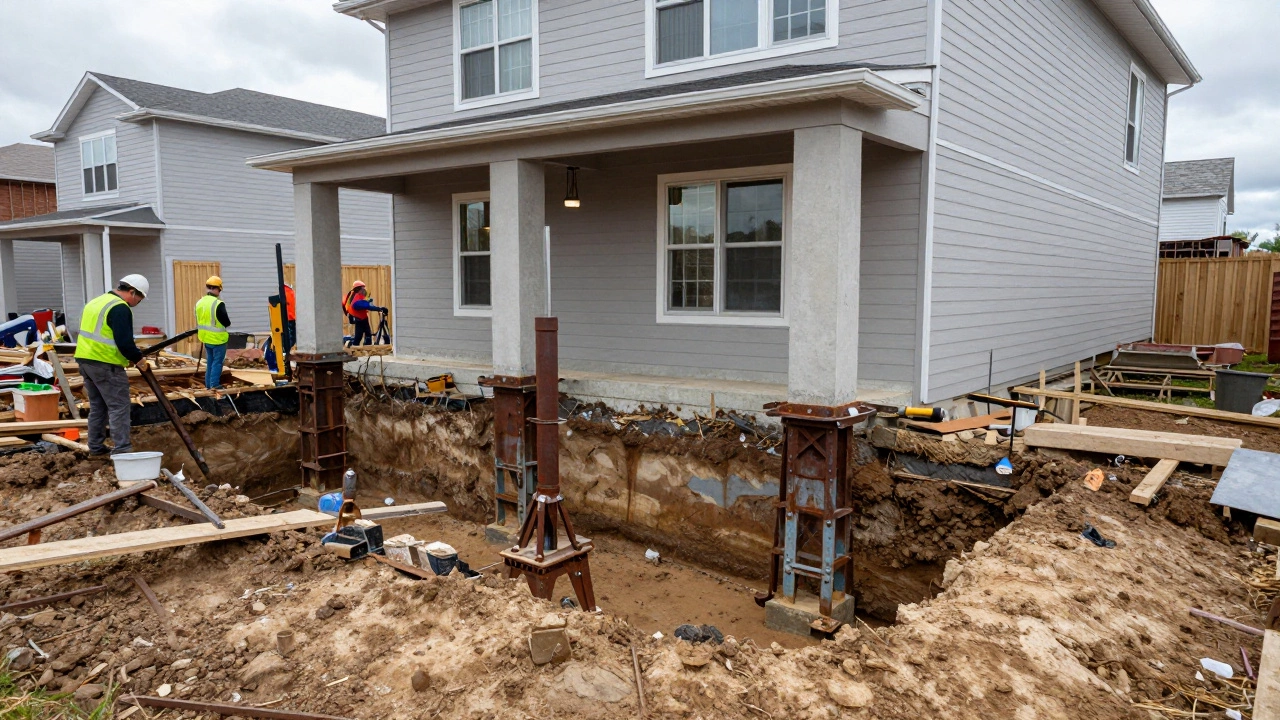
If there is one thing that will make any contractor stop in their tracks and start pulling out calculators, it is a failing foundation. Foundation repair is the process of stabilizing and leveling a home's base to prevent structural collapse. This is widely considered the most expensive thing to fix in a house because it affects every other component of the building. When the ground beneath your home shifts, settles, or heaves, the entire structure above it distorts.
In areas with expansive clay soils or high water tables, this is a common nightmare. You might notice doors that no longer close properly, cracks running diagonally across door frames, or gaps appearing between your floor and baseboards. Ignoring these signs is dangerous. A minor crack might cost a few thousand dollars to inject with epoxy, but if the foundation has shifted significantly, you are looking at underpinning. This involves digging deep pits around the perimeter of your house and installing new piers to lift and stabilize the structure. For a typical single-family home, this project easily ranges from $10,000 to over $50,000, depending on the severity and the accessibility of the work site.
Roof Replacement: More Than Just Shingles
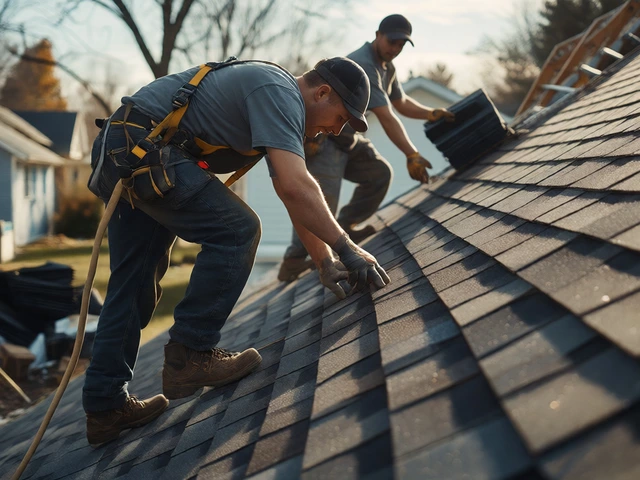
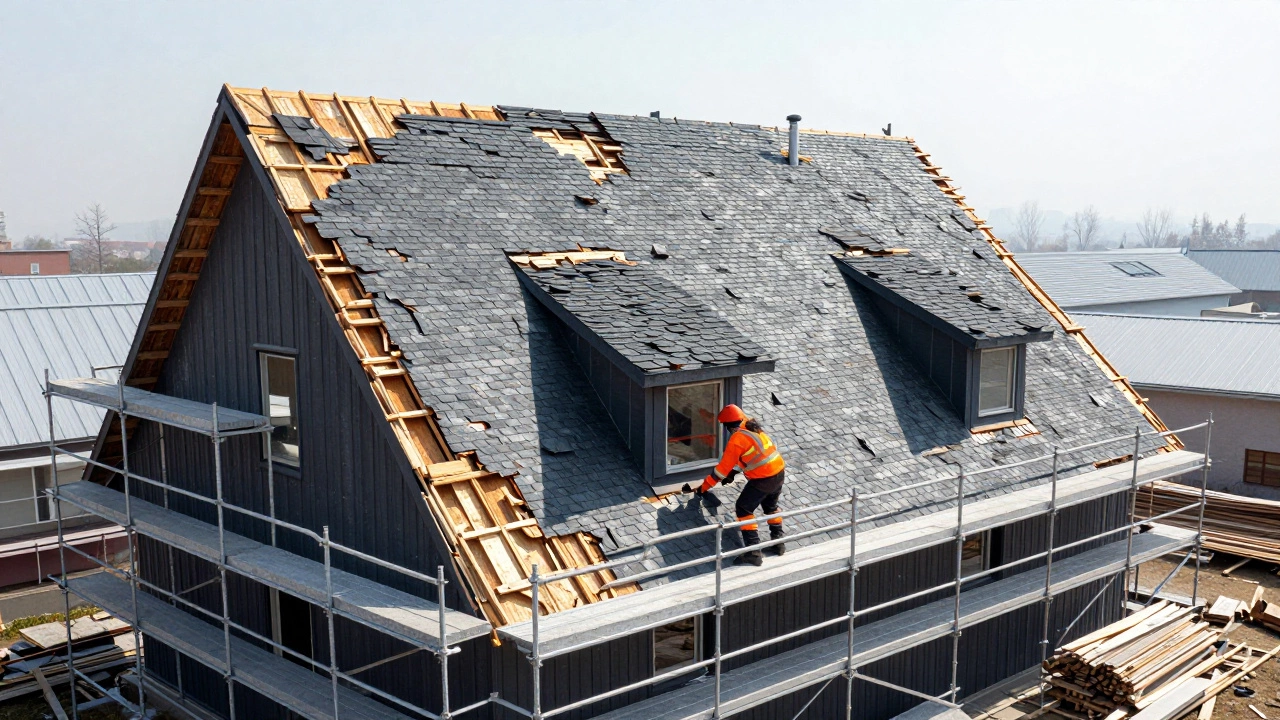
Right behind the foundation sits the roof. While a simple patch job is cheap, a full Roof replacement is the complete removal of old roofing materials and installation of a new protective layer. This is often the second most expensive repair because of the scale of the work and the safety risks involved. You cannot just slap new shingles over old ones if the underlying decking is rotted. That requires tearing everything off to the wood, replacing damaged plywood, and then installing new flashing, underlayment, and shingles.
The cost varies heavily based on the material. Asphalt shingles are the budget option, but they only last 15 to 20 years. Metal roofs, which are becoming popular in Canada for their durability against snow and ice, last much longer but cost two to three times more upfront. Slate or tile roofs are even pricier. For an average-sized house, a full tear-off and replacement with mid-grade asphalt shingles can run between $8,000 and $15,000. Add in complex architectural details like valleys, dormers, and steep pitches, and that number climbs quickly. Plus, if the old roof was hiding water damage in the attic insulation or rafters, you now have a secondary repair bill to deal with.
HVAC System Overhaul
Your heating, ventilation, and air conditioning system is the lungs of your home. When an HVAC system fails completely, requiring full replacement of furnace, air handler, and ductwork, it is a massive financial hit. These systems are complex, requiring licensed technicians, specialized equipment, and significant electrical work. Unlike a leaky faucet, you cannot DIY a central air replacement safely or legally in most jurisdictions.
Replacing just the furnace might cost $3,000 to $6,000. But if you need to replace the entire system-including the outdoor condenser unit, the indoor air handler, and potentially upgrading your ductwork to meet current efficiency standards-you are looking at $10,000 to $20,000 or more. High-efficiency models, such as heat pumps that provide both heating and cooling, are increasingly popular but come with a higher price tag. The complexity increases if your home lacks existing ductwork, requiring a costly retrofit to install forced-air distribution throughout the living spaces.
Major Plumbing Failures and Water Damage
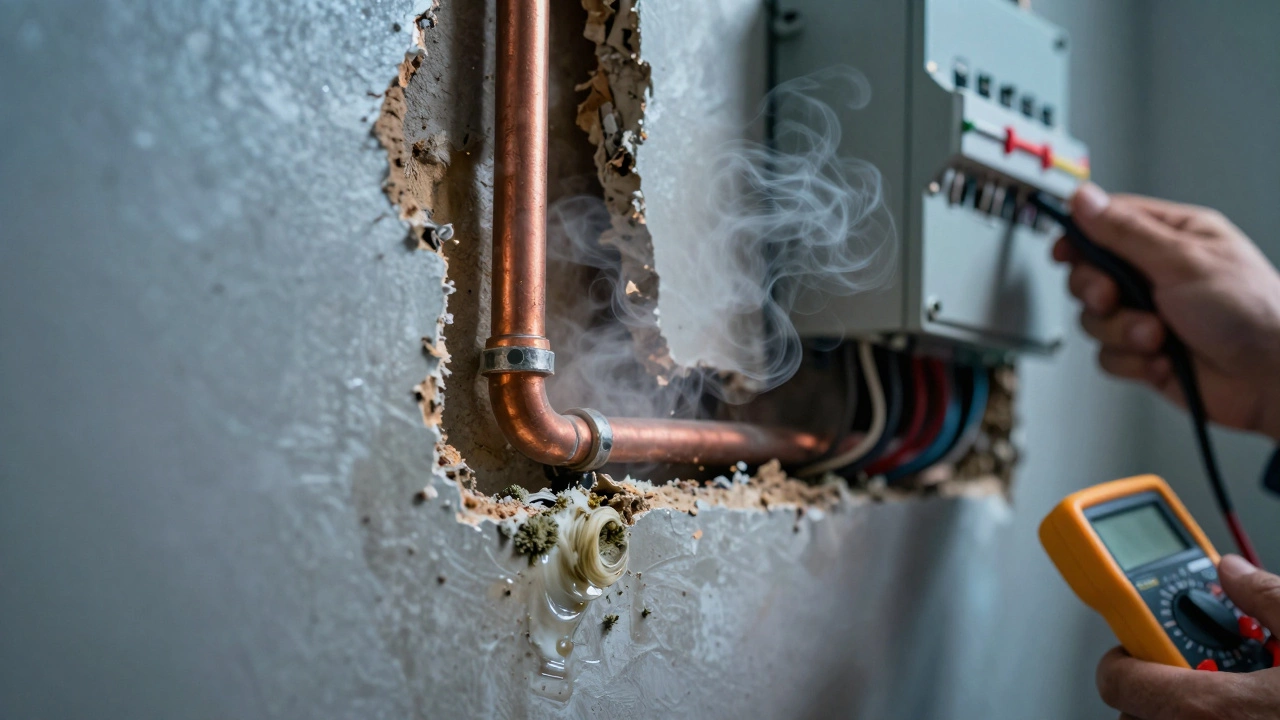
Water is destructive. A slow leak under the sink is annoying; a burst main line under your slab foundation is catastrophic. Plumbing repair involving main sewer line replacement or extensive pipe bursting is incredibly expensive because it often requires breaking up concrete floors or digging up your yard. If your home has old cast-iron pipes that have corroded, you might need to replace the entire sewer line running from the house to the street. This trenchless technology, known as pipe bursting, still costs between $5,000 and $15,000.
However, the real cost driver here is not just the pipe-it is the water damage restoration. Once water escapes, it doesn't stay put. It soaks into drywall, subflooring, insulation, and framing. Mold begins to grow within 24 to 48 hours. Remediation involves removing all affected materials, treating the area for mold spores, and rebuilding. This combination of plumbing repair and interior reconstruction can easily surpass $20,000, especially if the leak went unnoticed for weeks.
Electrical Rewiring
If your home was built before the 1980s, it might still have outdated wiring, such as aluminum wire or knob-and-tube systems. Electrical rewiring is the process of replacing old, unsafe electrical circuits with modern copper wiring and updated panels. This is a hidden cost that many buyers overlook until they try to sell the house or get an insurance quote. Insurance companies often refuse to cover homes with knob-and-tube wiring because of the fire risk.
Rewiring a whole house is invasive. Electricians must open up walls, ceilings, and floors to pull new wires through conduits. Afterward, you have to repair all those openings, repaint, and replace trim. For a 2,000-square-foot home, this project typically costs between $10,000 and $30,000. It is expensive because it requires high-skilled labor, strict adherence to safety codes, and significant demolition and restoration work. You are essentially stripping the house down to its studs electrically.
Kitchen Remodeling vs. Repair
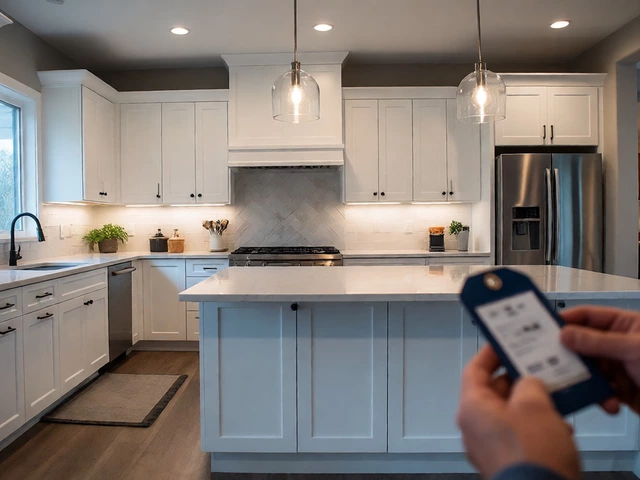
While not always a "repair" in the emergency sense, kitchen renovation is frequently the most expensive project a homeowner undertakes. Cabinets alone can account for 30% of the total budget. If you are fixing a kitchen that has been damaged by water or fire, you are likely starting from scratch. Custom cabinetry, high-end appliances, stone countertops, and hardwood flooring add up fast. A mid-range kitchen remodel averages $25,000 to $50,000, while luxury renovations can exceed $100,000. It is important to distinguish between a cosmetic update and a functional overhaul, as the latter drives the cost significantly higher.
| Repair Type | Low End Estimate | High End Estimate | Key Cost Drivers |
|---|---|---|---|
| Foundation Repair | $5,000 | $50,000+ | Soil conditions, pier depth, access |
| Roof Replacement | $8,000 | $25,000 | Material type, roof pitch, deck condition |
| HVAC System | $6,000 | $20,000 | Efficiency rating, ductwork needs |
| Plumbing & Water Damage | $3,000 | $25,000 | Extent of mold, slab breaking |
| Electrical Rewiring | $10,000 | $30,000 | Square footage, wall access difficulty |
How to Mitigate These Costs
You cannot control the weather or the age of your home, but you can control how prepared you are. Regular maintenance is the best defense against these astronomical bills. Inspect your foundation annually for new cracks. Clean your gutters twice a year to prevent water from pooling near your foundation. Service your HVAC system yearly to extend its life. Address small leaks immediately before they become major disasters. Building a dedicated emergency fund specifically for home repairs can also ease the financial shock when these inevitable issues arise.
Is foundation repair worth the cost?
Yes, absolutely. A failing foundation compromises the structural integrity of your entire home. Ignoring it leads to more severe damage, higher repair costs later, and potential safety hazards. Proper foundation repair stabilizes the home and preserves its value.
Can I fix a roof leak myself to save money?
Minor surface leaks can sometimes be patched with sealant, but this is rarely a long-term solution. If the leak is widespread or involves damaged decking, professional help is required. Attempting major roof repairs without experience can lead to falls, improper installation, and voided warranties.
How much does it cost to replace a furnace in 2026?
The cost to replace a standard gas furnace ranges from $3,000 to $6,000. High-efficiency models or dual-fuel systems can cost $8,000 to $12,000. Prices vary based on brand, size, and local labor rates.
What causes the most expensive water damage?
Slow, undetected leaks behind walls or under slabs cause the most expensive damage because they allow time for extensive rot and mold growth. Burst pipes are sudden and obvious, allowing for quicker containment, whereas hidden leaks destroy structural components over months.
Does homeowner's insurance cover foundation repair?
Generally, no. Standard homeowner's insurance policies exclude coverage for foundation settlement due to natural soil movement or poor construction. They may cover damage caused by a sudden, covered event like a tree falling on the house, but not gradual settling.