Kitchen Setup Recommendation Tool
Answer these three questions to discover which setup best fits your modern lifestyle.
Your Ideal Match: ...
...
Quick Takeaways
- The traditional formal dining room is being replaced by "eating zones."
- Kitchen islands have taken over the role of the primary social hub.
- Multi-functional furniture (like extendable tables) is seeing a resurgence in urban apartments.
- The "slow living" movement is bringing back intentional table gatherings.
The Rise of the Island Empire
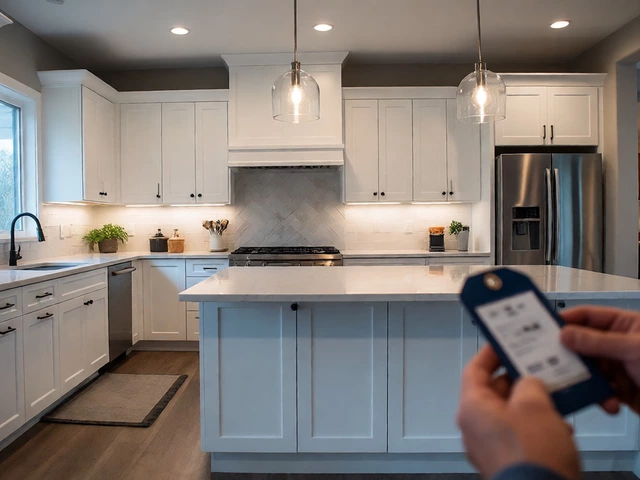
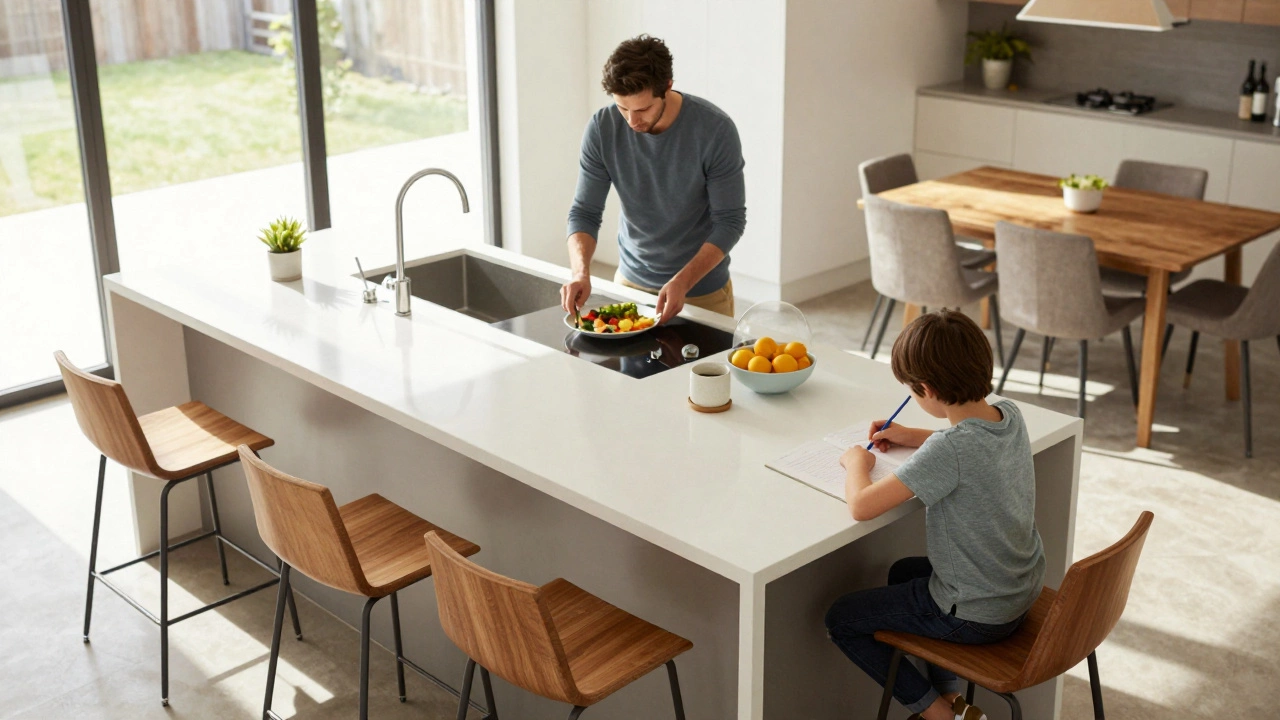
If you walk into a modern home built in the last decade, you'll likely find a massive Kitchen Island where a table used to be. These islands act as a Swiss Army knife for the home. They are a prep station, a breakfast bar, and a place for kids to do homework while a parent cooks.
Why is this happening? It's all about the flow. When you have a separate table in a corner, the cook is often isolated from the conversation. An island removes that barrier. You can lean against a quartz countertop with a glass of wine while talking to whoever is sitting on a Bar Stool. It's less formal and much more efficient. For many, the island isn't just a substitute; it's an upgrade that makes the kitchen the true heart of the home.
The Death of the Formal Dining Room
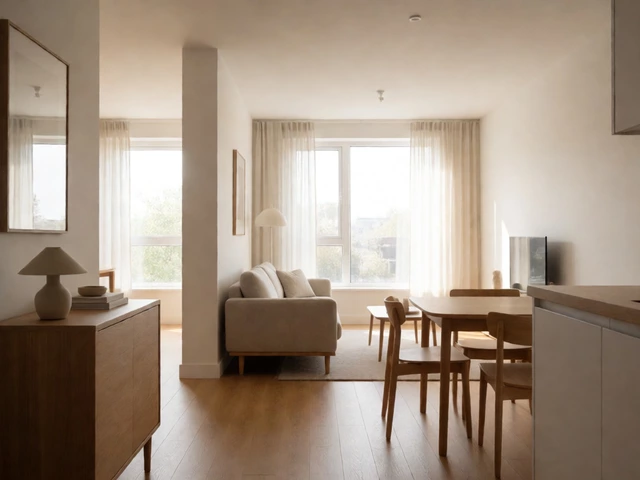
There was a time when the dining room was a "special occasion" space. You'd only enter it for Thanksgiving or Christmas. But as square footage in new builds has shrunk-especially in cities like Vancouver or New York-homeowners are reclaiming that space. Who wants a 12-foot table that they use twice a year when they could have a dedicated home office or a cozy reading nook?
This shift has led to the rise of the "eat-in kitchen." Instead of a separate room, we see smaller, more versatile tables tucked into a nook. This isn't the death of the table, but the death of the formality associated with it. We've traded the white tablecloth for washable placemats and a table that can double as a workspace.
| Feature | Kitchen Island | Traditional Table |
|---|---|---|
| Primary Use | Prep, Quick Meals, Socializing | Full Meals, Long Conversations |
| Comfort Level | Lower (Stools lack back support) | Higher (Ergonomic chairs) |
| Flexibility | Fixed Position | Can be moved or expanded |
| Social Dynamic | Casual, "Pass-by" interaction | Focused, Face-to-face |
The "Laptop Table" Phenomenon
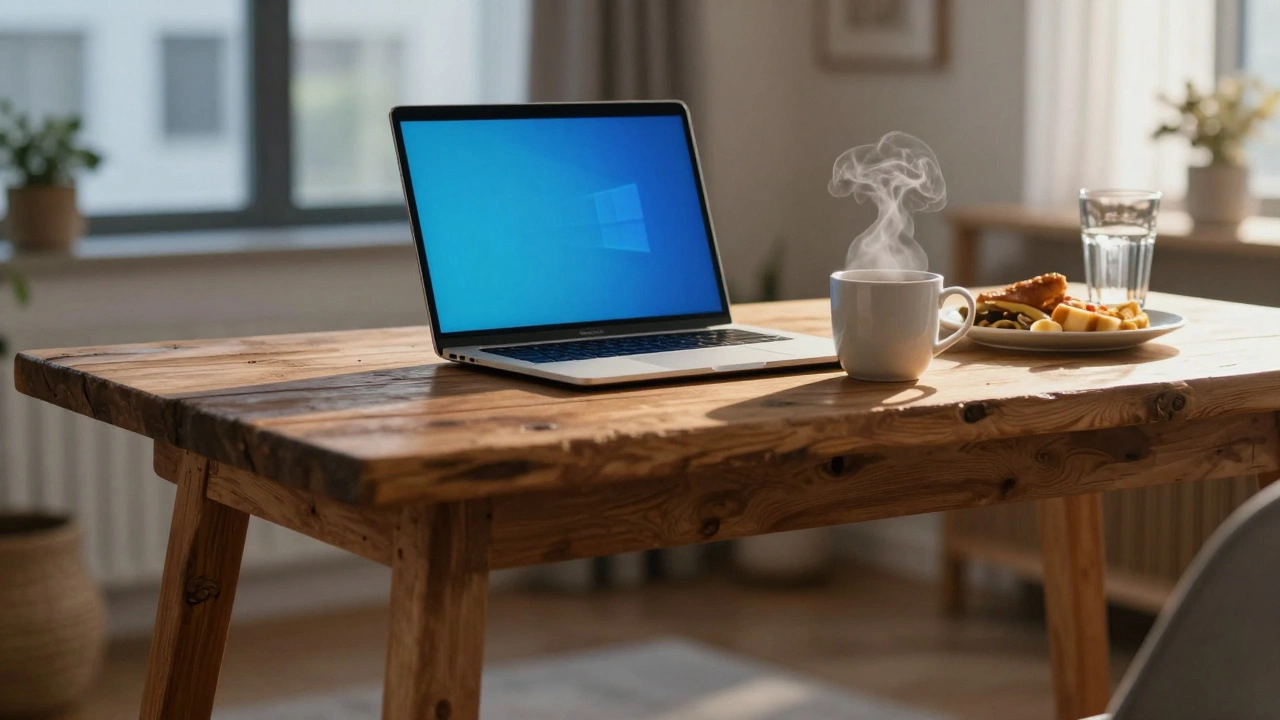
The pandemic fundamentally changed our furniture. Suddenly, the kitchen table wasn't just for eating; it was a corporate headquarters. We saw a massive spike in the need for tables that could handle a 15-inch laptop, a second monitor, and a coffee mug without feeling cramped.
This has created a weird hybrid. People are now looking for Trestle Tables or larger rectangular surfaces that feel stable and professional during the day but can still hold a roast chicken on Sunday. The table has become a tool for productivity. If you've ever found yourself trying to balance a Zoom call while your spouse tries to eat a bowl of cereal next to you, you know exactly what I mean.
The Psychological Pull of the Sit-Down Meal
Despite the convenience of islands and sofa-dining, there's a growing pushback. The "slow living" movement is encouraging people to intentionally step away from screens. This is where the traditional table makes a comeback. There is a psychological difference between perched seating on a stool and sitting firmly in a chair.
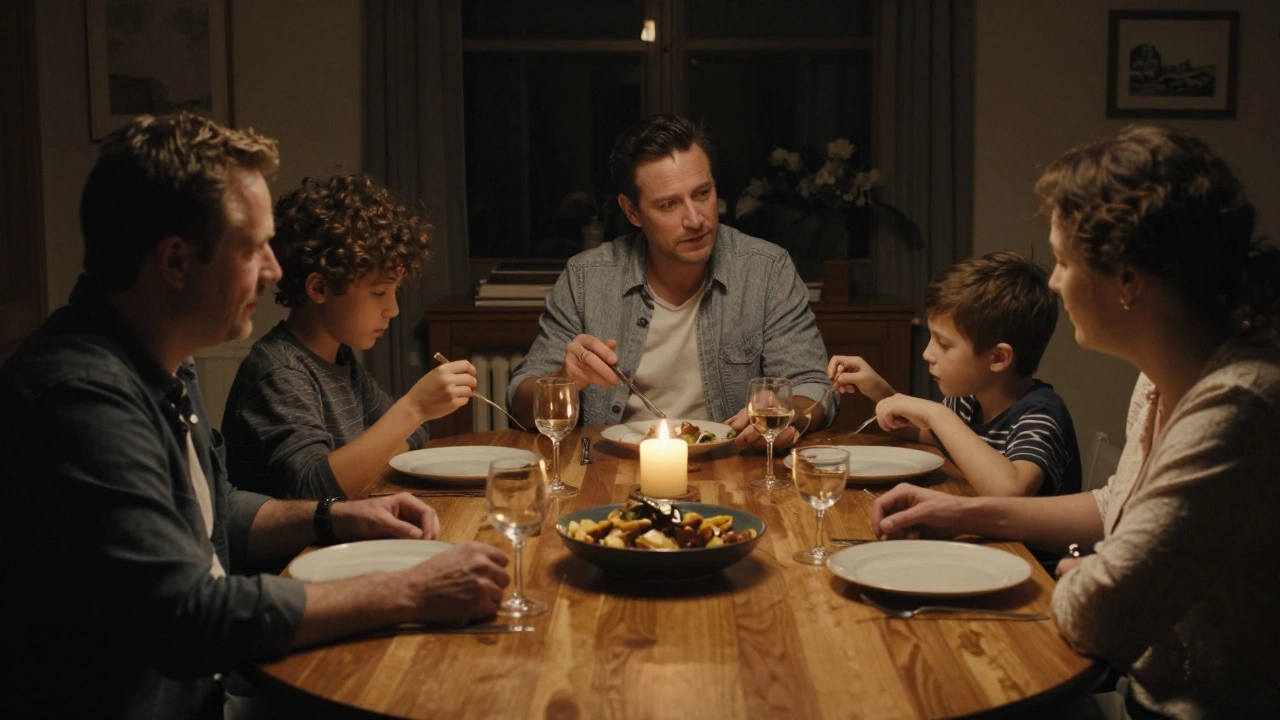
Sitting down at a table signals to the brain that it's time to relax and engage. It fosters a different kind of intimacy. You can't easily have a deep, three-hour conversation while leaning over a counter. For families with young children, the table is often the only place where phones are banned and actual eye contact happens. The table isn't just furniture; it's a boundary that separates the chaos of the day from the connection of the evening.
Choosing the Right Setup for 2026
If you're staring at an empty space in your home and wondering if you even need a table, ask yourself how you actually live. Do you eat 90% of your meals on the couch? Or do you value the ritual of a plated dinner?
For those in smaller condos, Drop-leaf Tables are a lifesaver. They stay small during the week and expand when guests visit. If you have the space, a round table is often better for conversation because it eliminates the "head of the table" hierarchy, making the vibe more egalitarian and friendly. Avoid the temptation to buy a massive set just because it fits the room; buy for your actual habits, not an idealized version of them.
Are kitchen islands replacing dining tables entirely?
Not entirely, but they are replacing them for daily use. Most people now use islands for breakfast and snacks, while keeping a smaller table or a separate dining area for longer meals and social gatherings.
What is the best table shape for a small kitchen?
Round tables are generally best for small spaces because they lack sharp corners and allow for easier movement around the room. Alternatively, a rectangular drop-leaf table can be pushed against a wall when not in use.
Do bar stools replace the need for dining chairs?
For quick meals, yes. However, bar stools lack the ergonomic support needed for long periods of sitting. If you plan to use your eating area for work or long dinner parties, traditional chairs are still a necessity.
Is it okay to not have a dining table at all?
Absolutely. Many modern apartments rely solely on a large island or a breakfast bar. The most important thing is that the space supports your lifestyle, whether that's a formal setup or a completely casual one.
How do I choose between a wooden table and a stone top?
Wood is warmer and more traditional, but it requires more maintenance to avoid scratches. Stone or quartz is incredibly durable and easy to clean, making it ideal for families with children or those who use the table for crafts and work.
Next Steps for Your Space
If you feel your current setup isn't working, don't just buy a new table. Start by tracking your movements for a week. Do you find yourself hovering around the stove? Maybe a counter-height table is what you actually need. Do you miss the feeling of a family dinner? It might be time to ditch the island stools for a proper set of chairs. Whatever you choose, make sure the furniture serves your life, not the other way around.