Construction Hierarchy Explorer
Click on a tier to explore their role, contractual relationship, and financial risk profile.
The Construction Pecking Order
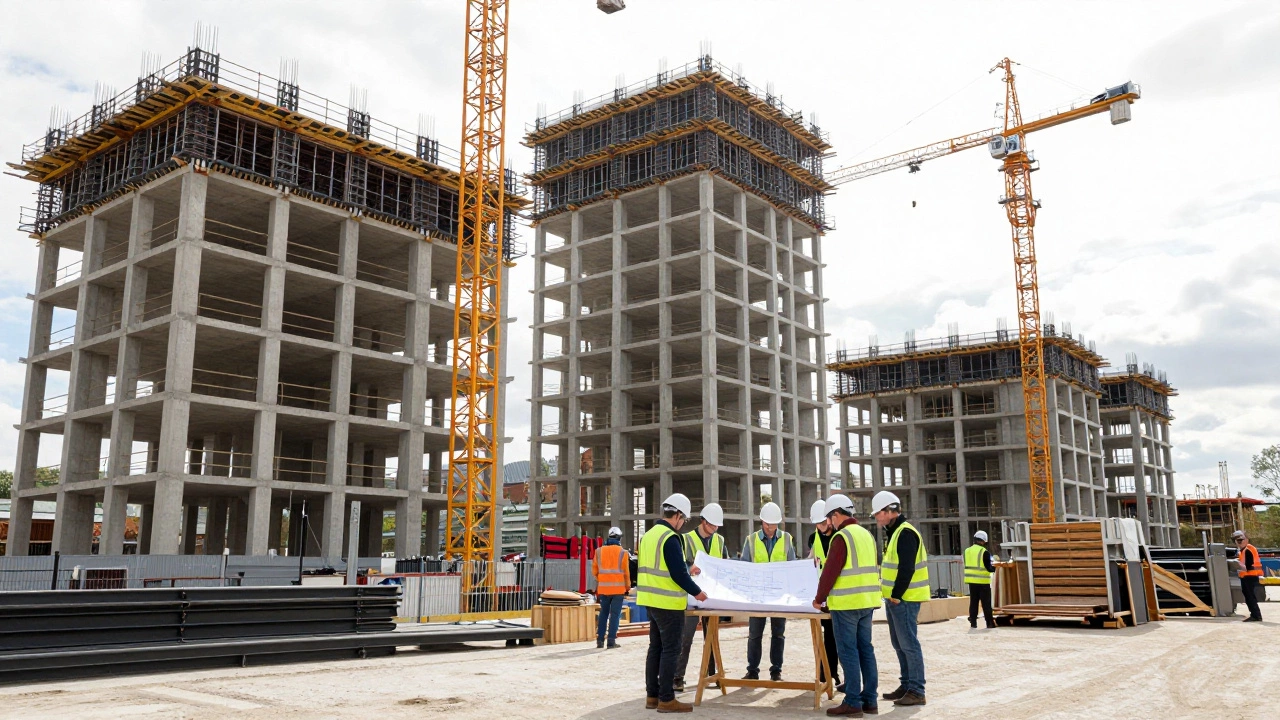
To understand where a lower tier contractor fits, you have to look at the chain of command. Every job has a Owner-the person or company that owns the land and wants the building. They sign a contract with a Prime Contractor (or General Contractor). The Prime Contractor is the one responsible for the whole project. Now, the Prime Contractor usually doesn't do every single job. They don't weld the beams and paint the walls themselves. They hire Subcontractors. A plumbing company is a first-tier subcontractor. They have a direct contract with the Prime. But what happens when that plumbing company is too busy or needs a specific tool they don't own? They hire a smaller plumbing crew or a specialized pipe-fitting firm. That smaller crew is the lower tier contractor. They don't have a contract with the owner, and they don't have one with the Prime Contractor. Their only legal tie is to the first-tier subcontractor.How the Money and Risk Flow
Money moves down the chain, but risk often moves up. When the Owner pays the Prime Contractor, the Prime pays the Subcontractor, who then pays the lower tier contractor. This "pay-when-paid" cycle is where things get messy. If the Prime Contractor goes bankrupt or refuses to pay the first-tier sub, the lower tier contractor is the one who feels the pinch first. They've already spent the money on materials and labor, but the check hasn't trickled down to them yet. This creates a precarious situation where the people doing the most granular work are often the most financially vulnerable. To protect themselves, lower tier contractors often rely on Mechanic's Liens. This is a legal claim against the property itself. If a lower tier contractor isn't paid, they can potentially put a lien on the building, meaning the owner can't sell or refinance the property until the debt is settled. It's a powerful tool, but it's a last resort that usually burns bridges.| Tier Level | Common Name | Contractual Relationship | Primary Responsibility |
|---|---|---|---|
| Tier 0 | Project Owner | N/A (The Client) | Funding and Vision |
| Tier 1 | Prime Contractor | Direct with Owner | Overall Project Management |
| Tier 2 | Subcontractor | Direct with Prime | Trade Specialization (e.g., Electrical) |
| Tier 3+ | Lower Tier Contractor | Direct with Subcontractor | Niche Tasks or Labor Support |
Why Use Lower Tier Contractors?
You might wonder why anyone would bother with this complexity. Why not just hire a bunch of small companies directly? It comes down to management and liability. First, there's the issue of scalability. A mid-sized HVAC company might land a contract for a 50-story tower. They have the expertise, but they don't have 200 technicians on staff. By hiring lower tier contractors, they can scale their workforce up for one month and then scale back down without having to pay full-time salaries year-round. Second, there's specialization. Even within a trade, there are niches. A general electrical subcontractor might hire a lower tier specialist specifically for low-voltage fiber optic cabling. It's more efficient to hire an expert for that one specific task than to try and train a general electrician to do it. Finally, there's the administrative burden. The Prime Contractor doesn't want to manage 500 different contracts. They want to manage five or six. By pushing the management of smaller crews down to the subcontractors, the Prime keeps their overhead low and their focus on the big picture.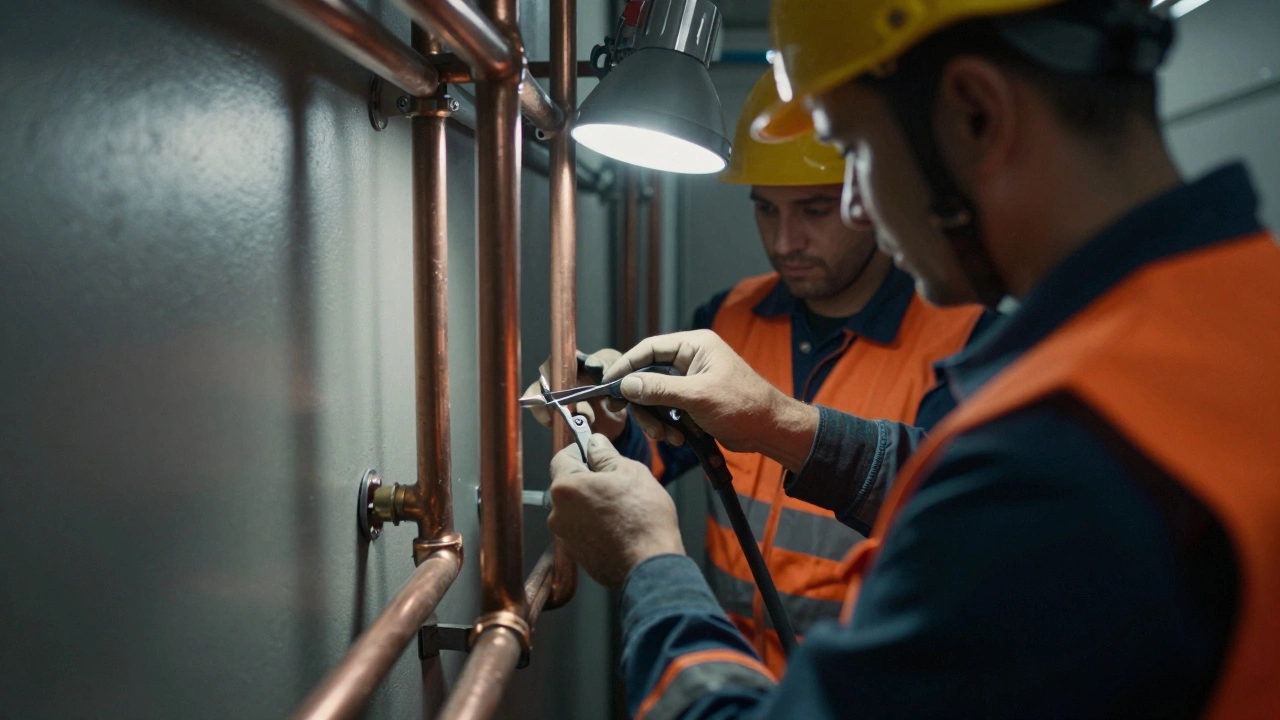
The Pitfalls of Working in the Lower Tiers
Working as a lower tier contractor is a bit like being a freelance worker for a freelancer. You are subject to the mistakes of everyone above you. One major issue is communication lag. If the Owner changes the layout of a room, that information has to go from the Owner to the Prime, then to the Subcontractor, and finally to the lower tier contractor. By the time it reaches the person actually installing the pipes, they might have already finished the work based on the old plans. Then there is the insurance gap. Every project requires General Liability Insurance. While the Prime and the first-tier subs usually have robust policies, some lower tier contractors operate as "day laborers" or small partnerships without proper coverage. If a lower tier worker gets injured, the legal fight over whose insurance pays can take years.How to Manage Lower Tier Risks
If you are a subcontractor hiring lower tier help, or an owner worried about your project, there are ways to make this safer. One effective method is using Lien Waivers. A lien waiver is a document signed by the contractor stating they have been paid and waive their right to place a lien on the property. Smart prime contractors insist on seeing signed waivers from not just their subs, but also from the lower tier contractors those subs hired. This proves that the money actually reached the bottom of the chain. Another strategy is the use of Joint Checks. This is where the Owner writes a check payable to both the Prime Contractor and the Subcontractor. This ensures the money doesn't get "lost" or spent by the Prime before it reaches the people doing the work. Some projects even extend this to lower tiers for critical specialized work.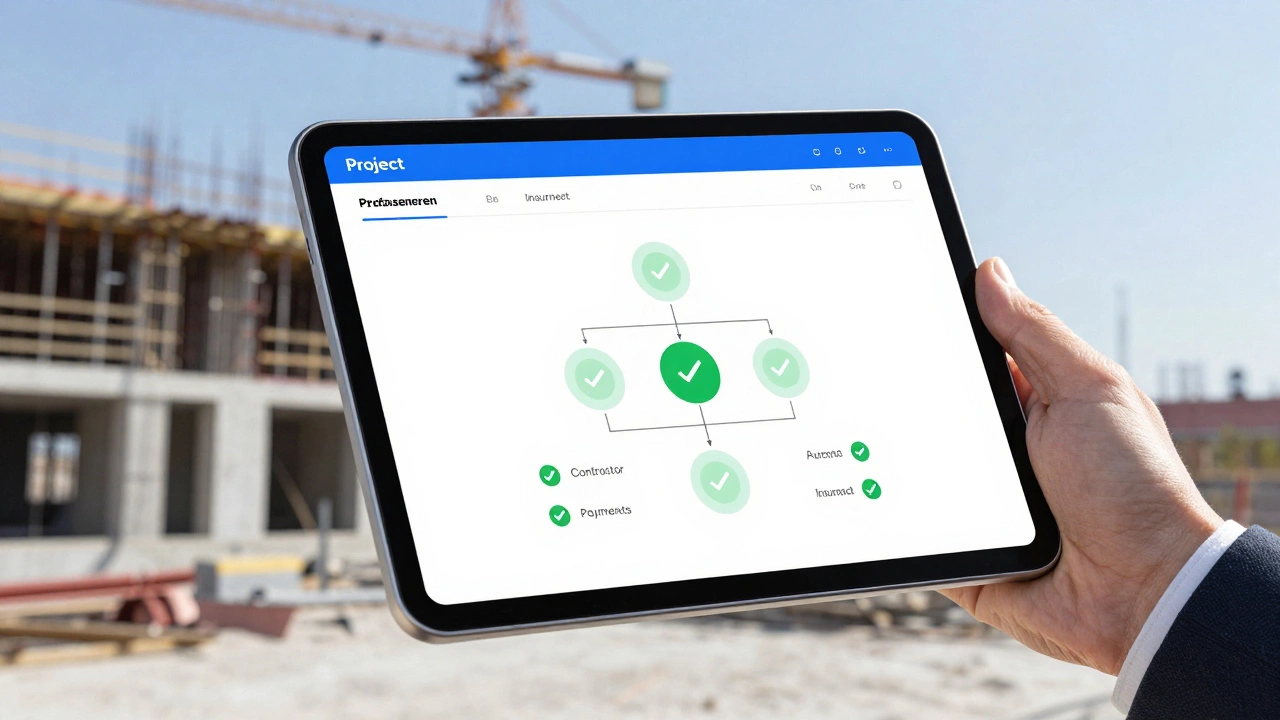
The Future of the Hierarchy
We are seeing a shift toward more transparency. Digital project management tools now allow owners to see exactly who is on their site in real-time. Instead of a mysterious web of sub-subcontractors, software allows for a digital trail of credentials, insurance certificates, and payment statuses. This doesn't eliminate lower tier contractors-they are essential for the flexibility of the construction industry-but it does reduce the "darkness" of the lower tiers. When everyone knows who is doing the work and that they are insured and paid, the whole project runs smoother.Is a lower tier contractor the same as a subcontractor?
Technically, yes, but with a difference in level. A subcontractor is anyone not hired directly by the owner. However, in industry terms, "subcontractor" usually refers to the first level (Tier 1), while "lower tier contractor" refers to those hired by the subcontractor (Tier 2, 3, etc.).
Can an owner sue a lower tier contractor?
Generally, no. Because there is no direct contract (known as privity of contract) between the owner and the lower tier contractor, the owner usually cannot sue them directly for breach of contract. They would instead sue the Prime Contractor, who would then pursue the lower tier contractor.
What happens if a lower tier contractor isn't paid?
The lower tier contractor can file a mechanic's lien against the property. Even though the owner didn't hire them, the law allows this to ensure that the people providing the value (materials and labor) to the building are compensated.
Do lower tier contractors need their own licenses?
Yes. In most jurisdictions, performing specialized trade work requires a professional license regardless of where you sit in the contract chain. Relying on a higher-tier contractor's license is a common mistake that can lead to heavy fines or stopped work orders.
How can I tell if someone is a lower tier contractor?
Ask who they report to. If they tell you they are working for "Company X" (the subcontractor) rather than the general contractor or the owner, they are a lower tier contractor.