New Build Mold Risk & Symptom Checker
Select Your Symptoms
Construction Factors
Your Assessment Result
Recommendations:
Imagine moving into your dream home. The paint is fresh, the floors gleam, and the air smells like... wet cardboard? If you’ve just bought or built a new house, that damp, earthy scent might not be nostalgia for nature-it could be mold is a type of fungus that thrives in damp, dark environments and releases spores that can cause serious health issues when inhaled. Many people assume mold only haunts old, crumbling basements. But new builds are surprisingly vulnerable. In fact, modern construction methods sometimes trap moisture inside walls before it ever has a chance to dry out.
The short answer to whether you can get sick from mold in a building is yes. Absolutely. Whether the structure was poured yesterday or fifty years ago, mold exposure triggers real physical reactions. For some, it’s a sneeze; for others, it’s a hospital visit. Understanding why this happens-and how to spot it early-is crucial for protecting your family’s health.
Why New Buildings Are Surprisingly Prone to Mold
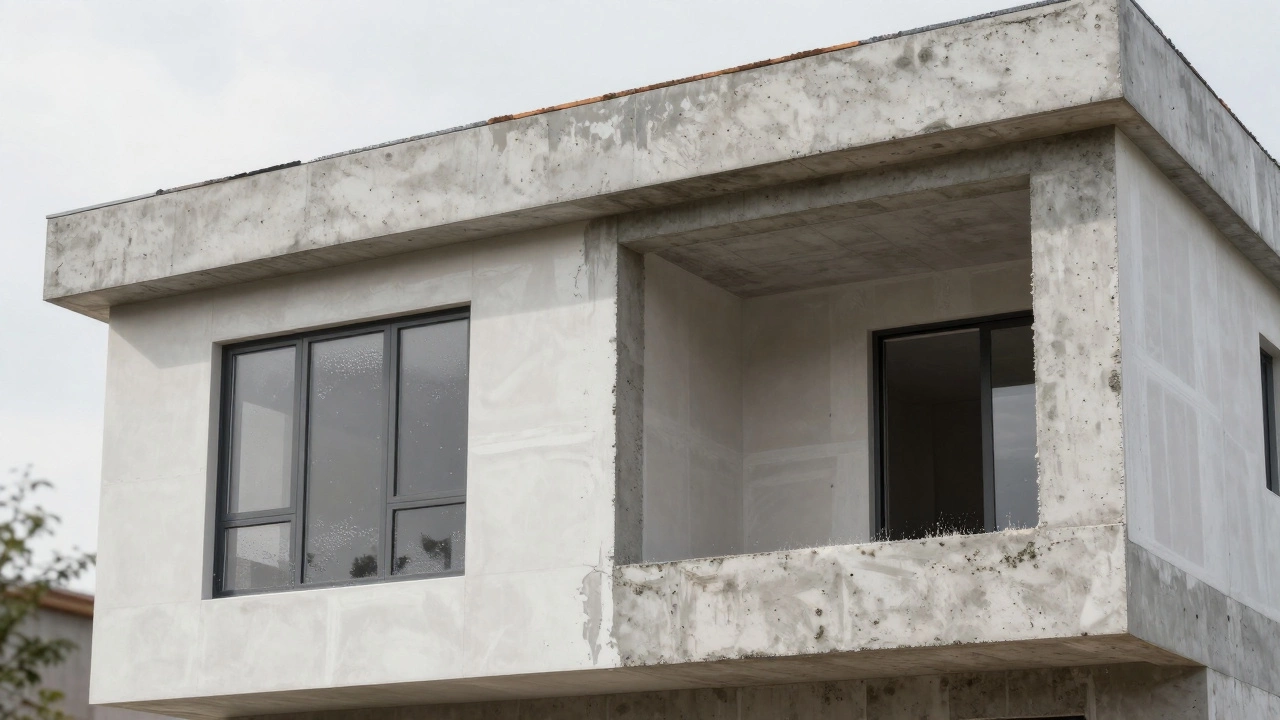
You might think brand-new homes are sterile fortresses against pests and fungi. That’s a common misconception. During construction, massive amounts of water are used. Concrete needs curing, drywall gets taped and mudded, and insulation often gets installed while the building envelope isn’t fully sealed yet. This creates what experts call "construction moisture."
If that moisture doesn’t evaporate properly before the walls are closed up, it becomes a breeding ground. Stachybotrys chartarum, commonly known as black mold, loves these conditions. It feeds on the cellulose found in drywall paper and wood framing. Unlike older homes where mold grows due to leaks over time, new build mold often starts from the inside out during the drying phase.
- Tight Envelopes: Modern energy codes require homes to be incredibly airtight to save on heating bills. While great for efficiency, poor ventilation traps humid air inside.
- Hastily Dried Materials: Contractors may rush to meet deadlines, sealing up walls before materials have reached equilibrium with indoor humidity levels.
- Plumbing Errors: Even minor sweat on pipes behind new bathroom walls can go unnoticed for months until the smell gives it away.
Health Symptoms: How Your Body Reacts to Mold Exposure
Mold isn’t just an eyesore; it’s a biological hazard. When mold colonies grow, they release microscopic particles called spores and volatile organic compounds (VOCs). Breathing these in can trigger a cascade of immune responses. The severity depends largely on your individual sensitivity, pre-existing conditions, and the duration of exposure.
| Symptom Category | Specific Signs | Risk Group |
|---|---|---|
| Respiratory Issues | Coughing, wheezing, throat irritation, nasal congestion | Asthma sufferers, children |
| Allergic Reactions | Sneezing, runny nose, red eyes, skin rash | People with seasonal allergies |
| Neurological Effects | Headaches, difficulty concentrating, memory loss | Long-term exposure victims |
| Immune Suppression | Frequent infections, fatigue, unexplained weakness | Elderly, immunocompromised individuals |
If you notice that your headaches vanish when you leave the house but return within hours of coming back, take note. That pattern is a classic sign of environmental illness linked to indoor pollutants like mold. Asthma attacks can become more frequent and severe. For those with weakened immune systems, such as transplant recipients or chemotherapy patients, certain molds can lead to invasive fungal infections, which are life-threatening.

Detecting Hidden Mold in Your Home
You don’t need a degree in mycology to spot trouble. Your senses are your first line of defense. The most obvious clue is the smell-a musty, stale odor that lingers even after cleaning. If you open a closet or cupboard and hit a wall of damp air, investigate immediately.
Visual inspection is next. Look for discoloration on walls, ceilings, or around windows. Mold doesn’t always look like fuzzy green patches. It can appear as black spots, pink slime, or even white powdery dust. Pay attention to areas prone to condensation: bathrooms, kitchens, laundry rooms, and basements. In new builds, check behind large appliances and under sinks where plumbing connections might weep slowly.
If you suspect mold but see nothing, consider professional testing. Air quality tests measure spore counts, while surface sampling identifies specific species. However, remember that no amount of mold is truly "safe" for sensitive individuals. Detection thresholds vary, so rely on symptoms alongside test results.
Preventing Mold Growth During Construction and After Move-In
Prevention is far cheaper and healthier than remediation. If you’re building a new home, work closely with your contractor to manage moisture at every stage. Use dehumidifiers during the drying phase. Ensure proper flashing around roofs and windows to prevent water intrusion. Choose mold-resistant drywall, especially in high-humidity zones like bathrooms.
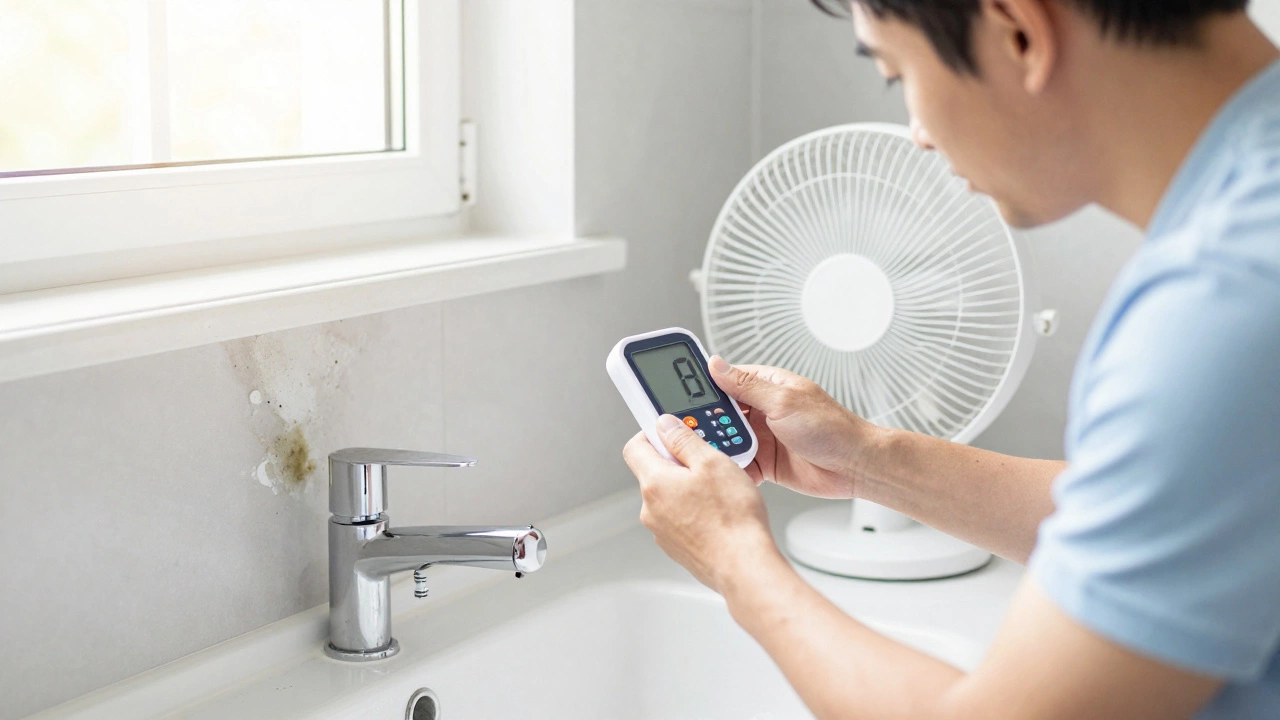
Once you move in, maintain strict control over indoor humidity. Aim for levels between 30% and 50%. Use exhaust fans in bathrooms and kitchens whenever you shower or cook. Fix leaks immediately-even small drips under sinks can sustain hidden colonies. Regularly clean gutters to ensure rainwater flows away from your foundation.
Ventilation is key. Since modern homes are so tight, introduce fresh air regularly. Open windows when weather permits, or install heat recovery ventilators (HRVs) that exchange stale indoor air with fresh outdoor air without losing energy. These systems are particularly effective in colder climates like Vancouver, where keeping windows open year-round isn’t practical.
What To Do If You Find Mold
Discovering mold can feel overwhelming, but panic won’t help. Small patches-less than ten square feet-can often be handled by homeowners. Wear protective gear: N95 masks, gloves, and goggles. Clean affected surfaces with detergent and water, then dry them thoroughly. Avoid using bleach alone, as it can spread spores and damage materials without killing roots.
Larger infestations require professionals. Certified mold remediators have the equipment to contain and remove contaminated materials safely. They also address the underlying moisture problem, preventing recurrence. Never attempt to cover mold with paint or wallpaper-that’s like putting a bandage on an infection without cleaning the wound.
Document everything if you’re renting or buying. Photos, dates, and communication records protect you legally. Landlords and builders have responsibilities regarding habitability. Knowing your rights ensures you get timely repairs rather than temporary fixes.
Can new houses have black mold?
Yes, new houses can absolutely develop black mold. Construction moisture trapped inside walls, combined with inadequate ventilation, creates ideal conditions for Stachybotrys chartarum to grow. This risk increases if builders rush the drying process or if plumbing leaks occur shortly after occupancy.
How long does it take for mold to make you sick?
Symptoms can appear anywhere from days to months depending on exposure level and individual sensitivity. Some people react immediately with allergic rhinitis, while others develop chronic respiratory issues after prolonged exposure. There is no safe threshold for everyone.
Is mold worse in new builds compared to older homes?
Not necessarily worse, but different. Older homes typically suffer from slow leaks over decades, allowing gradual detection. New builds may experience rapid growth due to initial construction moisture being sealed in quickly. Both scenarios pose significant risks if left untreated.
What are the best ways to reduce indoor humidity?
Use dehumidifiers set to maintain 30-50% relative humidity. Run exhaust fans during cooking and bathing. Install heat recovery ventilators for continuous airflow. Fix any visible leaks promptly and ensure proper grading around your home’s foundation to divert water away.
Should I test my new home for mold before moving in?
Testing is optional but recommended if you notice odors or visible signs. Standard inspections rarely include comprehensive mold analysis unless specifically requested. If you have asthma or allergies, proactive testing provides peace of mind and helps identify issues before settling in.