Landscaping Cost Estimator for 2026
Select Your Service Type
Project Details
Cost Breakdown
Select a service type and click calculate to see your estimate
Walking around your yard and seeing overgrown grass or messy flower beds is frustrating. You want it fixed, but you don’t know if the quote you just got is fair. The short answer? Most landscapers charge between $50 and $150 per hour. But that range is wide because "landscaping" covers everything from mowing a lawn to building a stone patio.
If you hire someone for basic maintenance, you’ll pay less. If you need design work or heavy lifting with machinery, the price jumps. In this guide, we break down exactly what drives those costs up or down so you can budget correctly for your project in 2026.
Breakdown of Landscaper Hourly Rates by Service Type
Not all landscapers are created equal. A guy with a push mower charges differently than a crew with excavators. Here is how the hourly rates typically split out based on the work being done.
| Service Type | Hourly Rate Range | Complexity Level |
|---|---|---|
| Basic Lawn Maintenance | $40 - $70 | Low |
| Gardening & Pruning | $50 - $90 | Medium |
| Hardscaping (Pavers/Stone) | $80 - $150+ | High |
| Landscape Design | $75 - $150 | Specialized |
| Tree Removal | $60 - $100 | Risky/Heavy | d>
Basic Lawn Maintenance includes mowing, edging, and blowing debris. This is low-skill labor compared to other tasks, which keeps prices lower. However, if the lawn is huge or has difficult terrain, the rate may creep toward the higher end.
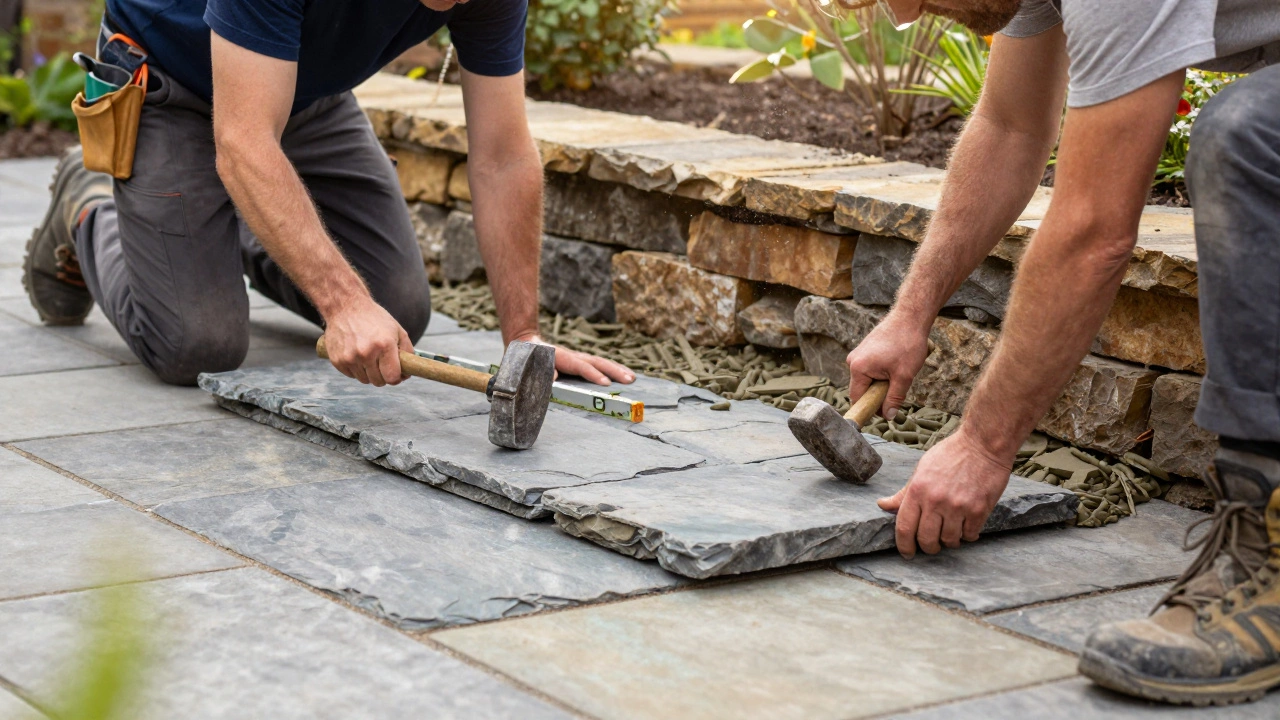
Hardscaping involves installing patios, walkways, or retaining walls. These jobs require skilled laborers who know how to cut stone, mix concrete, and ensure proper drainage. Because these workers often have trade certifications, their hourly rate is significantly higher.
Why Do Prices Vary So Much?
You might wonder why one company quotes you $60 an hour while another asks for $120. It’s not always about greed. Several factors influence the bottom line.
- Experience and Skill: A landscaper with 15 years of experience knows how to avoid costly mistakes. They charge more because their expertise saves you money in the long run. A novice might dig up your irrigation line because they didn’t know where it was buried.
- Equipment Costs: Professional-grade equipment is expensive. A commercial zero-turn mower can cost over $10,000. Companies factor the depreciation, fuel, and maintenance of this gear into their hourly rates.
- Insurance and Licensing: Reputable companies carry liability insurance and workers' compensation. If a worker gets hurt on your property, you aren’t liable. Unlicensed operators might charge less, but they shift that risk onto you.
- Location: Labor costs vary wildly by region. In high-cost areas like Vancouver, California, or New York City, minimum wage laws and living expenses force landscapers to charge more. Rural areas tend to be cheaper.
Hourly vs. Flat Rate: Which Is Better for You?
This is the biggest decision you’ll make when hiring help. Many homeowners prefer flat rates because they offer predictability. Hourly billing can feel risky-if the job takes longer than expected, your bill balloons.
However, hourly rates can sometimes save you money on small, quick tasks. If you just need someone to trim hedges for two hours, a flat rate might include padding for potential delays. With hourly billing, you only pay for the time actually spent.
Here is a simple rule of thumb:
- Use Flat Rates for large projects like patio installation, full garden redesigns, or tree removal. These have defined endpoints.
- Use Hourly Rates for ongoing maintenance, seasonal cleanup, or troubleshooting issues like pest control.
Hidden Costs That Aren’t in the Hourly Rate
The hourly rate is rarely the final number on your invoice. Be aware of these common add-ons so you aren’t surprised.
- Travel Fees: Some companies charge a flat fee ($25-$50) to drive to your location, especially if you live outside their primary service area.
- Material Markup: If the landscaper buys plants, soil, or pavers for you, they may mark up the cost by 10% to 20% to cover ordering and delivery logistics.
- Disposal Fees: Removing old sod, large branches, or construction debris costs money. Dump fees at local landfills are rising, and these costs are passed to you.
- Permits: For major hardscaping or structural changes, permits may be required. The landscaper might handle the paperwork but charge you for the permit fees.
How to Get the Best Value Without Sacrificing Quality
Getting cheap landscaping isn’t always smart. Poorly installed pavers crack in winter. Neglected trees fall during storms. Here is how to balance cost and quality.
Get Three Quotes: Never hire the first person you call. Collect at least three detailed estimates. Look for inconsistencies. If one quote is half the price of the others, ask what they are excluding. They might be skipping essential steps like soil preparation or grading.
Check References: Ask for photos of past work or contact previous clients. A landscaper with good reviews usually delivers consistent results, which means fewer callbacks and repairs.
Bundle Services: If you need both lawn care and garden planting, ask for a package deal. Companies often discount bundled services because it guarantees them steady work throughout the season.
Time Your Project: Spring and early summer are peak seasons. Landscapers are busier, and prices may be higher due to demand. Late summer or early fall can be quieter times, potentially leading to better rates or faster scheduling.
Red Flags to Watch Out For
Some landscapers try to lure customers with low upfront prices and then hit them with hidden fees later. Avoid these traps.
- No Written Contract: Always get a written agreement detailing the scope of work, materials, timeline, and payment terms. Verbal agreements are hard to enforce.
- Large Upfront Payments: Never pay more than 10-30% upfront. Reputable companies want to earn the rest of the money after doing the work.
- Vague Descriptions: If the estimate says "miscellaneous labor" without specifics, ask for clarification. You should know exactly what they are doing every hour.
Do landscapers charge by the hour or by the job?
It depends on the type of work. Small maintenance tasks like mowing or trimming are often charged by the hour or as a flat monthly fee. Large projects like patio installation or complete yard renovations are almost always quoted as a flat rate (by the job) to provide cost certainty for both parties.
Is it cheaper to hire a landscaper or do it myself?
For simple tasks like mowing or raking leaves, DIY is cheaper if you already own the tools. However, for complex jobs like hardscaping, tree removal, or irrigation installation, hiring a professional is often safer and more cost-effective in the long run due to specialized equipment and expertise that prevents costly errors.
What is the average cost of a landscaper per hour in 2026?
In 2026, the national average for a landscaper ranges from $50 to $150 per hour. Basic lawn care tends to be on the lower end ($40-$70), while specialized skills like hardscaping or landscape design command higher rates ($80-$150+). Location and company reputation also significantly impact pricing.
Should I tip my landscaper?
Tipping is not mandatory but is appreciated for exceptional service, extra effort, or going above and beyond the agreed scope. A tip of 10-20% of the total bill or $20-$50 per crew member is customary for outstanding work, especially during holiday seasons.
How can I reduce my landscaping costs?
You can reduce costs by bundling services, choosing native plants that require less maintenance, scheduling projects during off-peak seasons (late summer/fall), handling small prep work yourself (like clearing debris), and getting multiple competitive quotes from reputable providers.