Furniture Storage Readiness Calculator
Check off the steps you have completed or plan to complete before storing your items.
Readiness Score
Not Started
Select items above to see your risk level.
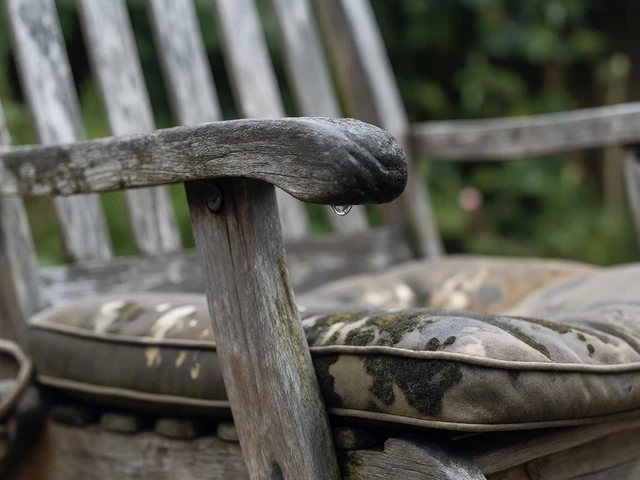
Imagine moving into a new apartment and pulling your favorite vintage dresser out of storage, only to find the drawers sticking because the wood has swollen. Or worse, discovering black mold spots on your sofa cushions after they sat in a damp garage for six months. This is the harsh reality of storing furniture in non-climate-controlled spaces. Unlike climate-controlled units that maintain steady temperatures and humidity levels, standard storage areas-like basements, attics, or cheap self-storage facilities-swing wildly with the seasons.
In places like Vancouver, where rain is practically part of the daily routine, or in regions with scorching summers and freezing winters, these fluctuations are brutal on materials. Wood expands when it absorbs moisture and shrinks when it dries out. Metal rusts. Fabric breeds mildew. If you have no choice but to use a non-climate-controlled space, you need a strategy that fights back against nature. It’s not just about stacking boxes; it’s about creating a micro-environment for each piece of furniture.
Before we get into the nitty-gritty of wrapping and packing, let's address the elephant in the room: what actually goes into these spaces? While most people store sofas and tables, some individuals use storage units for highly personal items or even business assets related to luxury services. For instance, someone managing a high-end service directory might store promotional materials or equipment in a secure unit, similar to how one might organize resources found on this resource. Regardless of whether you are storing a dining table or a server rack, the principles of protection remain the same: keep it dry, keep it elevated, and keep it wrapped.
Understanding the Enemy: Humidity and Temperature Swings
To protect your furniture, you first need to understand what is trying to destroy it. In a non-climate-controlled unit, two main factors are at play: relative humidity and temperature variance. Wood is hygroscopic, meaning it naturally absorbs and releases moisture from the air. When humidity rises above 60%, wood fibers swell. When it drops below 30%, they shrink. This constant breathing cycle causes joints to loosen, veneers to crack, and finishes to cloud.
Metal isn't immune either. Iron and steel components will oxidize rapidly in humid conditions, leading to rust that can stain fabrics and weaken structural integrity. Plastic and synthetic materials may become brittle in extreme cold or warp under intense heat. Understanding these reactions helps you choose the right protective measures. You aren't just covering up furniture; you are building a barrier against chemical and physical changes.
The Golden Rule: Never Touch the Floor
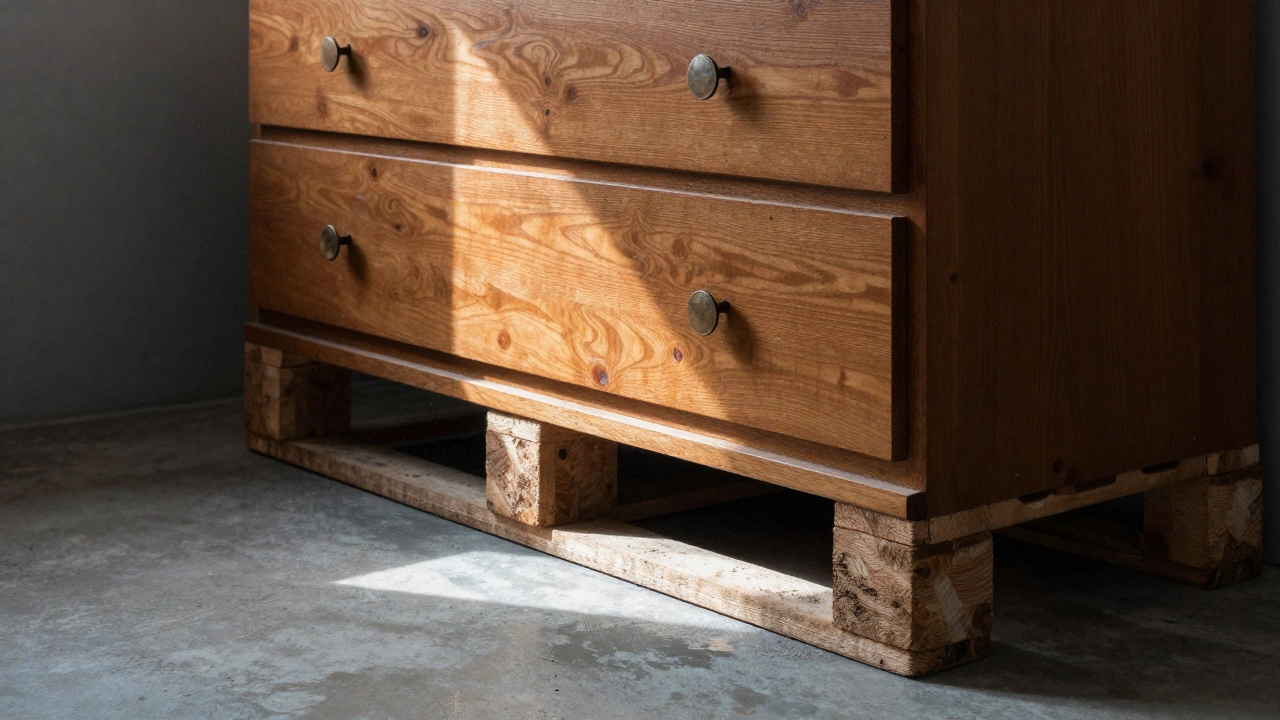
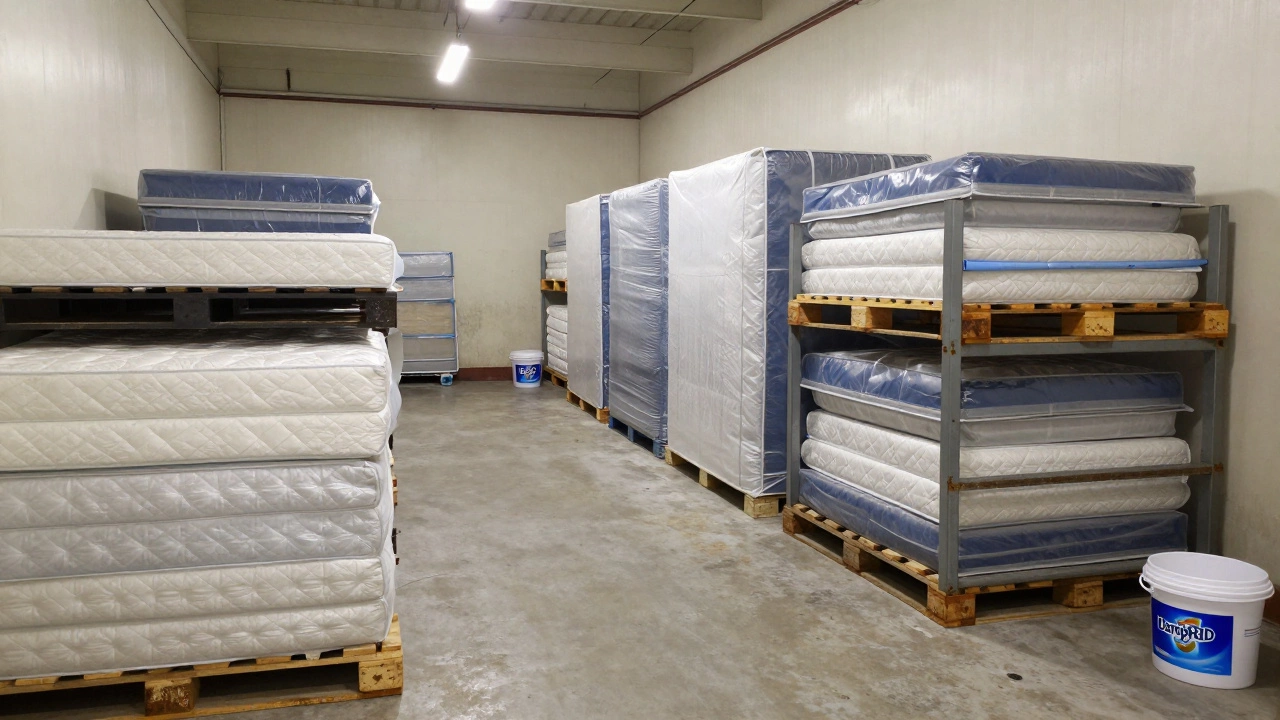
If you take away only one tip from this guide, let it be this: never place furniture directly on the concrete floor of a storage unit. Concrete is porous and acts as a wick, pulling moisture from the ground into anything sitting on top of it. Even if the floor looks dry, capillary action can transfer dampness over time.
Use pallets, cinder blocks, or thick plastic sheeting as a base. Wooden pallets are ideal because they elevate your items by several inches, allowing air to circulate underneath. This airflow is crucial for preventing stagnant, moist air from settling around the bottom of your pieces. If you are storing heavy items like solid oak dressers, ensure the pallets are sturdy enough to support the weight without sagging. A sagging pallet defeats the purpose of elevation and can cause uneven stress on your furniture legs.
Preparation: Cleaning and Conditioning Before Storage
You wouldn’t leave dirty dishes in the sink for three months, so don’t leave dirt on your furniture. Dust, food crumbs, and oils attract pests and trap moisture against surfaces. Start by giving every piece a thorough cleaning. Use appropriate cleaners for each material: wood polish for hardwoods, leather conditioner for upholstery, and mild soap for metal frames.
For wooden furniture, apply a fresh coat of wax or oil before storing. This creates a hydrophobic layer that repels moisture. Think of it like putting sunscreen on your skin before going outside; it doesn’t stop the sun, but it protects the surface. For upholstered items, consider professional steam cleaning to remove hidden allergens and stains. Once cleaned, allow everything to dry completely. Trapping even a little bit of cleaning solution inside wraps can lead to mold growth within weeks.
Wrapping Techniques That Actually Work
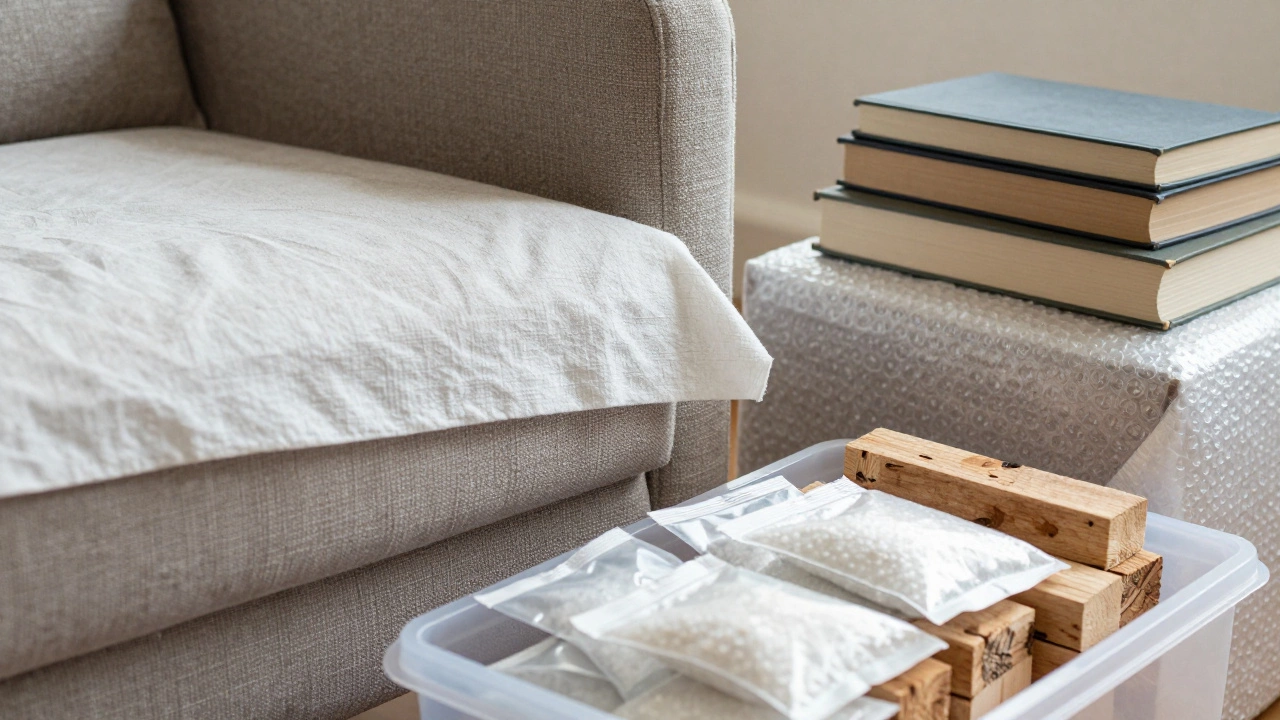
Plastic wrap is a common go-to, but it’s often used incorrectly. Standard polyethylene plastic traps moisture inside, creating a greenhouse effect that encourages mold. Instead, use breathable fabric covers or specialized furniture blankets. These materials allow vapor to escape while blocking dust and debris.
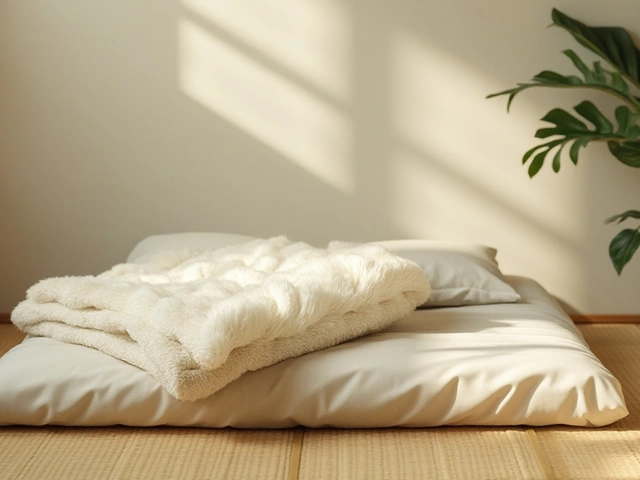
If you must use plastic, opt for vented garment bags or perforated wraps. Another effective method is the "double-wrap" technique: first, wrap the item in acid-free paper or bubble wrap for cushioning, then cover it with a breathable cotton sheet. Avoid using newspaper directly on wood, as the ink can transfer and stain light-colored finishes over time. For mattresses and box springs, use waterproof mattress enclosures specifically designed for long-term storage. These zippered bags seal out moisture and pests effectively.
Strategic Placement and Airflow Management
How you arrange your furniture matters just as much as how you wrap it. Create aisles between stacks of items to allow air to flow freely. Stagnant air pockets become breeding grounds for mold and mildew. Place heavier items on the bottom and lighter ones on top, but never stack more than two layers high unless the items are designed for it.
Keep furniture away from exterior walls if possible. Walls are prone to condensation, especially during temperature swings. Aim for at least six inches of clearance between your items and the walls. This buffer zone reduces the risk of water damage from leaks or seepage. If your storage unit has windows, close them tightly and seal any gaps with weatherstripping to prevent rain and pests from entering.
Controlling Moisture with Desiccants
In a non-climate-controlled environment, you need to actively manage humidity. Silica gel packets are great for small boxes, but for larger spaces, you’ll need industrial-strength desiccants. Calcium chloride-based products, such as DampRid buckets, are highly effective at pulling moisture from the air. Place these containers strategically around the unit, especially near the floor and corners where condensation tends to form.
Another option is activated charcoal bags, which absorb odors and moderate humidity levels naturally. Replace or recharge these desiccants regularly according to the manufacturer’s instructions. Ignoring them turns them into useless, saturated sponges that do nothing to protect your belongings. Check the indicator color on silica gel packs-they change from blue to pink when they’re full-and swap them out immediately.
Pest Prevention: Keeping Bugs Out
Stored furniture is an inviting buffet for insects like silverfish, carpet beetles, and termites. They love dark, undisturbed environments rich in organic materials. To deter them, avoid storing cardboard boxes directly with furniture, as cardboard attracts pests and holds moisture. Opt for plastic bins with tight-sealing lids instead.
Natural repellents like cedar blocks, lavender sachets, and mothballs can help keep bugs away. Cedar emits oils that many insects find unpleasant, making it a popular choice for closets and drawers. Place cedar chips inside drawers and cabinets, and replace them annually as the scent fades. Mothballs contain naphthalene, which is toxic to pests but also harmful to humans and pets if ingested or inhaled in large quantities. Use them sparingly and keep them sealed in containers to minimize exposure.
| Method | Best For | Pros | Cons |
|---|---|---|---|
| Breathable Covers | Wooden Furniture | Allows airflow, prevents mold | Less protection against dust |
| Plastic Wrap (Vented) | Upholstery, Mattresses | Blocks dust, lightweight | Can trap moisture if not vented |
| Silica Gel/Desiccants | All Items | Actively removes humidity | Requires regular replacement |
| Cedar Blocks | Drawers, Closets | Natural pest repellent | Scent fades over time |
Regular Maintenance Checks
Storing furniture isn’t a "set it and forget it" task. Schedule quarterly visits to inspect your items. Look for signs of mold, rust, or pest activity. Feel the surface of the wood-if it feels sticky or damp, increase ventilation and add more desiccants. Rotate mattresses and flip cushions to prevent permanent indentations and ensure even drying.
During these checks, refresh your protective measures. Reapply wax to wood surfaces if needed, replace cedar blocks, and check the integrity of your wraps. Small issues caught early can save you from catastrophic damage later. Document any changes in condition with photos to track progress and identify problem areas.
When to Consider Climate Control
While DIY methods can mitigate risks, they aren’t foolproof. If you are storing high-value antiques, delicate instruments, or irreplaceable family heirlooms, investing in climate-controlled storage is worth the extra cost. These units maintain temperatures between 55°F and 85°F and keep humidity below 50%, providing a stable environment that preserves materials indefinitely.
For short-term storage (less than three months), non-climate-controlled spaces with proper preparation are usually sufficient. But for long-term projects (six months or more), the cumulative effects of environmental stress make climate control a safer bet. Calculate the potential repair or replacement costs of damaged items against the monthly premium of climate-controlled units. Often, the peace of mind alone justifies the expense.
Can I store my leather sofa in a non-climate-controlled unit?
Yes, but with caution. Leather is sensitive to both heat and humidity. Clean and condition the leather thoroughly before storage. Wrap it in a breathable cotton cover rather than plastic, which can cause cracking. Place silica gel packets nearby to control moisture. Inspect the sofa every few months for signs of drying or mold.
How do I prevent wood warping in storage?
Warping occurs due to uneven moisture absorption. Keep wood furniture elevated off the floor and away from exterior walls. Maintain consistent humidity levels using desiccants. Avoid stacking heavy items on top of wooden pieces, as pressure combined with humidity can cause bending. Apply a protective wax finish before storage to create a moisture barrier.
Is it safe to use mothballs for furniture storage?
Mothballs are effective against pests but contain toxic chemicals like naphthalene. Use them sparingly and only in sealed containers or enclosed drawers. Never place them directly on fabric or wood surfaces, as they can leave residues. Ensure good ventilation when removing stored items, and keep them away from children and pets.
What should I do if I find mold on stored furniture?
Act quickly to prevent spread. Remove the affected item from storage and take it outdoors. Brush off loose mold with a soft brush. For hard surfaces, wipe with a mixture of water and white vinegar. For fabrics, consult a professional cleaner. Discard severely damaged items that cannot be fully cleaned. Address the root cause by improving ventilation and adding desiccants to the storage area.
How often should I check my stored furniture?
Inspect your furniture at least once every three months. During these checks, look for signs of moisture, pests, or physical damage. Refresh desiccants, reposition items if necessary, and ensure all covers are intact. More frequent checks are advisable during seasonal transitions when humidity and temperature fluctuate significantly.