Designer vs. Decorator Decision Tool
Select the tasks that apply to your current project:
Result
Description goes here.
Why this choice?
You walk into a friend’s living room and think it looks amazing. The colors pop, the furniture fits perfectly, and there isn’t an inch of wasted space. You ask who did it, and they say, “I hired an expert.” But which one? An interior designer is a licensed professional trained in building codes, structural changes, and spatial planning to create functional and safe environments, or an interior decorator is a specialist focused on aesthetics, color schemes, furnishings, and accessories to enhance the visual appeal of existing spaces? It sounds like splitting hairs until you realize the difference can cost you thousands-or worse, leave your home structurally unsound.
The confusion is common because both roles involve making spaces look good. But their training, scope of work, and legal responsibilities are worlds apart. If you’re planning a major remodel, you need a designer. If you just want to refresh your sofa and pick new curtains, a decorator might be your best bet. Let’s break down exactly what each professional does so you don’t hire the wrong person for the job.
The Core Difference: Structure vs. Surface
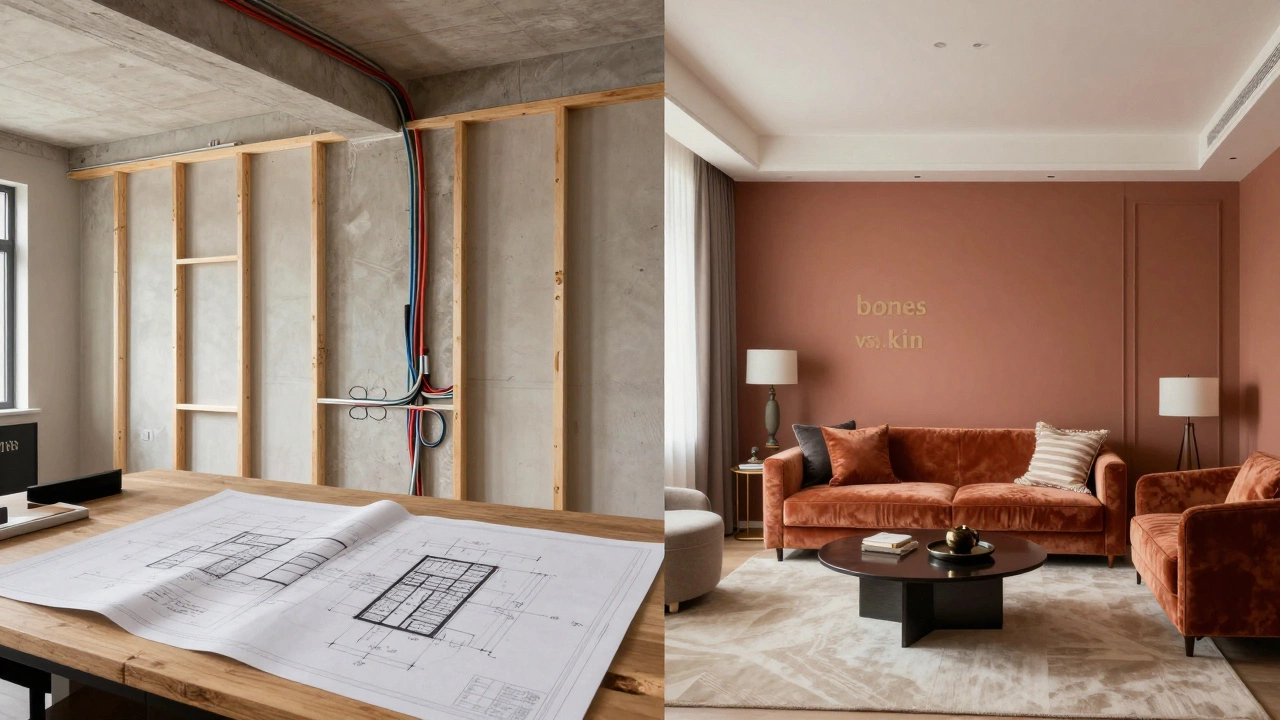
At its heart, the distinction comes down to bones versus skin. An interior designer works with the bones of a building. They deal with load-bearing walls, electrical wiring, plumbing layouts, and fire safety regulations. Their goal is to make a space function correctly and safely before worrying about how it looks. An interior decorator deals with the skin. They focus on paint colors, fabric textures, lighting fixtures, and artwork. They do not move walls or change the fundamental layout of a room.
Think of it this way. If you want to knock down a wall between your kitchen and dining room to create an open-concept floor plan, you call an interior designer. They will check if that wall is load-bearing, consult with architects, and ensure the new layout meets local building codes. If you already have an open kitchen but hate the beige cabinets and want to add a bold backsplash and modern pendant lights, you call an interior decorator. They will help you select materials that tie the room together visually without touching the structure.
Education and Licensing Requirements
This is where the gap widens significantly. Becoming a certified interior designer requires rigorous education and often government licensing. In many regions, including parts of the United States and Europe, interior designers must complete a bachelor’s degree from an accredited program. These programs cover architectural drafting, environmental psychology, building systems, and sustainable design practices. After graduation, many designers must pass the NCIDQ (National Council for Interior Design Qualification) exam to practice legally, especially when working on commercial projects or public spaces.
Interior decorators, on the other hand, do not require formal degrees or licenses. While some decorators pursue certificates in color theory or textile design, there is no legal barrier to entry. Anyone can hang a shingle and call themselves a decorator. This means the quality of work can vary wildly. Some decorators are incredibly talented stylists with an eye for detail, while others may lack the technical knowledge to source durable materials or understand scale and proportion in larger rooms.
| Criteria | Interior Designer | Interior Decorator |
|---|---|---|
| Education | Bachelor’s degree required | No formal degree required |
| Licensing | Often required (e.g., NCIDQ) | Not required |
| Technical Skills | Blueprints, CAD, building codes | Color theory, styling, sourcing |
| Scope | Structural changes, functionality | Aesthetics, accessories, soft goods |
What Does an Interior Designer Actually Do?
An interior designer acts as a project manager and technical consultant. When you hire them, you’re paying for problem-solving skills. They start by analyzing your lifestyle needs. Do you work from home? Do you have young children? Do you entertain frequently? Based on these answers, they draft detailed plans that optimize traffic flow, storage solutions, and natural light.
Designers use specialized software like AutoCAD or SketchUp to create precise drawings. These aren’t just pretty pictures; they are construction documents. Contractors use these blueprints to install outlets, place HVAC vents, and frame walls. A designer ensures that the outlet you planned for your desk isn’t blocked by a bookshelf later. They also handle material specifications, ensuring that flooring can withstand high foot traffic and that fabrics meet fire safety standards for commercial buildings.
In residential settings, designers often coordinate with architects. If you’re adding a sunroom or converting a garage into a bedroom, the designer ensures the new space integrates seamlessly with the rest of the house. They consider insulation, soundproofing, and energy efficiency. Their work is invisible once it’s done-you just feel comfortable and safe-but it’s essential for the longevity of your home.

The Role of an Interior Decorator
If designers build the stage, decorators dress the actors. An interior decorator’s primary tool is the eye. They excel at creating mood and atmosphere through sensory details. They know how to mix patterns that shouldn’t theoretically work but do. They understand how warm lighting affects the perception of cool gray walls. Their job is to make a space feel inviting, personal, and stylish.
Decorators spend most of their time sourcing products. They have access to trade-only showrooms where they can find unique furniture, custom drapery fabrics, and artisanal art pieces that you won’t find at big-box stores. They manage the logistics of delivery, ensuring that every piece arrives on time and fits within your budget. They also handle the final styling-arranging pillows, placing books on shelves, and hanging artwork at the correct height.
Many homeowners hire decorators after the hard construction work is finished. Maybe you bought a newly built home that feels sterile and generic. A decorator can transform it into a home that reflects your personality. They might suggest painting an accent wall, replacing standard hardware with brass pulls, or adding a large area rug to define a seating area. Their impact is immediate and visible.
When to Hire Which Professional
Choosing between the two depends entirely on your project goals. Here is a simple rule of thumb: if you are changing the structure or systems of the room, hire a designer. If you are keeping the structure intact and focusing on looks, hire a decorator.
- Hire an Interior Designer if: You are remodeling a kitchen or bathroom, knocking down walls, adding windows, or redesigning a commercial office space. You need someone who can pull permits and work with contractors.
- Hire an Interior Decorator if: You want to update your living room decor, choose a new color palette, select furniture for a furnished rental, or style a nursery. You need someone who can make the space look magazine-ready.
Sometimes, you need both. Many high-end firms offer full-service packages where a designer handles the structural planning and a decorator executes the final styling. This collaboration ensures that the space is both functional and beautiful. However, hiring both separately can be expensive. For most homeowners, starting with a designer for the heavy lifting and then doing the decorating yourself-or hiring a decorator for a limited consultation-is a cost-effective middle ground.

Costs and Budget Considerations
Expect to pay more for an interior designer. Their fees reflect their expertise, liability insurance, and the administrative burden of managing construction documents. Designers typically charge hourly rates ranging from $100 to $500 per hour, or a flat fee based on the square footage of the project. Some charge a percentage of the total construction cost. Because they oversee the entire process, their involvement usually spans months.
Decorators generally charge less, though top-tier stylists can still command high prices. They might charge a flat fee for a room package, which includes furniture selection and styling, or an hourly rate for consultations. Since their work doesn’t involve construction delays or permit issues, the timeline is much shorter-often just a few weeks. If your budget is tight, a decorator can provide a high-impact refresh without breaking the bank. A designer, however, adds value by preventing costly mistakes during renovation, which can save you money in the long run.
Common Misconceptions About Both Roles
One big myth is that interior designers only care about looks. In reality, aesthetics are secondary to function for a designer. A beautiful chair that hurts your back or a stunning layout that blocks airflow is a failure in their eyes. Another misconception is that decorators are unskilled. Good decorators have deep knowledge of textiles, lighting physics, and human behavior. They know how to manipulate perception to make small rooms feel larger or low ceilings feel higher.
People also assume you can’t hire a decorator without a designer first. That’s not true. If your home is structurally sound and you just want a facelift, a decorator is perfectly qualified. Conversely, you don’t always need a designer for a remodel if you’re working with a general contractor who has an in-house design team. Always clarify who is responsible for the plans before signing any contracts.
How to Vet Your Professional
Whether you choose a designer or a decorator, due diligence is key. Ask for portfolios that show completed projects similar to yours. Look for consistency in quality and attention to detail. Check references from past clients to learn about their communication style and reliability. For designers, verify their license and membership in professional organizations like ASID (American Society of Interior Designers) or IIDA (International Interior Design Association). For decorators, look for reviews that highlight their ability to stay within budget and deliver on promises.
During the initial consultation, pay attention to how they listen. Do they ask about your daily routine? Do they explain technical terms clearly? Or do they push expensive items without considering your needs? The right professional will act as a partner, guiding you toward decisions that fit your life and budget, not just their portfolio.
Can an interior decorator move walls?
No, an interior decorator cannot move walls. Moving walls involves structural changes that require architectural plans, engineering assessments, and building permits. Only licensed interior designers or architects are qualified to handle such tasks legally and safely.
Do I need a license to become an interior decorator?
No, there is no legal requirement for a license to become an interior decorator. Unlike interior designers, who often need degrees and certifications like the NCIDQ, decorators can enter the field with just experience and a strong portfolio.
Who is cheaper, an interior designer or a decorator?
Generally, an interior decorator is cheaper because their services focus on aesthetics and do not involve complex structural planning or permit management. However, designers can save money long-term by preventing costly construction errors.
Can an interior designer also decorate my home?
Yes, most interior designers are skilled in decoration as well. They handle both the functional layout and the aesthetic finishes. However, some designers prefer to focus solely on technical aspects and may outsource the styling to a decorator.
What should I do first: design or decorate?
You should always design first. Establishing the layout, lighting, and structural elements creates the framework for the space. Decorating last ensures that your furniture and accessories fit properly and complement the functional design.