Sofa Cushion Foam Calculator
Calculate the precise foam dimensions needed for your cushion repair. This tool accounts for the 0.5-inch buffer recommended in the article.
Your Foam Dimensions
Width: inches
Depth: inches
Height: inches
Why these sizes: 0.5-inch buffer for easy insertion as recommended in the article
If your sofa cushions look flat, lumpy, or just won’t stay in place, you’re not alone. Many people assume non-removable cushions mean you’re stuck with them forever - but that’s not true. You can fix them. No need to buy a new sofa. With a few tools and some elbow grease, you can bring your couch back to life. This isn’t about fancy tricks. It’s about understanding what’s inside those cushions and how to fix it.
Why Do Non-Removable Cushions Go Flat?
Most sofa cushions are filled with foam, fiberfill, or a mix of both. High-density foam lasts longer, but even the best foam breaks down over time. After 5-7 years, it starts to compress and lose its bounce. Fiberfill, like polyester batting, clumps and shifts. That’s why your cushion looks squished on one side or has a dip in the middle.
Some cushions also have a thin layer of down or feathers under the foam. These can migrate, leaving empty spots. Even if the cushion cover looks fine, the inside is worn out. You can’t see it, but you feel it every time you sit down.
What You’ll Need
You don’t need a toolkit from Home Depot. Here’s what you’ll actually use:
- Long, thin needle or upholstery needle (available at fabric stores)
- Strong thread (upholstery thread or heavy-duty polyester)
- Scissors
- Staple gun (optional, for hidden seams)
- High-density foam (1.8-2.5 lb density, 2-4 inches thick)
- Polyester fiberfill (optional, for fluffing)
- Plastic bag or large envelope (to help slide foam in)
You can buy foam by the inch at craft stores or online. Look for high-density upholstery foam. Avoid low-density foam - it’ll compress again in a year. A 2-inch thick sheet costs around $25 and can fix two cushions.
Step-by-Step: How to Access the Cushion
Even if the cushion cover is sewn shut, there’s usually a hidden seam. Check the bottom edge of the cushion. Most sofas have a zipper or a seam stitched along the underside. If you don’t see one, look for a slight ridge or stitching line - that’s where it’s sealed.
Use a seam ripper or small scissors to carefully open the seam. Don’t cut the fabric. Just snip the stitches. Take a photo before you start so you know how to sew it back. You’ll need to reseal it exactly the same way.
If there’s no seam at all, you might need to remove the entire cushion cover. Look for staples or tacks holding the cover to the sofa frame. Use a flathead screwdriver or staple remover to gently lift them. Keep them in a small container - you’ll need them later.
Remove the Old Foam and Clean
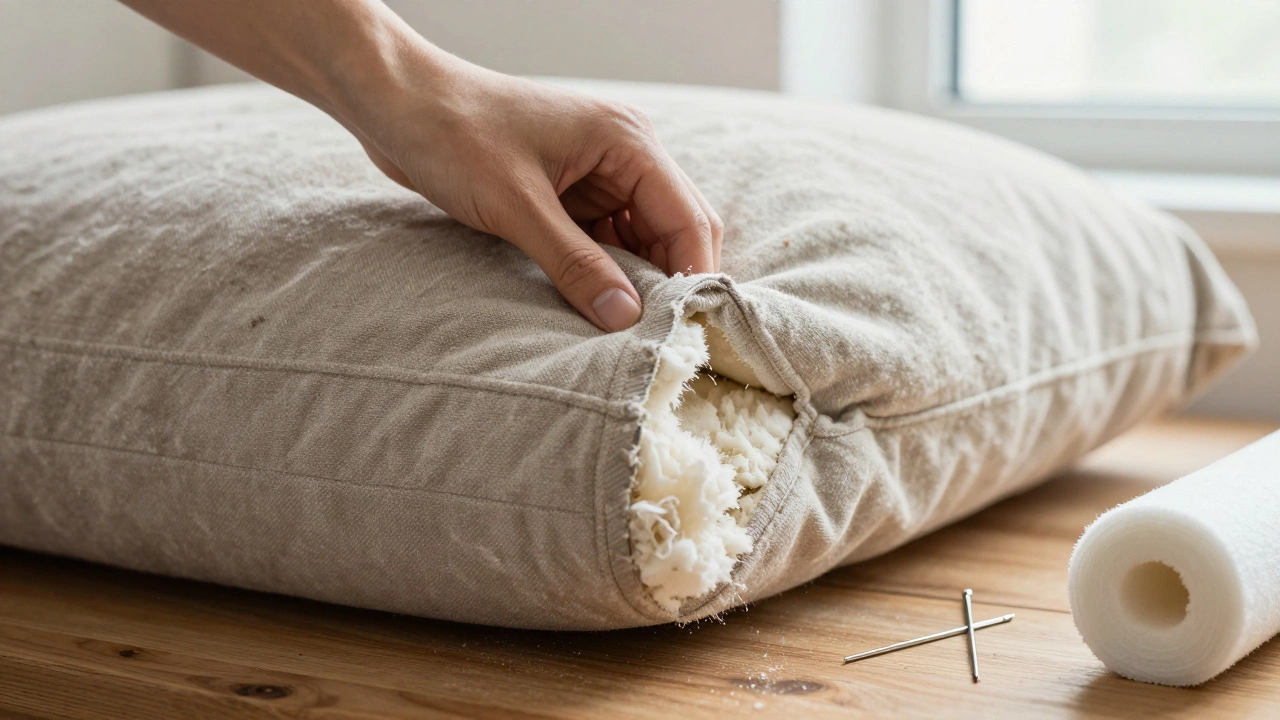
Once the cover is open, pull out the old foam. It might be stuck with glue or wrapped in a thin fabric layer. Peel that away. If there’s dust, lint, or pet hair inside, vacuum it out. A clean cushion lasts longer.
Check the fabric lining inside the cushion. If it’s torn or stretched, you’ll need to repair it. Use a needle and thread to sew small tears. If the fabric is too worn, wrap the new foam in a thin cotton sheet before putting it back in.
Replace the Foam
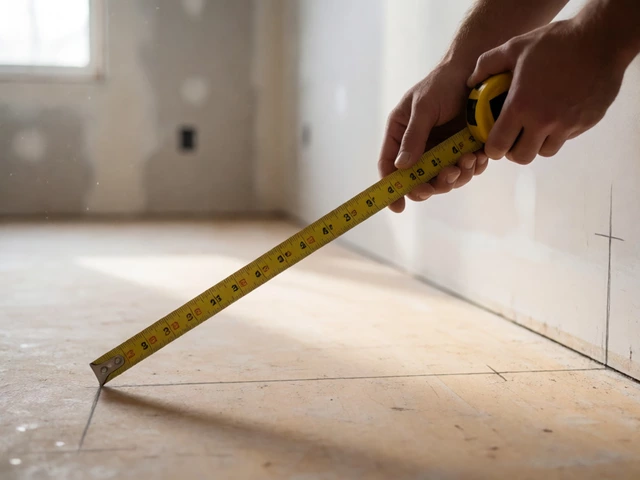
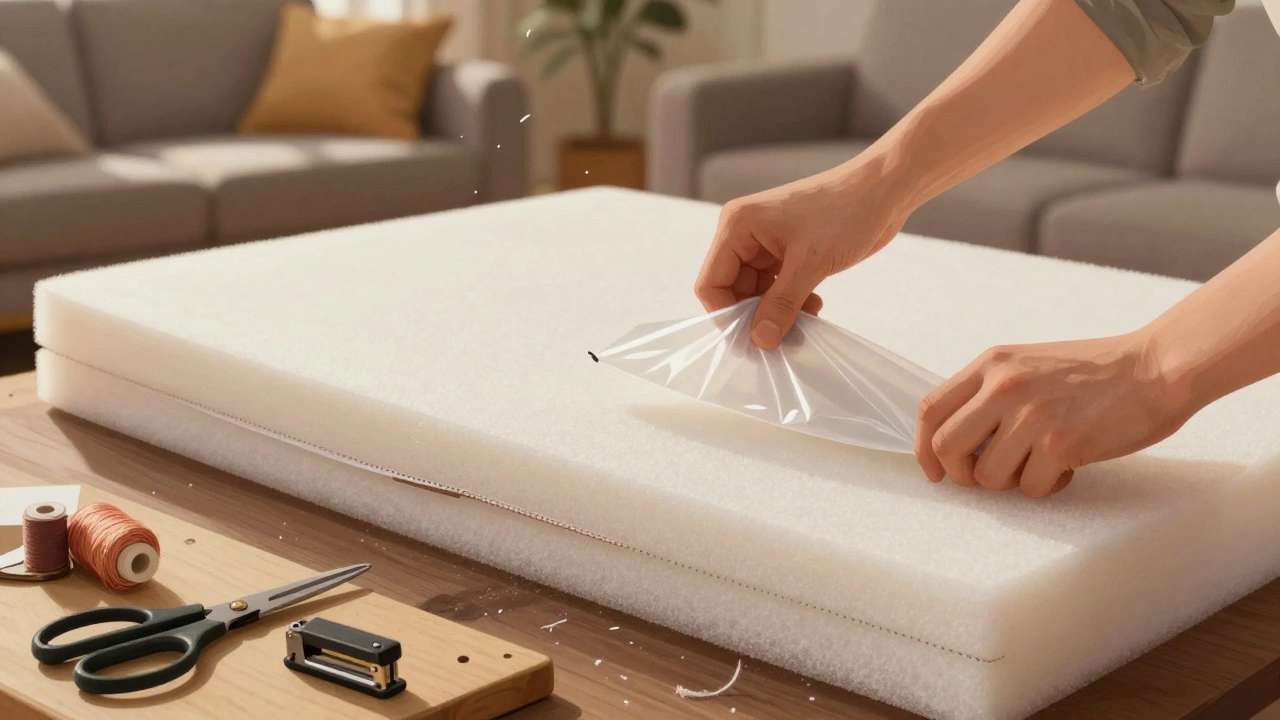
Measure the old foam. Cut the new foam to match. You want it to fit snugly - not too tight, not too loose. If the cushion is 20 inches wide, cut your foam to 19.5 inches. That gives you half an inch of room to slide it in.
Place the new foam inside a plastic bag. This helps it slide through the cushion cover without catching on fabric. Push it in slowly. Use your hands to guide it into the corners. Make sure it’s flat and even.
If you’re adding fiberfill, wrap it around the foam like a blanket. Don’t pile it on thick - just enough to fill gaps and restore shape. Too much fiberfill makes the cushion feel lumpy.
Reattach the Cover
Once the foam is in place, close the seam. If you used a seam ripper, stitch it back by hand with a needle and upholstery thread. Use a whipstitch - it’s strong and invisible from the outside. Pull each stitch tight. Don’t leave gaps.
If you removed the cover from the frame, reattach it with the original staples or tacks. Space them about 2 inches apart. Don’t over-staple - that can tear the fabric. Press the cover down as you go to avoid wrinkles.
What If You Can’t Open the Cushion?
Some sofas have cushions glued or permanently sewn into the frame. If you can’t access the inside without damaging the frame, you have two options:
- Top-up the cushion: Cut a small slit in the bottom fabric (hidden from view). Insert a thin layer of foam or fiberfill through the opening. Use a long tool like a chopstick to push it in. Seal the slit with fabric glue or a few hidden stitches.
- Use a cushion insert: Buy a foam topper designed for sofas. Place it on top of the existing cushion. It won’t fix the inside, but it adds support and lifts the surface. Look for ones with a non-slip bottom.
Top-ups work best for light use. If you have kids or pets, go with the full repair. A topper might slide around or look uneven.
How Long Will This Last?
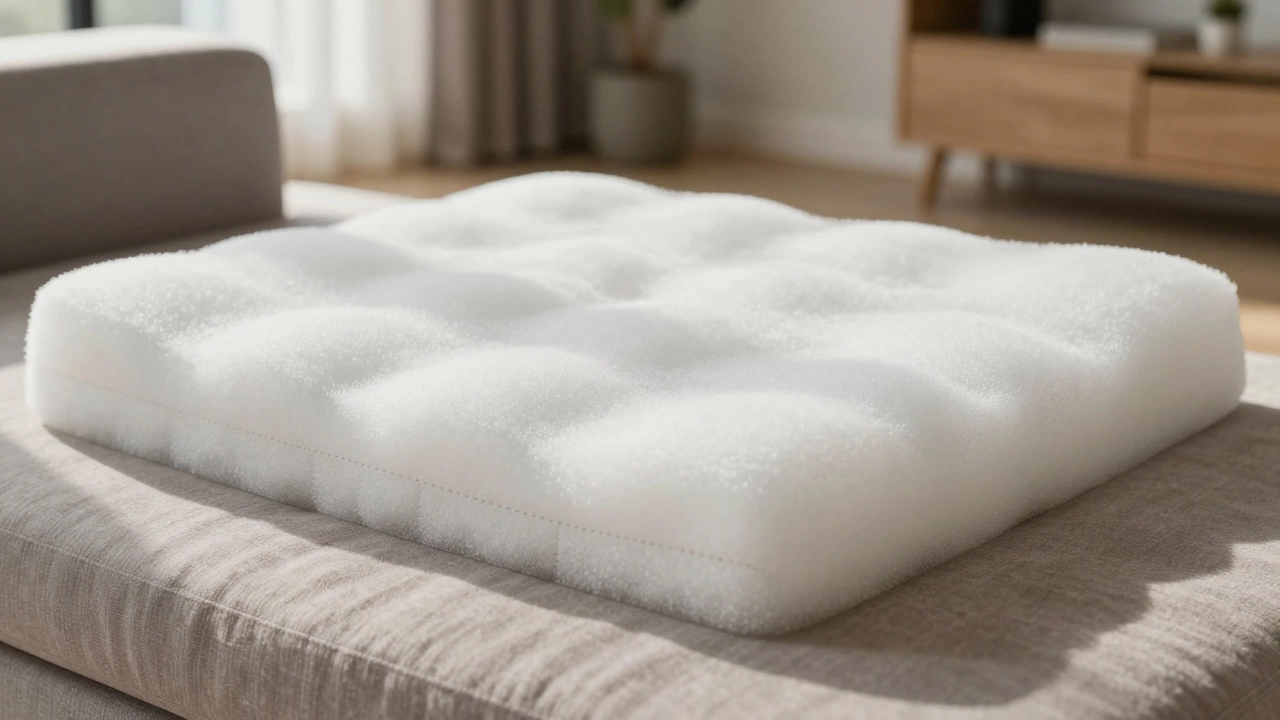
With high-density foam and proper stitching, your fix should last 5-8 years. That’s longer than most factory cushions. The key is using the right materials. Cheap foam from a dollar store will sag in 6 months. Stick to upholstery-grade foam - it’s worth the extra cost.
Rotate your cushions every 3 months. Even non-removable ones benefit from being flipped and turned. This spreads out the wear. If you sit in the same spot every day, the foam will compress faster. A little movement goes a long way.
When to Just Replace the Sofa
Not every sofa is worth saving. If the frame is wobbly, the springs are broken, or the fabric is stained and torn, it’s time to move on. But if the structure is solid and the cover is clean, you can extend the life of your sofa for years.
Ask yourself: Is the cost of repair more than 30% of a new sofa? If not, fix it. A new mid-range sofa costs $800-$1,500. Foam and thread cost under $50. That’s a no-brainer.
Pro Tips for Better Results
- Use a heat gun to gently reshape foam if it’s slightly misshapen. Don’t melt it - just warm it up for 10 seconds.
- Keep a spare piece of foam under your bed. You never know when you’ll need to top up another cushion.
- Wash the cushion cover if it’s removable. Even if it’s sewn shut, you can vacuum it with a brush attachment.
- Buy foam with a plastic wrap around it. That keeps it clean until you’re ready to use it.
Fixing non-removable cushions isn’t glamorous. But it’s practical. It saves money. It reduces waste. And it gives you back a sofa that feels like new again. You don’t need to be a professional. You just need to be willing to get your hands dirty.