Sofa Budget & Value Estimator
Estimate Long-Term Value
*Estimates are based on general industry standards mentioned in the guide. Actual lifespan varies based on usage and care.
You've probably noticed that looking for a new couch is a bit like entering a parallel universe. One store tells you a decent sectional is $800, and the next one insists that a "hand-curated" fabric piece is $6,000. Why is there such a massive gap? It usually comes down to what's hidden inside the frame and the quality of the fabric on the outside. If you're trying to figure out a realistic budget, you aren't just paying for a place to sit-you're paying for longevity and comfort.
Quick Price Breakdown
- Budget/Entry-Level: $300 - $1,000
- Mid-Range/Quality: $1,100 - $3,000
- High-End/Luxury: $3,000 - $10,000+
The Real Cost of Entry-Level Sofas
When you see a couch for under $1,000, you're usually looking at what the industry calls "flat-pack" or mass-market furniture. Budget Sofas are furniture pieces designed for affordability and ease of transport, often using engineered woods and synthetic fabrics.
At this price point, you'll find a lot of particle board and plywood. If you've ever had a couch "lean" to one side after a year, it's because the frame wasn't solid wood. The cushions are often made of low-density foam that loses its shape quickly. These are great for a first apartment or a guest room, but they aren't meant to survive a decade of daily use. You're essentially trading long-term durability for an immediate low price tag.
Mid-Range: The Sweet Spot for Most People
If you're spending between $1,100 and $3,000, you're entering the territory of "investment furniture." This is where you start seeing Kiln-Dried Hardwood, which is wood that has been dried in an oven to remove moisture, preventing the frame from warping or cracking over time.
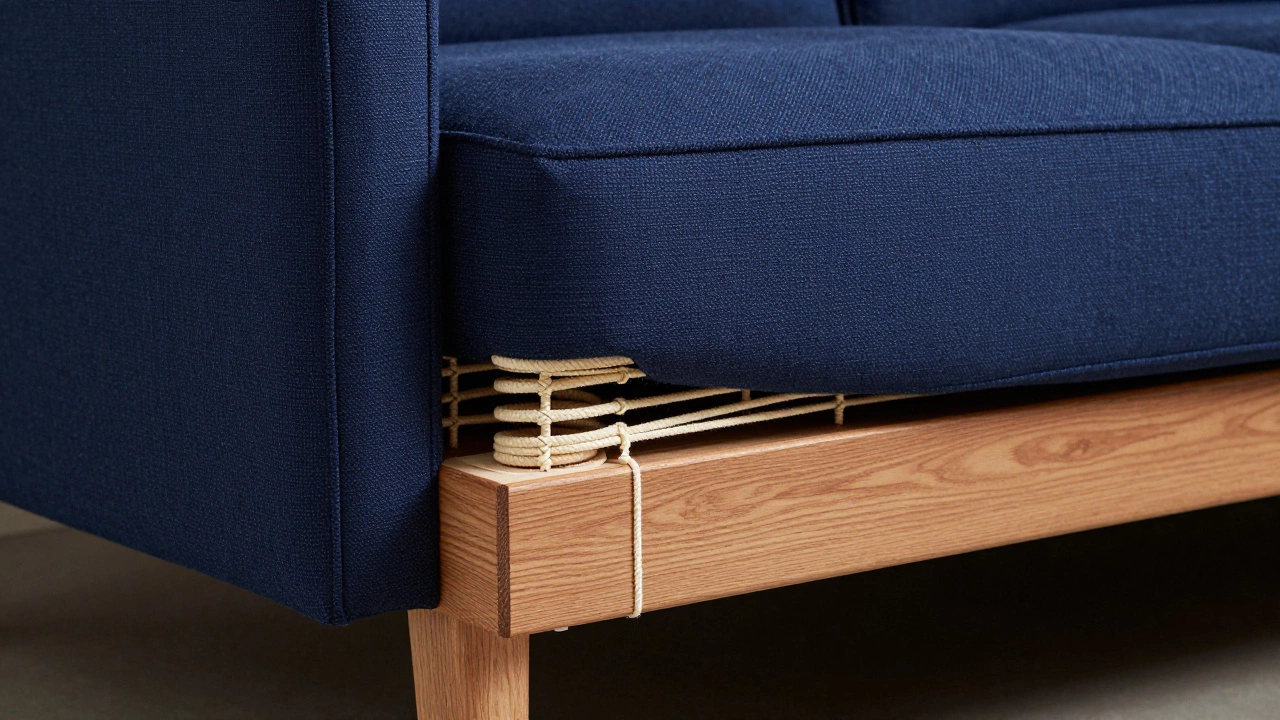
In this bracket, the average price of a sofa reflects better materials. You'll find 8-way hand-tied springs (where springs are tied with twine in eight directions) which keep the seat from sagging. The fabrics move from basic polyester to high-performance blends that can actually withstand a spilled glass of wine or a muddy dog. For most families, this range offers the best value because the jump in quality from the budget tier is massive, while the jump from mid-range to luxury is often purely about brand prestige.
Luxury and High-End Pricing
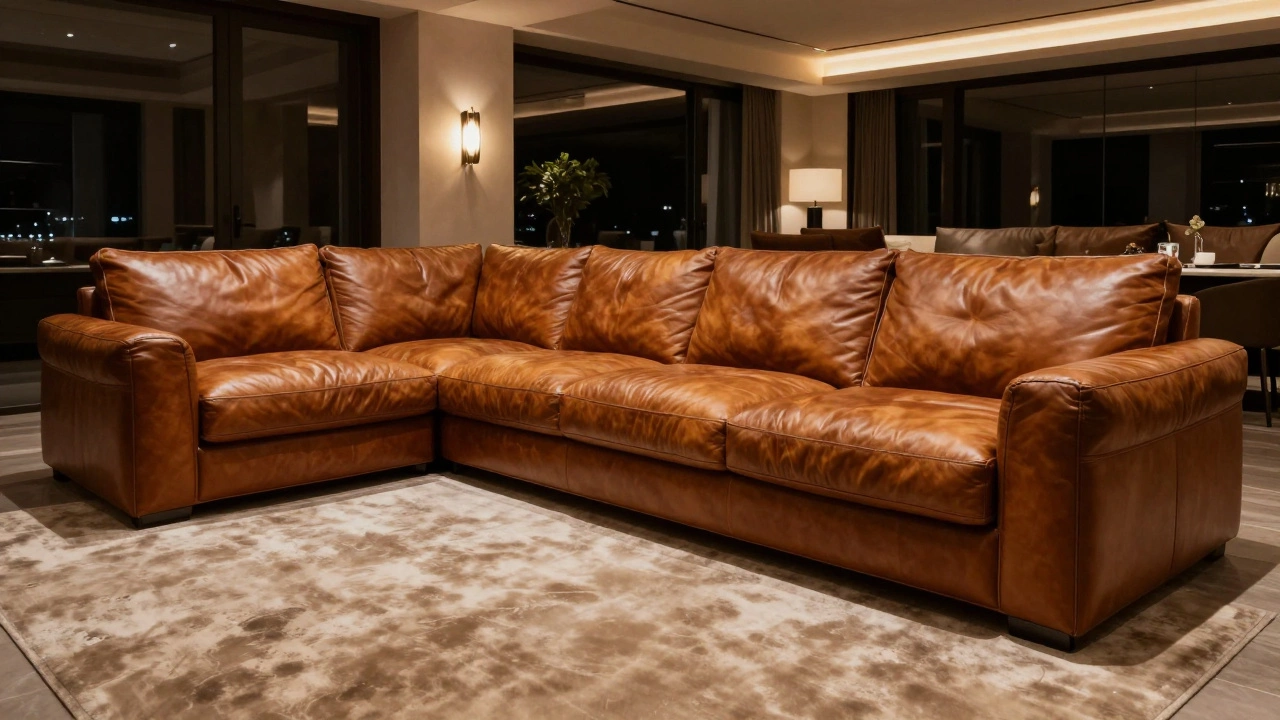
Once you cross the $3,000 mark, you're paying for craftsmanship and premium raw materials. Think Top-Grain Leather, which is the highest quality layer of the hide, offering the most durability and a natural patina that improves with age.
At this level, you aren't just buying a piece of furniture; you're buying a piece of engineering. Many luxury brands use memory foam layers combined with down feathers for that "sinking in" feeling. You might also see customized dimensions, where the sofa is built specifically for your room's measurements. While a $7,000 sofa is a huge hit to the wallet, the cost-per-year is often lower than a budget sofa because it can easily last 20 years instead of four.
Comparing Materials and Their Impact on Price
| Material | Typical Price Impact | Durability | Best For... |
|---|---|---|---|
| Polyester/Blend | Low to Mid | Medium | Budget-conscious / High traffic |
| Performance Fabric | Mid to High | High | Pets and Children |
| Bonded Leather | Low to Mid | Low | Short-term aesthetic |
| Full-Grain Leather | High | Very High | Lifetime investment |
Factors That Push the Price Up
Not all sofas are created equal, and a few specific features can send the price skyrocketing. First, consider the size. A standard three-seater is the baseline, but a Sectional Sofa-which is a large sofa composed of multiple independent sections that can be arranged in various configurations-will naturally cost more due to the volume of materials used.
Then there are the "hidden" costs. Motorized recliners add electronic components that need to be wired and maintained. Sleeper sofa mechanisms add significant weight and hardware costs. Even the type of cushion fill matters; a pure down-filled cushion is far more expensive than a polyurethane foam block. If you're shopping for sofa sets, remember that buying a matching love seat and chair often allows you to negotiate a bundle price, which can save you 10-15% compared to buying pieces individually.
Common Pitfalls When Shopping for Value
It's easy to get distracted by a beautiful showroom floor model, but a few red flags can tell you if a sofa is overpriced for its quality. If the sofa feels "light" when you push it, it's likely made of thin plywood or particle board. If the fabric feels scratchy or overly plastic-like, it's probably a low-grade synthetic that will pill (form little balls of fuzz) within a few months.
Another trick is to check the "rub count." This is a measure of how many times a fabric can be rubbed before it wears through. A high-quality performance fabric will have a rub count of 50,000 or more. If a salesperson can't tell you the durability rating of the fabric, you're likely paying for a brand name rather than a durable product.
Choosing the Right Sofa for Your Lifestyle
Before you commit to a price point, ask yourself how you actually use your living room. Do you spend every Sunday afternoon napping on the couch? If so, prioritize the cushion density and frame strength over the fabric's look. Do you have two toddlers and a golden retriever? In that case, spending an extra $500 on performance fabric is a smarter move than buying a cheaper leather sofa that will be scratched to pieces in a week.
For those on a tight budget, consider "modular" options. These allow you to start with a basic two-seater and add pieces as you save more money. It's a great way to get a high-quality brand without paying for a massive sectional all at once.
Is a $500 sofa worth it?
It depends on your needs. For a temporary living situation, a dorm, or a low-traffic guest room, yes. However, for a primary living room, a $500 sofa usually lacks a solid wood frame and high-density foam, meaning it will likely sag or break within 2-3 years.
Why is leather so much more expensive than fabric?
High-quality leather, specifically top-grain or full-grain, is a natural material that requires significant processing and skilled labor to work with. It is naturally more durable and water-resistant than most fabrics, which justifies the higher price point.
What is the difference between bonded leather and real leather?
Bonded leather is made from scrap leather fibers glued together with polyurethane. It looks like leather from a distance but peels and cracks much faster. Real leather (top-grain) is a solid hide that lasts for decades if cared for.
How can I tell if a sofa has a good frame?
Lift one corner of the sofa off the ground. If the rest of the frame twists or bends, it's likely made of low-quality materials. A solid kiln-dried hardwood frame will remain rigid and not flex when you lift a corner.
Does a higher price always mean better quality?
Not necessarily. Some brands charge a premium for a designer name or a trendy look despite using standard mid-range materials. Always check the frame material and the fabric rub count to ensure you're paying for quality, not just a logo.