Wall Art Size Calculator
Find Your Ideal Art Dimensions
Quick Takeaways for Perfect Art Placement
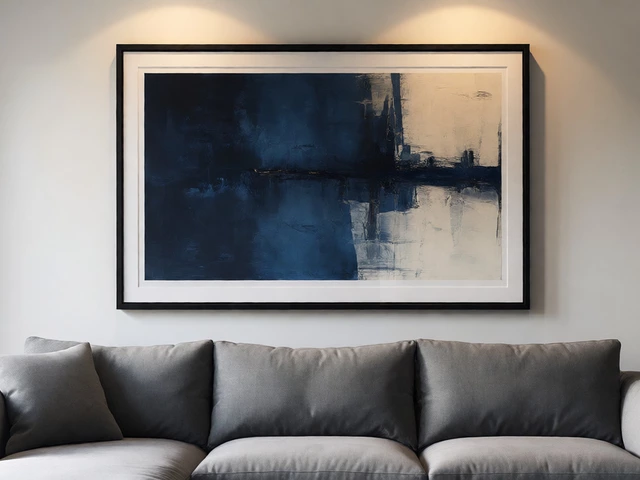
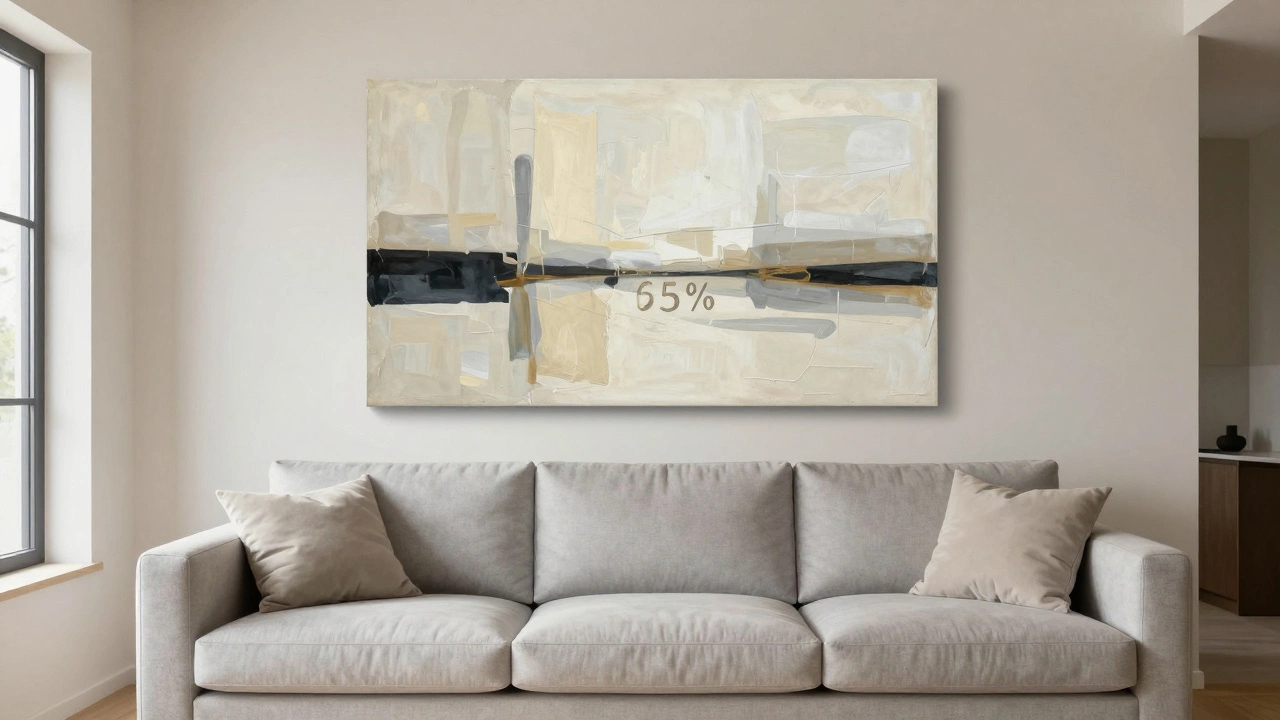
- Target Width: Your art should be 60% to 75% of the sofa's total width.
- The Goal: Avoid the "postage stamp" effect (art too small) or the "looming" effect (art too wide).
- Placement: Hang the bottom of the frame 6 to 10 inches above the back of the couch.
- Flexibility: Use galleries or groupings to hit the 2/3 mark if you don't have one giant piece.
Why Proportions Matter in Your Living Room
When we look at a room, our brains naturally seek symmetry and balance. If you place a 24-inch painting over a 90-inch sofa, the white space on either side swallows the art. It makes the painting feel insignificant and the wall feel cold. On the flip side, if the art extends past the edges of the couch, it creates a visual imbalance that makes the furniture feel cramped. Think of it like wearing a hat that is three sizes too big; it doesn't matter how nice the hat is, it just looks wrong because it doesn't fit the scale of your head. In a living room, the Sofa acts as the anchor. Since it's usually the largest piece of furniture in the room, every other design choice needs to relate back to its size to maintain a cohesive flow.How to Calculate Your Ideal Art Size
You don't need a degree in architecture to get this right-just a basic tape measure. Here is the exact process to find your magic number:- Measure your sofa: Measure the total width from arm to arm. If you have a sectional, measure the section that is directly against the wall where the art will go. Let's say your couch is 84 inches wide.
- Do the math: Multiply that width by 0.66 (for 2/3) and 0.75 (for 3/4). For an 84-inch sofa, your art should be between 55 and 63 inches wide.
- Account for frames: Remember that the frame adds width. If you have a 50-inch canvas in a 4-inch frame on each side, your total width is 58 inches. That fits perfectly.
| Sofa Width (Inches) | Minimum Art Width (2/3) | Maximum Art Width (3/4) |
|---|---|---|
| 72" (Small/Apartment) | 48" | 54" |
| 84" (Standard 3-Seater) | 56" | 63" |
| 96" (Large/Wide) | 64" | 72" |
| 120" (Large Sectional) | 80" | 90" |
Dealing with the "I Don't Have One Big Piece" Problem
Very few people happen to own a single 60-inch painting that perfectly matches their couch. The good news is that the 2/3 rule applies to the *total footprint* of the art, not just a single frame. You can achieve the same balance using a Gallery Wall or a triptych. If you have three smaller paintings, hang them side-by-side with 2 to 3 inches of space between them. The distance from the left edge of the first frame to the right edge of the last frame should hit that 60-75% mark. This is often a better choice for modern homes because it allows you to mix and match different styles and sizes while still keeping the room's proportions in check.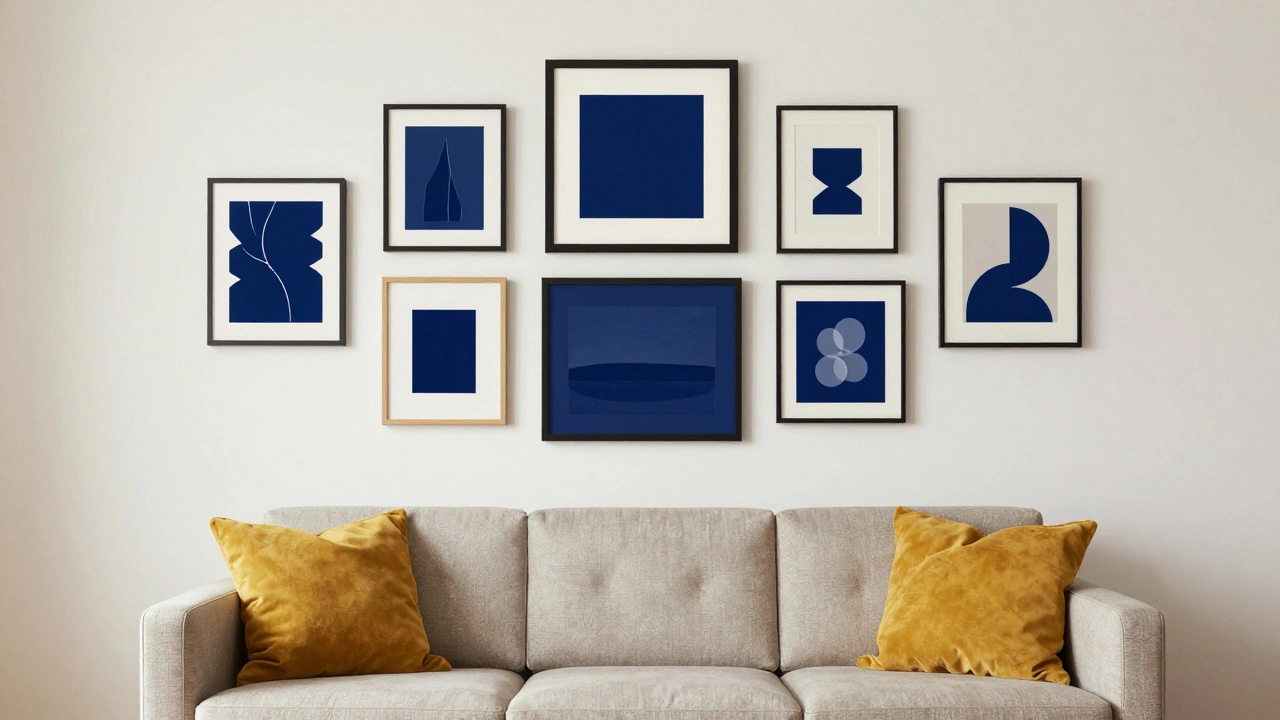
The Vertical Dimension: Height and Hanging
While width is the star of the 2/3 rule, height is where most people trip up. A common mistake is hanging art way too high-often called "skyscraper syndrome." If the art is floating near the ceiling, it loses its connection to the sofa and the room feels disjointed. As a rule of thumb, the bottom of your frame should sit about 6 to 10 inches above the top of the sofa back. This ensures that the art feels like it belongs to the furniture grouping. If you're hanging a very tall piece, you can lean toward the 6-inch mark. For shorter, wider pieces, 8 to 10 inches usually feels more natural. Keep in mind the "Eye Level" standard. In museums, art is typically hung so the center is 57 to 60 inches from the floor. In a living room, the relationship to the furniture takes priority over the distance from the floor. If you have to choose between the museum standard and the 6-10 inch gap above the couch, go with the gap. It anchors the Visual Weight of the room much better.Common Pitfalls to Avoid
Even with the math, there are a few traps that can ruin the look. First, avoid "center-clustering." This happens when you put a small piece of art in the dead center but leave massive gaps on the sides. It creates a vacuum effect that makes the art look like it's drifting away. If your art is too small, don't just center it-flank it with other elements like Sconces or leaning lamps to fill the void. Another mistake is ignoring the surrounding architecture. If you have a window or a door frame right next to your sofa, the 2/3 rule still applies, but you have to be careful not to let the art overlap the edge of the furniture or crowd the architectural feature. If the space is tight, you can drop down to 50% of the sofa width, but never go lower than that without adding secondary decor to help the art feel supported.
Beyond the Sofa: Applying the Rule Elsewhere
Once you get the hang of the 2/3 rule, you'll realize it's not just for couches. It's a universal principle of Interior Design. You can use the same logic for:- Bed Headboards: Your art above the bed should be roughly 2/3 the width of the headboard.
- Sideboards/Buffets: A large mirror or painting over a dining room sideboard follows the same ratio to prevent the furniture from looking like it's supporting a giant boulder.
- Entryway Tables: A console table in a foyer needs a proportional piece of art above it to keep the entry feeling balanced.
What if my sofa is a giant sectional?
For sectionals, focus only on the wall section directly behind the main seating area. Do not measure the entire L-shape of the couch. Instead, measure the width of the sofa that sits against the wall you are decorating. Apply the 2/3 rule to that specific width so the art doesn't feel disconnected from the seating.
Can I use a mirror instead of art for this rule?
Absolutely. Mirrors function exactly like art in terms of visual weight and scale. Following the 2/3 rule with a mirror is actually a great way to make a small living room feel larger while keeping the proportions correct.
Does the rule change if I have high ceilings?
The width rule remains the same regardless of ceiling height. However, if you have very high ceilings, you can afford to go slightly larger on the vertical scale of the art to fill the void. Just make sure the bottom of the piece stays within that 6-10 inch range above the sofa back.
What happens if my art is too small and I can't buy new pieces?
You can fix this by using a larger mat in your frame, which increases the overall size of the piece. Alternatively, group the small piece with other items like photos, small mirrors, or wall shelving to collectively reach the 2/3 width of the sofa.
Is 2/3 a strict law or a suggestion?
It is a guideline, not a law. If you have a very minimalist style or a specific statement piece that doesn't fit the math, you can deviate. However, if you find the room feels "off," the 2/3 rule is almost always the first place to look for the problem.