Home Decor Proportion Calculator
Room Dimensions & Furniture
Enter your room dimensions to calculate the ideal furniture size and check your layout balance.
Floor Space Analysis
60-30-10 Color Balance Check
Estimate how much visual weight each element has in your current setup.
Ever walked into a room and felt something was off, but couldn't quite put your finger on it? The couch looks fine. The rug is nice. But the space feels cramped or strangely empty. You’re likely violating the most fundamental principle of interior design, often called the golden rule. It’s not about gold paint or expensive art. It’s about proportion and balance.
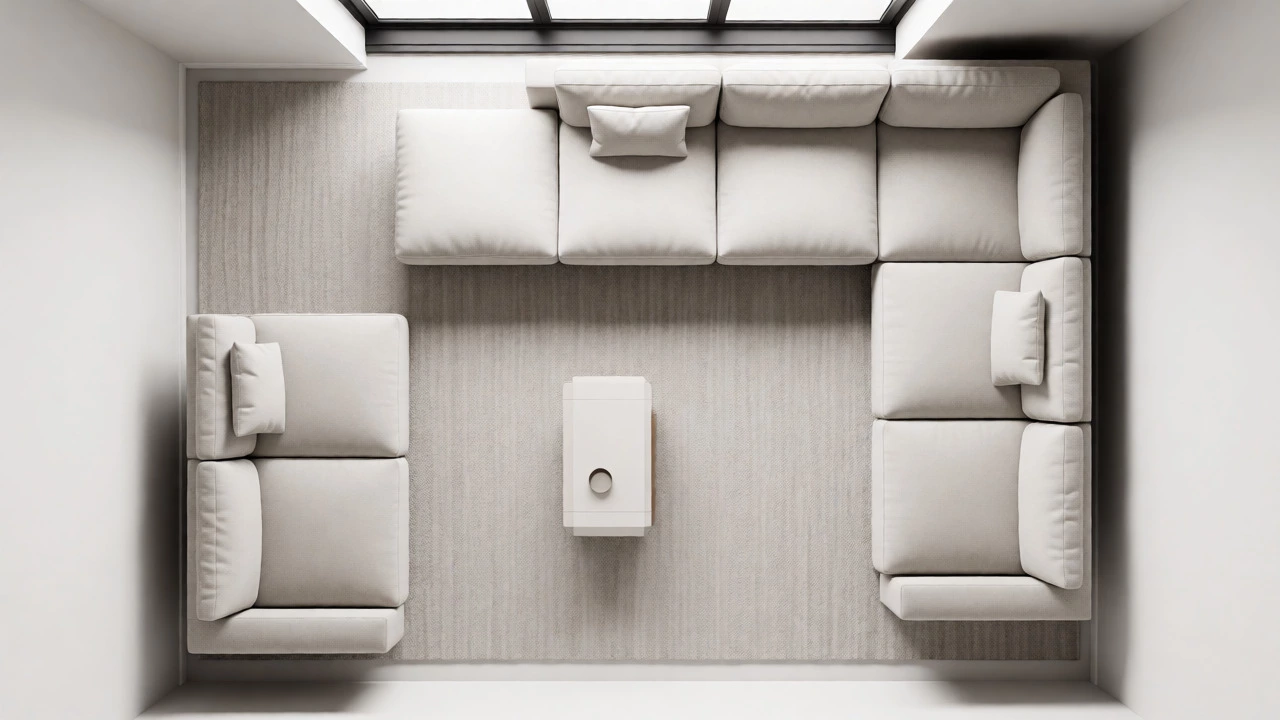
Most people think decorating is about picking pretty things. It’s actually about solving spatial puzzles. If you have a large L-shaped sectional or a bulky corner sofa, this rule becomes even more critical because these pieces dominate visual weight. Get it wrong, and your cozy Vancouver apartment feels like a showroom disaster. Get it right, and the room breathes.
Understanding the 60-30-10 Color Balance
You’ve probably heard designers talk about the 60-30-10 rule. It’s the safest way to ensure your room doesn’t look chaotic. Here’s how it breaks down in practice:
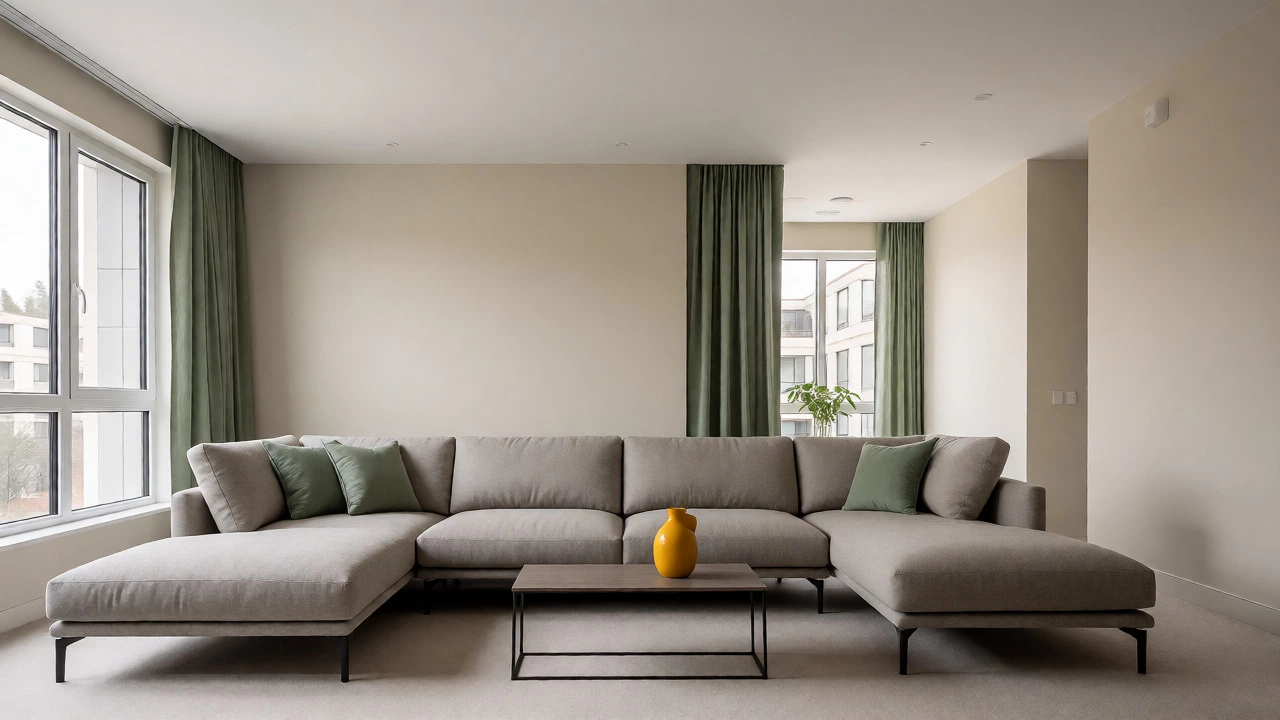
- 60% Dominant Color: This is usually your walls, large rugs, or the main upholstery of your largest piece of furniture, like a grey linen corner sofa.
- 30% Secondary Color: Think curtains, accent chairs, or throw pillows. These support the dominant color without competing for attention.
- 10% Accent Color: Small pops of personality. A vase, artwork, or a bright yellow throw blanket. This draws the eye and adds energy.
Why does this matter for corner sofas? Because sectionals are huge. If your corner sofa is a loud patterned velvet, it might eat up 80% of your visual budget. That leaves little room for secondary elements. To fix this, keep the walls neutral and use the 30% tier for solid-colored accessories. This creates harmony rather than noise.
Sizing Your Corner Sofa Correctly
Scale is where most homeowners fail. They buy a sofa that fits through the door but overwhelms the living room. The golden rule here is simple: furniture should occupy roughly 60-70% of the available floor space, leaving 30-40% for open circulation.
Let’s do the math. Say your living room is 15 by 20 feet (300 square feet). You shouldn’t fill it with 250 square feet of furniture. Aim for around 180 to 210 square feet of actual footprint. A typical three-seater sofa takes up about 25-30 square feet. A large corner sectional can easily hit 50-60 square feet once you account for its depth and any chaise extensions.
| Furniture Type | Avg Footprint (sq ft) | Visual Impact Level | Recommended Pairings |
|---|---|---|---|
| 1Corner Sectional | 45 - 60 | High | Minimal coffee table, slim side tables |
| 2Standard Sofa | 25 - 35 | Medium | Two armchairs, medium rug |
| 3Loveseat | 15 - 20 | Low | Large rug, multiple decorative items |
If you choose a corner sofa, you must subtract other bulky items. You cannot fit a massive sectional, two overstuffed armchairs, and a heavy wooden entertainment center in a small room without breaking the flow. The sofa becomes the anchor; everything else must be lighter.
The "Float" Technique for Open Spaces
One of the biggest myths is that pushing all furniture against the walls makes a room bigger. It actually creates a "dance floor" effect in the middle, making the space feel cold and disconnected. The golden rule of arrangement suggests floating key pieces away from walls when possible.
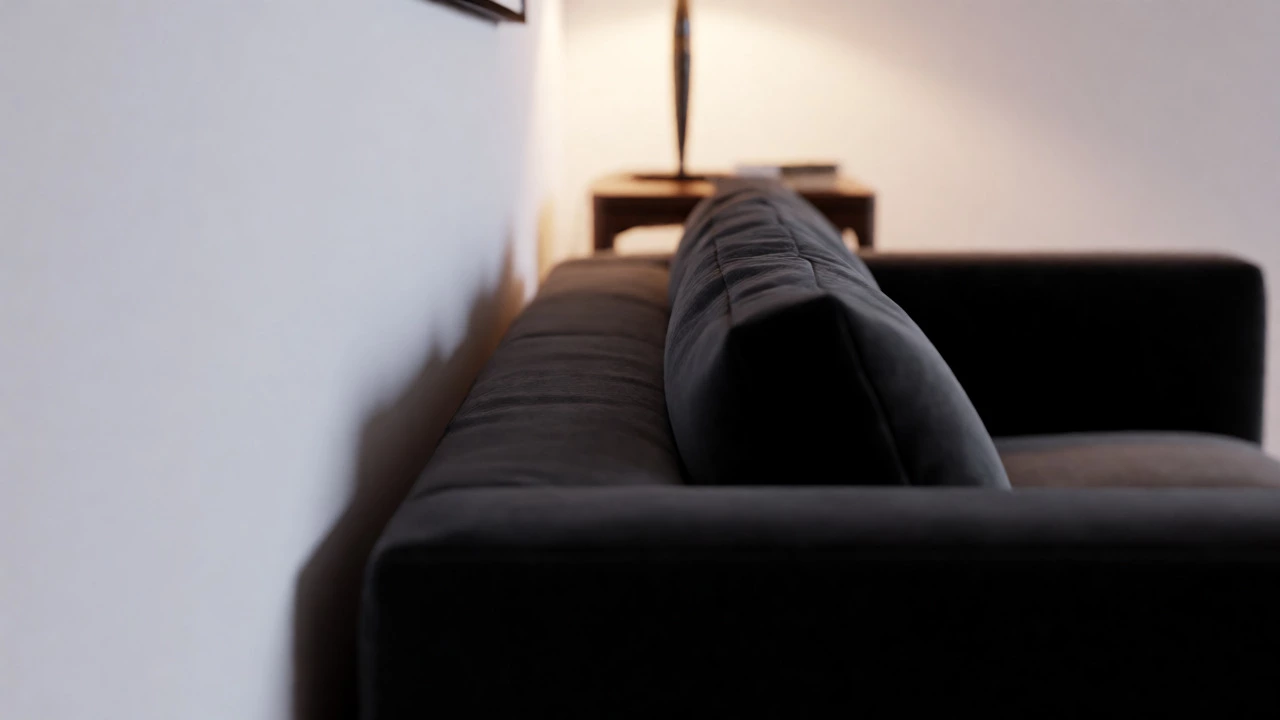
For corner sofas, this is tricky because they naturally hug corners. However, you can still create separation. Pull the sofa out at least six inches from the wall. This creates a shadow line that gives the illusion of depth. If your layout allows, place a narrow console table behind the back of the sectional. This defines the zone and prevents the sofa from looking like it’s just parked there.
In my own living room here in Vancouver, I learned this the hard way. I had a beige L-shaped sofa pushed tight into the corner. The room felt boxy. Once I pulled it forward and added a slim bookshelf behind it, the entire area opened up. It didn’t take more space; it used the existing space better.
Lighting as a Balancing Tool
Proportion isn’t just physical size; it’s also visual brightness. Dark, heavy fabrics absorb light, making furniture feel heavier. Light colors reflect it, making pieces feel airier. This ties back to our 60-30-10 rule.
If you have a dark charcoal corner sofa, you need ample lighting to keep it from dominating the room. Use layered lighting:
- Ambient: Ceiling fixtures for general illumination.
- Task: Floor lamps next to reading spots on the sectional.
- Accent: Wall sconces or picture lights to draw eyes upward, balancing the horizontal mass of the sofa.
This vertical emphasis counteracts the low, sprawling profile of a sectional. Without it, the room feels grounded and heavy. With it, the space feels dynamic.
Common Mistakes to Avoid
Even seasoned decorators slip up. Here are the top three violations of the golden rule involving large seating:
- The Rug Mismatch: Placing front legs of the sofa off the rug. For a corner sofa, the rug should be large enough to accommodate the entire seating area or at least the front legs of all sections. A tiny rug under a massive sectional looks accidental, not intentional.
- Crowding the Pathways: Leaving less than 30 inches of walkway between the sofa and the coffee table or TV stand. People need elbow room. If you have to turn sideways to pass the chaise lounge, it’s too big.
- Ignoring Sightlines: Blocking the view from the entryway. When someone walks in, what do they see first? If it’s the back of a giant sofa, the room feels closed off. Orient the sectional so the open side faces the entrance or the focal point (like a fireplace).
Practical Checklist for Your Next Layout
Before you buy another cushion or rearrange your current setup, run through this quick audit:
- Does my largest piece of furniture take up less than 70% of the floor?
- Do I have a clear path of at least 30 inches for walking?
- Is my color palette following the 60-30-10 ratio?
- Are my rugs sized correctly to anchor the furniture grouping?
- Have I added vertical elements (art, lamps) to balance the horizontal bulk of the sofa?
Decorating isn’t about perfection. It’s about comfort and flow. The golden rule is just a guide to help you achieve that balance. Start with the big pieces-your corner sofa-and work outward. Respect the space, respect the proportions, and the rest will fall into place.
What is the 60-30-10 rule in home decor?
The 60-30-10 rule is a classic interior design guideline for creating a balanced color scheme. It suggests using a dominant color for 60% of the room (walls, large furniture), a secondary color for 30% (curtains, accent chairs), and an accent color for 10% (accessories, art). This ensures visual harmony without overwhelming the senses.
How much floor space should a corner sofa occupy?
Ideally, all furniture combined should occupy no more than 60-70% of the total floor area. For a large corner sofa specifically, ensure there is at least 30-40% of open floor space remaining for movement and breathing room. If the sofa feels cramped, consider removing smaller side tables or choosing a slimmer profile.
Should a corner sofa go against the wall?
Not necessarily. While corner sofas are designed to fit corners, pulling them slightly away from the wall (floating) can create a sense of depth and make the room feel larger. Ensure there is enough clearance behind the sofa if you plan to walk behind it, or place a console table against the back to define the space.
What size rug goes under a corner sectional?
The rug should be large enough to fit under the front legs of all sections of the sectional. In smaller rooms, placing the entire sectional on the rug is acceptable if it doesn't crowd the edges. A rug that is too small makes the furniture look unanchored and disjointed.
How do I balance a large sofa in a small room?
Use light colors for the sofa fabric to reduce visual weight. Keep other furniture minimal and slim-legged to allow light to pass underneath. Add vertical interest with tall bookshelves or artwork to draw the eye up, counteracting the horizontal spread of the sofa.