Furniture Haggle Calculator
Use this tool to estimate how much you might save by negotiating your next furniture purchase. Select the store type, current price, and timing conditions.
Enter details and click calculate to see your potential savings.
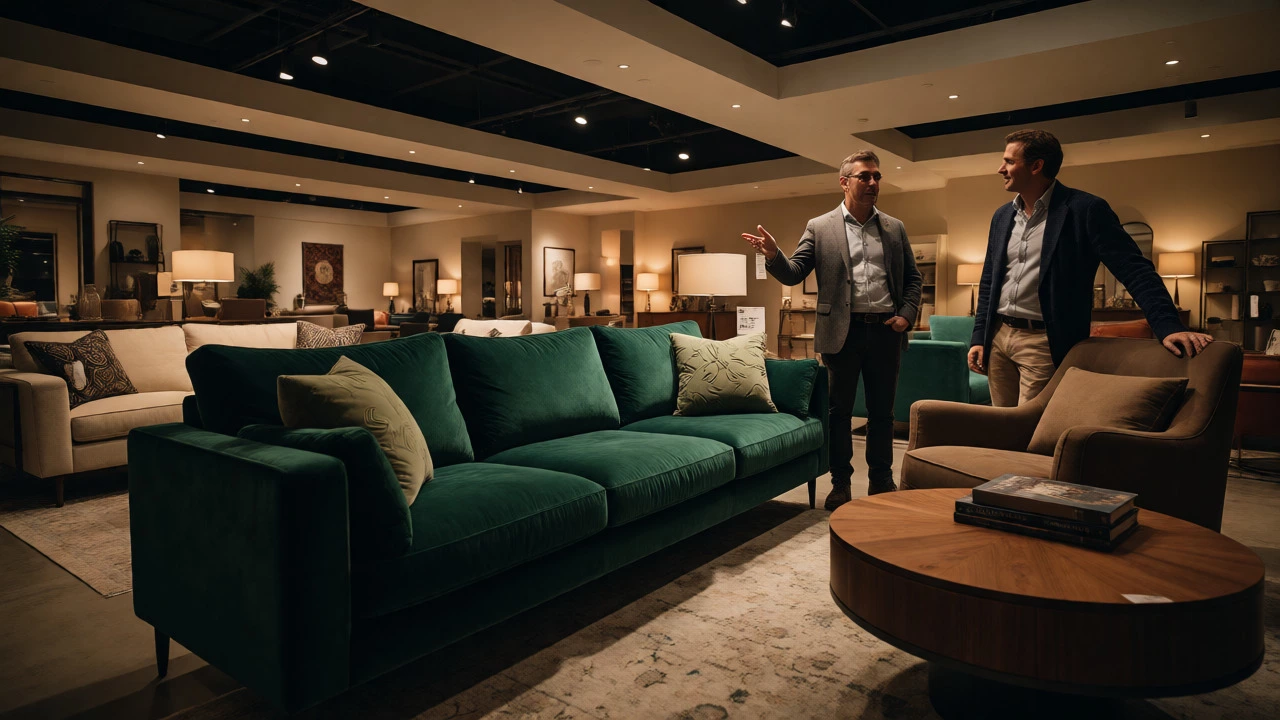
Walk into any big-box furniture store and you’ll see the same thing: a sofa tagged at $1,299. The salesperson smiles, waiting for you to say yes. But here’s the secret most shoppers miss: that tag is rarely the final word. Furniture haggling isn’t just possible; it’s often expected, depending on where you shop. Whether you’re hunting for a deal on a sectional or trying to get free delivery on a dining set, knowing when and how to ask can save you hundreds of dollars.
The Reality of Furniture Pricing
Furniture has some of the highest markups in retail. Unlike electronics, where margins are razor-thin, furniture stores often price items at 200% to 300% above their wholesale cost. This cushion exists specifically to allow for discounts. If you buy a mattress at a specialty outlet, the markup might be lower because they rely on volume. But at a traditional showroom? That $800 chair likely costs the retailer $250 to make. They need room to negotiate without losing money.
This high-margin structure means that refusing to haggle leaves money on the table. Retailers budget for "loss leaders" and promotional events, but individual salespeople often have discretion to close a deal today rather than let you walk away tomorrow. Understanding this economic reality changes your mindset from "asking for a favor" to "negotiating a standard business transaction."
Where Haggling Works (And Where It Doesn’t)
Not all stores operate the same way. Your success rate depends heavily on the type of retailer you’re dealing with. Here’s a breakdown of what to expect:
| Store Type | Haggle Potential | Why? |
|---|---|---|
| Independent Local Stores | High | Owners often manage inventory personally and want cash flow. |
| Consignment Shops | Very High | Items are second-hand; sellers want space cleared quickly. |
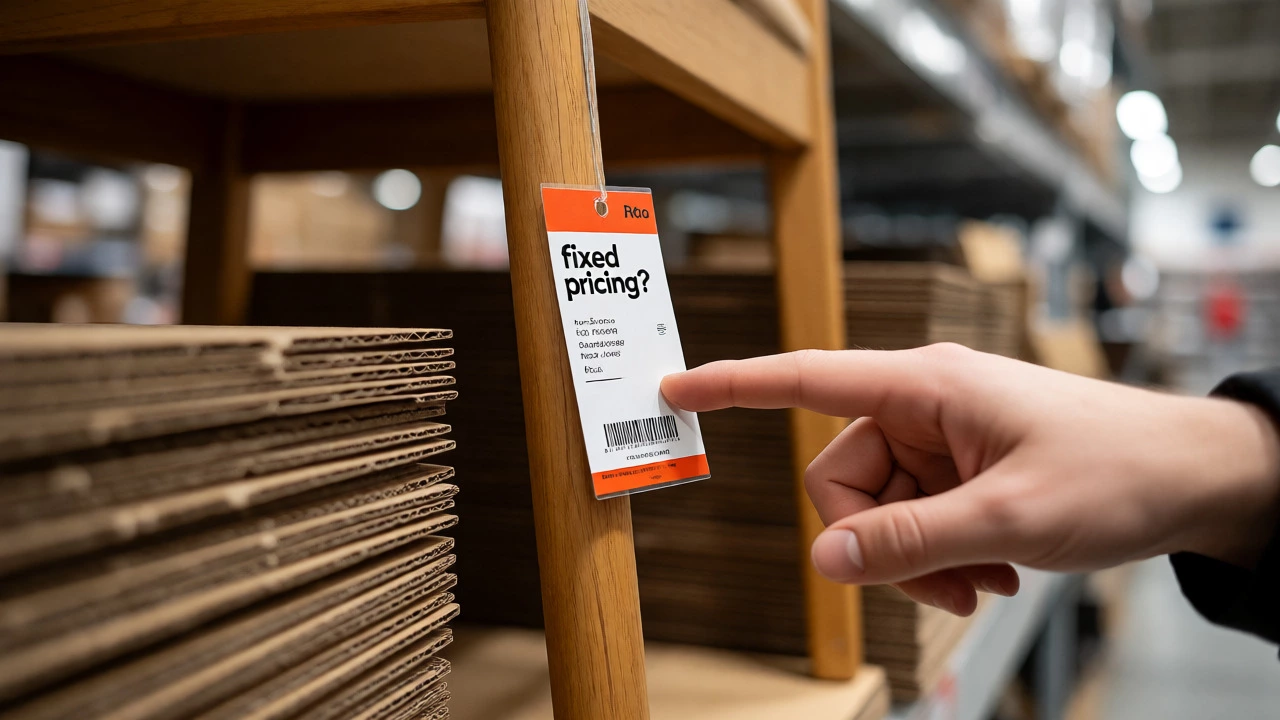
| Big-Box Chains | Low to Medium | Fixed pricing policies, though managers may waive fees. |
| Luxury Boutiques | Low | Brand value relies on perceived exclusivity and fixed prices. |
At independent stores, the person selling you the couch might be the owner. They know exactly what they paid for it and what they need to clear out old stock. At big chains like IKEA or Wayfair, online prices are usually rigid. However, if you’re buying multiple items in-store, asking a manager to override a system price for a bundle deal often works.
Timing Is Everything
You wouldn’t try to negotiate rent on the first day of the month when everyone else is moving in. Similarly, furniture sales follow seasonal patterns. The best time to haggle is when the store needs to move inventory. End-of-month, end-of-quarter, and holiday weekends are prime times. Salespeople have quotas. If it’s the 29th of the month and they’re short on their target, they’ll bend over backward to close your sale.
Also, look for floor models. These pieces have been sat on, touched, and exposed to light. They aren’t perfect, which gives you leverage. Asking for a discount on a floor model isn’t haggling; it’s paying fair market value for used goods. Aim for 15-20% off the sticker price for minor scratches or wear.
How to Ask Without Being Awkward
Many people freeze up because they fear rejection. But remember: the worst they can say is no. Start with open-ended questions rather than demands. Instead of saying, "I’ll give you $500," try, "Is there any flexibility on the price if I take it today?" This puts the ball in their court without sounding aggressive.
- Bundle Up: Never negotiate one item alone. Buy the table and chairs together. Ask for a package price. It’s easier for them to drop the total by 10% than to cut the price of a single lamp.
- Be Ready to Walk: This is your strongest tool. If they won’t budge, thank them and start walking toward the exit. Often, you’ll hear, "Wait, we can do X." Only use this if you’re genuinely willing to leave.
- Ask About Fees: Sometimes the price is fixed, but delivery and assembly aren’t. If they won’t lower the cost of the dresser, ask them to waive the $75 delivery fee. It feels like a win for both sides.

What Not to Do
Don’t lowball aggressively right away. If a $1,000 sofa is marked down to $600, don’t offer $300. It insults the seller and shuts down conversation. Aim for 10-15% below the current price as a starting point. Also, avoid haggling during peak rush hours. Saturday afternoon crowds mean staff are stressed and less patient. Tuesday mornings are quiet; they have time to talk numbers.
Finally, don’t bluff about competitor prices unless you have proof. Saying "Wayfair has it for less" is weak if you haven’t seen it. Pulling out your phone to show a screenshot of a lower price is powerful. Data beats opinion every time.
Beyond the Price Tag: Hidden Negotiables
If the price is truly locked, pivot to other costs. Furniture purchases come with hidden extras: delivery, assembly, protection plans, and financing interest. These are often more flexible than the base price. For example, extended warranties on furniture are rarely worth the cost. Ask them to throw in a two-year warranty for free instead of taking 5% off the price. To you, it’s peace of mind. To them, it’s a low-cost perk that closes the deal.
Consider trade-ins too. Some stores will credit you for your old furniture if you’re buying new. Even if they don’t resell it, getting rid of disposal hassle is valuable. Frame it as helping them solve a problem (your old couch) in exchange for a better rate on the new one.
Is it rude to haggle at furniture stores?
No, it’s generally not considered rude, especially at independent stores or during sales events. In fact, many retailers expect it. Just remain polite and respectful. If they say the price is firm, accept it gracefully.
How much discount should I ask for?
Start by asking for 10-15% off the listed price. If you’re buying multiple items, aim for 20% off the total bundle. Be prepared to settle somewhere in between. Remember, even saving 5% adds up on expensive items.
Does haggling work at IKEA?
Generally, no. IKEA has strict fixed pricing. However, you can sometimes negotiate on damaged boxes, discontinued items, or large bulk orders directly with a manager. For regular items, stick to the posted price.
When is the best time to buy furniture?
The best times are January and February (post-holiday clearance), July and August (back-to-school/new home season), and major holidays like Labor Day and Memorial Day. End-of-month dates also help because salespeople are pushing to meet quotas.
Can I negotiate online?
Rarely. Online retailers use automated pricing algorithms. However, you can call customer service and ask for a coupon code or free shipping waiver. Chat support might also offer small discounts to close a cart abandonment.