Sofa Bed Comfort Optimizer
Select the issues that bother you most about your current sofa bed setup. We will generate a customized list of solutions, estimated costs, and implementation tips.
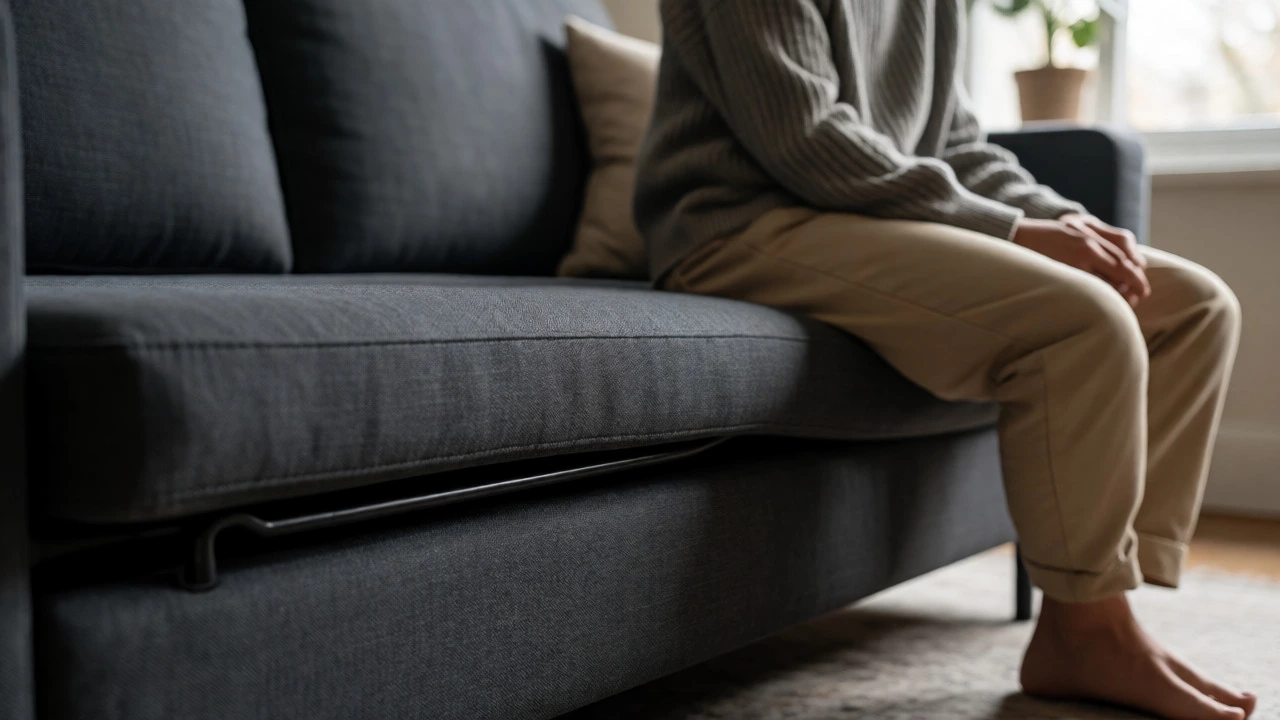
You know the feeling. You invite friends over for movie night, and they end up sitting on the edge of your sofa bed, shifting uncomfortably every five minutes because their legs are dangling or their backs are screaming for support. It’s not that you’re a bad host; it’s that most sofa beds are engineered for two conflicting jobs-sitting like a couch and sleeping like a bed-and often fail at both. The mechanism creates gaps, the foam is usually too thin, and the frame can feel rigid under your thighs.
But here’s the good news: you don’t need to buy a new $1,500 piece of furniture to fix this. With a few strategic tweaks involving materials you probably already have or can grab from a local hardware store, you can transform that awkward hybrid into a cozy lounge spot. Whether you’re dealing with a pull-out sleeper in a Vancouver apartment or a futon in a student dorm, the principles remain the same. Let’s break down exactly how to boost the comfort level without turning your living room into a clutter zone.
Understanding Why Your Sofa Bed Feels Uncomfortable
Before we start throwing pillows around, it helps to know what’s actually causing the discomfort. Most convertible sofas use a metal frame that supports a thin mattress. When folded up, this mattress becomes the seat cushion. The problem? That mattress is rarely thick enough to provide proper lumbar support when seated upright. Additionally, the folding mechanism often leaves a hard seam right where your lower back hits the backrest.
Another common issue is the "seat depth." Standard sofas have a depth of about 20-24 inches. Many sofa beds, trying to save space, shrink this to 18 inches or less. This forces your knees higher than your hips, which puts strain on your lower spine. If you’ve ever felt like you’re perched on a stool rather than lounging on a couch, this is likely the culprit.
The Power of Layering: Mattress Toppers and Cushions
The quickest win for any sofa bed is adding height and density to the seating area. Think of your current seat as a base layer that needs some serious upgrading. You don’t want to add so much bulk that the bed won’t fold, but you do want to bridge the gap between "thin foam" and "cloud-like comfort."
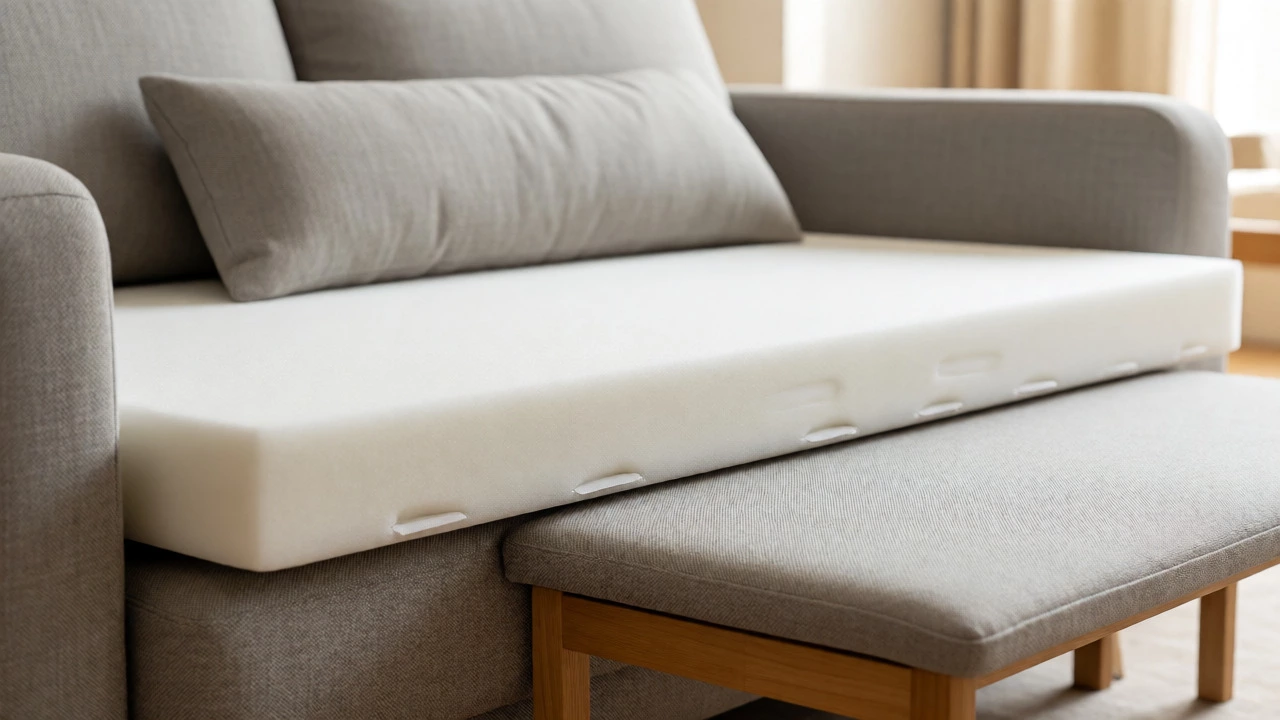
A memory foam topper is the gold standard here. Look for one that is 2 to 3 inches thick. Why not thicker? Because anything beyond 3 inches will make it nearly impossible to close the bed mechanism. Place the topper directly on top of the existing seat cushion. If you have a pull-out style, ensure the topper has non-slip backing or use Velcro strips to keep it in place during the day. For those who find memory foam too hot (a common complaint in humid climates), consider a gel-infused foam or a high-density polyurethane pad instead.
- Memory Foam: Contours to your body, great for pressure relief.
- High-Density Polyfoam: Firmer, holds its shape better over time.
- Fiberfill Pads: Cheaper, softer, but compresses quickly.
Fixing the Back Support Gap
If the seat feels okay but your back hurts, the issue is usually the angle of the backrest. On many convertible models, the backrest is fixed at a steep 90-degree angle, which isn’t natural for relaxing. You can’t change the frame, but you can change the geometry of the seating surface.
Try placing a firm, rectangular bolster pillow horizontally across the bottom of the backrest, right where the seat meets the back. This fills the empty corner and pushes you slightly forward, changing the angle of your spine. Alternatively, use a wedge cushion. These triangular foam inserts are designed specifically to tilt your pelvis forward, reducing slouching. They look sleek and modern, fitting seamlessly into most interior design schemes.
For larger gaps, especially in older models where the springs have sagged, consider using rolled-up towels or specialized lumbar rolls. While a towel sounds cheap, a tightly rolled bath towel secured with rubber bands can surprisingly mimic the effect of a professional lumbar support system. Just make sure the color matches your upholstery so it doesn’t look like an afterthought.
Addressing Seat Depth and Legroom
If your knees are higher than your hips, you need to extend the seating surface. This is tricky with sofa beds because extending the seat might interfere with the folding mechanism. However, there are workarounds.
One effective trick is to use a "seat extender" board. This is a simple piece of plywood or MDF, cut to match the width of your sofa, covered in matching fabric. Slide it under the front edge of the cushion to add 2-3 inches of depth. This gives your thighs more support and allows you to sit back properly. If you rent and can’t modify the furniture, try placing a sturdy ottoman or pouf in front of the sofa. Sit on the sofa, but rest your feet on the ottoman. This raises your legs, effectively neutralizing the shallow seat depth by changing your posture.
| Solution | Best For | Cost Estimate | Impact on Folding |
|---|---|---|---|
| Memory Foam Topper | Pressure relief & softness | $30 - $80 | Minimal if <3 inches |
| Lumbar Bolster | Back pain & posture | $20 - $50 | None |
| Seat Extender Board | Shallow seat depth | $15 (DIY) | May block folding |
| Non-Slip Rug Pad | Sliding cushions | $10 | None |
Taming the Sliding Cushions
Nothing ruins relaxation like having to push your cushion back into place every time you shift your weight. Sofa bed cushions, especially the loose ones used for sleeping, love to slide. This constant adjustment breaks your flow and makes the seating feel unstable.
Grab some heavy-duty hook-and-loop fasteners (Velcro) or silicone grip pads. Attach the rough side of the Velcro to the underside of the cushion and the soft side to the sofa frame. This keeps the cushion anchored during the day but allows you to peel it off easily at night when you convert the bed. Silicone mesh pads, often sold as rug grippers, work well too. Cut them to size and tuck them under the corners of the cushions. They provide friction without damaging the fabric.
Another pro tip: check the orientation of your cushions. Some manufacturers design them with a specific "front" and "back," even if they look identical. Flipping them over might reveal a denser foam side intended for seating versus a softer side for sleeping. Experiment with flipping and rotating to see which configuration offers the best support.
Textiles and Texture: The Psychological Comfort Factor
Comfort isn’t just physical; it’s tactile and visual. A cold, smooth vinyl or polyester blend can feel uninviting compared to plush velvet or textured wool. Adding layers of textiles can instantly upgrade the perceived quality of the seat.
Start with a throw blanket draped over the armrest or back. Not only does this hide stains or wear, but it also adds a layer of warmth and texture. Choose fabrics that contrast with the sofa material-for example, a chunky knit throw against a smooth microfiber sofa. Then, add accent pillows. Don’t just stack three square pillows; mix shapes. Use long cylindrical bolsters for arm support and smaller square shams for decoration. The variety in shapes invites you to lean, prop, and relax in different positions.
Lighting plays a role here too. Harsh overhead lighting can make a small sofa bed feel cramped. Switch to warm-toned floor lamps or table lamps positioned near the seating area. This creates a cozy ambiance that psychologically signals "relaxation," making the physical space feel more inviting.

Maintenance Matters: Keeping It Fresh
A dirty or dusty sofa bed feels less comfortable simply because it’s unpleasant to touch. Dust mites and crumbs accumulate in the seams and mechanisms, creating a gritty sensation. Regular vacuuming is essential, especially along the crevices where the frame meets the cushion.
Use the upholstery attachment on your vacuum cleaner to gently remove debris from the fabric. For deeper cleaning, sprinkle baking soda on the cushions, let it sit for 15 minutes to absorb odors, and then vacuum it up. This simple step neutralizes smells and refreshes the fabric fibers. If you have pets, consider using a lint roller frequently to keep hair off the seating surface. A clean sofa bed is inherently more comfortable because you aren’t distracted by dirt or allergens.
When to Consider Replacement Parts
Sometimes, DIY fixes hit a ceiling. If the internal springs are broken or the foam has completely collapsed, no amount of toppers will help. Check if your manufacturer sells replacement cushions or covers. Brands like IKEA or Wayfair often stock spare parts for popular models. Replacing a worn-out core cushion with a new, high-resilience foam insert can restore the original comfort level without buying a whole new sofa.
Also, inspect the hinges and latches. If the mechanism wobbles, tighten the screws. A stable frame provides a solid foundation for comfort. Loose joints create noise and instability, which subconsciously keeps your muscles tense, anticipating movement.
Real-Life Scenario: The Small Apartment Fix
Let’s say you live in a studio apartment in Vancouver. Space is tight, and your sofa bed doubles as your primary workspace during the day. Here’s a practical setup: Use a 2-inch memory foam topper secured with Velcro. Add a firm lumbar pillow behind your lower back for ergonomic support while working. Place a low-profile ottoman in front to elevate your feet. Cover the whole arrangement with a breathable linen throw to keep it cool. At night, remove the ottoman, peel off the topper, and fold the bed flat. The result? A functional workspace by day and a decent guest bed by night, all without sacrificing daytime comfort.
Can I use a regular bed mattress on a sofa bed?
Generally, no. Regular bed mattresses are too thick and heavy for the folding mechanisms of most sofa beds. Stick to specialized sofa bed mattresses or thin toppers (under 3 inches) to ensure the frame can still close properly.
How do I stop my sofa bed cushions from sliding?
The most effective method is using hook-and-loop fasteners (Velcro) or silicone grip pads underneath the cushions. These provide friction and hold the cushions in place without permanent damage to the fabric or frame.
Is memory foam good for sofa beds?
Yes, memory foam is excellent for pressure relief, but it can retain heat. If you tend to sleep hot, look for gel-infused memory foam or high-density polyurethane alternatives that offer similar support with better airflow.
What is the ideal thickness for a sofa bed topper?
Aim for 2 to 3 inches. Anything thinner won’t provide noticeable comfort improvements, while anything thicker may prevent the sofa bed from folding correctly or cause the backrest to sit at an uncomfortable angle.
How often should I rotate my sofa bed cushions?
Rotate and flip your cushions every 3 to 6 months. This ensures even wear on the foam and prevents one side from becoming permanently compressed, extending the life of your seating comfort.