Landscaping Service Matcher
Not sure what kind of professional you need? Select the tasks you want done in your yard, and we'll categorize them into Softscaping or Hardscaping so you can hire the right expert.
Select tasks from the left to see which specialists to hire.
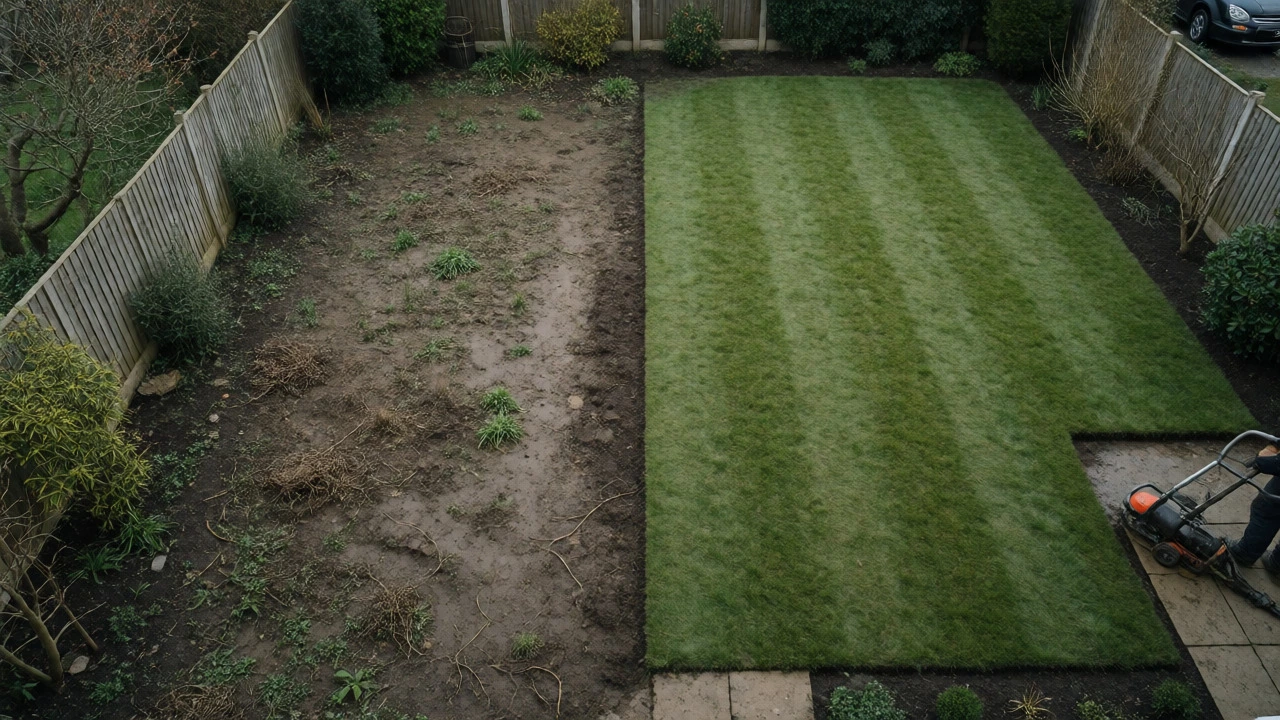
You’re standing in your backyard, staring at a patch of muddy ground where the grass used to be, and you wonder: what do landscaping companies actually do? It’s a fair question. The term "landscaping" gets thrown around loosely online, covering everything from mowing lawns to building stone patios. If you hire the wrong person for the job, you could end up with a $500 bill for leaf blowing when you needed a drainage fix, or vice versa.
Most professional landscaping firms operate within specific lanes. While some are one-stop shops handling every aspect of outdoor space transformation, many specialize. Understanding the menu of services helps you avoid hiring a generalist for a specialist task-or paying a premium for basic maintenance. This guide breaks down exactly what most reputable landscaping companies offer in 2026, so you can match your needs to their expertise without wasting time or money.
The Core Distinction: Softscaping vs. Hardscaping
Before diving into specific tasks, you need to understand the two main categories of work. Every service falls under one of these umbrellas. Confusing them is the number one reason homeowners get mismatched quotes.
Why does this matter? Because the skill sets are totally different. A crew that excels at laying intricate flagstone paths might have zero knowledge about soil pH levels for azaleas. Many full-service companies handle both, but smaller outfits often pick a side. If your project involves heavy digging and stone setting, ensure they have the equipment and experience for hardscaping. If it’s all about flower beds and tree health, look for horticultural expertise.
Essential Lawn Care and Maintenance
This is the bread and butter for most local landscaping businesses. If you’ve ever seen a truck with a mower trailer parked on a street, that’s lawn care. But it’s more than just cutting grass. Professional lawn care packages usually bundle several recurring tasks designed to keep turf healthy and green throughout the growing season.
- Mowing and Edging: Standard weekly or bi-weekly visits. Pros use commercial-grade mowers that leave a cleaner cut than residential push mowers. They also edge along sidewalks and driveways for that crisp look.
- Fertilization Programs: Most companies apply slow-release fertilizers four to six times a year. They adjust the nitrogen-phosphorus-potassium (NPK) ratio based on the season. Spring applications focus on growth; fall applications strengthen roots for winter.
- Weed Control: Pre-emergent herbicides stop crabgrass before it starts. Post-emergent treatments kill existing broadleaf weeds like dandelions. Proper timing is critical here-miss the window, and you’ll fight weeds all summer.
- Aeration: Once a year, pros punch small holes in the soil to relieve compaction. This lets air, water, and nutrients reach the root zone. It’s vital for clay-heavy soils common in many regions.
- Overseeding: Spreading new grass seed over existing turf to thicken it up. This works best in early fall when soil is warm but air is cool.
Here’s a pro tip: Ask if the fertilizer is organic or synthetic. Synthetic options act faster but require precise application to avoid burning the lawn. Organic blends build soil health over time but take longer to show results. Your choice depends on whether you want instant curb appeal or long-term soil resilience.
Landscape Design and Installation
When you want to change the look of your yard entirely, you move beyond maintenance into design and installation. This is where creativity meets engineering. A good landscaper doesn’t just plant pretty flowers; they consider sun exposure, drainage patterns, and mature plant sizes.
Design services often start with a consultation. The designer walks your property, takes measurements, and notes existing features. They might provide a sketch or a digital rendering showing how the space will look after completion. Some firms charge for this upfront design work, crediting it back if you proceed with installation. Others include it in the final price.
Installation covers the physical labor of bringing those designs to life. This includes:
- Site Preparation: Clearing debris, grading land to ensure proper drainage away from your home’s foundation, and amending soil with compost or topsoil.
- Planting: Digging holes, placing trees, shrubs, perennials, and annuals. Proper planting depth matters-too deep suffocates roots; too shallow exposes them to drought.
- Mulching: Applying 2-3 inches of mulch around plants. This retains moisture, suppresses weeds, and regulates soil temperature. Don’t pile it against tree trunks like volcanoes; spread it flat like donuts.
- Sod Installation: Laying pre-grown grass rolls for an instant lawn. It’s expensive but saves months of waiting for seeds to germinate.
Be wary of cheap bids that skip site prep. If a contractor throws plants into hard clay without loosening the soil or adding amendments, those plants will struggle. Quality installation is 80% preparation and 20% planting.
Hardscaping Projects: Patios, Walls, and Walkways
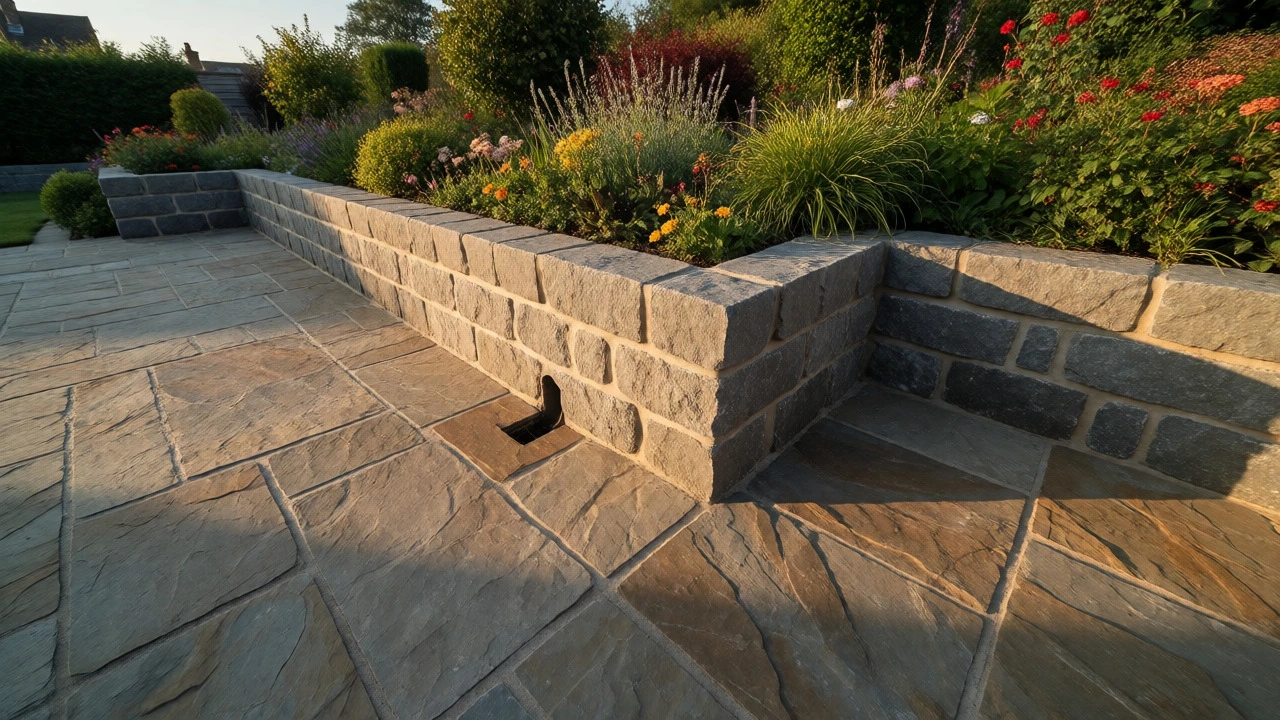
Hardscaping adds structure and functionality to your outdoor living area. It’s typically more expensive than softscaping because it requires materials like stone, brick, concrete, or wood, plus heavy machinery for excavation.
| Service | Primary Material | Main Benefit | Complexity Level |
|---|---|---|---|
| Patio Installation | Pavers, Natural Stone, Concrete | Creates outdoor dining/lounging space | High |
| Retaining Walls | Block, Stone, Timber | Manages slopes, prevents erosion | Very High |
| Walkways | Flagstone, Brick, Gravel | Defines paths, improves accessibility | Medium |
| Fire Pits | Stone, Metal Kits | Extends usability into cooler evenings | Low-Medium |
| Drainage Systems | French Drains, Catch Basins | Prevents water damage to structures | High |
Not every landscaping company handles complex hardscaping. Building a retaining wall over three feet high often requires engineering calculations to withstand lateral earth pressure. If your contractor suggests skipping the geogrid reinforcement behind a tall block wall, ask why. Poorly built walls lean, crack, or collapse within a few years.
Also, check who pulls permits. In many municipalities, large decks or significant grade changes require city approval. A reputable firm handles the paperwork. If they say "it’s not needed," verify locally. Failing to permit can lead to fines or issues when selling your home.
Seasonal Cleanup and Specialty Services
Beyond the standard mow-and-blow routine, many companies offer seasonal transitions and niche services. These are crucial for maintaining health and aesthetics year-round.
Spring Cleanup: Typically occurs in March or April. Crews remove winter debris, prune dead branches, aerate compacted soil, and apply pre-emergent weed control. It resets the stage for the growing season.
Fall Cleanup: Happens in October or November. Leaves are raked or blown off lawns and beds. Perennials may be cut back. Trees are inspected for storm damage before winter winds hit. Leaving leaves on the lawn blocks sunlight and smothers grass.
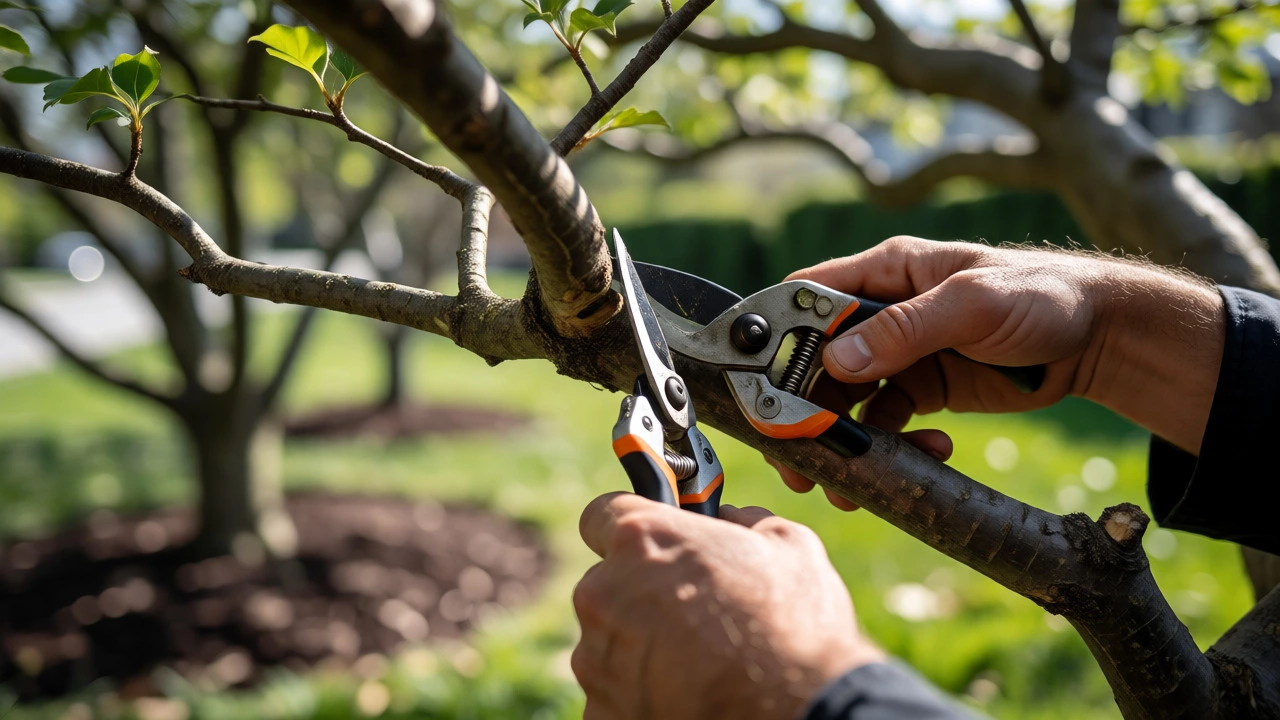
Tree and Shrub Care: Pruning isn’t just about looks. Proper pruning improves air circulation, reduces disease risk, and shapes growth. Arborists might recommend crown reduction for large trees near power lines. Mulching around trees (not touching the trunk) protects roots.
Irrigation Management: Sprinkler systems need attention. Companies perform spring startups (checking valves, adjusting heads) and fall blowouts (using compressed air to drain pipes before freezing). Leaky sprinklers waste thousands of gallons annually. Regular audits catch broken heads or misaligned spray patterns.
Lighting: Low-voltage LED lighting highlights architectural features or pathways. It enhances safety and security while extending evening usability. Installation involves trenching wires and connecting transformers. Modern smart controllers allow scheduling via phone apps.
How to Choose the Right Provider
Now that you know the menu, how do you pick a vendor? Start by defining your primary need. Are you fixing a drainage issue? Hire a specialist with excavation experience. Need weekly mowing? Look for reliable local crews with consistent schedules.
Ask these questions during consultations:
- Do you carry liability insurance and workers' comp? Never hire uninsured contractors. If someone gets hurt on your property, you could be liable.
- Can you provide references for similar projects? Talk to past clients. Did the project finish on time? Was communication clear?
- What warranties do you offer? Plants should come with at least a one-year replacement guarantee. Hardscape installations often have multi-year workmanship warranties.
- Who supervises the work? Knowing the foreman’s name ensures accountability. You don’t want a rotating cast of untrained laborers.
Get at least three written estimates. Compare line items, not just totals. One quote might seem cheaper but excludes site prep or disposal fees. Another might include high-quality nursery stock versus big-box store plants. Transparency in pricing signals professionalism.
Remember, landscaping is an investment in your property’s value and enjoyment. Choosing a provider who understands the distinction between soft and hardscaping, and who communicates clearly about scope, saves headaches later. Whether you need simple lawn care or a complete backyard overhaul, matching the service to the specialist’s strength yields the best results.
What is the difference between a landscaper and a groundskeeper?
A groundskeeper focuses on routine maintenance like mowing, trimming, and cleaning to keep existing landscapes tidy. A landscaper often engages in design, installation, and major modifications, such as planting new gardens, installing hardscapes, or altering terrain. Many companies offer both, but specialists exist for each role.
Do landscaping companies install irrigation systems?
Yes, many full-service landscaping companies install and repair underground sprinkler systems. This includes designing pipe layouts, installing zones, and integrating smart controllers. However, some prefer to subcontract irrigation work to specialized plumbing or irrigation firms, especially for complex repairs.
How much does basic lawn care cost compared to full landscaping?
Basic lawn care (mowing, edging, blowing) is significantly cheaper, often charged per visit or monthly. Full landscaping, including design, planting, and hardscaping, involves higher upfront costs due to materials and labor intensity. Expect lawn care to be a recurring operational expense, while landscaping is a capital improvement.
Should I hire a separate company for tree removal?
It depends on the size and location of the tree. Small ornamental trees can often be removed by general landscapers. Large trees, especially those near houses or power lines, require certified arborists with specialized climbing gear and cranes. Always check credentials for high-risk removals.
What signs indicate I need drainage services?
Look for standing water after rain, soggy patches that never dry, eroded soil channels, or basement dampness. If water pools near your foundation, you likely need French drains, dry wells, or regrading. Ignoring this leads to structural damage and unhealthy plant roots.