Senior Sleep & Recliner Suitability Checker
Select the conditions you experience at night to see how a recliner might help.
Recliner Benefit Score
Select conditions above to calculate your score.
Why This Helps You:
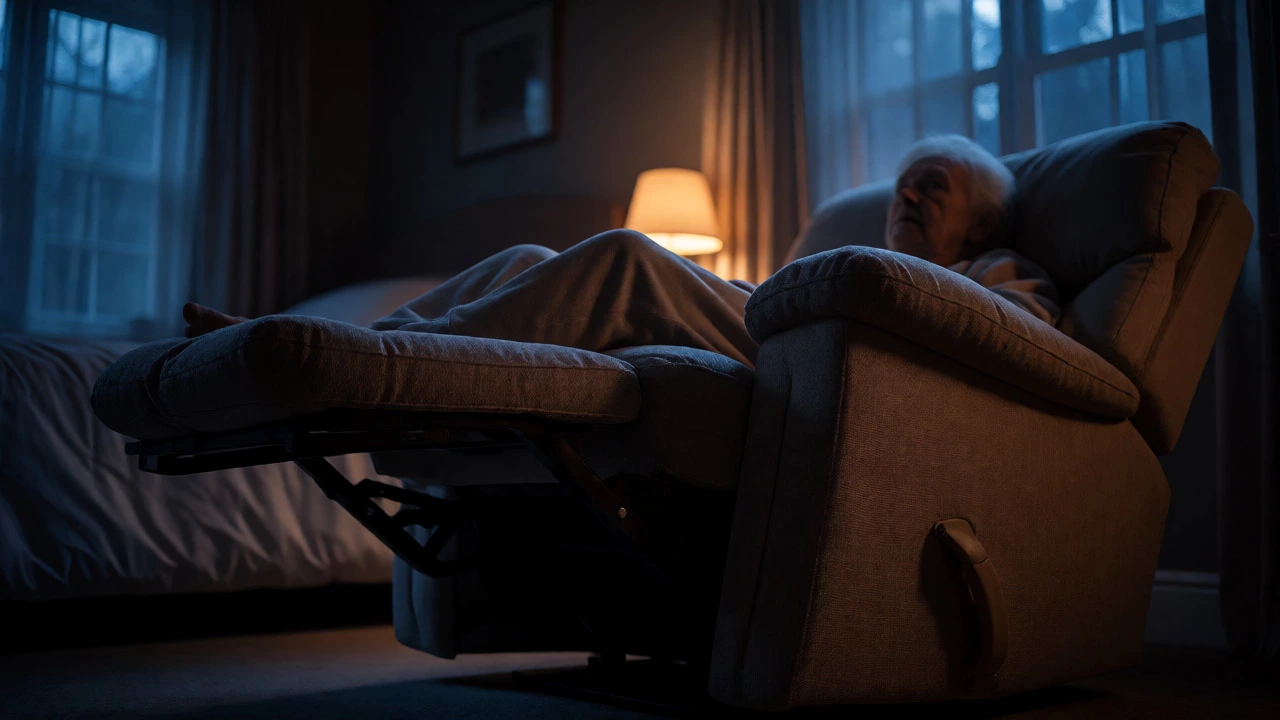
You know the drill. It’s 3:17 AM. You’re wide awake, staring at the ceiling fan spinning in the dark, wondering why your body decided that now was the perfect time to visit the bathroom or just... exist without sleeping. If you’re over 65, this isn’t just bad luck. It’s biology meeting furniture.
Most people think insomnia is a mental thing-stress, anxiety, racing thoughts. But for seniors, waking up in the middle of the night is often a physical signal. Your body is telling you something specific about how it’s handling gravity, fluid, and airways while you rest. And surprisingly, the fix might not be another pill. It might be sitting on your recliner chair a type of armchair with a backrest that can be tilted backward and a footrest that can be raised.
| Cause of Waking | Physiological Reason | How a Recliner Helps |
|---|---|---|
| Nocturia (Frequent Urination) | Fluid accumulates in legs during the day; lies flat, fluid moves to kidneys. | Elevated legs help drain fluid before bed, reducing bladder pressure at night. |
| Sleep Apnea/Snoring | Tongue and soft tissue collapse airway when lying flat. | Head elevation keeps airways open, reducing apneas and snoring. |
| Acid Reflux (GERD) | Stomach acid flows back into esophagus when horizontal. | Upright position uses gravity to keep acid down. |
| Joint Pain/Stiffness | Inflammation settles in joints after inactivity. | Pressure-relief cushioning supports joints without hard mattress contact. |
The Fluid Shift Problem: Why Your Bladder Owns the Night
Here’s a fact most doctors don’t explain well enough: your legs swell during the day. Gravity pulls fluid down into your tissues. When you lie flat in bed, that fluid has nowhere to go but back into your bloodstream. Your kidneys filter it out, turning it into urine. Result? You wake up three times to pee. This is called nocturia the condition of producing abnormally large volumes of urine at night.
A standard bed keeps you horizontal, so the shift happens fast. A power recliner an electrically operated chair that adjusts position via buttons changes the game. By elevating your legs above heart level for an hour before bed, you encourage that fluid to drain *while* you’re still awake. You use the bathroom then, instead of at 4 AM. It sounds too simple to work, but clinical studies on venous return show significant reductions in nighttime urination when leg elevation is consistent.
Airways Don’t Like Flat Surfaces
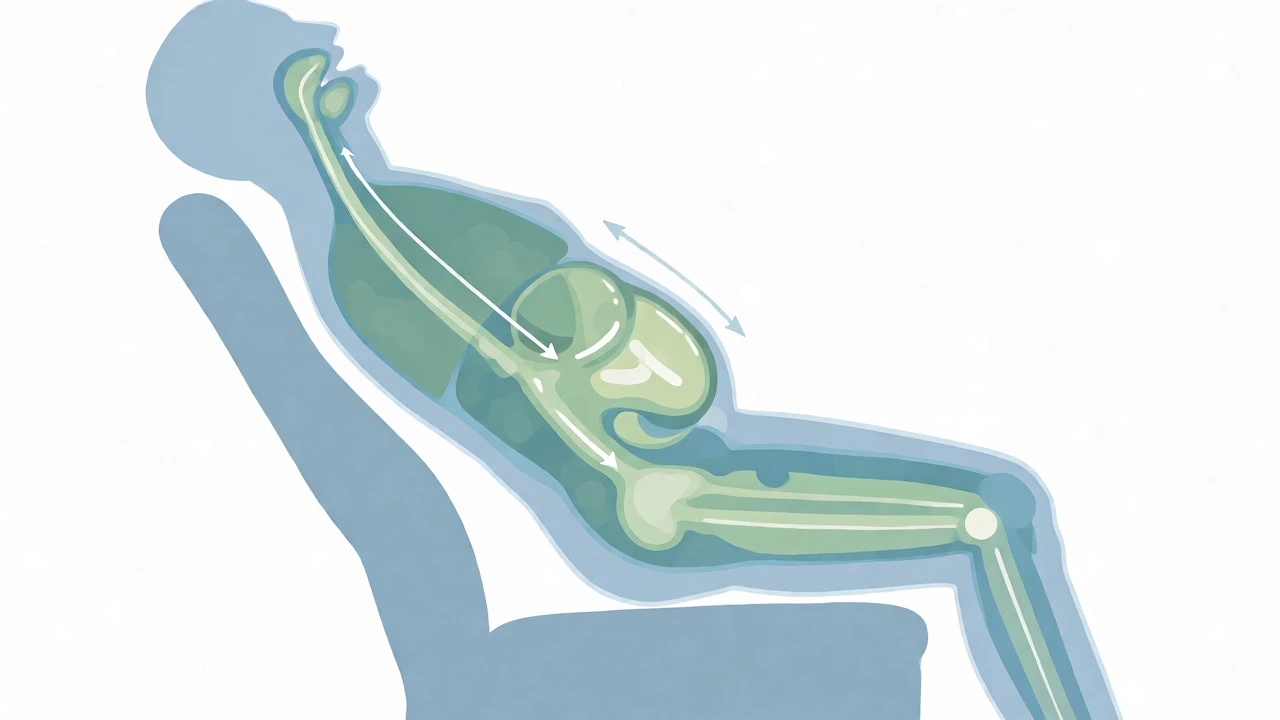
If you snore loudly or have been diagnosed with obstructive sleep apnea a disorder where breathing repeatedly stops and starts during sleep, lying flat is your enemy. Gravity pulls your tongue and soft palate backward, blocking your throat. You stop breathing. Your brain panics, jolts you awake, and you gasp for air. Repeat all night.
Seniors lose muscle tone in their throats as they age, making this worse. CPAP machines help, but many people hate wearing them. Sleeping in a reclined position-about 30 to 45 degrees-is a proven alternative for mild to moderate cases. It keeps the airway open naturally. Many seniors report falling asleep faster and staying asleep longer simply because they aren’t fighting their own anatomy every time they exhale.
Reflux Isn’t Just Heartburn
Gastroesophageal reflux disease (GERD) a chronic digestive disorder where stomach acid flows back into the tube connecting your mouth and stomach affects nearly 20% of adults, and prevalence increases with age. The lower esophageal sphincter weakens. When you lie flat, acid pools near the throat. You wake up coughing, choking, or with a sour taste.
Prop-up pillows are messy and slide around. A quality recliner locks you into an upright position. Gravity does the work for you. No more waking up feeling like you swallowed a lemon. Plus, avoiding late-night meals combined with recliner napping can break the cycle entirely.
Choosing the Right Chair for Aging Bodies
Not all recliners are created equal. For seniors, comfort isn’t just about plushness-it’s about mechanics. You need to get in and out easily. You need support that doesn’t sink you into a hole you can’t climb out of.
- Lift Mechanisms: Look for "lift-assist" features. These motors tilt the entire seat forward and upward, helping you stand without straining knees or backs. This is crucial if you have arthritis.
- Firm Support: Memory foam sounds nice, but it can trap heat and make moving difficult. High-density foam with independent pocket coils offers better airflow and easier movement.
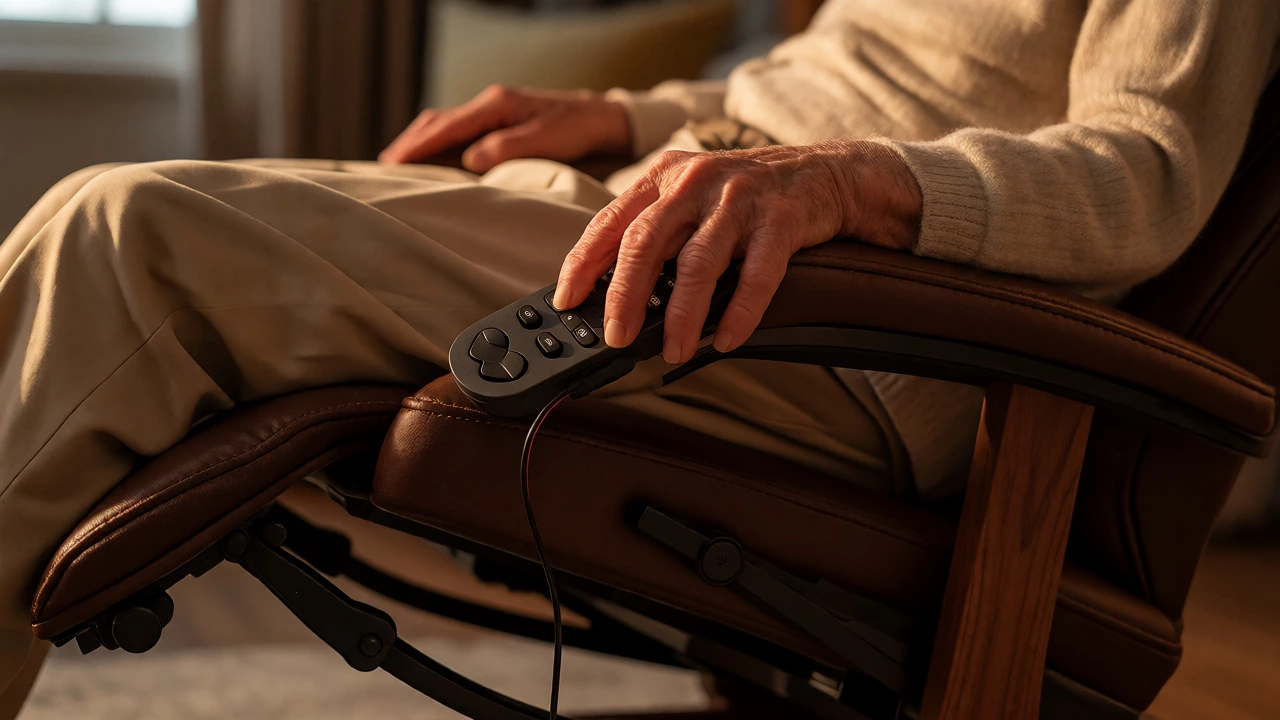
- Control Simplicity: Wired remotes are safer than wireless ones that get lost under cushions. Large, tactile buttons are essential for arthritic fingers.
- Heat and Massage: Built-in heat pads can soothe stiff joints before bed. Gentle vibration massage promotes relaxation without medication.
Consider the size of your room. Wall-hugger models save space by sliding forward as they recline, meaning you don’t need six feet of clearance behind the chair. In smaller Vancouver apartments or condos, this feature is a lifesaver.
Beyond the Chair: Sleep Hygiene Tweaks
A recliner is a tool, not a magic wand. Pair it with smart habits. Keep the bedroom cool-around 65°F (18°C). Older bodies struggle with thermoregulation. Use blackout curtains to block early sunrise light, which triggers cortisol production prematurely.
Limit fluids two hours before bed, but stay hydrated during the day. Dehydration thickens blood, increasing heart strain. Balance is key. Also, avoid alcohol. It might help you fall asleep, but it fragments sleep architecture, causing more awakenings later in the night.
When to See a Doctor
Don’t assume every wake-up is normal aging. Sudden changes in sleep patterns warrant a check-up. Rule out medication side effects. Diuretics, beta-blockers, and steroids can disrupt sleep. Review prescriptions with your GP.
Also, screen for depression. Late-life depression often presents as sleep disturbance rather than sadness. If you feel hopeless or lose interest in hobbies, talk to someone. Treating the mood disorder often fixes the sleep issue.
Is it okay to sleep in a recliner every night?
For many seniors, yes. If it improves sleep quality and reduces pain or apnea symptoms, it’s beneficial. However, ensure the chair provides proper spinal support to avoid neck strain. Some people alternate between a bed and recliner depending on how they feel.
Do recliners help with circulation?
Yes. Elevating legs above heart level assists venous return, reducing swelling in ankles and feet. This can lower the risk of varicose veins worsening and reduce the workload on the heart.
What is the best angle for sleeping in a recliner?
A semi-reclined position, roughly 30 to 45 degrees from vertical, is ideal. It’s steep enough to prevent reflux and airway collapse but comfortable enough for sustained sleep. Fully flat positions negate the benefits.
Can a recliner cause back pain?
Poorly designed recliners can. Look for lumbar support that fits the natural curve of your spine. Chairs that are too soft allow slouching, leading to stiffness. Firm, supportive padding prevents this.
How long should I elevate my legs before bed?
Aim for 30 to 60 minutes of leg elevation before going to bed. This allows accumulated daytime fluid to drain and be processed by the kidneys while you are still awake, reducing nighttime trips to the bathroom.