Dining Table Lifespan & Replacement Calculator
Table Details
Check any issues you are currently experiencing:
Enter details to see analysis
This tool estimates lifespan and provides recommendations based on industry standards.
That wobble in your favorite chair isn't just annoying; it's a signal. We often treat our dining room table is the central piece of furniture where families gather for meals, work, and social connection as an invincible anchor in the home. But wood moves, finishes wear, and joints loosen over time. The short answer? Most quality solid wood tables last between 15 and 30 years before they truly need replacing. However, particleboard or MDF tables might only give you five to seven years of decent service. Knowing exactly when to let go-and how to extend that timeline-saves you money and keeps your dining space functional.
The Real Lifespan of Different Table Materials
Not all tables are created equal. The material dictates the clock. If you bought a trendy, budget-friendly table from a fast-fashion furniture retailer, you’re likely looking at a shorter lifespan than if you invested in a heirloom-quality piece.
| Material | Average Lifespan | Common Failure Points |
|---|---|---|
| Solid Hardwood (Oak, Walnut, Maple) | 15-30+ years | Finish wear, joint loosening, surface scratches |
| Softwood (Pine, Fir) | 8-15 years | Denting, warping, structural sagging |
| MDF / Particleboard | 3-7 years | Swelling from moisture, screw pull-out, delamination |
| Glass Top | 10-20 years | Base instability, scratches on frame, cleaning difficulty |
| Metal Base / Composite Top | 10-15 years | Rust, top detachment, finish chipping |
If your table is made of solid hardwood is dense wood species like oak, maple, or walnut known for durability and longevity, you have a lot of life left in it unless it’s been abused. These woods can be sanded and refinished multiple times. On the other hand, if your table feels light and hollow when you knock on it, it’s likely engineered wood. Once the veneer peels or the core swells from a spill, there’s no going back. That’s your cue to start shopping.
5 Clear Signs It’s Time to Replace Your Table
You don’t need a calendar to tell you when to replace your table. You need to look at its condition. Here are the non-negotiable signs that your current setup has served its purpose.
- Structural Instability: If tightening the bolts doesn’t stop the wobble, the joinery is compromised. This is especially common in older tables where glue joints have dried out or in cheaper tables where screws strip out of soft particleboard. A wobbly table is a safety hazard, not just an annoyance.
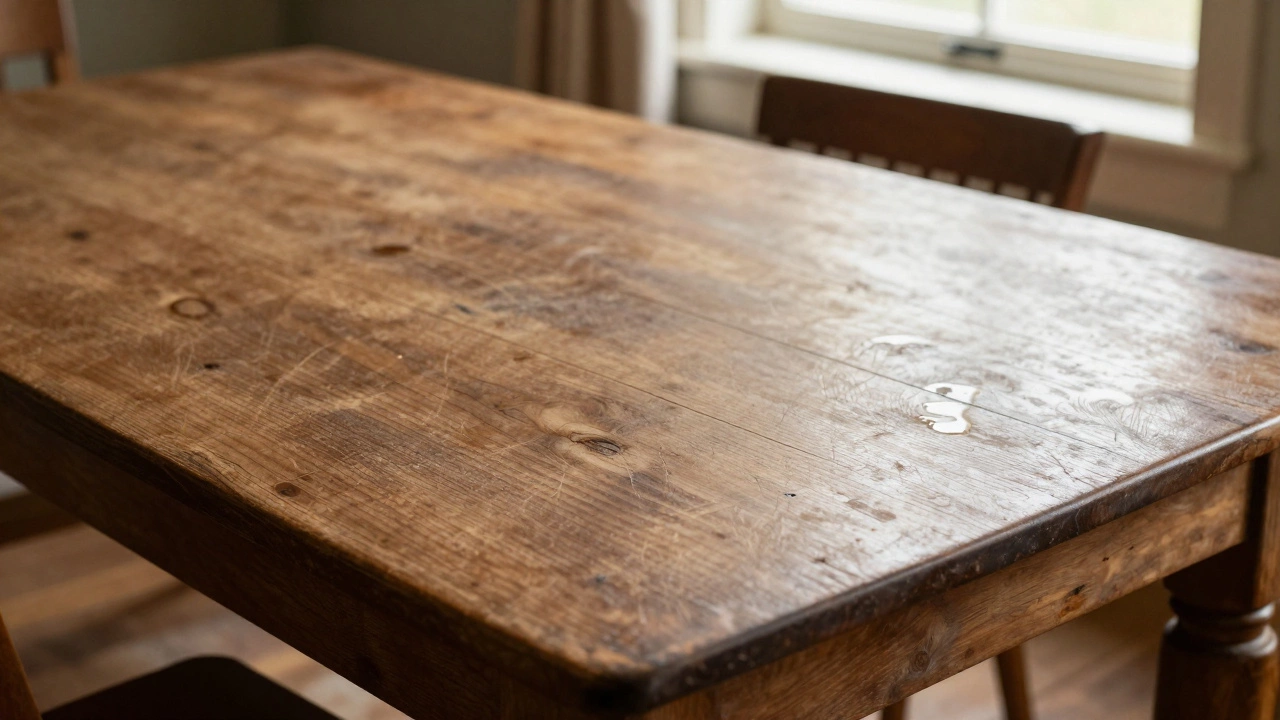
- Irreparable Surface Damage: Deep gouges, burn marks, or water rings that won’t buff out are cosmetic issues, but if the finish is completely stripped and the wood underneath is dry and cracking, refinishing might cost more than a new mid-range table.
- Size Mismatch: Did you downsize from a family of six to two? Or maybe you started hosting dinner parties again? If your table consistently feels too cramped or dominates the room to the point where you can’t walk around it comfortably, it’s time for a change. Functionality trumps sentimentality here.
- Style Obsolescence: This is subjective, but if the style clashes so hard with the rest of your home that it makes the space feel disjointed, consider swapping it. Trends move fast, but if your table looks dated every time you walk into the room, it affects your daily enjoyment.
- Health Concerns: Older furniture, particularly laminates and certain varnishes from decades past, may contain formaldehyde or lead-based paints. If you suspect off-gassing or have young children climbing on the legs, replacement is a health priority.
Can You Save It? Refinishing vs. Replacing
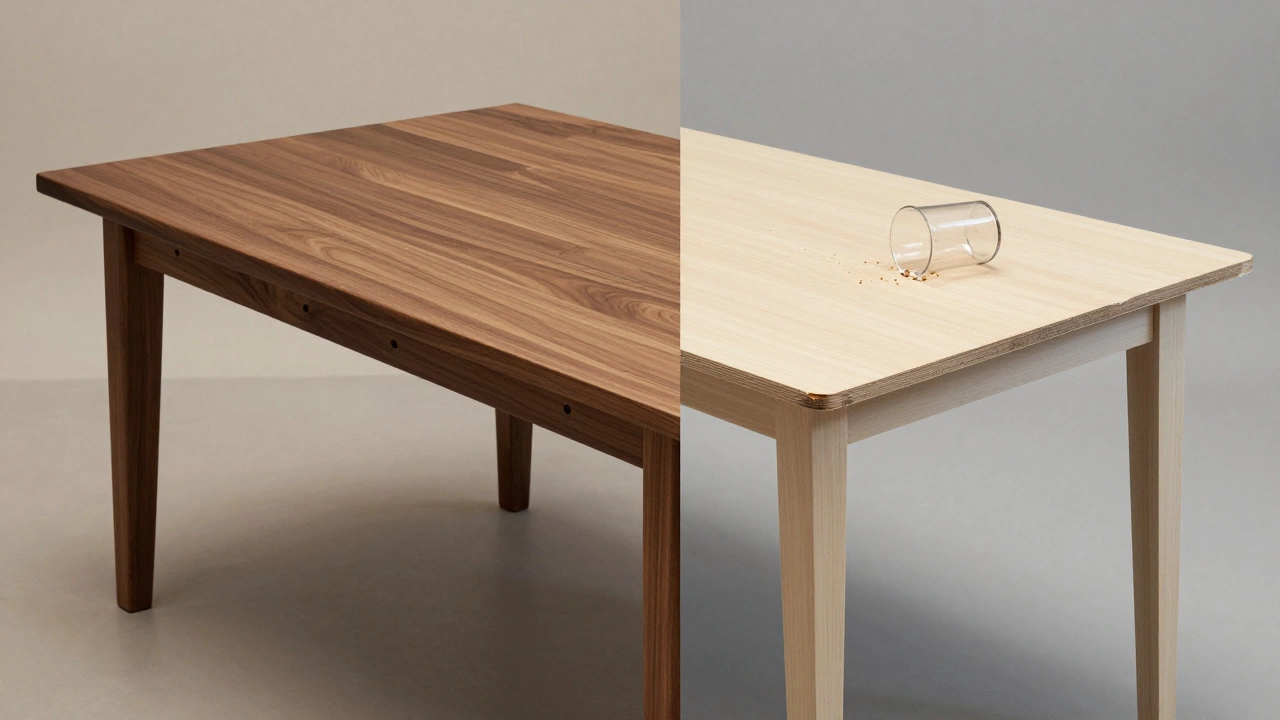
Before you toss a perfectly good solid wood table, ask yourself: can it be saved? Refinishing is a powerful tool. A professional refinish can strip away decades of grime, yellowed varnish, and minor scratches, revealing the fresh wood beneath. For a refinishing process is the act of stripping old finish, sanding the wood, and applying new stain and protective coating, costs typically range from $300 to $800 depending on size and complexity. Compare that to a new solid wood table, which often starts at $1,000 and goes up quickly.
If your table is solid wood, refinishing is usually worth it. If it’s veneer or MDF, refinishing is nearly impossible because you can’t sand through the thin layer without exposing the ugly core. In that case, replacement is the only option. Always check the underside of the table or the leg joints to determine if it’s solid wood or engineered material.
Factors That Shorten a Table’s Life
Why does one table last 30 years while another falls apart in five? It’s rarely bad luck. It’s usually usage and environment.
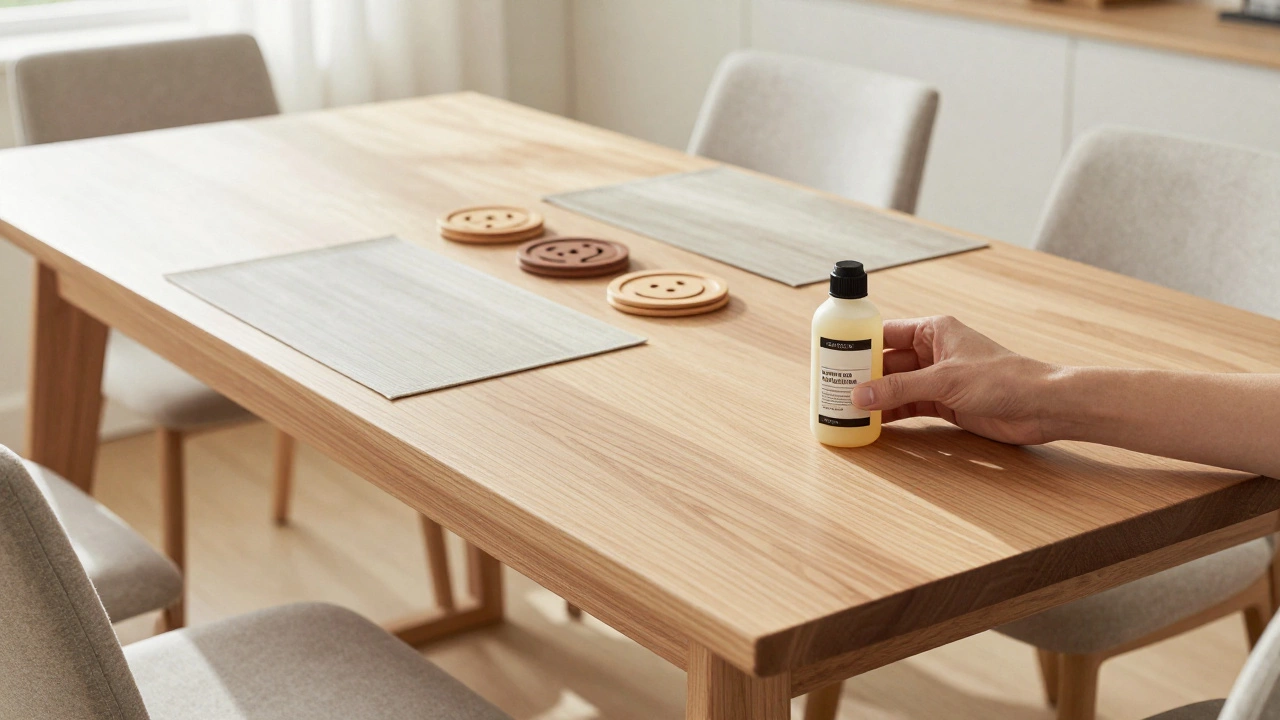
Heat and Moisture are the enemies of wood. Placing hot pots directly on the surface causes thermal shock, leading to white rings or cracks. Spills left unattended seep into the seams, causing swelling and mold. Using coasters and placemats isn’t just etiquette; it’s preservation.
Direct Sunlight fades wood finishes and dries out the timber, leading to cracks. If your dining room gets intense afternoon sun, rotate the table occasionally or use curtains during peak hours. UV damage is cumulative and irreversible.
Heavy Usage matters. A table used daily for homework, gaming, and meals will wear faster than one used only for Sunday dinners. If you have kids, expect more dents and spills. Choose materials that match your lifestyle. A glass top hides stains but shows fingerprints. A distressed pine table hides scratches but dents easily. A sealed marble top is durable but heavy and expensive.
Choosing Your Next Table: What to Look For
When you decide to replace your table, make the next one last longer. Focus on construction quality over aesthetic trends.
- Joinery: Look for mortise-and-tenon joints or dowel construction rather than staples or glue alone. These methods create stronger, longer-lasting connections.
- Wood Species: Hardwoods like oak, maple, walnut, and cherry are denser and more resistant to wear than softwoods like pine or poplar. They hold screws better and resist denting.
- Finish: Polyurethane or lacquer finishes offer better protection against spills and heat than oil or wax finishes, which require frequent reapplication. Matte finishes hide scratches better than high-gloss ones.
- Weight: Heavier tables are generally more stable. If a table feels flimsy when you lift one corner, it’s likely built with lightweight materials that won’t age well.
Budgeting for Replacement
Replacing a dining table is a significant purchase. Prices vary wildly based on material and brand. Entry-level solid wood tables start around $600-$900. Mid-range options with better craftsmanship run $1,200-$2,500. High-end custom pieces can exceed $5,000. Factor in delivery and assembly costs, which can add $100-$300. If you’re on a tight budget, consider buying gently used solid wood tables from local marketplaces. Many people upgrade and sell their old sturdy tables for a fraction of the original price.
How do I know if my dining table is solid wood or particleboard?
Check the edges and undersides. Solid wood will show grain patterns that wrap around the edges continuously. Particleboard or MDF will have a uniform, speckled appearance on cut edges and often has a thin veneer glued on top. Knock on it: solid wood sounds dense and dull, while particleboard sounds hollow and light.
Is it worth refinishing an old dining table?
Yes, if it’s solid wood. Refinishing can restore beauty and add years of life. It’s cost-effective compared to buying new. However, if the table is veneer or MDF, refinishing is not feasible because you cannot sand the surface without damaging the core material.
What is the most durable material for a dining table?
Solid hardwoods like oak, maple, and walnut are among the most durable natural materials. For extreme durability, stone tops like marble or granite are excellent but heavy and expensive. Glass is durable against stains but prone to scratching and breaking if impacted.
How often should I clean and maintain my wooden dining table?
Wipe spills immediately with a damp cloth. Clean weekly with a mild soap solution. Avoid harsh chemicals. Apply a wood conditioner or polish every 6-12 months to maintain the finish and protect against drying out. Use coasters and placemats daily to prevent heat and moisture damage.
Can I fix a wobbly dining table myself?
Often, yes. Tighten any visible screws or bolts. If the legs are uneven, you can add felt pads or shims to the bottom. For loose joints, wood glue and clamps can reinforce them. If the frame is cracked or the structure is fundamentally unsound, professional repair or replacement is safer.