Foundation Crack Severity Analyzer
Select options above and click "Assess Severity" to see if your crack is cosmetic or a structural risk.
Walking into a century-old home often feels like stepping into history. The wood floors creak with character, the moldings tell stories of past renovations, and yes, there are almost always cracks in the walls or foundation. If you’ve just bought an older property or inherited one, seeing those lines might trigger immediate alarm. But here is the truth: cracks in a 100-year-old house are not just normal; they are practically guaranteed. The real question isn’t whether cracks exist, but what kind they are and whether they signal a looming disaster or just the natural aging process of a building that has survived a century.
Understanding the difference between cosmetic settling and structural failure is crucial for any homeowner dealing with vintage architecture. Without this knowledge, you might spend thousands on unnecessary repairs or, worse, ignore a serious issue until it becomes catastrophic. This guide breaks down exactly what to look for, why these cracks happen, and when you need to call a professional.
The Science Behind Why Old Houses Crack
To understand why your 100-year-old home is cracking, you first need to understand how it was built and how materials behave over time. Modern homes use steel rebar, poured concrete foundations, and engineered lumber designed to resist movement. Older homes rely on different principles. They were often built with masonry, walls constructed from brick, stone, or concrete blocks held together by mortar and timber frames that were green (wet) at the time of construction.
As that timber dried out over decades, it shrank. As the heavy masonry settled into the soil beneath it, the foundation shifted slightly. This process is called foundation settlement, the gradual sinking of a building's foundation into the ground due to soil compression. In new builds, engineers try to minimize this. In old homes, it has already happened. Most of the major settling occurs within the first few years after construction, but minor adjustments continue for decades as soil moisture levels change with the seasons.
Think of it like a pair of leather boots. When you first wear them, they are stiff and unyielding. Over time, they mold to your feet and develop creases. Those creases aren't signs that the boot is broken; they are evidence that the material has adapted to its environment. Similarly, small cracks in plaster or drywall show that the house has adjusted to its site. However, unlike boots, houses sit on dirt that can expand, contract, wash away, or freeze. This dynamic relationship between the structure and the earth below is the primary driver of cracking in historic properties.
Good Cracks vs. Bad Cracks: How to Tell the Difference
Not all cracks are created equal. Learning to distinguish between harmless cosmetic issues and red flags for structural instability is the most important skill for an old-house owner. Here is a simple breakdown of what you should look for.
| Crack Type | Appearance | Cause | Severity Level |
|---|---|---|---|
| Hairline Cracks | Thin, barely visible lines, usually less than 1/16 inch wide | Drying of plaster or paint, minor seasonal expansion | Low (Cosmetic) |
| Stair-Step Cracks | Follows the pattern of mortar joints in brick or block walls | Mortar deterioration or slight foundation shift | Medium (Monitor) |
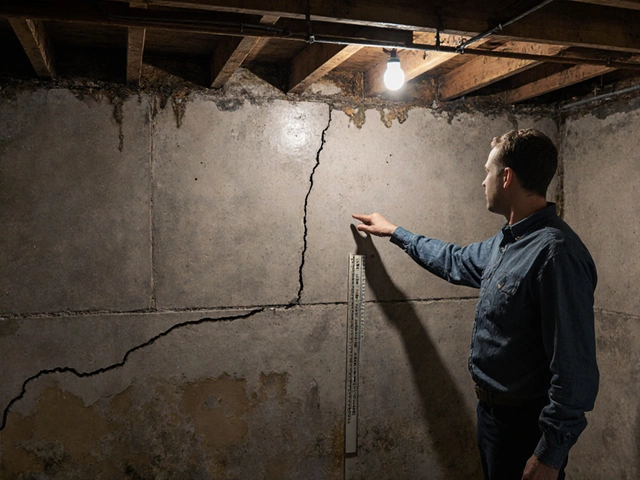
| Horizontal Foundation Cracks | Runs horizontally along basement walls | Hydrostatic pressure from saturated soil pushing against walls | High (Structural Risk) |
| Vertical Wall Cracks | Wide vertical splits, especially near doors or windows | Significant settling or framing issues | High (Structural Risk) |
| Diagonal Corner Cracks | Angled cracks starting from the corners of doors or windows | Framing distortion or uneven settling | Medium-High (Investigate) |
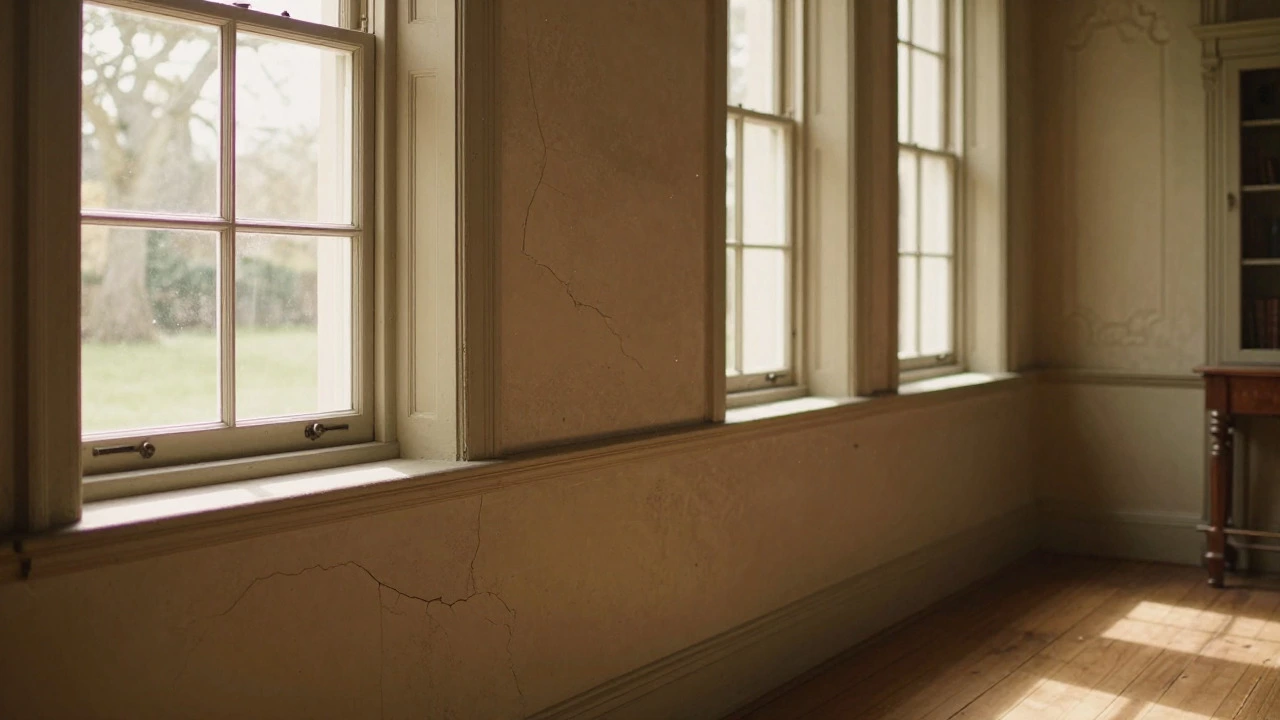
Hairline cracks, very fine fissures typically found in plaster or drywall surfaces are the most common and least concerning. You will find them above doorways, where two pieces of drywall meet, or radiating from corners. These are purely cosmetic. You can fill them with joint compound, repaint, and forget about them. They do not indicate that the house is falling apart.
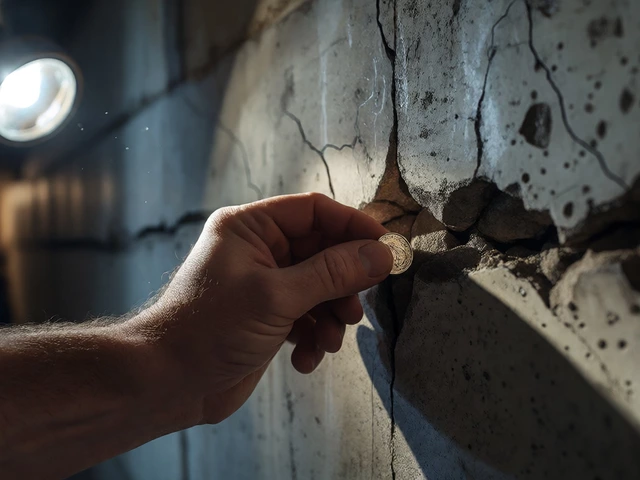
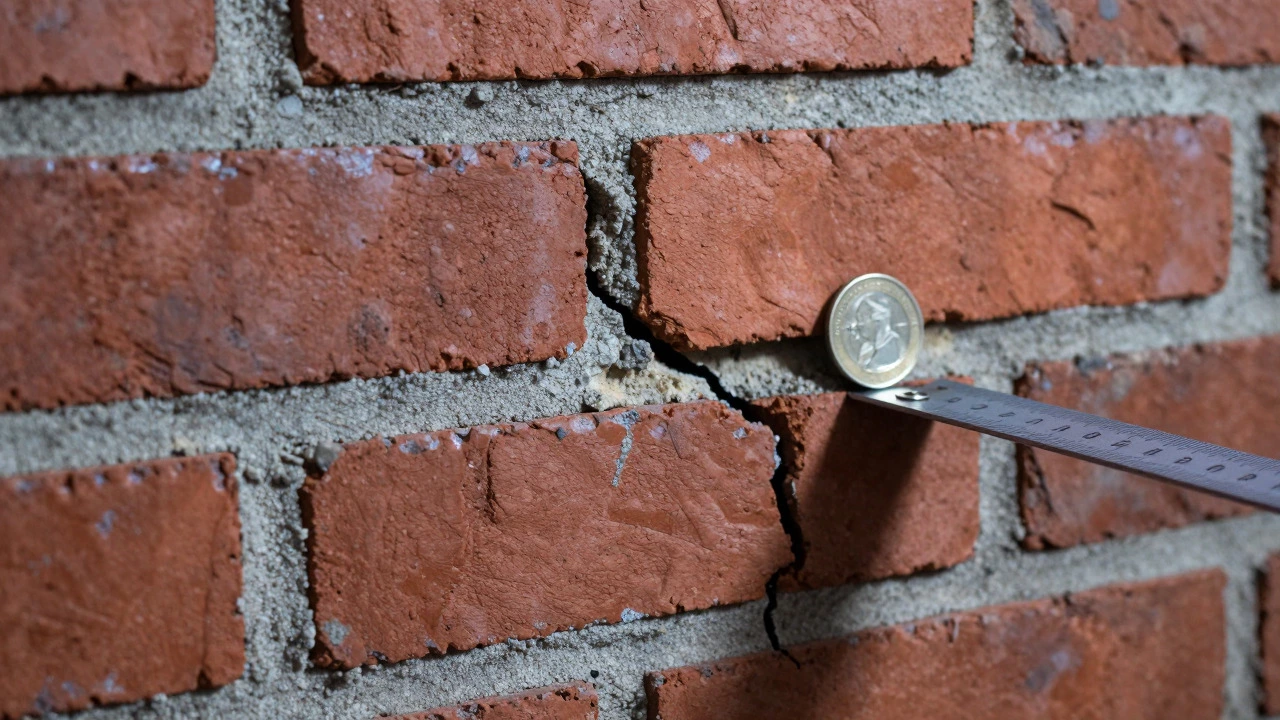
However, stair-step cracks, fractures in masonry walls that follow the zigzag pattern of mortar joints require closer attention. While often caused by aging mortar, which is softer than the bricks themselves, wide stair-step cracks can signal that the wall is bowing or shifting. If the crack is wider than a dime, or if the brick itself is crumbling, you have a problem that needs repair.
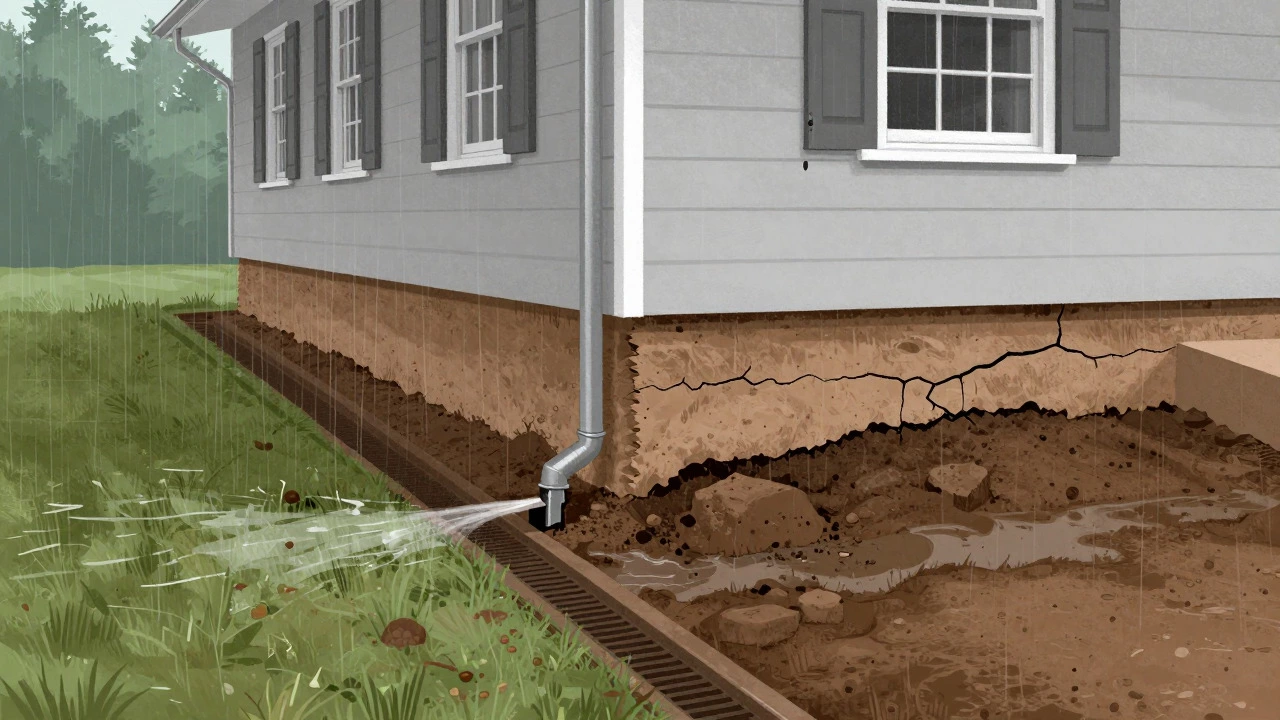
The most dangerous cracks are horizontal ones in basement walls. These usually mean the soil outside is pushing harder against the wall than the wall can withstand. This is often due to poor drainage or clay soils that swell when wet. Vertical cracks in load-bearing walls, especially those wider than 1/4 inch, also demand immediate investigation. They suggest that the frame is twisting or that a support column has failed.
The Role of Materials: Plaster, Lath, and Mortar
One reason cracks appear more frequently in 100-year-old homes is the materials used. Before drywall became standard in the mid-20th century, walls were finished with lath and plaster, a traditional wall finishing system consisting of wooden strips (lath) covered with multiple layers of gypsum or lime-based plaster. This system is durable and fire-resistant, but it is rigid. Unlike modern drywall, which has some flexibility, plaster does not bend. When the house moves-even slightly-the plaster snaps.
Mortar is another weak link. The mortar used in early 1900s construction was often made with lime, which is softer and more permeable than modern Portland cement mortar. This was intentional; builders wanted the mortar to be sacrificial, meaning it would erode before the bricks did. Today, many homeowners mistakenly repoint their chimneys or foundations with hard, modern cement. This traps moisture inside the softer historic bricks, causing them to spall (flake off) and crack during freeze-thaw cycles. If you see cracks accompanied by crumbling brick faces, check if recent repairs used the wrong type of mortar.
Environmental Factors Accelerating Damage
Your house doesn't exist in a vacuum. The environment around it plays a massive role in crack formation. Trees planted too close to the foundation are a classic culprit. Large oak or maple trees can suck up immense amounts of water from the soil, causing the ground to shrink and the foundation to settle unevenly. Conversely, heavy rains can saturate clay soils, causing them to expand and push against basement walls.
Poor grading around the perimeter of the house is another silent killer. If the ground slopes toward the house instead of away from it, water pools against the foundation. Over a hundred years, this constant exposure weakens the footings and promotes moisture intrusion, which leads to rot in wooden sill plates and subsequent framing shifts. Always ensure that rain gutters and downspouts direct water at least six feet away from the foundation walls.
When to Call a Professional
You don't need to panic at every hairline fracture, but you shouldn't ignore obvious signs of distress either. Hire a licensed structural engineer or a specialized foundation repair contractor if you notice any of the following:
- Doors or windows that stick or refuse to latch, indicating the frame has twisted.
- Floors that slope noticeably or feel bouncy, suggesting joist failure or significant settling.
- Gaps appearing between the wall and the ceiling or floor.
- Cracks that are actively growing. Mark the ends of a crack with a pencil and date it. Check back in a month. If the line has extended, the movement is ongoing.
- Bowing or leaning basement walls.
A professional inspection provides peace of mind. They may recommend solutions ranging from simple epoxy injection for non-structural cracks to underpinning with helical piers for severe settlement. For a 100-year-old home, preservation is key. Sometimes, stabilizing the structure is enough; you don't always need to rebuild it.
Maintenance Tips for Historic Homes
Preventing new cracks involves proactive maintenance. Keep the soil moisture around your foundation consistent. Avoid letting the ground become bone-dry in summer or waterlogged in winter. Install French drains if you have persistent hydrostatic pressure. Repoint deteriorated mortar using a mix that matches the original softness and composition. Finally, accept that some character comes with age. A perfectly smooth wall in a century-old house is suspicious; it likely means someone covered up the history with fresh drywall. Embrace the imperfections, monitor the serious ones, and maintain the rest.
How wide is a crack too wide in an old house?
Generally, cracks wider than 1/4 inch (about the width of a dime) warrant professional inspection. Hairline cracks less than 1/16 inch are typically cosmetic. Stair-step cracks in masonry should be monitored regardless of width, but widths exceeding 1/8 inch suggest active movement.
Can a 100-year-old house collapse suddenly?
Sudden collapse is rare unless there has been significant neglect, flood damage, or termite infestation destroying load-bearing elements. Most structural failures give warning signs like sticking doors, sloping floors, and widening cracks months or years before a catastrophic event.
Should I fill cracks in plaster walls?
Yes, for cosmetic hairline cracks, filling them with flexible joint compound or elastomeric caulk is recommended to prevent dust and pests from entering. However, avoid filling large structural cracks without addressing the underlying cause, as they will likely reopen.
Does insurance cover cracks in old foundations?
Standard homeowners insurance rarely covers gradual settling or maintenance-related cracks. Coverage is usually only provided if the damage results from a sudden, covered peril like a fire, vehicle impact, or specific water backup events. Flood and earthquake damage require separate policies.
How much does it cost to fix foundation cracks in an old home?
Costs vary widely. Simple epoxy injection for non-structural cracks can cost $250-$500 per crack. Major repairs involving underpinning with piers or wall anchors can range from $5,000 to $20,000 or more, depending on the severity and accessibility of the foundation.