Outdoor Furniture Protection Planner
Select your furniture material and current weather conditions to get a customized protection strategy.
There is nothing worse than sitting down on your favorite patio chair only to find it damp, sticky, or starting to rust. If you live in a place with unpredictable weather, like Vancouver where the rain can come out of nowhere, keeping your outdoor furniture in top shape feels like a constant battle. But here is the good news: you do not need to bring everything inside every time a cloud passes overhead. With the right materials and a few simple habits, your garden set can survive the wettest seasons without losing its look or comfort.
The secret isn't just about buying expensive gear. It is about understanding how different materials react to moisture and taking small, consistent steps to protect them. Whether you have teak loungers, metal dining sets, or fabric cushions, this guide will show you exactly what to do before, during, and after the rain hits.
Why Water Is the Enemy of Your Patio Set
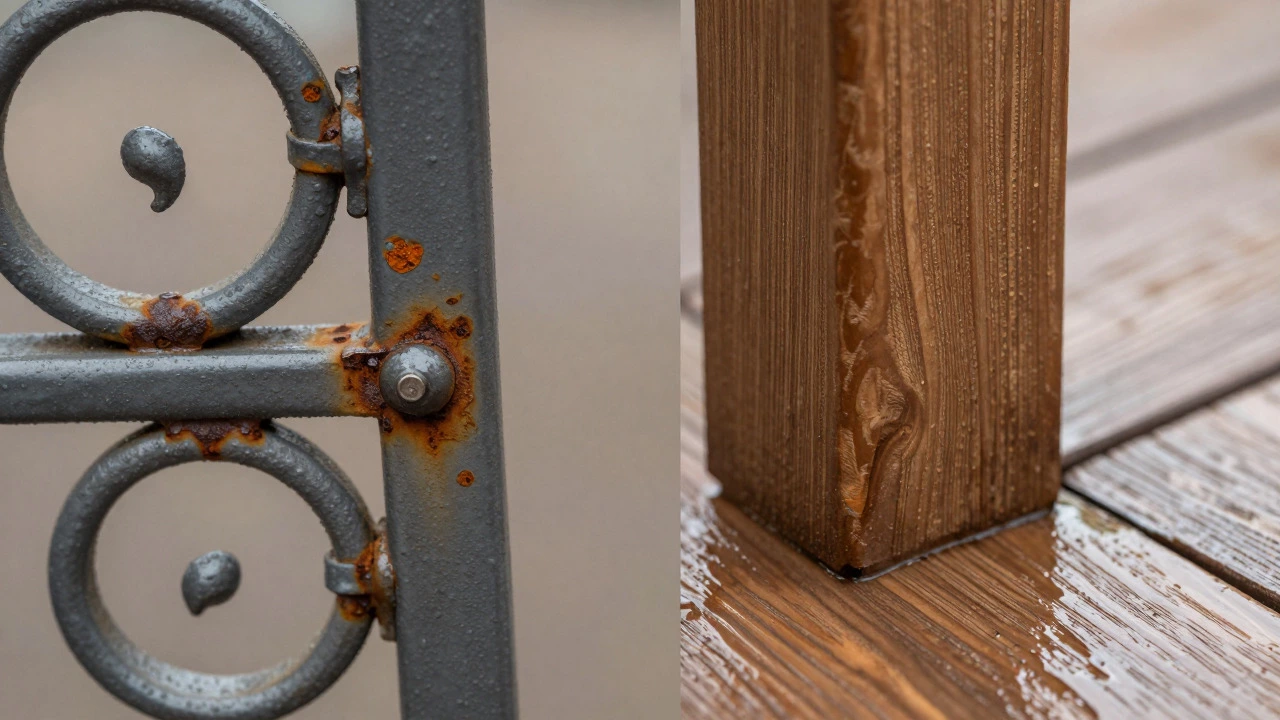
Before we talk about solutions, let's understand the problem. Water itself isn't always bad, but standing water and trapped moisture are. When water sits on surfaces, it leads to three main issues: rot, rust, and mold. Wood absorbs water and swells, which eventually causes cracks and splits as it dries. Metal oxidizes when exposed to oxygen and moisture, leading to unsightly rust spots that weaken the structure. Fabric cushions trap humidity, creating a perfect breeding ground for mildew and unpleasant odors.
In coastal areas or places with high humidity, these processes happen faster. Salt in the air accelerates corrosion on metals, while persistent dampness prevents fabrics from drying out completely. This is why proactive care matters more than reactive cleaning. You want to stop the damage before it starts, not scrub away stains after they have set in.
Material-Specific Care Strategies
Not all furniture is created equal. The way you protect your set depends entirely on what it is made of. Here is how to handle the most common materials found in gardens and patios.
| Material | Vulnerability | Best Protection Method |
|---|---|---|
| Teak Wood | Graying, cracking if untreated | Annual oiling; leave uncovered to weather naturally if preferred |
| Aluminum | Surface oxidation, powder coating chipping | Dry immediately; touch up chips with matching paint |
| Wrought Iron | Rust formation at joints and scratches | Sealant application; keep covered; inspect for flaking paint |
| Polywood / HDPE | Mold growth in crevices | Soap and water wash; ensure drainage holes are clear |
| Acrylic Resin | Fading, surface staining | Mild detergent clean; UV-resistant covers recommended |
Teak wood is famous for its natural oils that resist water, but those oils deplete over time. If you want to keep that rich honey color, apply a specialized teak oil once a year. If you prefer the silvery-gray patina that comes with age, you can skip the oiling but still need to clean it to prevent moss buildup.
For metal frames, aluminum is generally low-maintenance because it forms a protective oxide layer. However, if the powder coating gets scratched, the bare metal underneath can corrode. Wrought iron is heavier and sturdier but requires vigilant inspection. Any chip in the paint is an invitation for rust. Keep a small brush and some rust-inhibiting primer handy to touch up these spots immediately.
Synthetic materials like polywood (high-density polyethylene) and acrylic resin are incredibly durable. They do not rot or rust. Their main enemy is dirt and organic matter that sticks to them when wet. Regular washing with soapy water keeps them looking new and prevents mold from taking hold in the textured surfaces.
The Role of Quality Covers
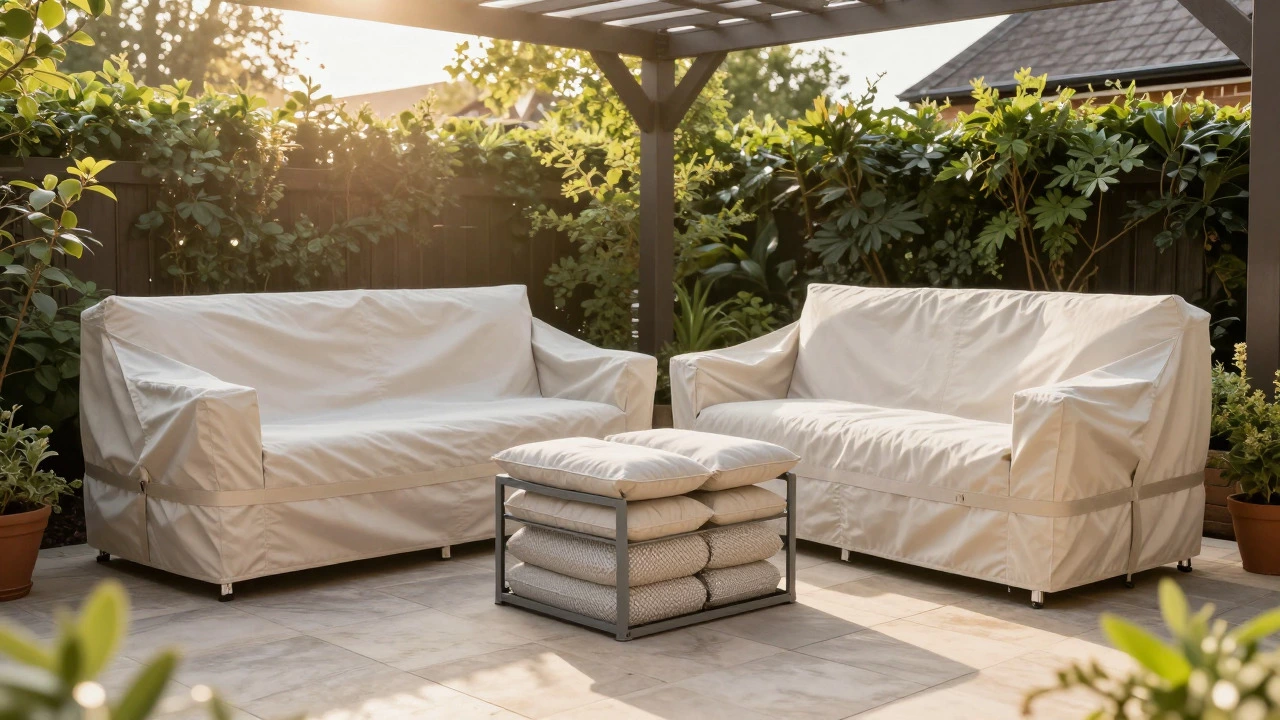
If you cannot move your furniture inside, covers are your best defense. But not all covers are created equal. A cheap plastic tarp might seem like a quick fix, but it often traps moisture against the furniture, making things worse. You need a cover that breathes.
Look for covers made from breathable fabrics like canvas or specialized synthetic blends with waterproof coatings. These allow moisture vapor to escape while keeping rain out. Make sure the cover fits snugly. Loose covers flap in the wind, causing friction that wears out both the cover and the furniture finish. Use straps or buckles to secure them tightly.
Another pro tip: never put a cover on wet furniture. Always wait until the pieces are completely dry before covering them. Otherwise, you are essentially steaming your cushions and trapping condensation inside. This is a common mistake that leads to mildew smells within weeks.
Cushion and Textile Maintenance
Fabrics are the weakest link in any outdoor set. Even "water-resistant" labels usually mean the fabric sheds water temporarily, not that it is waterproof. Over time, the coating breaks down.
To extend the life of your cushions:
- Remove cushion covers and wash them according to the manufacturer's instructions. Most can be machine washed on a gentle cycle.
- Apply a fabric protector spray designed for outdoor use. These products create an invisible barrier that repels water and stains. Reapply this every season or after heavy cleaning.
- Store foam inserts in a dry, ventilated area during prolonged rainy periods. Foam holds moisture like a sponge and takes forever to dry out, leading to permanent compression and odor.
If you notice any signs of mold-black or green spots-act fast. Mix a solution of one part white vinegar to four parts water. Spray it on the affected area, let it sit for 15 minutes, then scrub gently with a soft brush. Rinse thoroughly and let it dry in direct sunlight, which helps kill remaining spores.
Strategic Placement and Drainage
Where you place your furniture matters as much as how you clean it. Avoid putting items directly under tree branches that drip water continuously or shed leaves. Wet leaves decompose into a sludge that stains wood and fabric. Instead, position your set under a pergola, awning, or roof overhang if possible.
Ensure your patio or deck has proper drainage. Standing water around the base of legs can wick moisture up into the material. For wooden decks, make sure the gap between boards is clear so water can flow through rather than pooling. Elevating furniture slightly with coasters or pads can also help keep the bottom edges dry.
Seasonal Deep Cleaning Routine
Rain brings dirt, pollen, and pollutants along with it. A regular cleaning schedule prevents grime from building up and becoming difficult to remove.
- Weekly Check: Shake off loose debris and wipe down surfaces with a dry cloth. Check for any leaks in covers.
- Monthly Wash: Use a mild dish soap and warm water. Scrub with a soft-bristled brush. Rinse with a hose on a low setting to avoid forcing water into joints.
- Seasonal Deep Clean: At the start and end of the rainy season, perform a thorough inspection. Tighten loose screws, check for rust, reapply sealants or oils, and wash all textiles.
Avoid using pressure washers on delicate woods or fabrics. The high pressure can strip away finishes and force water deep into seams where it won't dry easily. Stick to hand washing for the best results.
When to Bring It Inside
Sometimes, no amount of covering or treating is enough. During severe storms with high winds, hail, or flooding risks, bringing your furniture indoors is the safest option. If you have limited storage space, consider investing in stackable designs or modular sets that break down easily.
If indoor storage isn't an option, move items to a garage or shed. Ensure the storage area is dry and well-ventilated. Moisture can build up in enclosed spaces too, so use desiccant packs or silica gel bags to absorb excess humidity.
Should I cover my outdoor furniture every night?
You do not need to cover your furniture every single night unless you expect rain. Constant covering can trap moisture if the furniture isn't perfectly dry. However, during rainy seasons, it is wise to cover them daily to prevent sudden showers from soaking the cushions and metal frames.
Can I use a regular tarp to protect my patio set?
It is better to avoid standard plastic tarps. They trap heat and moisture, creating a greenhouse effect that promotes mold and mildew. Instead, choose breathable, UV-resistant covers specifically designed for outdoor furniture. These allow air circulation while keeping rain out.
How do I remove rust from wrought iron furniture?
Start by sanding the rusted areas with fine-grit sandpaper until you reach bare metal. Clean the surface with a wire brush to remove dust. Apply a rust-inhibiting primer, followed by two coats of exterior-grade enamel paint. Touch up any chips immediately to prevent future rust.
Is teak oil necessary for teak furniture?
Teak oil is optional. Teak contains natural oils that make it resistant to water and rot. Applying teak oil maintains the golden-brown color. If you skip the oil, the wood will turn silver-gray over time due to UV exposure and rain, but it will remain structurally sound.
What is the best way to store cushions during winter?
Clean and completely dry your cushions before storing. Place them in airtight plastic bins or vacuum-sealed bags to protect them from dust, pests, and humidity. Store the bins in a cool, dry place like a basement or closet. Avoid attics where temperature fluctuations can cause condensation.