Outdoor Furniture Material Selector
Answer these questions to find the ideal frame material for your specific environment and lifestyle.
We have analyzed durability, rust resistance, UV stability, and maintenance requirements to recommend the following options.
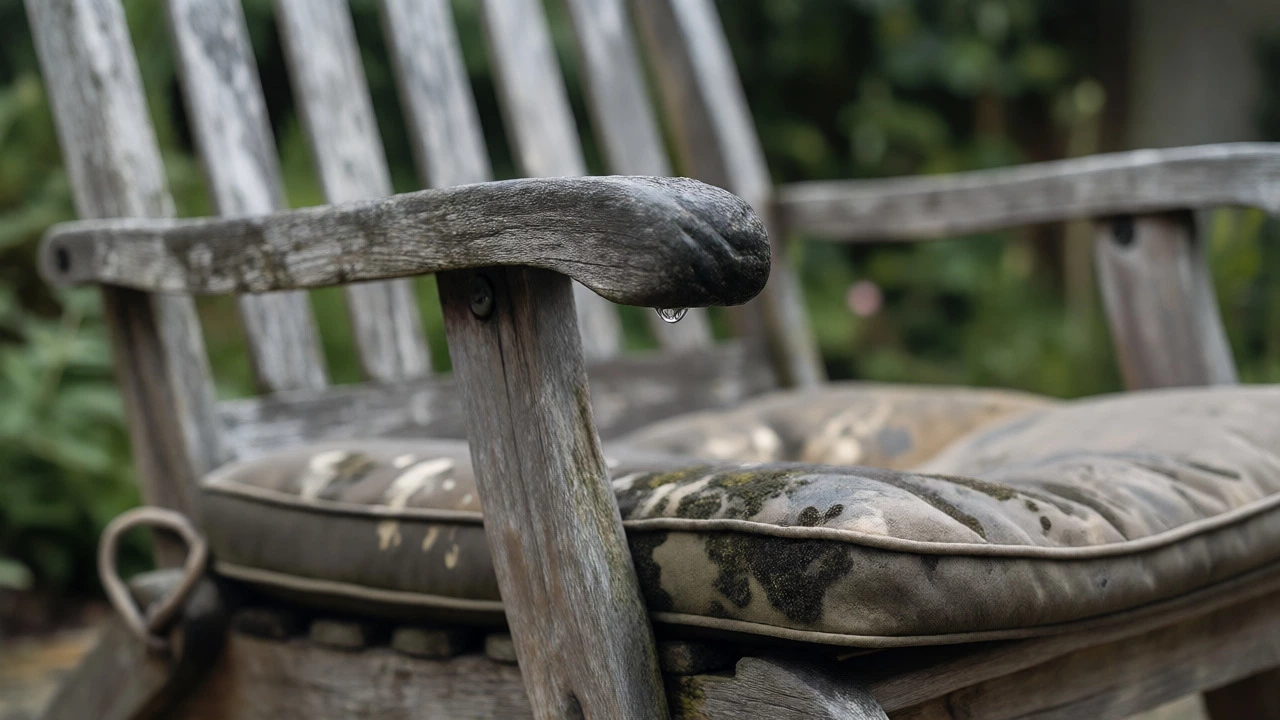
You just spent good money on a beautiful set of chairs, and six months later, the cushions are moldy and the wood is gray. It happens to almost everyone who buys outdoor furniture without checking the fine print on durability. Choosing what goes on your deck or in your garden isn't just about style; it's a battle against sun, rain, snow, and temperature swings. If you live somewhere with harsh winters or intense UV exposure, picking the wrong material means replacing your investment every two years instead of every ten.
Key Takeaways
- Aluminum and HDPE Wicker offer the best balance of low maintenance and high durability for most climates.
- Teak is the gold standard for wood but requires periodic oiling if you want to keep its golden color; otherwise, it silvers naturally.
- Steel is strong but must be powder-coated properly to avoid rust, especially in coastal areas.
- Cushions matter more than frames: Use Sunbrella or similar solution-dyed acrylic fabrics to prevent fading and mildew.
- Storage is part of the design: Even "weather-resistant" furniture lasts longer if you can cover it or store it during off-seasons.
The Big Three: Aluminum, Steel, and Wood
When you walk into a showroom, you'll mostly see three categories of frame materials. Each has a distinct personality and performance profile. Let's break them down so you don't end up with a rusty mess or a splintered disaster.
Aluminum is probably the smartest choice for 80% of homeowners. It doesn't rust, it's lightweight enough to move around when you're cleaning the patio, and modern manufacturing techniques make it surprisingly sturdy. Look for powder-coated aluminum, which adds an extra layer of protection against chipping and scratching. The downside? Cheap aluminum can feel flimsy and might bend under heavy weight. But high-grade extruded aluminum? That stuff lasts forever.
Steel brings serious weight and stability. If you have a windy balcony or a large table that needs to stay put, steel is your friend. However, steel is iron's cousin, and iron loves to rust. You absolutely need a high-quality powder coat or galvanization to keep moisture out. In Vancouver or any place with salt air, untreated steel will start showing orange spots within a year. I've seen $2,000 sets ruined by a single winter of neglected care.
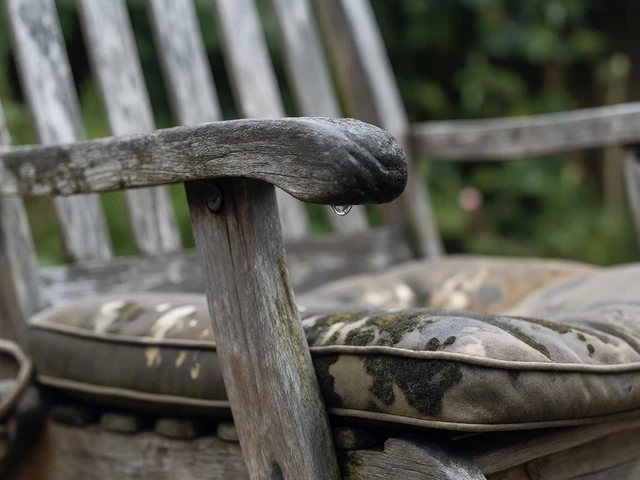
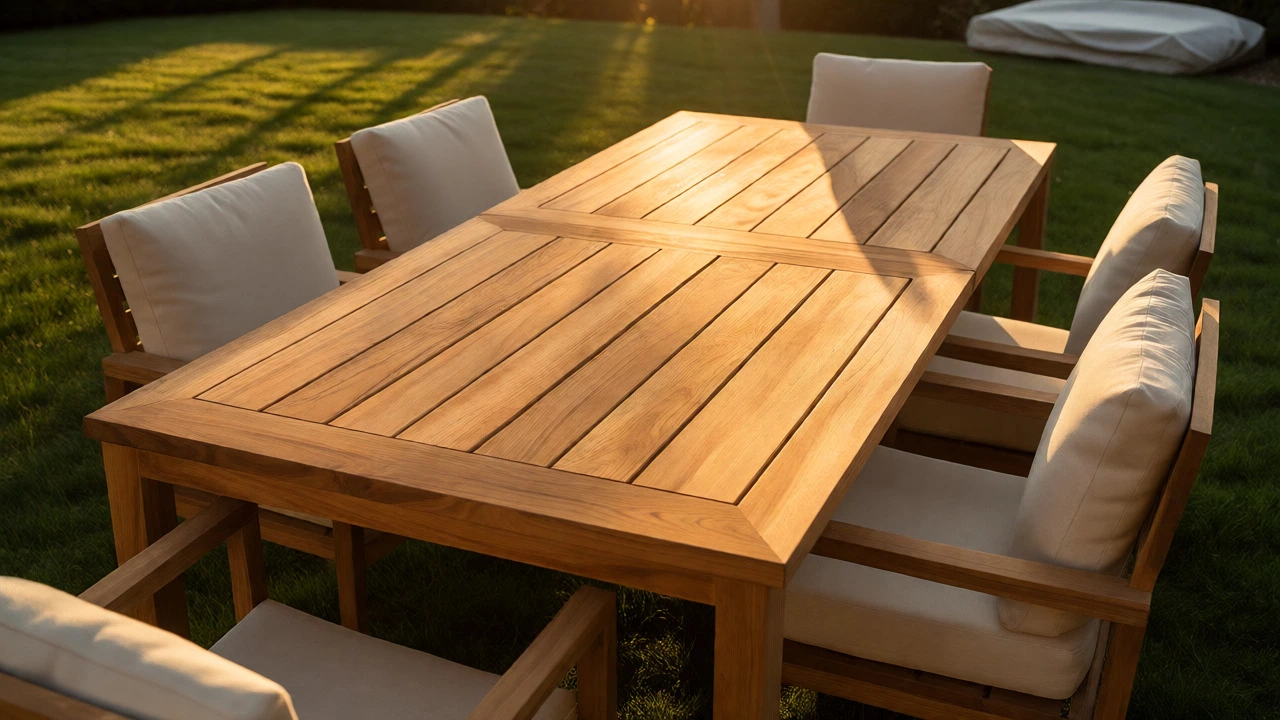
Then there's wood. Not all wood is created equal. Teak is the celebrity of outdoor woods because it contains natural oils that repel water and insects. You can leave teak outside for decades with zero treatment, though it will turn a silvery-gray patina. If you prefer that warm honey color, you'll need to sand and oil it once or twice a year. Other woods like eucalyptus or acacia are cheaper alternatives but require much more diligent sealing. Avoid pine or cedar unless they are heavily treated-they simply can't handle constant wet-dry cycles without warping.
Synthetic Options: Resin and Wicker
If you hate maintenance, synthetic materials are your best bet. They don't rot, they don't rust, and they laugh at humidity.
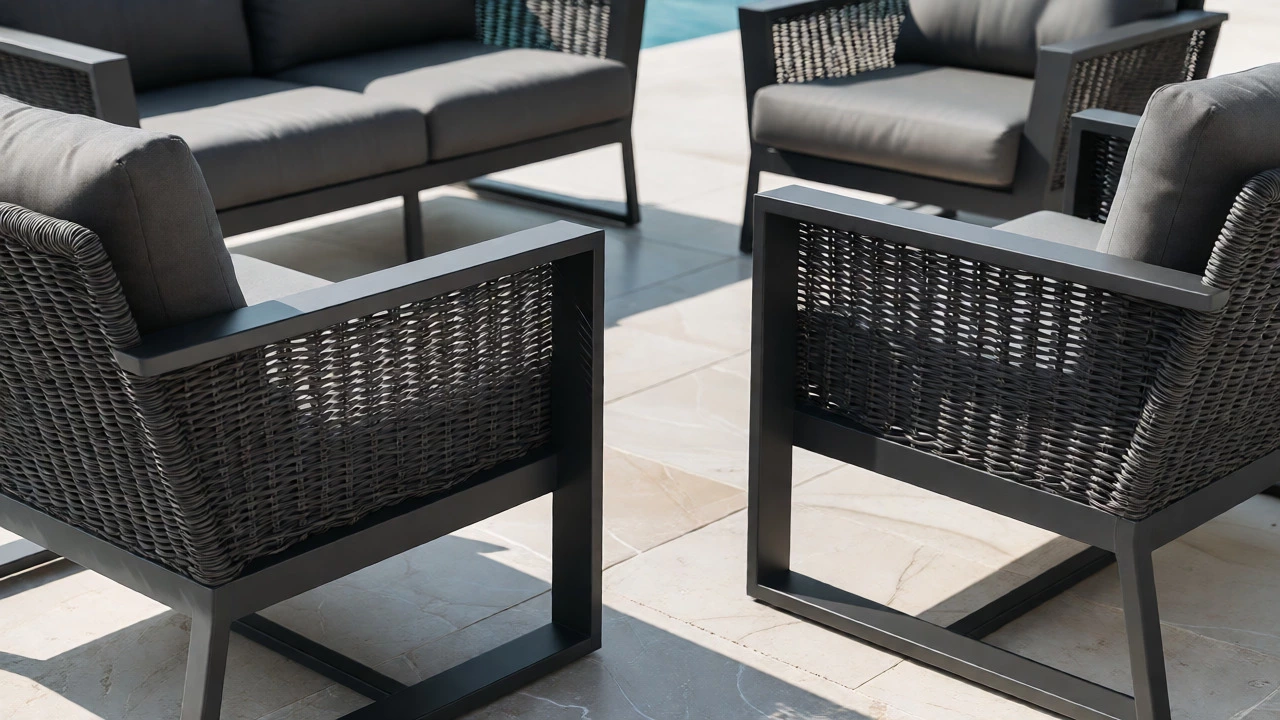
HDPE (High-Density Polyethylene) wicker looks like traditional rattan but is made from plastic resin. This is crucial because real rattan absorbs water and rots. HDPE is UV-stabilized, meaning it won't crack or fade easily under direct sunlight. It’s also easy to hose down. Just make sure the weave is tight and uniform; loose weaves trap dirt and look messy quickly.
Resin (often called polywood) mimics the look of painted wood but never peels or chips. It’s solid through, so if you scratch it, the color underneath is the same. This makes it ideal for families with kids or pets who might bang things up. The only knock on resin is that it can get hot in direct sun and might become brittle in extreme cold if it's low quality. Always check for UV inhibitors in the formula.
Comfort Matters: Fabric and Cushions
A durable frame is useless if the cushions smell like mildew after one rainstorm. Standard indoor fabrics fail outdoors rapidly. You need specific technical textiles.
Look for solution-dyed acrylic fabrics, like Sunbrella. Unlike fabrics where the dye is applied after weaving, solution-dyed fibers have the color embedded inside the fiber itself. This means they resist fading significantly better. They are also breathable and quick-drying. If you spill red wine, you can often clean these fabrics with bleach solutions without damaging the color.
For the foam inside the cushions, quick-dry foam (open-cell structure) is essential. Traditional closed-cell foam traps water, creating a sponge that breeds bacteria and smells bad. Quick-dry foam allows water to pass right through, so if a storm hits, your cushions dry out in hours, not days.
Material Comparison Table
| Material | Durability | Maintenance Level | Cost Range | Best For |
|---|---|---|---|---|
| Aluminum | High (Rust-proof) | Low | $$ - $$$ | Coastal areas, frequent movers |
| Teak | Very High | Medium (Oiling optional) | $$$$ | Classic aesthetics, long-term investment |
| HDPE Wicker | High (UV stable) | Very Low | $$ - $$$ | Modern looks, humid climates |
| Steel | Medium (Prone to rust) | High | $ - $$ | Wind-prone areas, budget-conscious |
| Resin/Polywood | High | Very Low | $$$ | Families, low-maintenance seekers |
Climate-Specific Advice
Your location dictates your choices. Here in Vancouver, we deal with persistent dampness and mild temperatures. Rust is our enemy #1. Aluminum and synthetic wickers shine here. Teak does well too, provided you let it silver or maintain it regularly. We rarely worry about extreme heat cracking plastics.
In contrast, if you live in Arizona or Southern California, UV radiation is the killer. Dark colors absorb heat and fade faster. Light-colored aluminum or white resin reflects heat and stays cooler. Wood can dry out and crack if not sealed properly against the sun.
For those in the Midwest or Northeast US, freeze-thaw cycles are brutal. Water gets into tiny cracks in wood or metal, freezes, expands, and breaks the material apart. Synthetic materials handle this best. If you choose wood, ensure it's properly sealed before winter. And honestly? Cover everything. A $50 tarp saves a $500 chair.
Buying Tips: What to Check Before You Pay
Don't just look at the photo online. Go to the store and sit in the chair. Is the seat depth comfortable? Can you cross your legs? Does the armrest height match your table?
- Check the joints: Welded joints on metal are stronger than bolted ones, but bolted is easier to repair. Look for stainless steel hardware; regular steel bolts will rust and stain your furniture.
- Test the weave: If buying wicker, press on it. It should spring back. If it feels brittle or snaps, it's cheap PVC, not HDPE.
- Ask about warranties: Good brands offer 5-10 year warranties on frames. If they only give you one year, they know it won't last.
- Consider modularity: Modular sofas allow you to rearrange pieces as your space changes. It’s great for entertaining or changing layouts seasonally.
Troubleshooting Common Issues
Rust spots on steel: Sand the spot lightly, apply a rust-converter primer, and touch up with matching spray paint. Do this immediately upon seeing orange spots.
Mold on cushions: Mix mild soap with water and scrub. For stubborn black mold, use a vinegar solution or a specialized outdoor fabric cleaner. Never throw them in the washing machine unless the tag says so-many lose their waterproof coating.
Gray teak: If you want the original color back, use a teak brightener and pressure washer on a low setting. Then apply teak oil. If you like the gray, just wash it with soapy water annually to remove dirt.
Is rattan better than wicker for outdoor use?
No, natural rattan is not suitable for outdoors unless covered constantly. It absorbs moisture and rots. Synthetic wicker (made from HDPE or PVC) is designed for outdoor use. When people say "wicker," they usually mean the material, but for outdoors, you specifically want synthetic resin wicker.
How long does outdoor furniture typically last?
With proper care, aluminum and HDPE wicker can last 10-15 years. Teak can last 25+ years. Steel may last 5-10 years depending on rust prevention. Resin lasts 10-15 years but can become brittle in extreme cold. Cheap plastic furniture might only last 2-3 seasons.
Do I need to cover my outdoor furniture?
Yes, even if it's labeled weather-resistant. Covers protect against UV degradation, bird droppings, tree sap, and heavy rain. Storing furniture indoors during winter extends its life significantly, especially for cushions and wooden pieces.
Which fabric is best for outdoor cushions?
Solution-dyed acrylic fabrics like Sunbrella are the top choice for durability and color retention. Polyester is a cheaper alternative but fades faster. Vinyl is waterproof but can crack in cold weather and feels less breathable.
Can I leave teak furniture outside in winter?
Yes, teak is highly resistant to weather. It can withstand freezing temperatures and snow. However, covering it prevents dirt buildup and reduces cleaning effort in spring. If you want to preserve the golden color, bring it inside or cover it tightly.