50 Rule Decluttering Tracker
Step 1: Define Your Scope. Pick one specific zone to tackle today.
🗄️ Junk Drawer
Easy difficulty
👟 Closet Floor
Medium difficulty
🥄 Kitchen Cabinets
Easy difficulty
🧴 Bathroom Counter
Easy difficulty
💻 Digital Desktop
Very Easy
✨ Custom Area
Your choice
Tip: Count out loud for a dopamine hit!
🎉 Goal Achieved!
You've successfully removed 50 items from this zone.
Remember: Stop now to build positive reinforcement. Celebrate this win!
Your Decluttering Momentum
You look at that pile of mail on the counter. It’s been there for weeks. You know you need to deal with it, but the thought of sorting through every single envelope feels exhausting. So you push it aside and walk away. Sound familiar? This is exactly why most people fail at decluttering. They try to tackle everything at once, get overwhelmed, and quit before they even start.
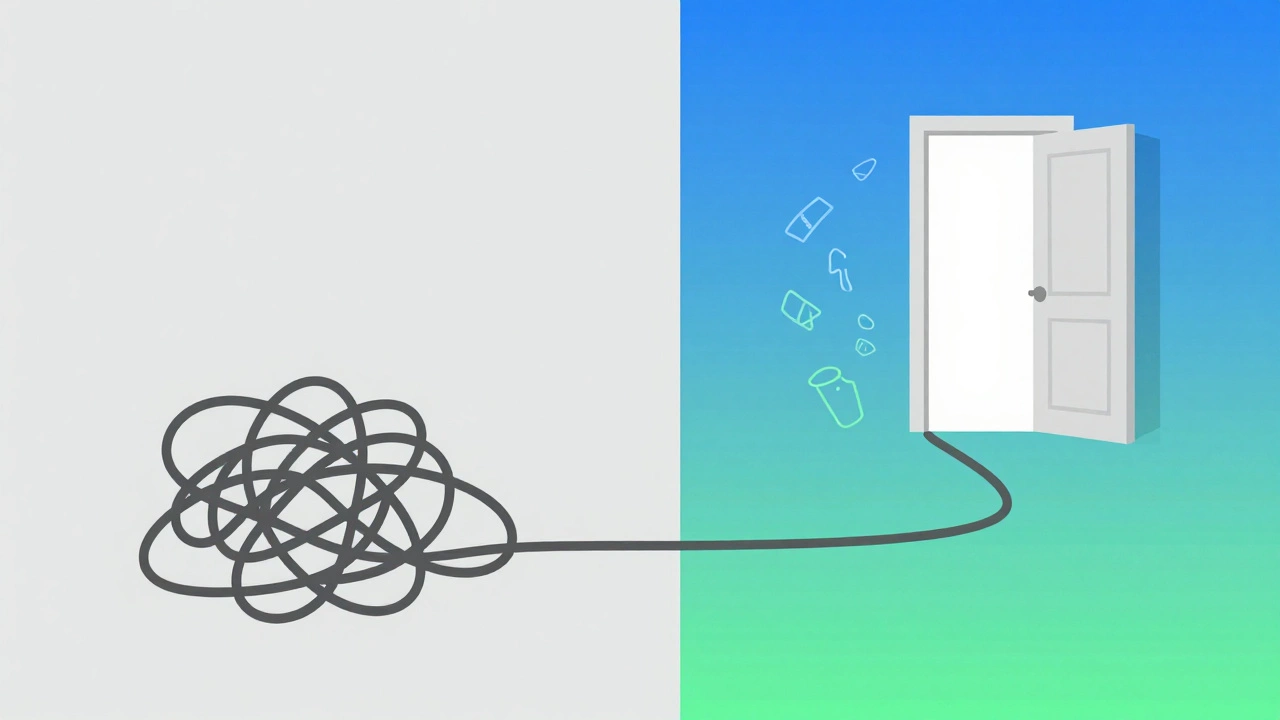
Enter the 50 rule. It’s not a complex psychological theory or a rigid lifestyle overhaul. It’s a simple, low-pressure tactic designed to trick your brain into taking action without triggering that paralyzing stress response. If you’ve ever felt stuck in a cycle of cleaning and re-cluttering, this might be the missing piece you’ve been looking for.
The Core Concept: Just Do Fifty
The 50 rule for decluttering is straightforward: pick a specific area or category of items, and remove just fifty things. That’s it. No more, no less. You don’t have to clean the whole room. You don’t have to organize your entire closet. You just need to find fifty items to get rid of.
Why fifty? It’s a number high enough to make a visible difference but low enough to feel manageable. Ten items might feel too easy to matter. Five hundred feels impossible. Fifty sits in that sweet spot where effort meets reward. It turns an overwhelming mountain of stuff into a small, climbable hill.
This approach works because it bypasses decision fatigue. When you tell yourself, "I’m going to clean my garage," your brain starts calculating hours of work. When you say, "I’m going to throw away fifty trash items," your brain sees a quick task. The goal isn’t perfection; it’s momentum.
How to Apply the 50 Rule Effectively
Knowing the rule is one thing. Applying it requires a bit of strategy. Here is how to structure your session so you actually finish and see results.
- Define Your Scope: Don’t just wander around your house. Pick one zone. It could be the junk drawer, the bottom shelf of your bookcase, or the pile of clothes on the chair. Narrow boundaries prevent distraction.
- Set a Timer (Optional): Some people find it helpful to set a timer for 15-20 minutes. This creates urgency and keeps you focused. Others prefer working until they hit the number fifty, regardless of time. Choose what fits your energy level.
- Gather Supplies: Have two bags ready. One for trash/recycling and one for donations. Having these within arm's reach stops you from putting items back down while you decide what to do with them.
- Count Out Loud: Keep a running tally. "One, two, three..." Hearing the count gives you a dopamine hit with each item removed. It gamifies the process.
- Stop at Fifty: Once you hit fifty, stop. Even if you’re on a roll. Celebrate the win. This builds positive reinforcement for next time.
The key is consistency over intensity. Doing the 50 rule once a week will transform your home faster than attempting a massive purge once a year and burning out.
Where to Start: Best Zones for the 50 Rule
Not all areas are created equal when it comes to quick wins. Some spaces yield fifty items in ten minutes. Others take hours. Start with low-hanging fruit to build confidence.
| Zone | Typical Items to Remove | Difficulty Level |
|---|---|---|
| Junk Drawer | Dried pens, old batteries, receipts, broken cables | Easy |
| Closet Floor | Shoes with holes, mismatched socks, fast fashion regrets | Medium |
| Kitchen Cabinets | Expired spices, duplicate utensils, empty containers | Easy |
| Bathroom Counter | Empty bottles, expired makeup, hotel toiletries | Easy |
| Digital Desktop | Old screenshots, duplicate files, unused apps | Very Easy |
Avoid starting with sentimental items like photo albums or children’s artwork. These require emotional processing, not just physical removal. Save those for later, after you’ve built up some decluttering muscle memory with easier categories.

Common Pitfalls to Avoid
Even simple rules can be messed up if you don’t pay attention to details. Here are the most common mistakes people make when trying the 50 rule.
- Mixing Categories: Don’t pull five items from the kitchen and five from the bedroom. Stick to one zone. Mixing zones leads to chaos and unfinished tasks everywhere.
- Being Too Lenient: If an item hasn’t been used in six months, let it go. Don’t keep it "just in case." The 50 rule relies on decisive action. Hesitation kills momentum.
- Ignoring Disposal Plans: Removing items from your space doesn’t help if they pile up in the hallway. Take the donation bag to the car immediately. Schedule a drop-off for the trash. Clear the path.
- Comparing Yourself to Others: Someone else might clear fifty items in five minutes. You might take twenty. That’s fine. Your pace is yours. Focus on completion, not speed.
Another trap is thinking you need to replace what you remove. If you throw away five old t-shirts, don’t buy five new ones. Embrace the emptiness. It’s part of the benefit.
Psychological Benefits Beyond Cleanliness
Decluttering isn’t just about aesthetics. It has a direct impact on your mental state. Studies in environmental psychology show that clutter competes for your attention, leading to increased cortisol levels and reduced ability to focus.
By using the 50 rule, you’re not just removing objects; you’re reclaiming cognitive space. Each item you discard reduces visual noise. Over time, this leads to:
- Reduced Anxiety: Fewer demands on your attention mean a calmer mind.
- Increased Productivity: A clear workspace helps you think clearly.
- Better Sleep: A tidy bedroom signals to your brain that it’s time to rest.
- Financial Awareness: Seeing what you already own stops impulse buying.
There’s also a sense of agency. In a world where many things feel out of control, deciding what stays and what goes in your home puts you back in charge. That empowerment spills over into other areas of life.
Adapting the Rule for Different Lifestyles
The 50 rule is flexible. It can work for minimalists, families with kids, renters, and homeowners alike. Here’s how to tweak it based on your situation.
For Parents: Kids generate clutter fast. Use the 50 rule weekly in their rooms. Involve them by letting them choose which toys to donate. Make it a game. "Can we beat the clock and find fifty blocks to put away?" This teaches responsibility early.
For Small Spaces: If you live in an apartment, every square inch counts. Focus on vertical storage and multi-functional items. Use the 50 rule to eliminate duplicates. Do you really need three coffee mugs if you only drink one cup a day?
For Digital Clutter: Don’t limit yourself to physical items. Apply the 50 rule to your phone. Delete fifty photos, uninstall fifty apps, or unsubscribe from fifty email lists. Digital clutter causes just as much stress as physical mess.
For Seasonal Shifts: Use the rule to rotate seasonal items. Before winter hits, remove fifty summer clothes. Donate what no longer fits. Store the rest properly. This keeps your current wardrobe relevant and manageable.
Maintaining Momentum Long-Term
The hardest part of any habit is keeping it alive. How do you stick with the 50 rule after the initial excitement fades?
Create triggers. Link the activity to something you already do. For example, "After I pour my morning coffee, I will spend ten minutes finding five items to remove." Or, "On Sunday evenings, I do the 50 rule before watching my favorite show." Habit stacking makes it automatic.
Track your progress. Keep a simple journal or use a notes app. Write down the date, the zone, and the count. Seeing "Week 1: 50 items, Week 2: 50 items" provides tangible proof of change. Visual progress motivates continued effort.
Finally, be kind to yourself. Some weeks you’ll miss a session. Life happens. Don’t let one missed week turn into a month of guilt. Just restart. The beauty of the 50 rule is that it’s always accessible. You never fall too far behind to catch up.
Is the 50 rule suitable for large homes?
Yes, absolutely. In fact, larger homes often have more hidden clutter. The key is to break the house into smaller zones. Tackle one room or even one cabinet at a time. The 50 rule prevents you from feeling overwhelmed by the sheer size of the space.
What should I do with the items I remove?
Sort them into three piles: trash, recycle, and donate. Items in good condition should go to local charities or thrift stores. Broken or unusable items belong in the trash. Recyclables like paper and plastic should be processed according to your local guidelines. Never leave donation bags sitting in your house for weeks.
Can I use the 50 rule for digital files?
Definitely. Digital clutter is real. Delete fifty old emails, remove fifty duplicate photos, or uninstall fifty unused apps. This frees up storage space and reduces mental distraction. Many people find digital decluttering easier and faster than physical cleaning.
How often should I apply the 50 rule?
Aim for once a week. Consistency is more important than frequency. Weekly sessions allow clutter to accumulate slightly, giving you enough material to work with, without becoming unmanageable. Adjust based on your lifestyle, but try to maintain a regular rhythm.
What if I can't find 50 items to remove?
If you're struggling, expand your definition of "clutter." Include expired products, broken tools, or items you haven't used in a year. If you truly only have 20 items, remove those 20 and celebrate. The goal is progress, not perfection. Sometimes, moving items to better storage locations counts as organizing, though removal is preferred.