ADHD-Friendly Workspace Calculator
Calculate your sensory needs and get personalized recommendations for seating and workspace adjustments to improve focus.
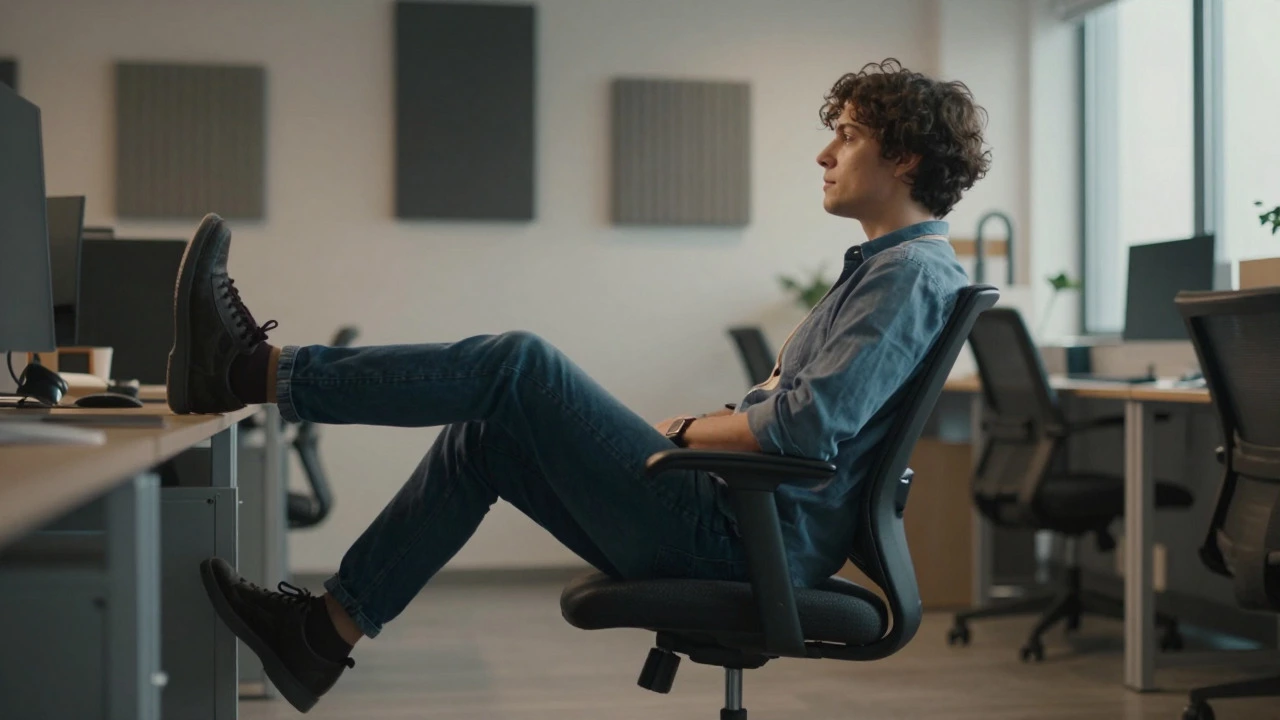
Have you ever watched a colleague bounce their leg, lean back on two chair legs, or twist into a pretzel while working? If you have ADHD, this isn't just bad manners. It’s a biological necessity. The way people with Attention Deficit Hyperactivity Disorder sit is rarely about comfort in the traditional sense. It is about regulation.
We often think of sitting as a passive act. You sit down, you stay still, you work. But for the neurodivergent brain, stillness can be agonizing. The strange postures we see are actually sophisticated self-soothing mechanisms. When you understand why these positions happen, you stop judging them as "bad posture" and start seeing them as clues to what kind of office furniture might actually help someone focus.
The Science Behind the Squirm
To understand the seat, you have to understand the signal. The human body has a nervous system that regulates arousal levels. Think of it like a thermostat. For most people, sitting quietly keeps the internal temperature just right. For someone with ADHD, the thermostat is broken. They are either too cold (under-stimulated) or too hot (over-stimulated).
When the brain is under-stimulated, it craves input. This is where the movement comes in. Leg bouncing, foot tapping, or shifting weight from side to side sends signals to the brain. These signals release small amounts of dopamine and norepinephrine. These are the same chemicals that medications like Ritalin or Adderall target. Movement literally helps the brain pay attention.
If you force a person with ADHD to sit perfectly still in a rigid chair, you are cutting off their primary source of stimulation. Their brain starts looking for distractions elsewhere-checking phones, staring out windows, or zoning out completely. The "strange" sitting position is an attempt to keep the engine running.
Common Postures and What They Mean
Not all fidgeting is the same. Different postures address different sensory needs. Recognizing these patterns can help you choose the right seating solution. Here are the most common ones I’ve seen in offices:
- The Rocker: Leaning back on two chair legs and rocking. This provides vestibular input (balance and motion). It’s calming and rhythmic.
- The Twist: Sitting sideways or twisted in the chair. This engages the core muscles and provides proprioceptive input (awareness of body position).
- The Bouncer: Rapid leg shaking or foot tapping. This increases blood flow and provides high-frequency tactile feedback.
- The Sloucher: Collapsing into the seat. This reduces physical effort and can feel grounding for those who are over-stimulated by bright lights or noise.
Each of these positions is a hack. The person is trying to modify their environment because the standard ergonomic chair fails to meet their sensory requirements. They aren’t lazy; they’re adapting.
Why Standard Ergonomic Chairs Fail
Let’s talk about the typical office chair. Manufacturers design them for stability and long-term spinal support. They use firm mesh, fixed armrests, and bases that resist tilting. For a neurotypical worker, this is fine. For someone with ADHD, it’s a prison.
Standard chairs demand static posture. They punish movement. If you try to rock in a cheap mesh chair, it squeaks or resists. If you try to lean forward, the arms dig into your ribs. This creates friction between the body’s need to move and the chair’s refusal to allow it. The result? More anxiety, less focus, and more "weird" contortions as the body fights the furniture.
Furthermore, many ergonomic chairs lack adequate sensory feedback. They are smooth, hard, and unyielding. The brain doesn’t get the rich data stream it needs to maintain alertness. You end up with a worker who looks like they’re melting into the seat because their body is shutting down due to lack of stimulation.
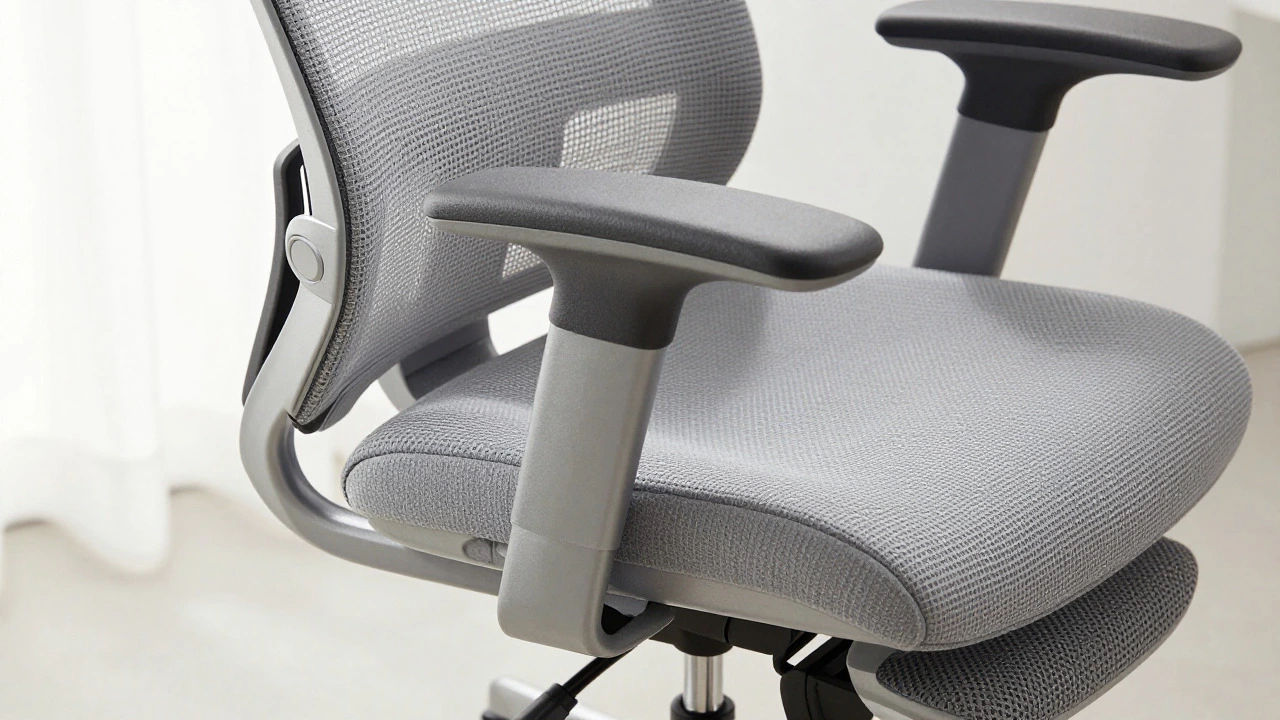
Features That Actually Help
If you want to support focus, you need to change the hardware. The goal isn’t to stop the movement but to channel it productively. Here are the specific features to look for in seating for ADHD:
- Dynamic Tilt Mechanisms: Look for chairs that allow free-floating tilt. The seat should move with you, not against you. A synchronized tilt mechanism lets you lean back without losing contact with the floor, providing gentle rocking motion.
- Adjustable Lumbar Support: Lower backs need firm support, but it shouldn’t be rigid. Inflatable lumbar pillows or flexible mesh allow for micro-movements while keeping the spine aligned.
- Footrests: Essential for leg bouncers. A stable, textured footrest gives the feet something to press against. This grounds the user and allows for safe, quiet leg movement.
- Soft Textures: Fabric seats provide more tactile feedback than plastic or leather. The slight resistance of fabric against skin can be soothing and grounding.
- Armrest Flexibility: Armrests that move up, down, in, and out allow the user to find a position that doesn’t restrict shoulder movement. Some users prefer no armrests at all to allow full torso rotation.
These features transform the chair from a static object into an interactive tool. They acknowledge that the body wants to move and make that movement easier and quieter.
| Chair Type | Movement Allowed | Sensory Feedback | Best For |
|---|---|---|---|
| Standard Mesh | Low | Minimal | Static workers |
| Balancing Ball | High | High | Short bursts of focus |
| Kneeling Chair | Medium | High | Posture correction |
| Active Task Chair | High | Medium | All-day productivity |
Alternatives to Traditional Seating
Sometimes, a chair just isn’t enough. Many people with ADHD benefit from alternative seating options that integrate movement directly into the work process. These aren’t gimmicks; they are tools for regulation.
Balance Balls: Also known as exercise balls, these require constant micro-adjustments to stay upright. This engages the core and keeps the brain alert. However, they can be tiring for long sessions and offer poor lumbar support. Best used for 30-45 minute intervals.
Kneeling Chairs: These shift weight from the lower back to the shins. They open up the hip angle and encourage an upright posture. The instability forces engagement of stabilizer muscles. Great for reducing slouching, but can cause knee discomfort if not padded properly.
Standing Desks: Alternating between sitting and standing is one of the best strategies. Standing allows for larger movements-shifting weight, pacing, stretching. It breaks the cycle of sedentary stagnation. The key is variety. Don’t stand all day; switch every hour.
Wobble Cushions: A simple disc placed on any chair. It adds instability and requires balance. It’s a low-cost way to add dynamic seating to an existing setup. Perfect for those who can’t afford a new chair but need more movement.
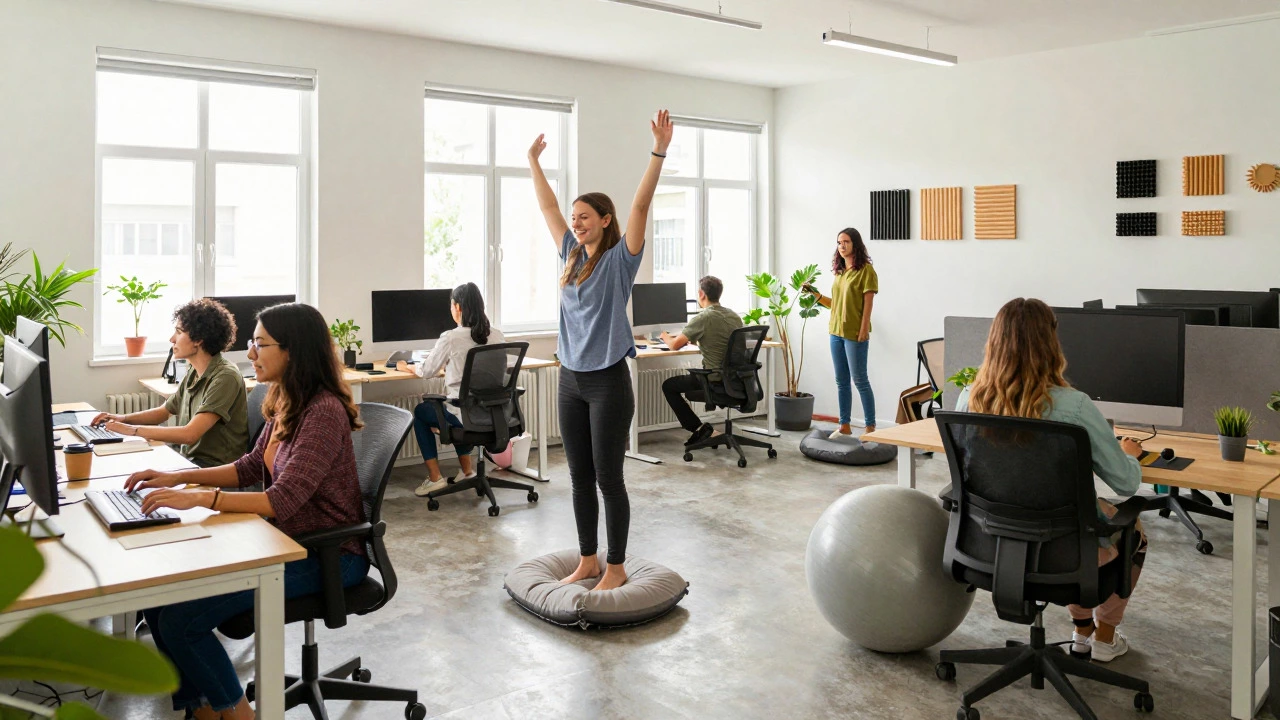
Creating a Sensory-Friendly Workspace
The chair is only part of the equation. The entire workspace impacts how a person with ADHD sits and focuses. Noise, light, and clutter can overwhelm the senses, making the urge to fidget worse.
Consider acoustic panels to dampen sound. Use dimmable lighting to reduce glare. Keep the desk surface clear to minimize visual distraction. When the environment is calm, the body doesn’t need to work as hard to regulate itself. The "strange" sitting behaviors often decrease when the external chaos is reduced.
Also, normalize movement. In many offices, fidgeting is frowned upon. This stigma causes shame and anxiety, which worsens ADHD symptoms. Creating a culture where balance boards, wobble cushions, and active seating are accepted helps everyone. It signals that movement is part of work, not a disruption to it.
Practical Steps for Managers and Individuals
If you manage a team with neurodivergent members, or if you have ADHD yourself, here is a checklist to improve seating dynamics:
- Audit Current Seating: Are chairs restrictive? Do they squeak? Replace rigid chairs with active task chairs.
- Offer Choices: Let employees test different seating options. What works for one person may annoy another.
- Provide Accessories: Stock footrests, wobble cushions, and lap desks. These are low-cost interventions with high impact.
- Encourage Breaks: Set timers for standing or walking breaks. Proactive movement prevents reactive fidgeting.
- Educate the Team: Explain why movement matters. Reduce stigma around non-traditional postures.
Remember, the goal isn’t perfect posture. It’s sustainable focus. If leaning back on two legs helps someone write a report, let them lean. If bouncing their leg helps them listen in a meeting, let them bounce. The output matters more than the pose.
Is sitting on a yoga ball good for ADHD?
Yes, but with caveats. Yoga balls provide excellent proprioceptive feedback and require constant core engagement, which can boost focus. However, they lack lumbar support and can lead to fatigue during long work sessions. Use them for short periods (30-45 minutes) rather than all day.
Do kneeling chairs help with concentration?
Kneeling chairs can improve posture and engage stabilizer muscles, which may help some people with ADHD stay alert. However, they can be uncomfortable for others, particularly those with knee issues. They are best used as an alternative to sitting, not as a permanent solution.
Why do people with ADHD bounce their legs?
Leg bouncing stimulates the nervous system and releases dopamine, aiding focus. It’s a form of self-regulation. The movement provides sensory input that helps the brain stay engaged with tasks, preventing boredom and mind-wandering.
What is the best office chair for someone with ADHD?
There is no single "best" chair, but active task chairs with dynamic tilt mechanisms, adjustable lumbar support, and flexible armrests are generally ideal. Brands that prioritize movement-friendly designs, such as those offering free-floating seats, tend to serve neurodivergent users better than rigid ergonomic models.
Can standing desks replace chairs for ADHD?
Standing desks are beneficial but shouldn’t replace chairs entirely. Standing allows for larger movements and breaks up sedentary time, which helps regulation. However, prolonged standing can cause fatigue. The best approach is alternating between sitting, standing, and moving throughout the day.