New Build vs. Older Home Decision Tool
Adjust the sliders to match your priorities. The tool will calculate which type of home suits your lifestyle best.
New Build Home
Modern construction, warranty included.
- ✔ Lower energy bills
- ✔ 10-year structural warranty
- ✔ Minimal maintenance initially
- ✖ Often smaller rooms/gardens
- ✖ Variable soundproofing quality
Older Established Home
Character, space, and location history.
- ✔ More space and land usually
- ✔ Better soundproofing (solid brick)
- ✔ Full renovation freedom
- ✖ Higher immediate maintenance risk
- ✖ Higher potential energy costs
Detailed Breakdown
Explanation goes here.
You’ve probably seen the glossy brochures. They promise energy efficiency, modern layouts, and zero maintenance headaches. But when you walk onto a development site, things get complicated. Is a house built three years ago considered new? What about a renovation that looks brand new on the inside? The term new build home gets thrown around loosely in real estate marketing, but legally and practically, it has specific meanings that affect your wallet, your lifestyle, and your long-term plans.
Understanding exactly what qualifies as a new build is crucial before you sign any contracts. It’s not just about how fresh the paint looks. It involves building regulations, warranty structures, and even how banks value the property. If you’re standing at the crossroads between an older established home and a shiny new development, this guide breaks down the reality behind the gloss.
The Official Definition of a New Build Home
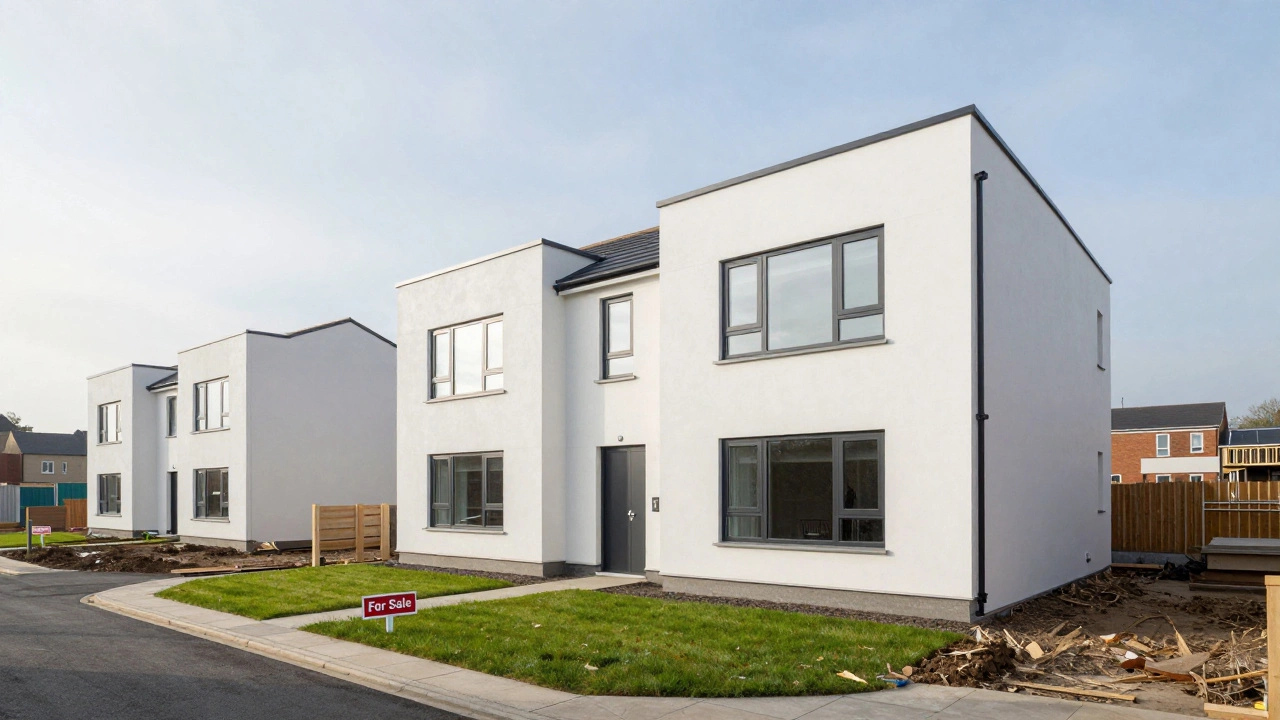
So, what actually makes a house "new"? In most markets, including the UK and many parts of North America, a new build is defined by its completion date relative to current building standards. Generally, a property is considered a new build if it has been constructed within the last five to ten years and has never been occupied as a primary residence before.
However, there are two distinct categories here that often get confused:
- Brand New Construction: A home built from scratch on a greenfield site or a brownfield redevelopment. You might buy this off-plan (before it’s built) or once it’s completed but uninhabited.
- Recently Completed Homes: Properties finished within the last few years. These still count as new builds for mortgage purposes and warranty coverage, even if they sit empty for a season due to market conditions.
A key distinction is the "first-time occupancy" rule. If someone has lived in the house, even for a month, it technically becomes a resale property in the eyes of many lenders and warranty providers, though it may still feel new to you. This matters because the protections you get with a true new build-like structural warranties-often kick in only upon first sale to an owner-occupier.
Why Do People Choose New Builds?
The appeal isn’t just aesthetic. There are practical, financial, and psychological drivers pushing buyers toward new developments. Let’s look at the real benefits beyond the Instagram-worthy kitchen islands.
Energy Efficiency is the biggest selling point. Modern building codes require higher insulation standards, double or triple glazing, and efficient heating systems. A new build typically uses significantly less energy to heat and cool than a house built in the 1980s or earlier. This means lower monthly utility bills from day one. For example, in regions with strict Part L building regulations (UK) or similar codes elsewhere, new homes must meet specific carbon emission targets, forcing builders to install better thermal envelopes.
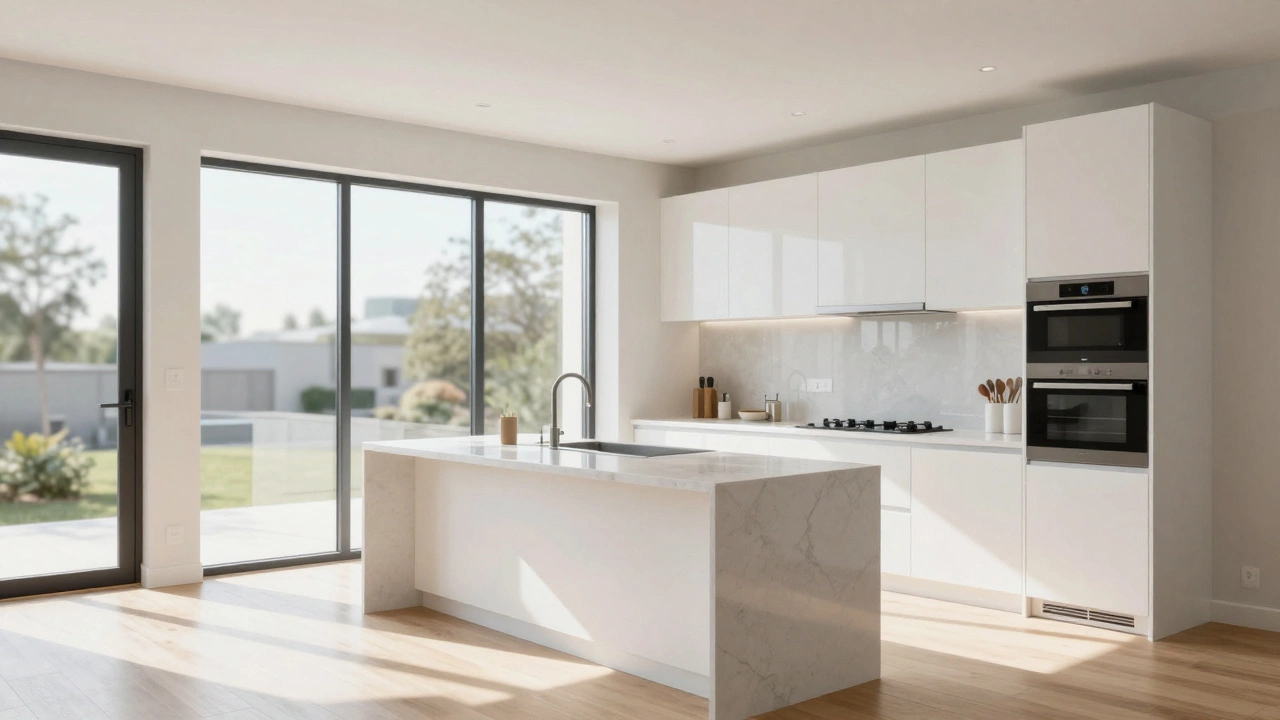
Then there’s the convenience factor. With an older home, you’re often inheriting someone else’s problems: outdated wiring, leaking roofs, or mold issues hidden under carpet. A new build comes with everything installed fresh. The appliances work, the pipes are clean, and the technology infrastructure-like fiber-optic ready cabling-is up to date. You move in, unpack, and live. No immediate renovation budget required.
Design flexibility also plays a role. Many developers offer customization packages during the pre-construction phase. You can choose floor finishes, cabinet styles, and even layout tweaks. While you won’t have the total freedom of building custom on your own land, you get more control than you would buying a fixed older stock.
The Hidden Downsides: Noise, Quality, and Community
If new builds were perfect, everyone would buy them. But there are trade-offs. One major complaint is soundproofing. To save costs, some developers use lightweight materials for internal walls. This means you might hear your neighbors talking, walking, or flushing toilets. Older solid-brick homes naturally block sound better. Always ask for acoustic test results if noise is a concern for you.
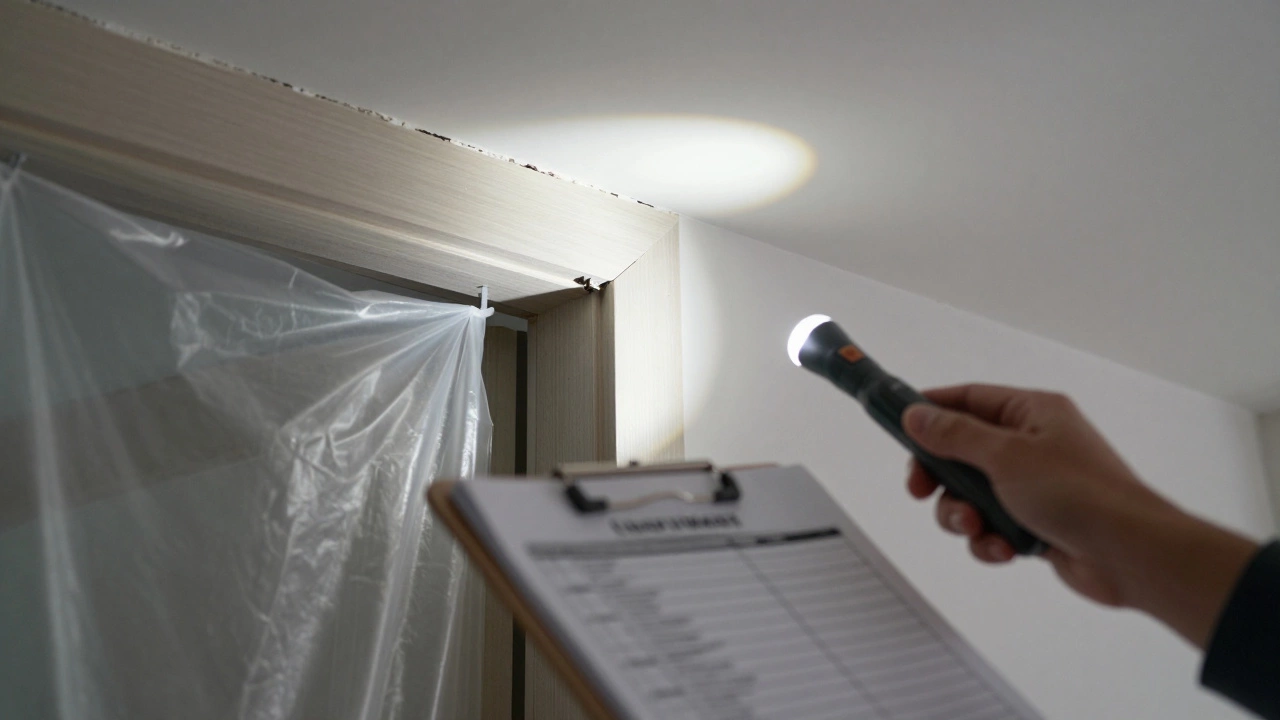
Build quality varies wildly. Large volume housebuilders often prioritize speed over craftsmanship. You might encounter minor defects like cracked tiles, misaligned doors, or poor sealing around windows. This is why the snagging process is critical. Snagging is a detailed inspection done before you hand over the keys, where you list every defect for the builder to fix. Never skip this step.
Community feel is another issue. New developments can feel sterile initially. There are no mature trees, no established neighborhood vibe, and often no local shops nearby until the area fills up. It takes years for a new estate to develop character. If you love the charm of a historic village center, a new build on the outskirts might feel isolated.
| Feature | New Build Home | Older Established Home |
|---|---|---|
| Energy Bills | Lower (modern insulation & heating) | Higher (drafts, older boilers) |
| Maintenance | Minimal for first 5-10 years | Frequent repairs likely needed |
| Soundproofing | Variable (often weaker in flats) | Better (solid brick/masonry) |
| Customization | Limited to developer options | Full freedom to renovate |
| Land Size | Smaller gardens, tighter plots | Larger yards, more space |
| Warranty | 10-year structural coverage | No warranty; buyer beware |
Understanding Warranties and Insurance
This is where new builds shine brightest. When you buy a new home, you usually get a Structural Warranty. In the UK, this is provided by companies like NHBC, Premier Guarantee, or LABC. In the US, similar protections come through builders’ associations or homeowner insurance policies.
These warranties typically cover two phases:
- First Two Years: The builder is responsible for fixing any defects related to workmanship or materials. If your window leaks or a tile cracks, they must repair it.
- Years Three to Ten: An insurance provider steps in. If there’s a major structural issue-like foundation movement or roof collapse-the insurer covers the repair costs. This protects you from catastrophic expenses.
Without this warranty, repairing a structural fault in an older home could cost tens of thousands of dollars out of pocket. For many buyers, this peace of mind is worth the premium price of a new build.
Financial Considerations: Stamp Duty and Mortgages
New builds often come with financial incentives that older homes don’t. Developers frequently offer to pay stamp duty (or transfer taxes) to make their prices more attractive. They might also contribute toward legal fees or offer interest-free periods on mortgages.
However, be careful with valuation gaps. Sometimes, developers price homes above market value because of these perks. If you need a mortgage, the bank will order an independent valuation. If the valuer says the house is worth $10,000 less than the asking price, you’ll have to cover that difference in cash. Always check recent sales data for similar properties in the area before agreeing to a price.
Another consideration is capital appreciation. Historically, new builds can depreciate slightly in the first few years as they join the secondary market. Older homes in prime locations tend to hold value better. But in high-demand areas with limited supply, new builds can appreciate quickly too. It depends heavily on location, not just age.
How to Spot a Quality New Build Developer
Not all builders are created equal. Some cut corners to maximize profit margins. Here’s how to vet them:
- Check Past Projects: Visit existing estates built by the same company. Talk to current residents. Ask about noise, leaks, and how responsive the management team is.
- Review Specifications: Look at the technical specs for insulation, windows, and heating. Cheap PVC windows and thin wall partitions are red flags.
- Understand the Exit Strategy: Know who manages the common areas after you move in. Poorly managed communal spaces can ruin the living experience.
Don’t rely solely on the show home. Show homes are staged with professional lighting, furniture, and tricks to make rooms look bigger. Always visit an unfinished unit or a recently completed one to see the raw quality of the construction.
Final Thoughts: Is a New Build Right for You?
A new build home offers low maintenance, high efficiency, and strong warranty protection. But it demands compromise on space, character, and sometimes build quality. If you value convenience and modern living over historic charm and large gardens, a new build is a smart choice. Just do your homework, inspect thoroughly, and understand the fine print of your warranty. Your future self will thank you.
Is a house built 5 years ago considered a new build?
Generally, yes. Most definitions consider properties built within the last 5-10 years as new builds, especially if they haven't been previously occupied. However, warranty coverage may expire after 10 years, so check the specific terms of the structural guarantee.
Do new builds have smaller rooms than older houses?
Yes, often. Due to planning regulations and land costs, new builds tend to have smaller footprints and fewer bedrooms per square meter compared to homes built before the 1990s. However, they usually utilize space more efficiently with open-plan designs.
Can I customize a new build home?
To an extent. Most developers allow choices in finishes like flooring, countertops, and paint colors during the pre-construction phase. Structural changes, such as moving walls, are rarely permitted unless you buy a plot and hire your own architect.
What is snagging in a new build?
Snagging is a detailed inspection of the property before you take ownership. You identify defects like scratched surfaces, faulty fittings, or poor painting. The builder is contractually obligated to fix these issues before you move in.
Are new builds more expensive to insure?
Not necessarily. Because new builds are safer, more secure, and less prone to certain types of damage (like subsidence in stable soil), insurance premiums can sometimes be lower. However, rebuild costs are higher due to modern material prices, which affects the sum insured.