Recliner Lifespan & Value Estimator
Configuration
Analysis Results
Est. Lifespan: 15 Years
Based on frame integrity and mechanism quality.
Select options and click Calculate to see results.
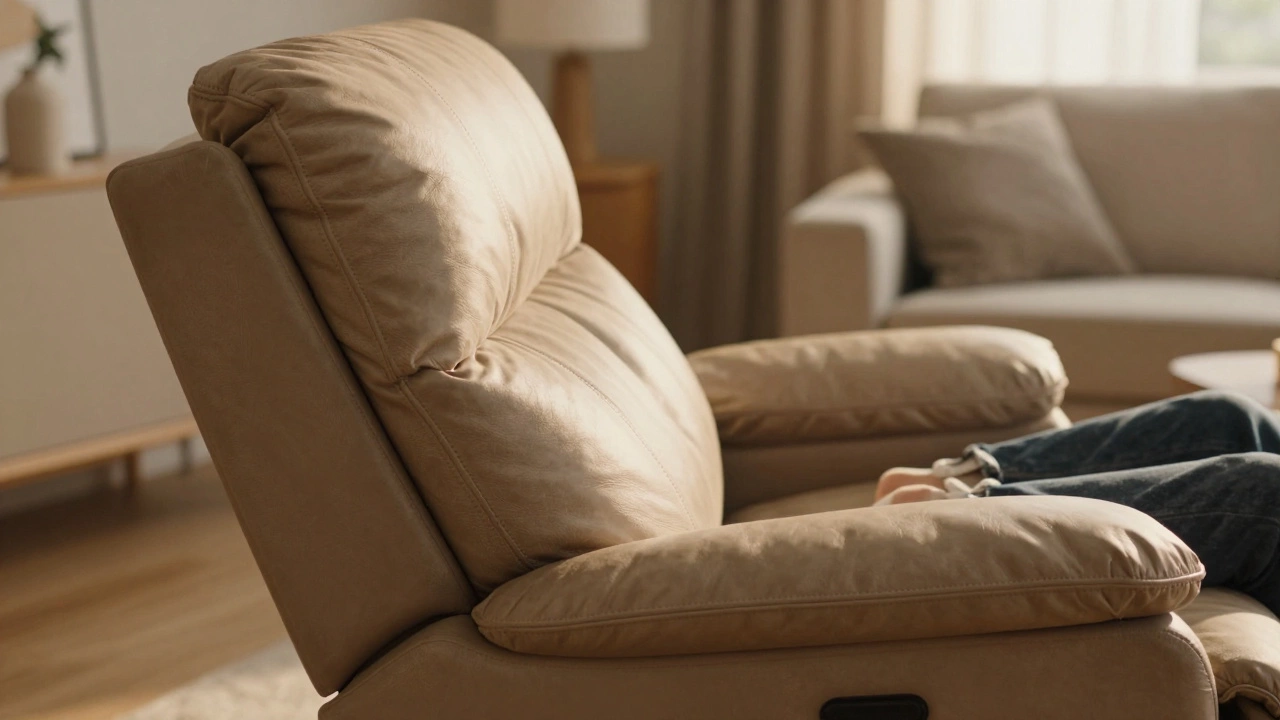
You sit down in that plush Lazy Boy is a popular brand of reclining furniture known for comfort and ergonomic design. chair after a long day, and it feels like a cloud. But then the doubt creeps in: Is this comfort built to last, or will it sag out in two years? You aren't alone in wondering if the premium price tag translates to longevity. We’ve tested dozens of recliners over the years, and the truth about Lazy Boy’s durability is more nuanced than a simple yes or no.
The short answer? Yes, Lazy Boy furniture lasts-usually between 10 to 20 years with proper care. However, their reputation for 'built-to-last' has shifted over the decades. Today, they prioritize lightweight materials and modern aesthetics, which can impact long-term resilience compared to their heavy-duty predecessors from the 1980s and 90s. Let’s break down exactly what holds up, what fails, and how you can make your recliner survive the test of time.
What Actually Determines Recliner Lifespan?
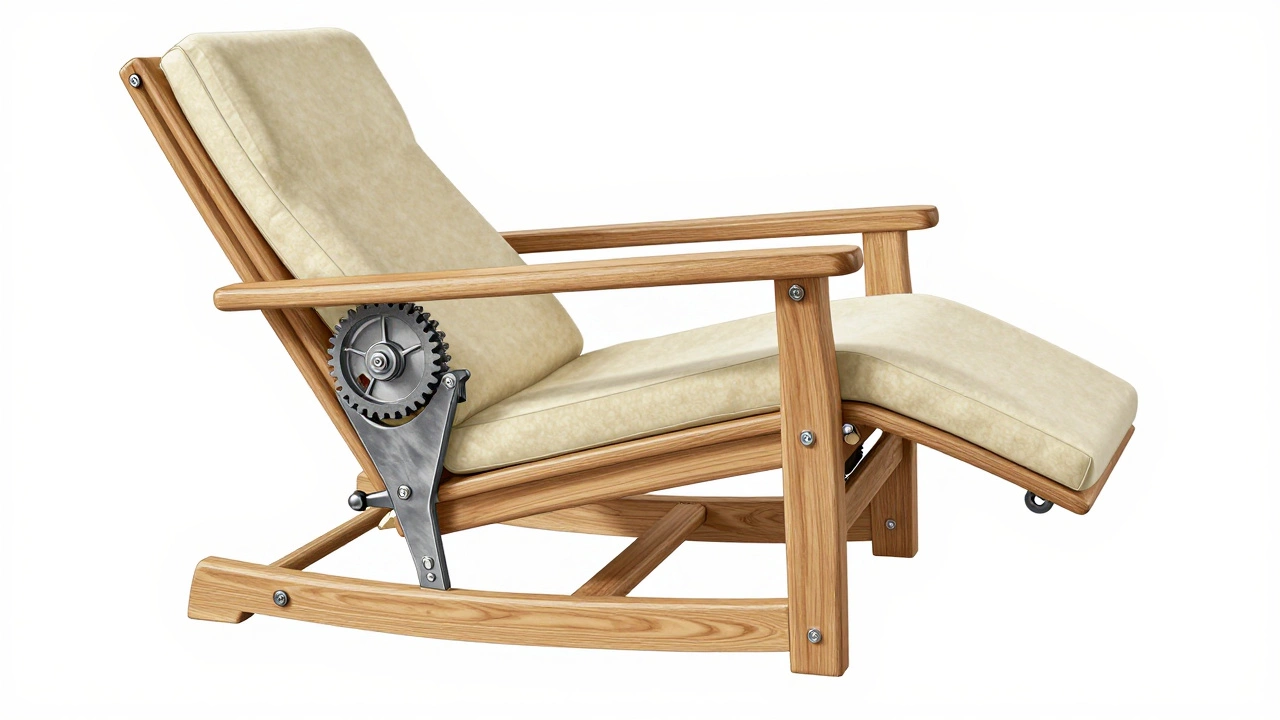
Before judging the brand, you need to understand the anatomy of a recliner. A chair doesn’t fail all at once; specific components wear out at different rates. Knowing these parts helps you spot potential issues early.
- The Frame: The skeleton of the chair. High-quality frames use kiln-dried hardwood (like oak or maple) or reinforced steel. Cheap frames use particleboard or softwoods, which crack under stress.
- The Mechanism: The metal gears and levers that let you recline. This is the most common point of failure. Friction increases over time, leading to sticking or breaking.
- The Cushioning: Foam density matters. Low-density foam (less than 1.8 lbs per cubic foot) flattens quickly. High-resilience foam retains its shape for years.
- The Upholstery: Fabric vs. leather. Fabric absorbs oils and dirt, while leather can crack if not conditioned. Both have different wear patterns.
When you buy a Lazy Boy, you’re betting on how well these four elements are integrated. Historically, Lazy Boy used heavy steel mechanisms and solid wood frames. In recent years, to compete on price and shipping costs, some models have moved toward lighter aluminum alloys and engineered woods. This isn’t necessarily 'bad,' but it changes the durability equation.
The Good: Where Lazy Boy Excels
Lazy Boy didn’t become a household name by accident. They hold a significant market share because they nail certain aspects of construction that matter to daily users.
Comfort Engineering is their strongest suit. Unlike generic big-box store recliners, Lazy Boy invests heavily in ergonomic research. Their seating depth, lumbar support, and headrest angles are designed to reduce strain. This means the chair distributes weight evenly, which actually *helps* durability. When weight is concentrated on one weak point, frames snap. When it’s spread out, the structure lasts longer.
Warranty Coverage is another strong indicator of confidence. Most Lazy Boy recliners come with a limited lifetime warranty on the frame and mechanism, and a 5-year warranty on cushions and upholstery. While 'lifetime' often means 'the life of the original owner,' it signals that the company expects the core structure to survive decades. Compare this to budget brands that offer only 1-year warranties, and the difference in expected lifespan becomes clear.
Service Network is crucial for longevity. If your mechanism jams, can you fix it? Lazy Boy has an extensive network of authorized repair technicians across North America. Many cheaper brands simply tell you to buy a new chair. The ability to replace a single spring or gear extends the chair’s life significantly, turning a 10-year chair into a 20-year asset.
The Bad: Common Failure Points
No furniture is indestructible. Based on consumer reports and repair data, here are the areas where Lazy Boy chairs tend to show age first.
Foam Compression is the #1 complaint. Even high-quality foam eventually loses its bounce. In busy households, the seat cushion may flatten within 3-5 years. This doesn’t mean the chair is broken-it just feels less supportive. The good news? Cushions are often replaceable, though finding exact matches can be tricky.
Mechanism Noise and Stiffness often appear around year 7-10. You might hear grinding or feel resistance when reclining. This is usually due to dust buildup or dried-out lubricants in the metal joints. It’s rarely a catastrophic failure, but it requires maintenance. Ignoring it leads to broken gears.
Upholstery Wear depends heavily on your lifestyle. Pet owners should avoid light-colored fabrics regardless of the brand. Lazy Boy’s microfiber options are durable but can pill over time. Leather models look great initially but require regular conditioning to prevent cracking in dry climates like Vancouver’s winters.
Comparison: Lazy Boy vs. The Competition
To put Lazy Boy’s durability in perspective, let’s compare it to other major players in the recliner market.
| Brand | Avg. Lifespan | Frame Material | Warranty (Frame) | Repair Accessibility |
|---|---|---|---|---|
| Lazy Boy | 10-20 years | Hardwood/Steel | Limited Lifetime | High (Wide Network) |
| La-Z-Boy (Premium Lines) | 15-25 years | Solid Oak/Heavy Steel | Lifetime | Very High |
| Big Box Store Brands (e.g., Mainstays) | 3-7 years | Particleboard/Aluminum | 1 Year | Low (Replace Only) |
| Herman Miller | 12-15 years | Aluminum/Polymer | 12 Years | Medium (Specialized) |
| Hooker Furniture | 15-20 years | Kiln-Dried Hardwood | Lifetime | Medium |
Note that Herman Miller focuses more on office ergonomics, so their home recliners are fewer but highly durable. Hooker is a direct competitor to Lazy Boy in terms of traditional craftsmanship. Budget brands fall far behind in both material quality and support infrastructure.
How to Make Your Lazy Boy Last Longer
Durability isn’t just about what you buy; it’s about how you treat it. Follow these steps to extend your recliner’s life by 5+ years.
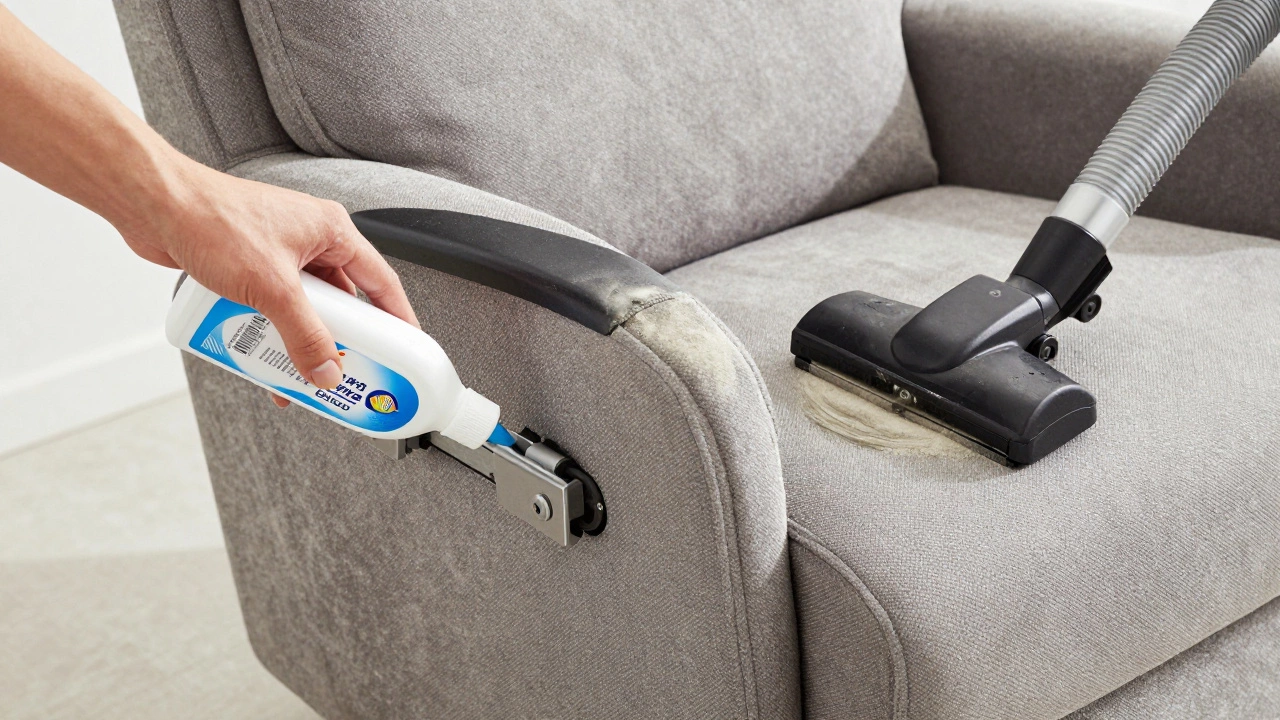
- Clean Regularly: Vacuum fabric chairs monthly to remove abrasive dust particles that fray fibers. For leather, wipe with a damp cloth and apply conditioner twice a year.
- Lubricate the Mechanism: Every 2-3 years, apply a silicone-based lubricant to the moving parts of the recliner mechanism. Avoid WD-40, as it attracts dust and degrades plastics.
- Rotate Cushions: If your chair has removable cushions, flip them every few months to ensure even wear. This prevents one side from collapsing faster than the other.
- Avoid Sharp Objects: Keep pet claws trimmed and avoid sitting with sharp keys or jewelry in your pockets. Small tears lead to larger structural damage over time.
- Check Weight Limits: Most Lazy Boy recliners support 250-300 lbs. Exceeding this limit stresses the frame and mechanism, voiding warranties and accelerating wear.
When Is It Time to Replace?
Even with perfect care, all furniture eventually reaches the end of its life. Here are the signs your Lazy Boy needs retiring:
- Visible Frame Cracks: If you see splintering wood or bent metal supports, the structural integrity is compromised. Repair is rarely cost-effective.
- Unfixable Mechanism Failure: If the chair won’t recline or lock, and a technician confirms the main gear is broken, replacement is safer than repair.
- Severe Sagging: If the seat bottom sags more than 2 inches from the edge, the internal springs or webbing are failed. New cushions won’t fix this.
- Hygiene Issues: Deep stains, mold, or persistent odors that cleaning can’t remove indicate it’s time to move on.
Final Verdict: Does Lazy Boy Last?
Yes, Lazy Boy furniture lasts significantly longer than average department store recliners. With a typical lifespan of 10-20 years, they represent a solid mid-to-high-tier investment. They may not match the heirloom quality of custom-made solid wood recliners, but they offer a reliable balance of comfort, style, and durability for most households.
Your experience will depend largely on the specific model you choose. Their premium lines (like the Signature Collection) use heavier materials and last longer than entry-level models. Always check the frame type and warranty details before buying. And remember, regular maintenance is the secret ingredient to making any recliner last decades.
How long does a Lazy Boy recliner typically last?
A Lazy Boy recliner typically lasts between 10 to 20 years. Premium models with solid hardwood frames and heavy-duty mechanisms can exceed 20 years with proper care. Entry-level models may last closer to 10 years depending on usage frequency.
Are Lazy Boy recliners worth the money?
Yes, for most buyers. They offer better durability and comfort than budget brands, plus a robust repair network. While not as long-lasting as custom-made furniture, they provide excellent value for the price point, especially considering the lifetime warranty on frames.
What is the most common problem with Lazy Boy recliners?
The most common issue is foam compression in the seat cushion, leading to a flatter feel after 3-5 years. Another frequent complaint is mechanism noise or stiffness, which can usually be fixed with lubrication rather than full replacement.
Can you repair a Lazy Boy recliner?
Yes, Lazy Boy has an extensive network of authorized repair technicians. Most mechanical issues, fabric repairs, and cushion replacements can be handled professionally. This serviceability is a key advantage over cheaper brands that are often disposable.
Does Lazy Boy still use solid wood frames?
It depends on the model. Higher-end Lazy Boy collections continue to use kiln-dried hardwood frames. Some entry-level or space-saving models may use engineered wood or metal alloys to reduce weight and cost. Always check the product specifications for frame material.
How do I maintain my Lazy Boy recliner mechanism?
Apply a silicone-based lubricant to the moving metal parts every 2-3 years. Avoid oil-based products like WD-40, as they attract dust. Regularly vacuum around the mechanism to prevent debris buildup, which causes grinding and wear.