Bedroom Decoration Priority Planner
Step-by-Step Progress
Click on a step to mark it as complete. Follow this exact order to avoid costly mistakes.
Budget Allocator
50% Bed/Mattress | 20% Light/Textiles | 30% Decor
Current Status
Start by defining your room's purpose!
Staring at an empty or messy bedroom can feel like staring at a blank canvas that’s judging you. You know you want it to look better, but where exactly do you put the first piece of furniture? Do you paint first? Buy a new bed? Or just throw some pillows on the floor and hope for the best?
The truth is, most people start in the wrong place. They buy a rug they love, then realize their bed doesn’t fit. They pick a color scheme, only to find their existing wardrobe clashes with it. Starting your bedroom decoration project requires a logical flow, not just a shopping spree.
If you want a room that actually works for your life and looks good doing it, you need a plan. Here is the exact order of operations to transform your bedroom from chaotic to calm, without wasting money on mistakes.
1. Define the Room’s Purpose First
Before you touch a paint swatch or measure a nightstand, ask yourself: What is this room for? It sounds obvious, but "sleeping" isn't enough of an answer. Is this a sanctuary for deep rest? A home office hybrid? A space for reading and winding down? Or a guest room that needs to be flexible?
Your answer dictates everything else. If you work from home, you need desk space and task lighting. If you’re a light sleeper, soundproofing and blackout curtains become priority one. If you have kids, durability matters more than delicate fabrics.
- The Sleeper: Focus on comfort, dark tones, and minimal clutter.
- The Hybrid Worker: Need distinct zones for sleep and work to keep stress out of bed.
- The Entertainer/Guest Host: Prioritize flexible seating and easy-to-clean surfaces.
Write down three adjectives you want the room to feel like. "Cozy," "airy," and "organized" are great starting points. "Chaotic," "dark," and "cluttered" are not. These words will guide your color choices and furniture style later.
2. Measure Everything (And Add Buffer Space)
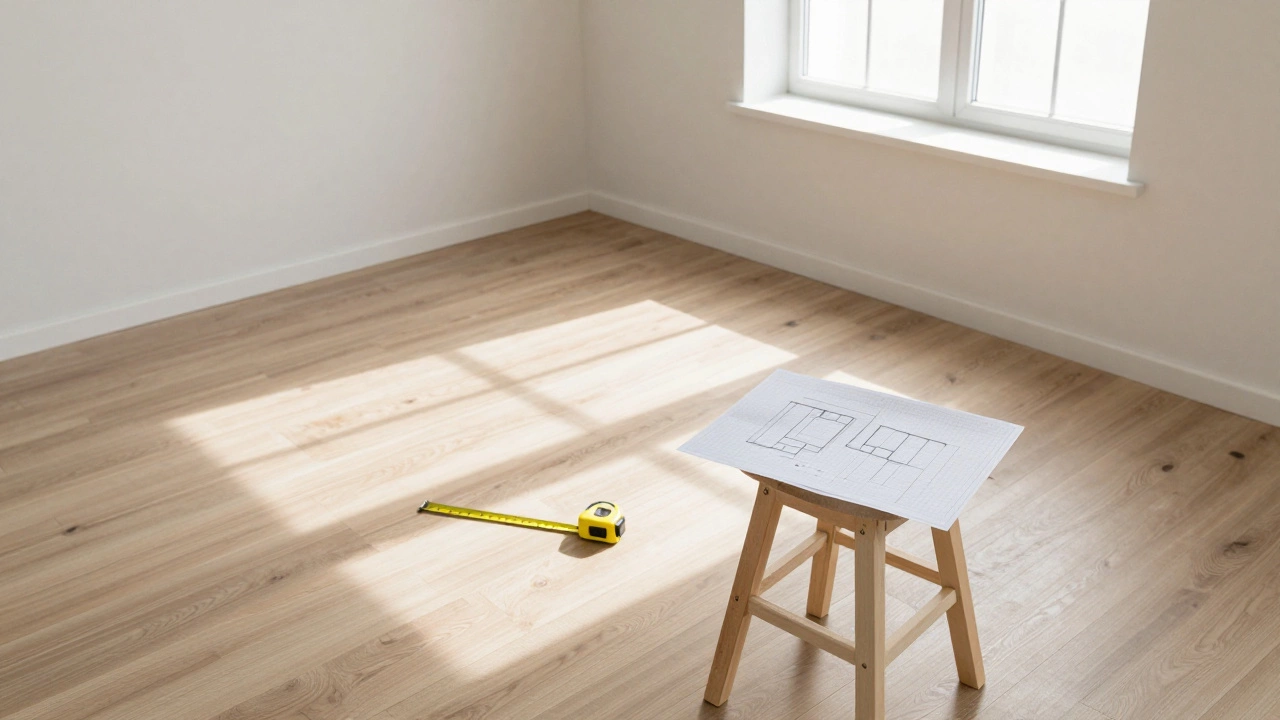
This is the step everyone skips until they cry. Grab a tape measure. Not a laser one, just a cheap yellow tape measure. Measure the room’s length, width, and height. But don’t stop there.
You also need to measure every window, door, outlet, and radiator. Why? Because your bed can’t block the heater. Your dresser shouldn’t cover the only power outlet. And if you plan to hang art, you need to know where the studs are.
Create a simple sketch of the room on graph paper or use a free app like Planner 5D or RoomSketcher. Draw the walls to scale. Cut out rectangles representing your current furniture (or the furniture you plan to buy) and move them around. This prevents the nightmare scenario of buying a king-size bed that leaves no room to walk to the closet.
Pro Tip: Always leave at least 24 inches of walking space between furniture pieces. If you can’t swing your legs out of bed without hitting a nightstand, your layout is too tight.
3. Choose Your Anchor Piece
In any room, one piece of furniture should dictate the style and size of everything else. In the bedroom, that anchor is almost always the Bed Frame and mattress set.
Don’t pick the bed last. Pick it first. The bed takes up the most visual weight and physical space. Once the bed is chosen, you know your maximum budget for other items and your available floor space.
Consider the headboard. A tall, upholstered headboard makes a small room feel cozy and grounded. A low-profile platform bed makes a small room feel larger and airier. Match the bed style to your goal from Step 1. If you want "airy," avoid heavy, carved wooden frames. If you want "cozy," skip the metal minimalist frame.
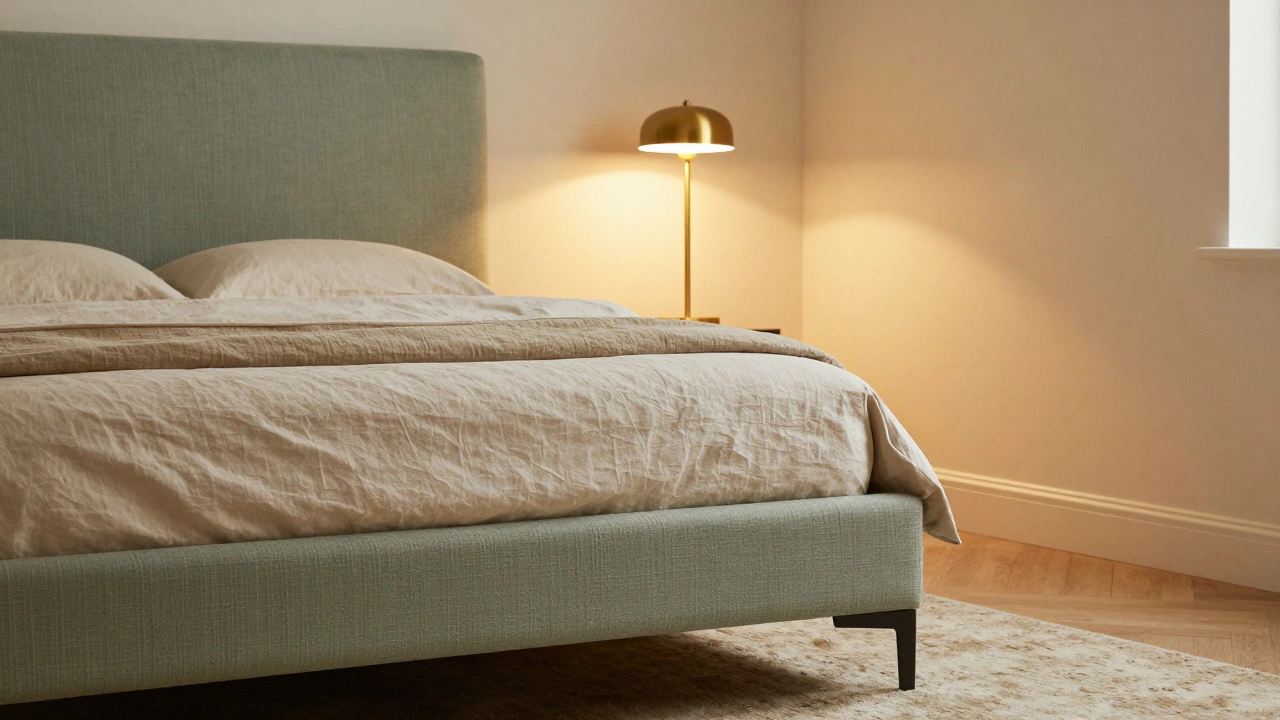
4. Set the Color Palette
Now that you have your layout and anchor piece, it’s time for color. Don’t guess. Use the 60-30-10 Rule. This is a classic interior design principle that keeps rooms from looking like a rainbow explosion.
- 60% Dominant Color: This is your wall color or large area rugs. Usually neutral or soft tones.
- 30% Secondary Color: This is your bedding, curtains, or accent chairs. It contrasts with the dominant color.
- 10% Accent Color: This is your throw pillows, art, or small decor items. This is where you go bold.
For bedrooms, lighter colors (whites, creams, soft grays, pale blues) tend to promote relaxation. Dark colors can feel luxurious but may make a small room feel cave-like unless you have excellent lighting.
Take paint samples home. Paint a 1x1 foot square on the wall. Live with it for two days. Watch how it looks in morning light vs. evening lamp light. Colors change drastically depending on the light source.
5. Layer the Lighting
Bad lighting ruins good decor. Most bedrooms rely on a single ceiling fixture, which creates harsh shadows and feels clinical. You need three layers of light:
- Ambient Light: The general illumination (ceiling fan, recessed lights).
- Task Light: Light for specific activities (reading lamps by the bed, vanity mirror lights).
- Accent Light: Mood lighting (LED strips behind the headboard, sconces, salt lamps).
Install dimmer switches. Seriously. Being able to lower the brightness helps signal to your brain that it’s time to wind down. Warm white bulbs (2700K-3000K) are best for bedrooms. Avoid cool white or daylight bulbs (5000K+), which mimic sunlight and can disrupt melatonin production.
6. Select Textiles and Soft Furnishings
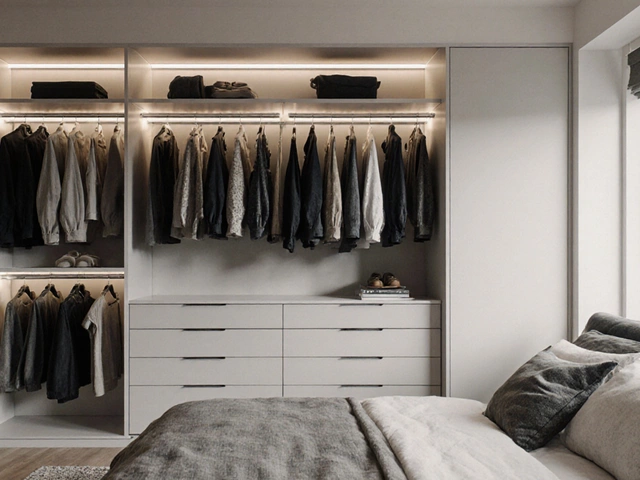
Textiles add warmth and texture. Without them, a room feels hard and cold. Start with your bedding. Invest in high-quality sheets (cotton or linen) because you’ll feel them every night. Then, choose curtains.
Hang curtains higher and wider than your window. Mount the rod 4-6 inches above the window frame and extend it 6-10 inches beyond the sides. This tricks the eye into thinking the window is larger and lets in more light when open.
Add a rug under the bed. If the bed is queen or smaller, the rug should extend at least 18-24 inches on all sides. For king beds, aim for 36 inches. This anchors the bed and adds softness underfoot.
7. Add Personal Touches Last
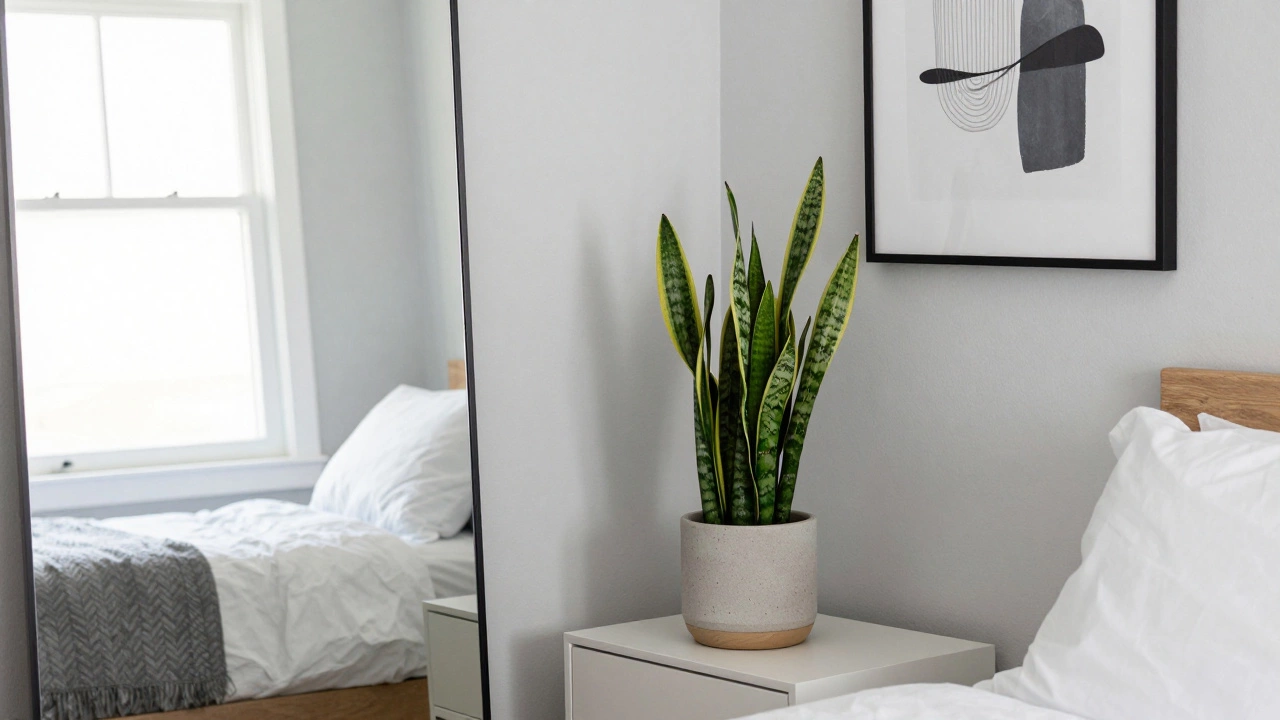
Once the big stuff is in place-bed, rug, curtains, lighting-it’s time for the fun part. Art, mirrors, plants, and books.
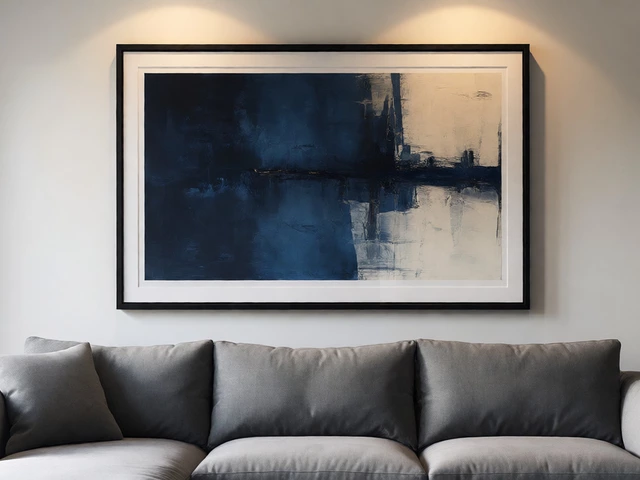
Hang art at eye level. The center of the artwork should be about 57-60 inches from the floor. Don’t crowd the walls. Leave breathing room. Mirrors reflect light and make spaces feel bigger, so place them opposite windows if possible.
Live plants bring life into a room, but choose wisely. Snake plants and pothos are tough survivors that tolerate low light and irregular watering. Avoid fussy plants if you’re busy.
Finally, declutter. A decorated room is still messy if it’s full of junk. Hide wires, organize drawers, and keep surfaces clear. Less stuff means more peace.
| Step | Action Item | Why It Matters |
|---|---|---|
| 1 | Define Purpose | Ensures functionality matches lifestyle |
| 2 | Measure & Sketch | Prevents furniture fit issues |
| 3 | Choose Bed Frame | Anchor piece dictates style/space |
| 4 | Set Color Palette | Creates cohesive mood |
| 5 | Layer Lighting | Improves ambiance and sleep hygiene |
| 6 | Add Textiles | Softens space and adds comfort |
| 7 | Decorate & Declutter | Personalizes and maintains calm |
Common Mistakes to Avoid
Even with a plan, pitfalls exist. One major error is ignoring traffic flow. If you have to jump over a bench to get to the closet, your layout failed. Another mistake is matching everything perfectly. Sets (bed + nightstands + dresser) often look dated. Mix styles-a modern bed with vintage nightstands adds character.
Also, don’t forget vertical space. If your floor is crowded, look up. Floating shelves or tall bookcases draw the eye upward and free up floor space. Finally, resist impulse buys. Wait 24 hours before purchasing any non-essential decor item. Often, the urge passes.
How much should I spend on decorating a bedroom?
Budgets vary wildly, but a good rule of thumb is to allocate 50% of your budget to the bed and mattress, 20% to lighting and textiles, and 30% to decor and accessories. For a basic refresh, $500-$1,000 can go a long way if you focus on paint, lighting, and textiles rather than new furniture.
What is the best color for a bedroom to help you sleep?
Cool, muted tones like soft blue, sage green, or lavender are scientifically linked to lower heart rates and better sleep quality. Warm neutrals like beige or cream also work well. Avoid bright reds or oranges, which can be stimulating.
Should I match my bedroom furniture?
No. Matching sets often look sterile and outdated. Instead, mix materials and styles. Pair a wooden bed frame with metal nightstands or a leather chair with a wool rug. Just ensure there’s a unifying element, like a consistent color palette or finish tone.
How do I decorate a small bedroom?
Focus on multi-functional furniture (e.g., a bed with storage drawers). Use light colors to expand the space visually. Hang curtains high and wide. Keep floors clear by using vertical storage. Limit decor to a few statement pieces rather than many small items.
Do I need a rug in my bedroom?
Not strictly necessary, but highly recommended. Rugs add warmth, reduce noise, and define the sleeping area. If you have hardwood or tile floors, a rug makes the room feel cozier and more finished. Ensure it’s large enough so your feet hit carpet when you step out of bed.