Foundation Repair
Ever notice a small crack in your basement wall and wonder if it’s a ticking time bomb? When working with Foundation Repair, the process of restoring a building’s base to its original stability. Also known as foundation fixing, it is essential for protecting a home’s structural integrity. Foundation Settling the gradual sinking or shifting of a house’s base due to soil movement or load changes often triggers the warning signs that lead homeowners to seek help. Likewise, Foundation Cracks visible splits in concrete or masonry that indicate stress or movement in the supporting soil can signal deeper issues. Understanding these elements helps you decide whether a simple patch will do or if a full‑scale intervention is needed.
Foundation repair isn’t a one‑size‑fits‑all job; it intertwines several factors. First, Repair Cost the total expense, including labor, materials, and any soil engineering required can vary widely based on the severity of the problem, geographic location, and chosen method. A minor crack might be sealed for a few hundred pounds, while extensive settling could demand pier installation costing thousands. Second, the rise of DIY Foundation Fix homeowner‑led repairs that use accessible tools and products offers a budget‑friendly route, but only when the issue is superficial and the homeowner has the right knowledge. DIY attempts influence repair costs by potentially reducing labor fees but also risk worsening the damage if the problem exceeds a simple fix. Finally, the overall structural stability of the house hinges on proper diagnosis, correct material selection, and timely execution. In short, foundation repair encompasses fixing cracks, managing settlement, and balancing cost versus DIY options—all of which shape the long‑term health of your property.
What to Expect When Dealing with Foundation Issues
Homeowners who start monitoring their basements for water stains, door misalignment, or uneven floors quickly learn that early detection saves money and stress. When a settling pattern emerges, professionals often begin with a soil analysis to pinpoint the cause—be it expansive clay, poor drainage, or underground voids. After the cause is identified, common solutions include installing helical piers, slab jacking, or wall anchors, each targeting a specific type of movement. If cracks appear, the repair path shifts to epoxy injection, carbon fiber reinforcement, or full wall replacement, depending on width and depth. Throughout the process, cost estimates are refined, and homeowners decide whether a DIY patch is safe or if a licensed contractor should take over. The key takeaway is that each step—diagnosis, method selection, cost planning, and execution—directly influences the success of the repair and the future stability of the home.
Below you’ll find a curated collection of articles that walk you through every angle of foundation repair. From spotting settlement signs after two decades to weighing the worth of a full‑scale fix, each piece offers practical advice you can apply right away. Dive in to discover how to protect your home’s base, manage repair expenses, and decide when a DIY approach makes sense versus calling in the experts.
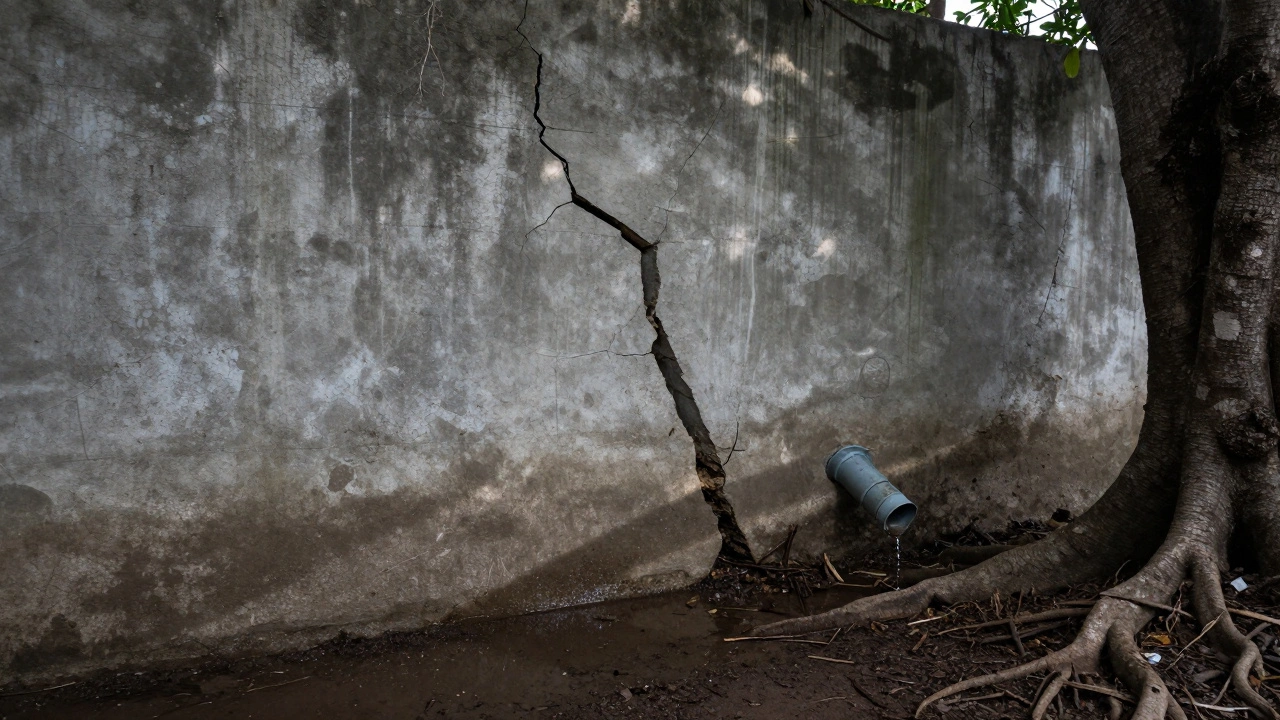
What Is Not Usually Covered by Building Insurance? Foundation Repair and Common Gaps
Building insurance rarely covers foundation repair unless caused by a sudden event like a storm or explosion. Most policies exclude gradual damage from soil movement, poor drainage, or aging materials. Know what’s truly covered before it’s too late.
full article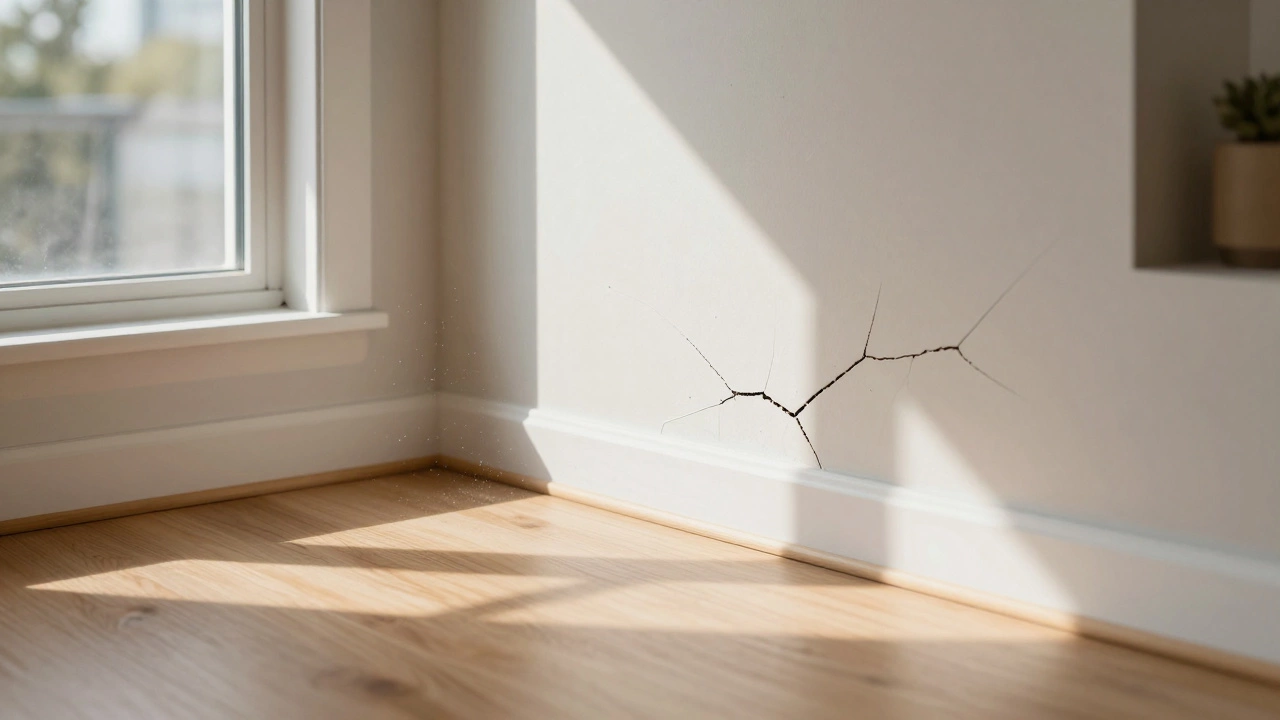
How Do I Know If I Have Foundation Issues? 10 Clear Signs to Watch For
Learn the 10 clear signs of foundation issues in your home, from sticking doors to visible cracks. Find out what’s normal and what needs immediate attention - especially in wet climates like Vancouver.
full article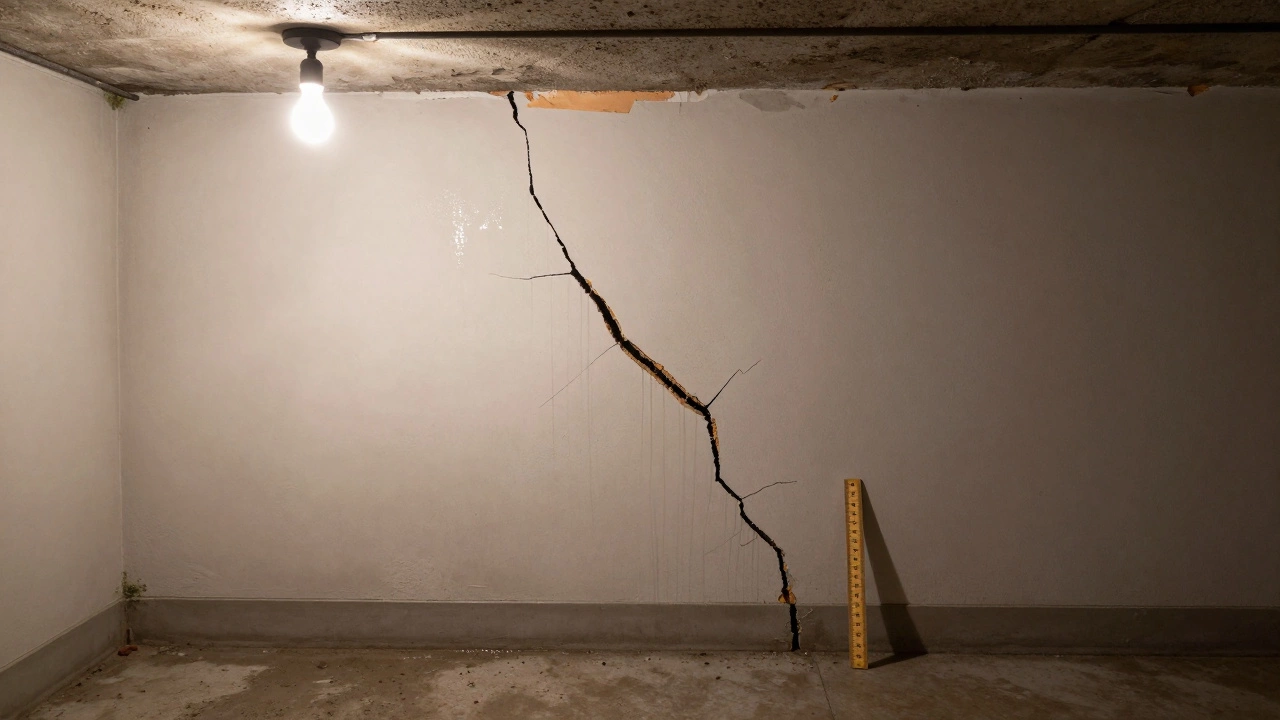
What Happens If You Don't Fix a Foundation Crack? Real Consequences in Vancouver Homes
Ignoring a foundation crack can lead to water damage, mold, structural failure, and major financial loss. In Vancouver’s climate, even small cracks worsen quickly-here’s what happens if you don’t act.
full article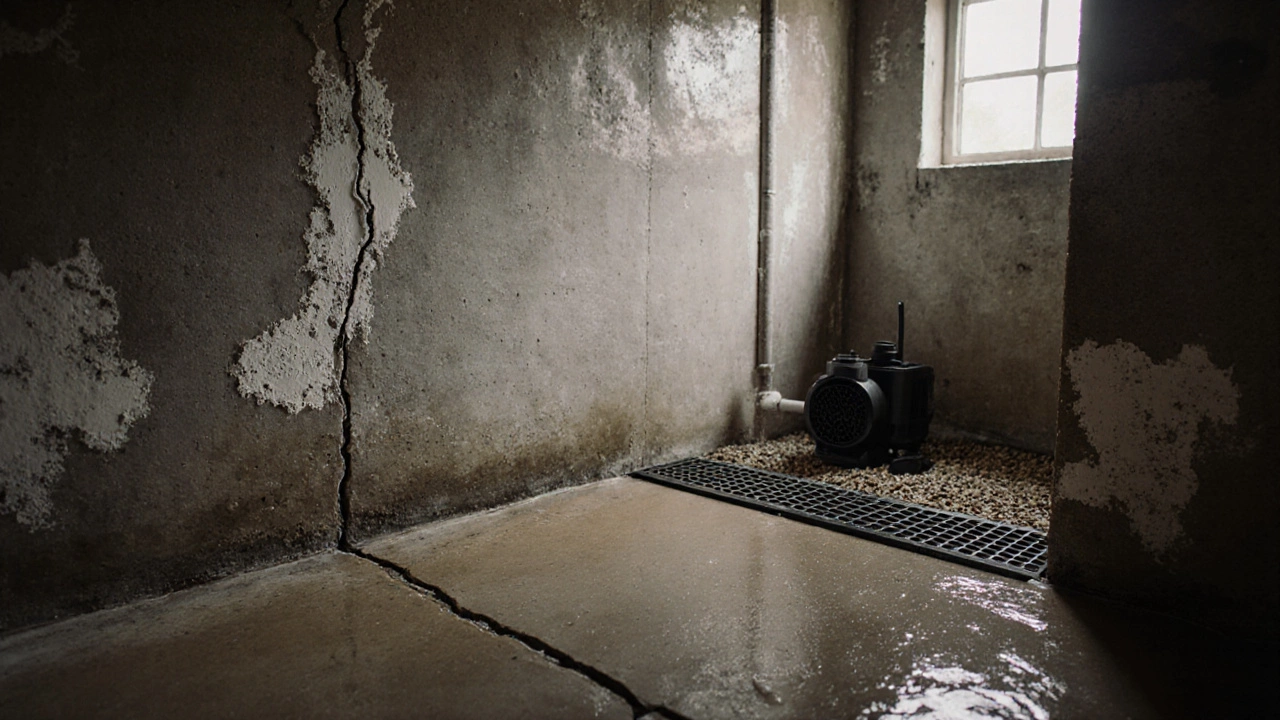
How to Stop Foundation Leaks from the Inside: Practical Fixes for Homeowners
Learn how to stop foundation leaks from the inside with practical, proven methods-without expensive exterior repairs. Fix cracks, install interior drainage, control humidity, and avoid common mistakes.
full article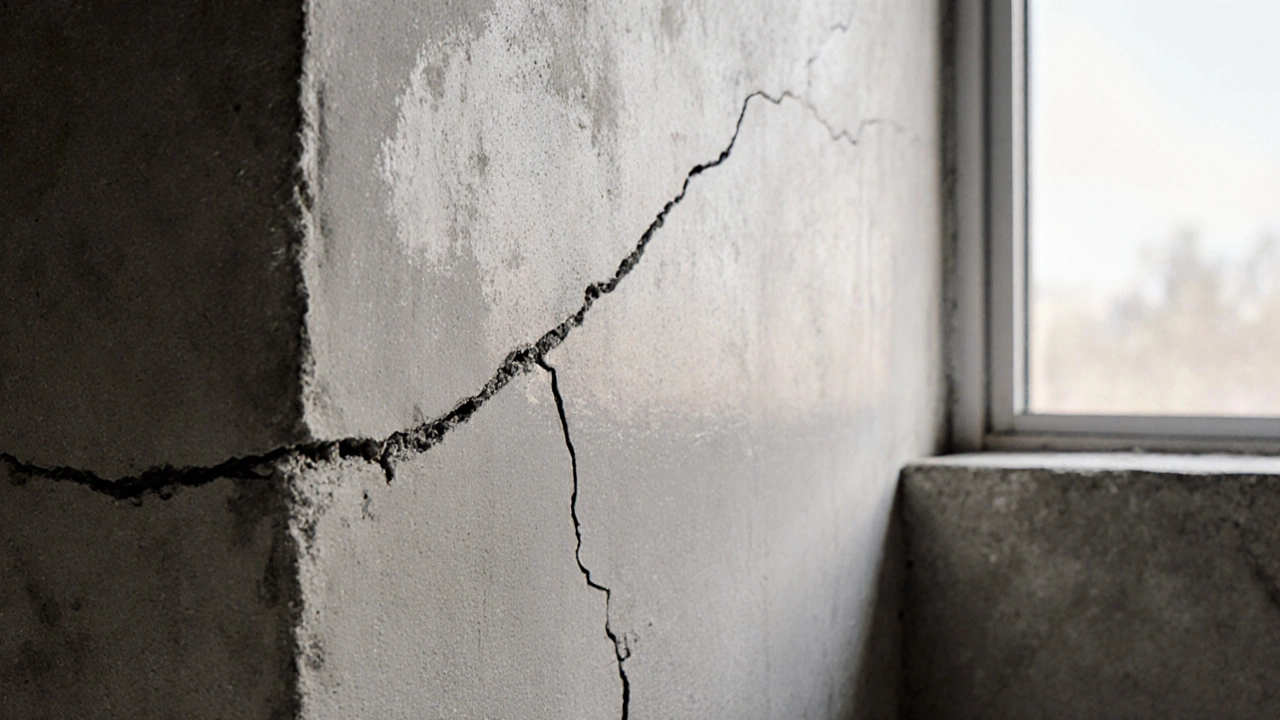
What Size Crack in a Foundation Is Actually Safe to Ignore?
Not all foundation cracks are dangerous. Learn what size crack is acceptable, when to worry, and how to prevent costly repairs in Vancouver homes. Get clear guidelines based on real inspections and local conditions.
full article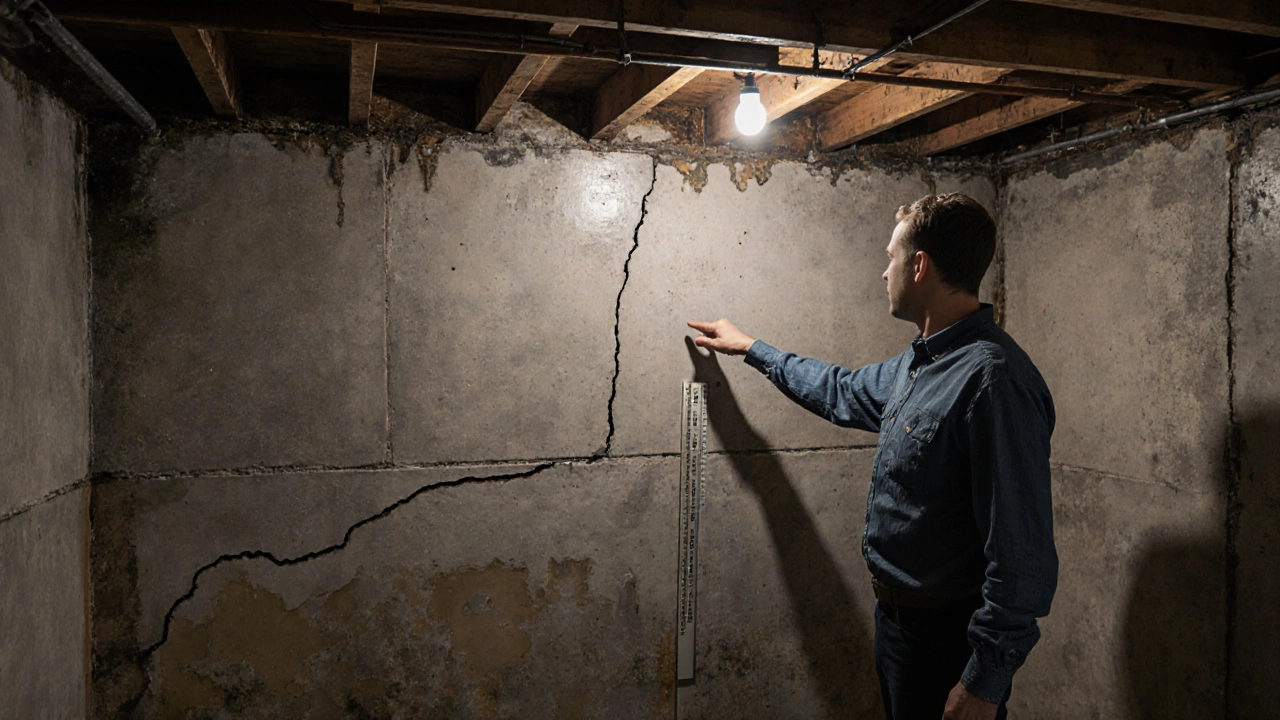
How Much Does It Cost to Repair a Horizontal Foundation Crack?
Horizontal foundation cracks signal serious structural pressure. Repair costs in 2025 range from $1,500 to $15,000+ depending on crack width, bowing, and method used. Carbon fiber straps, steel beams, and wall anchors are common fixes - but drainage must be addressed too.
full article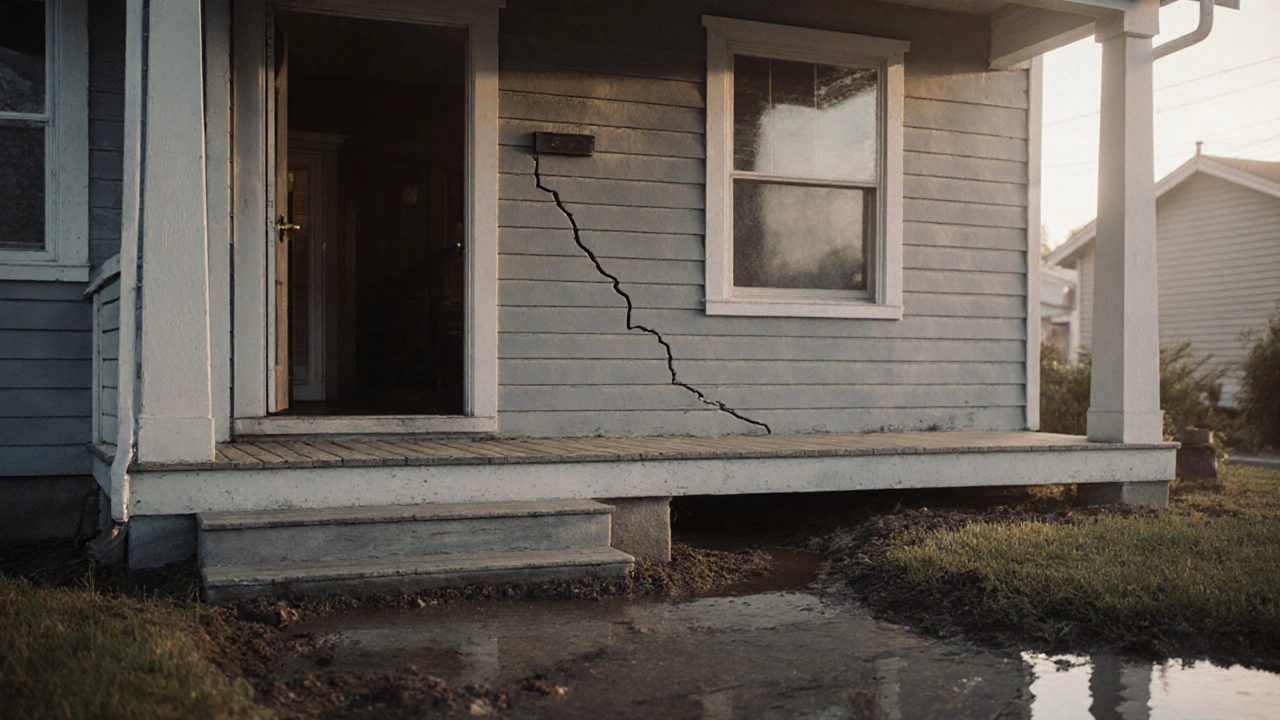
Are Foundation Problems Common in Older Homes? Insights & Prevention
Explore why older homes often face foundation problems, learn to spot warning signs, and get practical maintenance tips to prevent costly repairs.
full article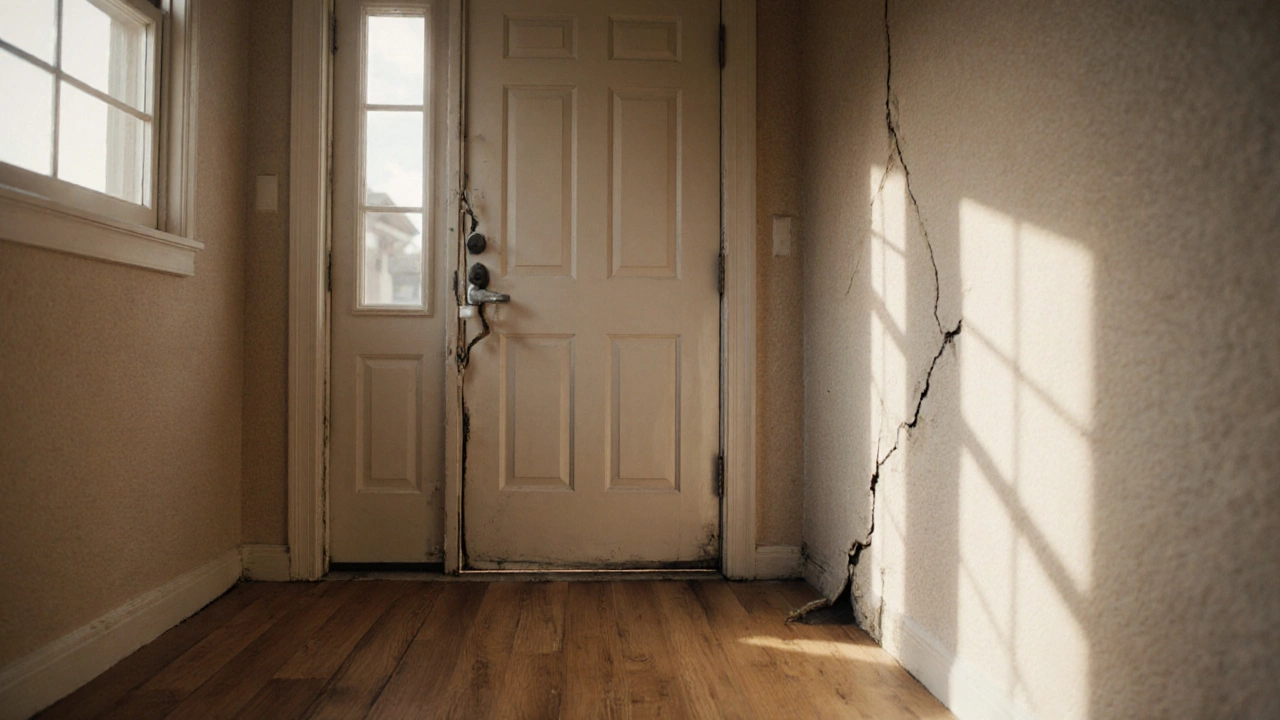
Major Foundation Issue: Definition, Signs, and Repair Guide
Learn what defines a major foundation issue, the warning signs, causes, assessment methods, repair options, costs and prevention tips for homeowners.
full article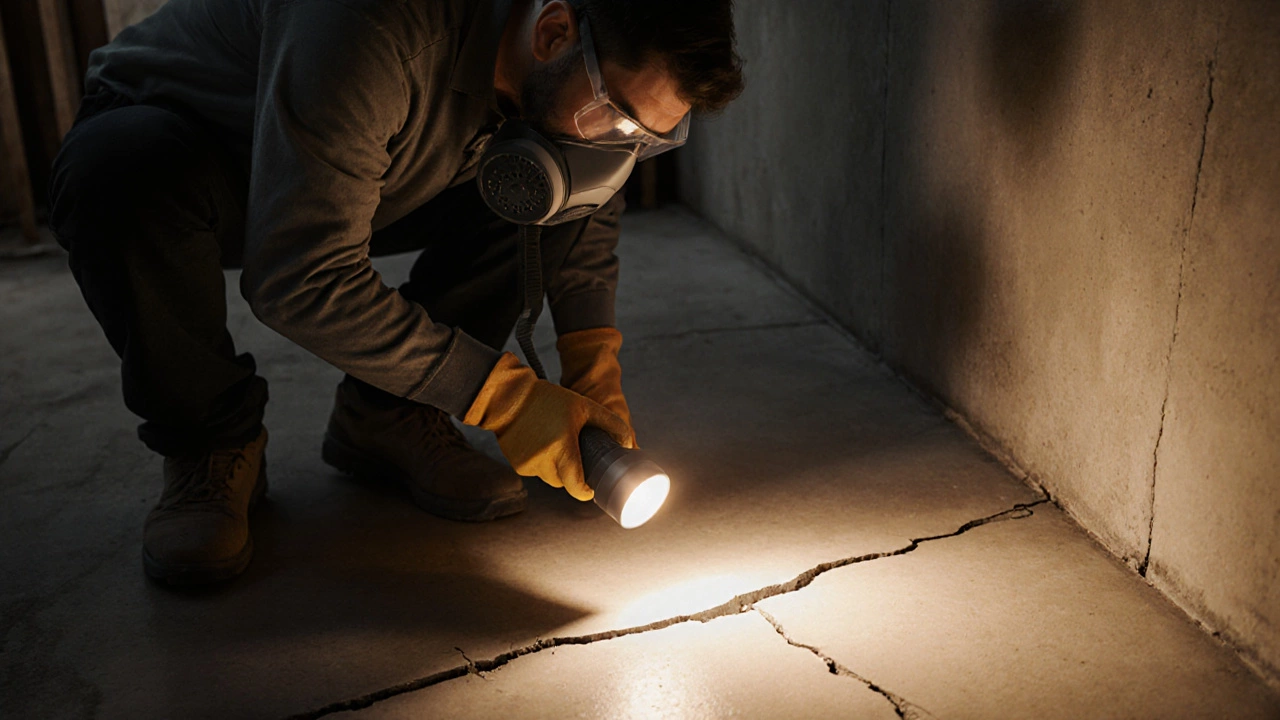
Can I Repair Foundation DIY? Tips, Risks, and Step‑by‑Step Guide
Learn when DIY foundation repair works, the tools you need, step‑by‑step instructions, and the signs that demand a professional.
full article
Can a House Settle After 20 Years? The Real Truth About Long-Term Foundation Movement
Find out if houses can still settle after 20 years, what causes it, warning signs, and how to handle it. Get tips for keeping your home's foundation safe.
full article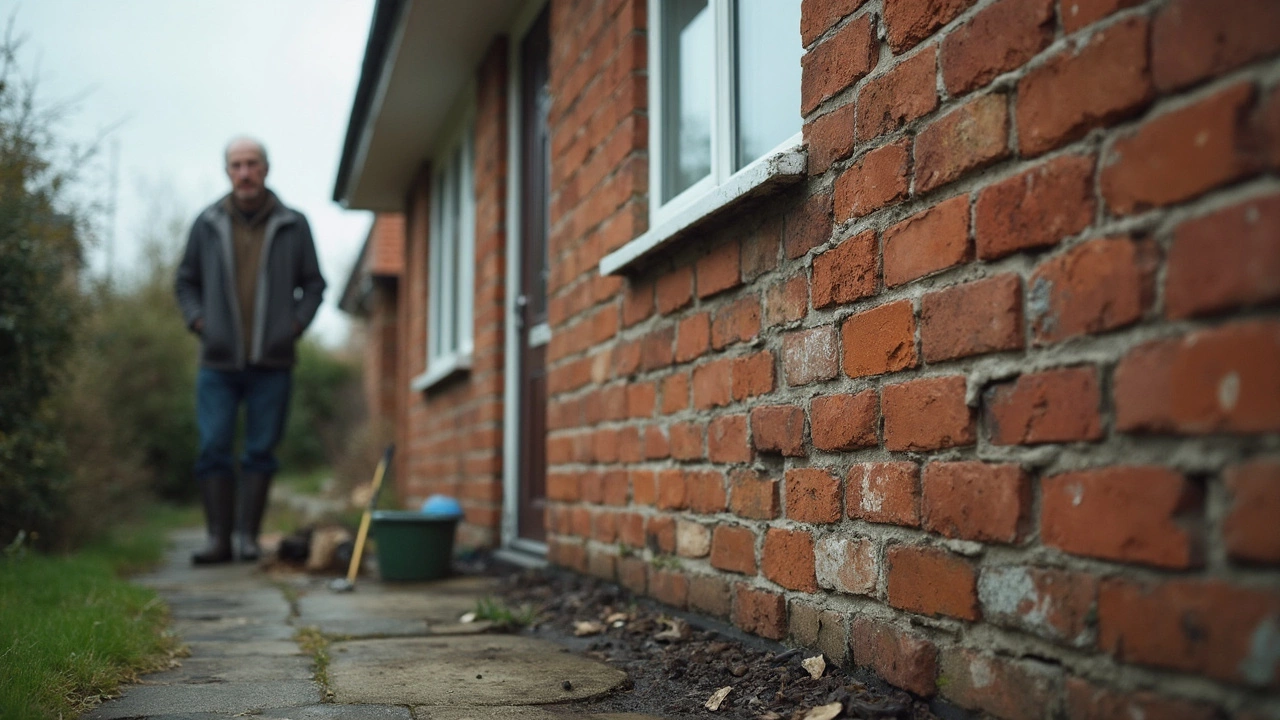
How to Fix Sinking Foundation: A Practical Guide for Homeowners
Foundations sink for all kinds of reasons, and ignoring the problem only makes things worse. This article breaks down why foundations sink, how to spot the warning signs early, and what steps you can take to fix the issue. Whether you're a DIY type or thinking about calling in the pros, you'll get clear advice on what works and what doesn't. There are also tips about costs, common mistakes, and how to keep your foundation solid for years to come. No complicated jargon—just straight-up help.
full article
Foundation Problems: Should You Really Buy That House?
Thinking about buying a house with foundation issues? Not sure if it's a risk or a deal-breaker? This article breaks down what foundation problems actually mean, what to watch out for, and when it might make sense to move forward. Get tips for negotiations and budgeting for repairs so you won't be hit with surprises. Practical advice for anyone facing this tricky real estate decision.
full article