Wallpaper vs. Paint Cost Calculator
Calculate Your Project Cost
Enter your room details to see which option works best for you
Results
Wallpaper used to be the go-to for making a statement in a room. Then came the all-white, minimalist wave, and suddenly, wallpaper felt like something your grandma had in the 80s. But here’s the thing: wallpaper isn’t dead. It’s back-and it’s not the same old floral pattern you remember.
Why Wallpaper Got a Bad Reputation
In the 2010s, wallpaper got tangled up with bad design choices. Thick, textured papers that trapped dust. Fussy patterns that made small rooms feel claustrophobic. Glue that peeled after a year. And let’s not forget the sticky, over-the-top designs from the 90s: gold vines, damask swirls, and that one infamous leopard print in the bathroom.
People started painting everything white because it was safe, clean, and easy. But white walls don’t always feel warm. They don’t add depth. And they don’t hide imperfections the way a good textured wall covering can.
What’s Changed in Wallpaper Since 2020
Modern wallpaper is a completely different animal. Today’s products are made with advanced vinyl blends, non-woven backings, and water-resistant coatings. You can now get wallpaper that’s:
- Peel-and-stick-no paste, no mess, no damage
- Washable-scrub it with a damp cloth like a tile
- Removable-leaves no residue when you take it down
- Printed with eco-friendly inks-low VOC, safe for kids’ rooms
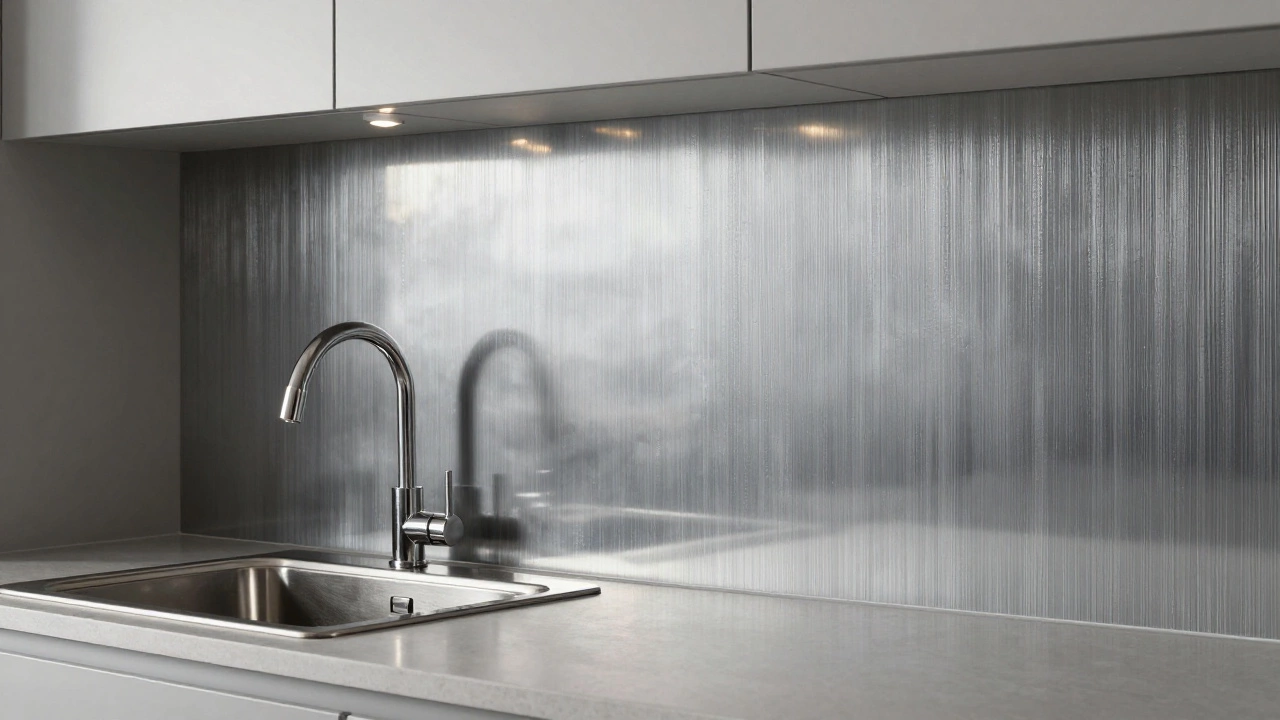
Manufacturers like Graham & Brown, Cole & Son, and Spoonflower now offer designs that look hand-painted, hand-embroidered, or even 3D. You can get wallpaper that mimics real stone, woven linen, or brushed metal. There’s even smart wallpaper that changes color slightly with ambient light.
Where Wallpaper Is Winning in 2026
It’s not just about covering entire walls anymore. The smartest designers are using wallpaper strategically:
- Accent walls in bedrooms and dining rooms-no more full-room coverage, just one bold panel to anchor the space.
- Backsplashes in kitchens and bathrooms-waterproof, easy to clean, and way cheaper than tile.
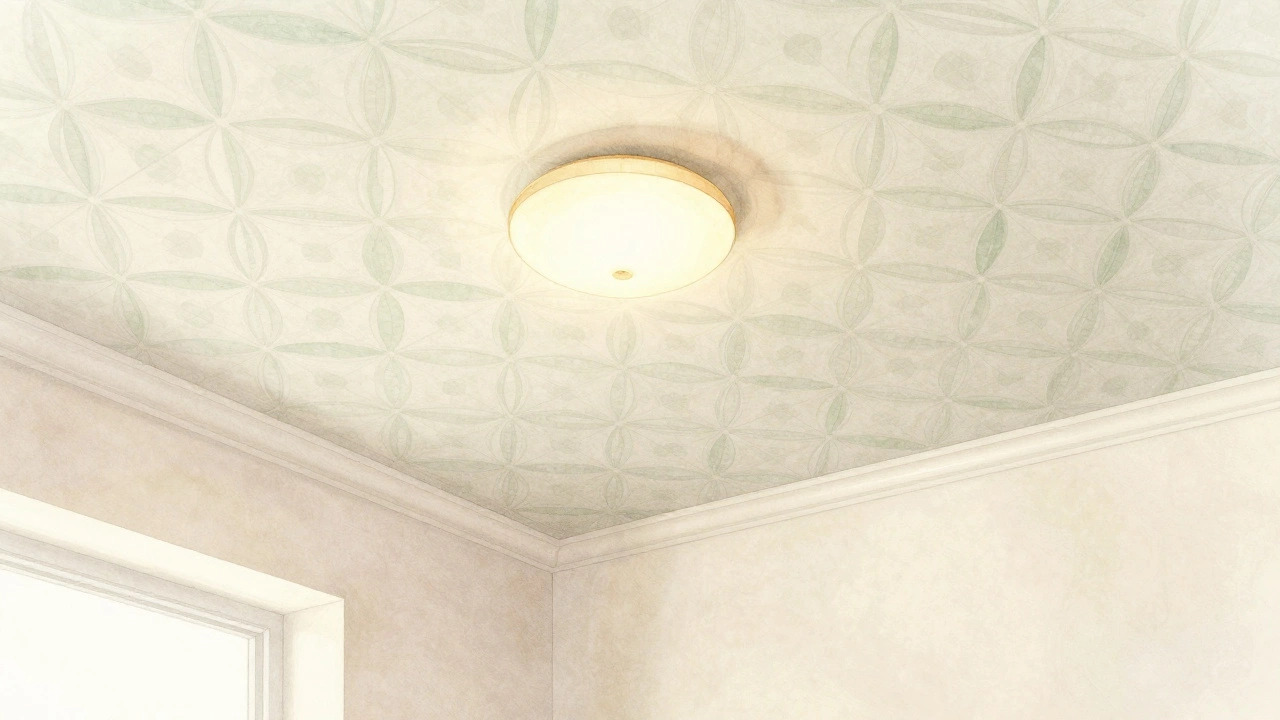
- Ceilings-yes, really. A subtle geometric pattern overhead adds drama without overwhelming the room.
- Furniture accents-some designers are wrapping headboards, shelves, or even the inside of bookcases with wallpaper for a hidden surprise.
A 2025 survey by the Interior Designers Association found that 68% of homeowners who installed wallpaper in the past year did so for an accent wall, not a full room. And 73% said they chose wallpaper because it added texture they couldn’t get with paint.
Wallpaper vs. Paint: The Real Comparison
People still ask: “Why not just paint?” Here’s the truth:
| Feature | Wallpaper | Paint |
|---|---|---|
| Cost (per sq. ft.) | $1.50-$5.00 | $0.50-$2.00 |
| Installation Time | 1-2 days (peel-and-stick) | 2-4 days (prep + dry time) |
| Longevity | 7-15 years | 5-7 years |
| Texture Options | High (embossed, metallic, fabric-like) | Low (limited to finishes like matte, satin) |
| Removability | Easy (modern types) | Difficult (requires sanding or priming) |
| Hidden Imperfections | Yes | No |
Paint might be cheaper upfront, but wallpaper lasts longer and hides wall flaws better. If you’ve got old drywall, uneven surfaces, or patches from old pictures, wallpaper is the quiet hero.
Who’s Choosing Wallpaper Now?
It’s not just design lovers. Millennials and Gen Z are the biggest buyers-and they’re not going for vintage prints. They want:
- Abstract art that looks like a gallery wall
- Minimalist geometrics in muted tones
- Dark, moody patterns in navy, charcoal, or forest green
- Custom designs from their own photos (yes, companies now print your vacation snaps onto wallpaper)
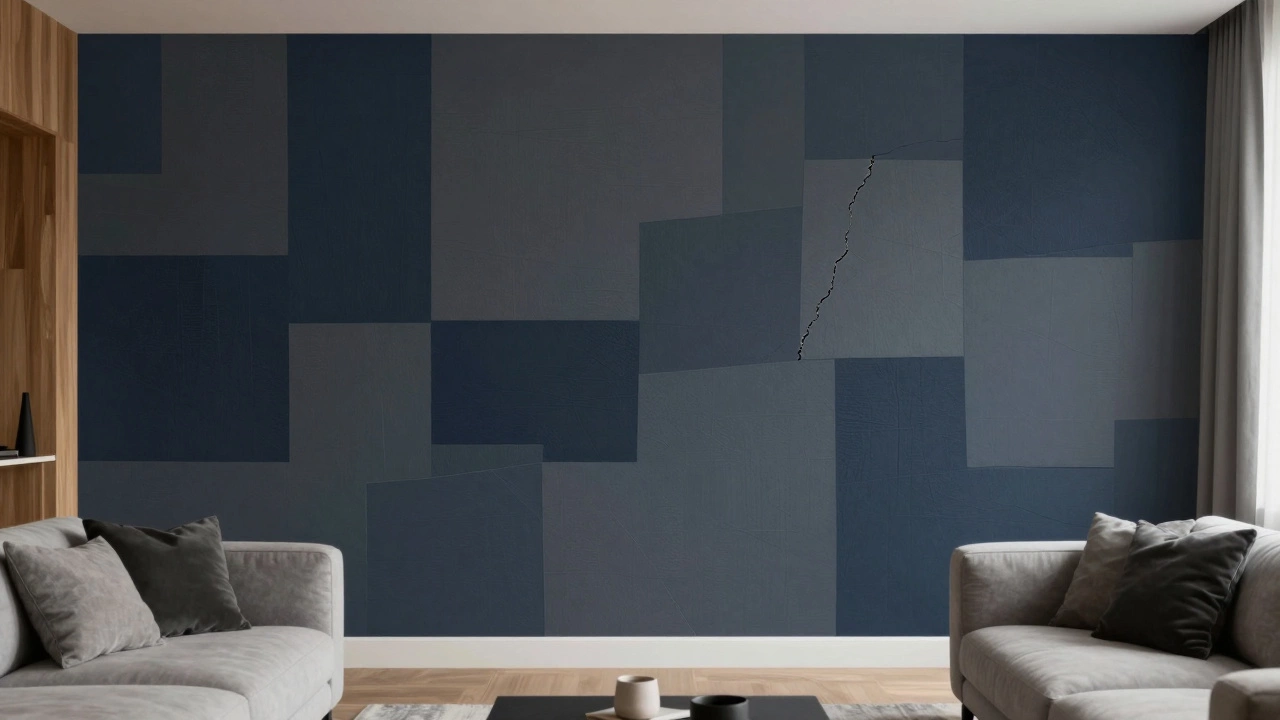
One homeowner in Austin told a design blog she used wallpaper in her home office to cover a wall with a giant crack from an old foundation issue. “It cost less than patching and painting,” she said. “And now it looks like a modern art piece.”
When Wallpaper Still Isn’t the Right Choice
It’s not magic. Wallpaper won’t fix structural problems. If your walls are crumbling, leaking, or covered in mold, you need to fix the root issue first. Also:
- Don’t use it in high-moisture areas unless it’s rated for bathrooms or kitchens.
- Avoid heavy textures in small, poorly lit rooms-they can make space feel smaller.
- If you rent, check your lease. Some landlords still ban it (even peel-and-stick).
And if you’re planning to sell your home in the next year? A neutral paint job might still appeal to more buyers. But if you’re staying put? Wallpaper is one of the easiest, most impactful upgrades you can make.
What’s Next? The Future of Wall Coverings
By 2027, we’ll see wallpaper with built-in LED lighting strips. Some prototypes even have sensors that change the pattern based on time of day or mood. Companies like Wall&Deco are testing wallpaper that absorbs air pollutants-yes, it’s a real thing.
But the real revolution? Customization. Apps now let you upload a photo, adjust the scale, and order a 10-foot-wide panel that looks like it was painted just for your wall. No more choosing from 12 pre-made patterns. You’re the designer.
Final Verdict
Is wallpaper outdated? No. It’s evolved.
It’s no longer the dusty, hard-to-remove relic of the past. It’s a flexible, affordable, and expressive tool for modern homes. It adds depth, hides flaws, and turns a plain room into something memorable.
Paint is still great. But wallpaper? It’s the upgrade you didn’t know you needed.
Is peel-and-stick wallpaper really durable?
Yes, if you pick quality brands. Modern peel-and-stick wallpaper uses strong, adhesive-backed non-woven fabric that sticks for 7-10 years. It won’t bubble or peel under normal conditions. Avoid cheap, thin vinyl from discount stores-they’re more likely to lift at the edges. Look for products labeled "repositionable" and "washable" for the best results.
Can wallpaper be used in bathrooms and kitchens?
Absolutely-but only if it’s rated for high-moisture areas. Look for waterproof vinyl or non-woven wallpaper with a protective coating. Many brands now offer bathroom-specific designs that resist mold and steam. Just avoid installing it directly behind the showerhead or in areas with constant splashing. A backsplash or accent wall away from direct water is perfect.
Does wallpaper make a room look smaller?
It can, if you choose the wrong pattern. Large, busy prints in dark colors on small walls can feel overwhelming. But light, vertical stripes, or subtle textures actually make spaces feel taller and more open. The key is scale: use small, repeating patterns in tight rooms. A bold wallpaper on one accent wall in a small bedroom can draw the eye and create depth, not clutter.
How do I pick the right wallpaper pattern?
Start with your room’s lighting. Dark rooms need lighter, simpler patterns. Bright rooms can handle bold colors and intricate designs. Think about your existing furniture and rugs-pick a wallpaper that complements, not clashes. If you’re unsure, order a sample first. Most brands sell 12x12 inch swatches for under $5. Live with it for a few days. See how it looks in morning light and at night.
Can I install wallpaper myself?
Yes, especially with peel-and-stick options. It’s easier than painting a ceiling. You’ll need a measuring tape, a level, a utility knife, and a smoothing tool (a squeegee or credit card works). Start in the center of the wall or next to a window. Match seams carefully. Don’t rush drying time-even peel-and-stick needs 24 hours to fully adhere. If you can hang a picture frame, you can hang wallpaper.