Quick Takeaways
- Yes, you should flip and rotate cushions to prevent uneven wear.
- Foam cushions need different care than down or fiber fills.
- Rotating prevents "the dip" caused by consistent seating positions.
- Over-flipping can actually warp some specific types of structured cushions.
- Fluffing is just as important as flipping for feather-filled sofas.
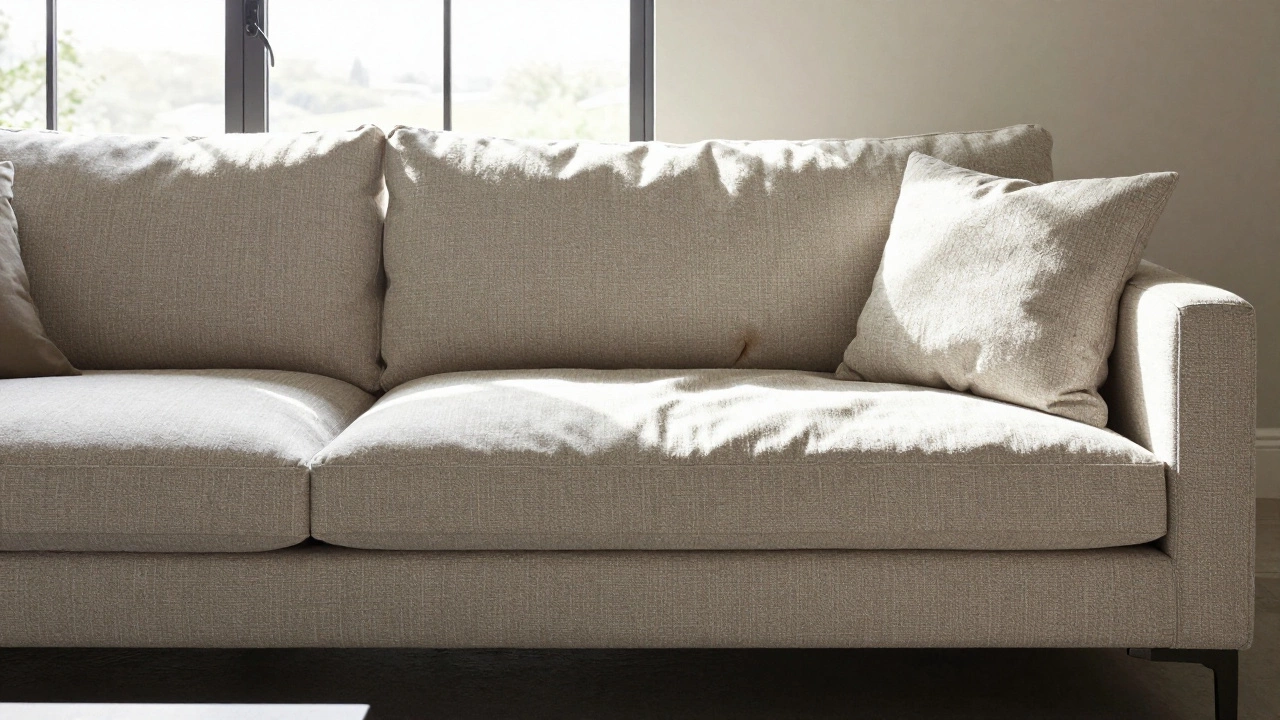
To get a handle on this, we first need to understand what we are actually dealing with. Couch Cushions is the removable or semi-permanent padded sections of a sofa designed to provide comfort and support. Depending on the brand, these are usually made from different materials that react differently to your body weight. If you never move them, the foam cells in the center compress permanently, leading to that dreaded sagging effect.
The Logic Behind Flipping and Rotating
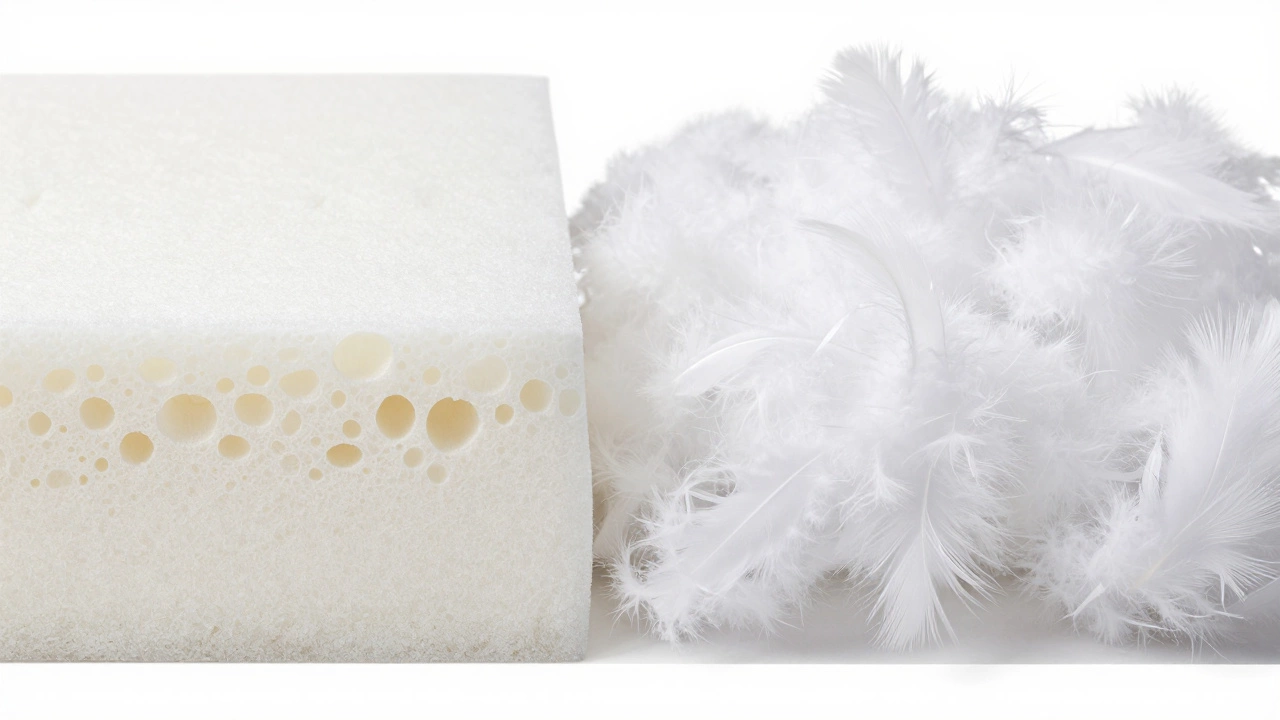
Think of your couch cushions like a mattress. You wouldn't sleep on the exact same six inches of a mattress for five years and expect it to stay flat. Your body applies concentrated pressure to the same spot every time you sit down. This breaks down the structural integrity of the Polyurethane Foam, which is the most common filling material used in modern furniture. By flipping the cushion (turning it upside down) or rotating it (moving it to a different seat position), you redistribute that pressure.
When you rotate a cushion from the middle seat to the end seat, you give the compressed foam a chance to recover. While foam doesn't "heal," removing the constant weight allows it to regain some of its original shape. If you do this every few weeks, you avoid creating a permanent valley in your sofa. Have you ever noticed how the middle cushion usually looks flatter than the sides? That is because the middle is the most popular spot for lounging.
Matching Your Maintenance to the Material
Not all cushions are created equal. If you treat a high-density foam cushion like a down-filled one, you might actually do more harm than good. Here is how to handle the most common types of fillings found in today's living rooms.
High-Density Foam is designed for support and usually holds its shape well. These are the best candidates for regular rotating. However, check if your cushions are "top-sided." Some high-end sofas have a firmer layer of foam on the top and a softer one on the bottom. If you flip these, you will find the couch suddenly feels too soft or too hard. If there is a clear difference in feel between the top and bottom, stick to rotating them left-to-right rather than flipping them over.
Then you have Down Feathers or feather-blend cushions. These are the luxurious, "sink-in" types of seats. Flipping these is less about preventing a dip and more about redistribution. Feathers shift and clump over time. Instead of just flipping, these require a full "fluff." This means hitting the cushions on the sides and shaking them to bring air back into the filling. If you only flip down cushions, you'll just have a flat cushion on the bottom and a flat cushion on the top.
| Material Type | Flip Frequency | Rotate Frequency | Primary Action |
|---|---|---|---|
| Polyurethane Foam | Every 3-6 Months | Every 2-4 Weeks | Rotate positions |
| Down / Feather | As needed | Every 2 Weeks | Fluff and shake |
| Memory Foam | Rarely | Monthly | Gentle rotation |
| Pocket Springs | Never | Monthly | Position swap |
The Danger of the "Wrong" Flip
Wait, can you actually ruin your couch by flipping it? Yes, in some cases. Some modern sofas use Pocket Springs inside the cushions to provide a more mattress-like feel. These springs are oriented in a specific direction to support your spine. If you flip a spring-based cushion upside down, you are essentially sitting on the bottom of the spring mechanism, which isn't designed for weight. This can lead to the springs warping or the fabric stretching in ways it wasn't meant to.
Another red flag is the fabric. If your couch has a very specific texture-like a deep-pile velvet or a patterned chenille-flipping the cushion can sometimes cause the fabric to rub against the frame in a way that creates premature wear. If you notice the bottom fabric is a different material or a thinner grade of cloth, do not flip. Instead, focus on the rotation. Moving the middle cushion to the left and the left to the right is a safe way to maintain the flip couch cushions strategy without risking the structural integrity of the piece.
Step-by-Step Rotation Routine
If you want to keep your living room looking sharp, you don't need a professional cleaner; you just need a schedule. Here is the most effective way to manage your sofa cushions without overthinking it.
- The Audit: Every month, stand back and look at your couch. Which cushion looks the most compressed? This is usually the one where the primary TV viewer or the head of the household sits.
- The Swap: Move that heavily used cushion to the least used spot (usually the far end of the sofa). Move the other cushions one spot over. This ensures the "heavy lift" is shared across all foam cores.
- The Flip (Optional): If your cushions are double-sided (the fabric is identical on top and bottom), flip them over. If they are one-sided, skip this step.
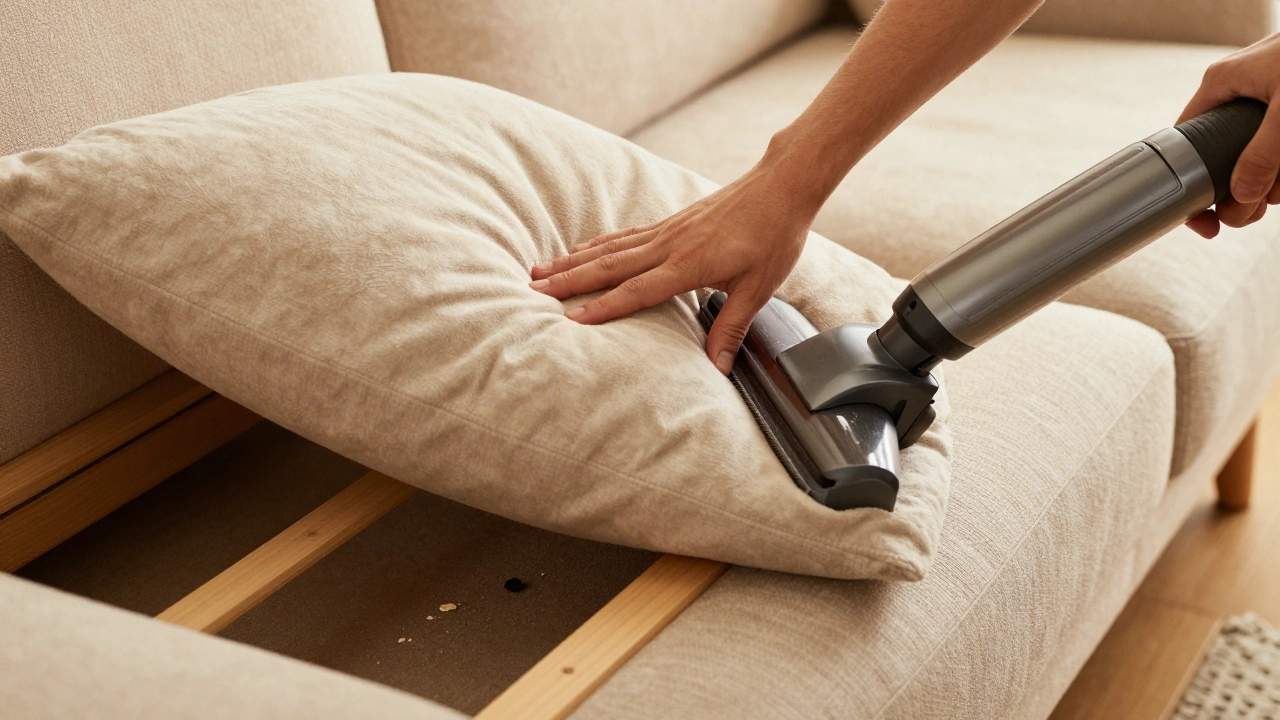
- The Vacuum: While the cushions are out, use a vacuum attachment to get the crumbs and dust that settle in the crevices. This prevents grit from rubbing against the foam, which can act like sandpaper and break down the material faster.
- The Fluff: For feather or fiber fills, give each cushion a firm pat on the sides and a good shake before placing it back down.
Common Pitfalls to Avoid
One mistake people make is waiting until the couch is already sagging to start rotating. By the time you see a visible dip, the foam cells have likely collapsed. Rotating at that point won't "fix" the dip; it will just move the dip to a different part of the couch. The goal is preventative maintenance. Start this habit the day you bring the furniture home.
Another common error is ignoring the Sofa Frame. Sometimes the sag isn't the cushion at all-it is the webbing or the springs underneath the cushions. If you rotate your cushions and the dip stays in the exact same spot on the couch, your problem is the frame, not the padding. In that case, you might need to look into adding a support board or replacing the springs.
How often should I rotate my couch cushions?
For most households, rotating cushions every 2 to 4 weeks is ideal. This prevents any single area of foam from taking the brunt of the weight and keeps the sofa looking uniform. If you have kids or pets who spend all day on the couch, move them every two weeks.
Can I flip cushions that have a different fabric on the bottom?
No. If your cushions have a "dust cover" or a different, thinner fabric on the bottom, they are one-sided. Flipping these will expose the bottom fabric to wear and tear it isn't designed for, and it will look out of place. Stick to rotating them horizontally.
Does flipping the cushions actually fix a sag?
Flipping and rotating are preventative measures. They stop a sag from happening. If the foam has already completely collapsed and created a deep hole, flipping it will only move the hole to the bottom. You may need to replace the foam insert at that point.
Is it bad to flip memory foam cushions?
Memory foam is generally more resilient to traditional "dips" than polyurethane foam, but it can still wear down. Gentle rotation is recommended, but avoid aggressive flipping or folding, as memory foam can be more susceptible to tearing if handled roughly.
What should I do if my cushions are permanently flat?
If rotating no longer works, you can buy foam toppers or replace the internal foam cores. Many upholstery shops can cut high-density foam to the exact dimensions of your existing covers to give your sofa a second life.
Next Steps for Your Sofa
If you've realized your couch is already sagging, don't panic. Start by swapping the positions of your cushions today. If the dip moves with the cushion, you know the foam is the culprit. If the dip stays put, it's time to inspect the springs underneath.
For those with brand new furniture, set a recurring reminder on your phone for the first of every month. Five minutes of rotating and vacuuming once a month can add years to the life of your investment. It is a small effort that prevents the expensive headache of buying a new sofa every three years because the middle seat gave out.