Luxury Room Score Calculator
1. The Power of Restraint
How would you describe the surfaces in your room (tables, counters, mantels)?
2. Mastering Light Layers
What is your primary source of lighting in the evening?
3. Texture Over Pattern
Do you use matching furniture sets or mix textures?
4. The Rule of Three
When styling shelves or tables, how do you arrange items?
5. Natural Elements & Biophilia
How much nature is incorporated into your decor?
Your Luxury Score
Actionable Tips for You:
Walk into a five-star hotel lobby. What do you feel? It’s not just the smell of fresh flowers or the sound of soft jazz. It’s a sense of calm, order, and intentional beauty. Now walk into your average living room. Does it feel curated, or does it feel like a storage unit for things you haven’t decided what to do with yet?
We often think that making a room look luxurious requires a massive budget, imported marble, and custom Italian furniture. But if you’ve ever been in a truly expensive home, you know that’s not quite right. Real luxury isn’t about shouting wealth; it’s about whispering quality. It’s about space, light, texture, and restraint. You can transform a modest space into something that feels high-end without spending a fortune. The secret lies in understanding how the eye processes visual information.
The Power of Restraint and Negative Space
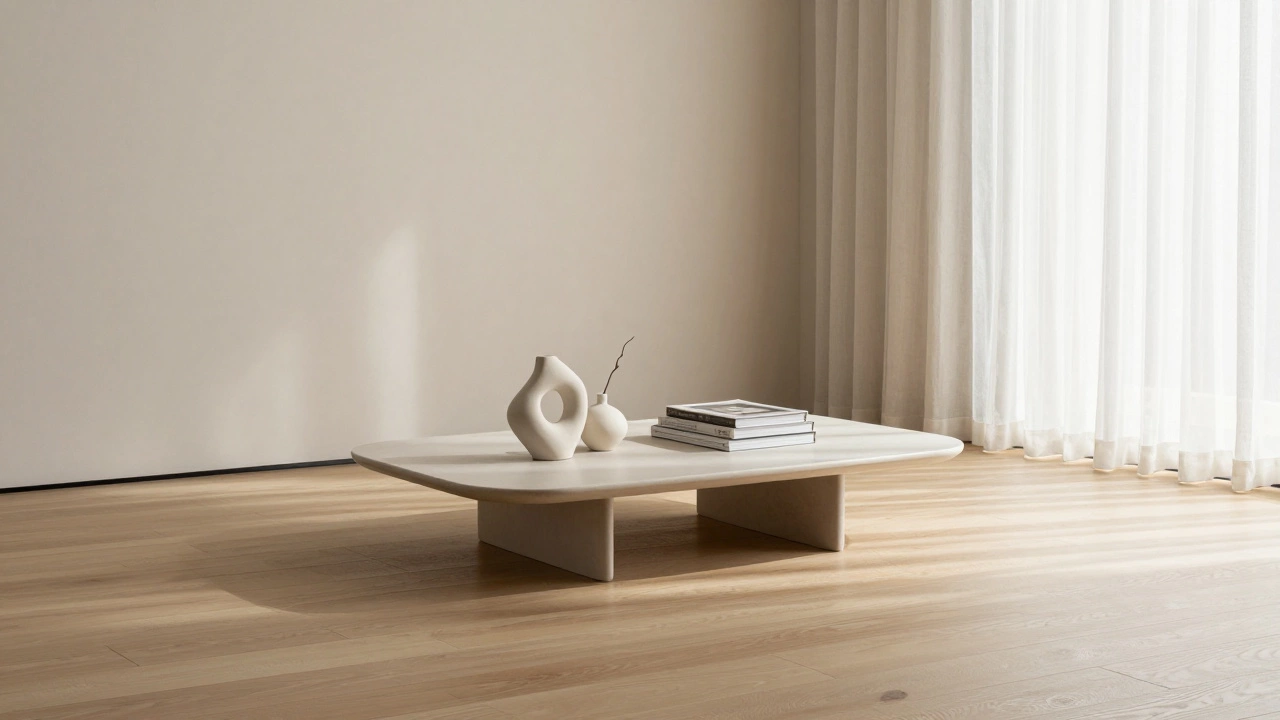
The single biggest difference between a cluttered room and a luxurious room is the strategic use of empty space to create visual breathing room. In design terms, we call this negative space. Most people are afraid of empty walls or bare floors. They fill every inch because they worry it will look unfinished. But in high-end interiors, emptiness is a feature, not a bug.
Think about a museum. Do they pack paintings shoulder-to-shoulder? No. They leave wide gaps so each piece commands attention. Your home should work the same way. If you want a room to feel expensive, you need to edit ruthlessly. Take everything off your coffee table. Then put back only three items: one sculptural object, one stack of large-format books, and perhaps a small vase with a single stem. That’s it. This triad creates balance without chaos.
- Clear horizontal surfaces: Counters, mantels, and tables should have at least 50% visible surface area.
- Declutter vertical lines: Remove excess picture frames. One large statement piece is better than a gallery wall of ten small ones.
- Floor visibility: Ensure you can see significant portions of your flooring. Rugs should be large enough that all furniture legs sit on them, but don’t let rugs bleed into every corner.
This approach forces the eye to rest. When the brain isn’t bombarded by visual noise, it perceives the remaining objects as more valuable and deliberate.
Mastering Light Layers
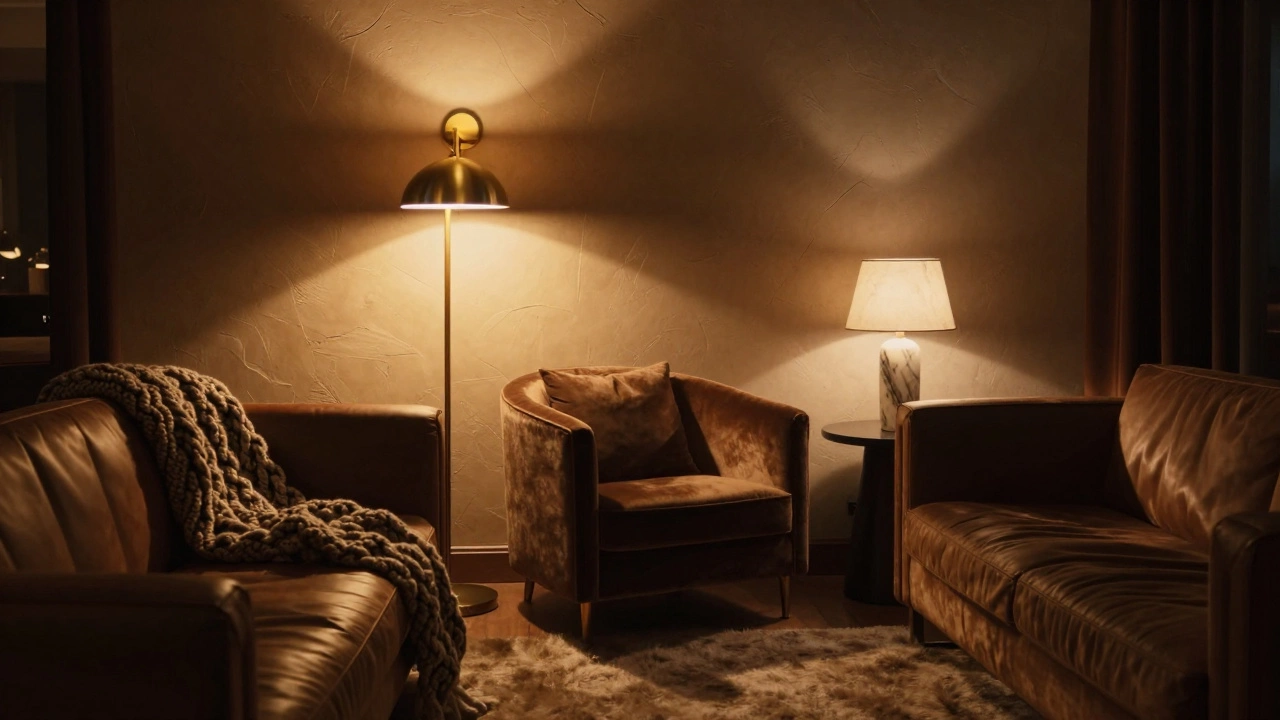
If there is one thing that instantly cheapens a room, it’s overhead lighting. That single ceiling fixture that floods the entire space with harsh, uniform light is the enemy of ambiance. Luxury is defined by contrast-bright spots and deep shadows. To achieve this, you need layered lighting.
Imagine your lighting in three tiers. First, you have ambient light, which is the general illumination. Second, you have task lighting, like a reading lamp. Third, and most importantly, you have accent lighting. Accent lights highlight specific features-a painting, a textured wall, or a plant. By using floor lamps, table lamps, and sconces instead of the main ceiling switch, you create pockets of warmth. This mimics the way candlelight behaved before electricity, triggering a primal sense of comfort and exclusivity.
Pay attention to color temperature too. Cheap bulbs often have a blue-white tint (4000K or higher) that looks clinical. For a luxurious feel, stick to warm white bulbs, typically around 2700K. This golden hue makes skin tones look better and fabrics look richer. It’s a small change that dramatically alters the mood of the room.
Texture Over Pattern
When shopping for decor, resist the urge to buy matching sets. A sofa, loveseat, and chair from the same collection might look coordinated, but it also looks like a showroom sample, not a lived-in luxury home. Instead, focus on mixing textures. Texture adds depth and interest without adding visual clutter.
Consider the tactile experience of your room. If you have smooth leather sofas, introduce a chunky knit throw blanket. If your floors are hard wood, add a plush wool rug. Velvet cushions against linen drapes create a subtle friction that catches the light differently throughout the day. These variations signal craftsmanship and attention to detail.
| Base Material | Complementary Texture | Effect |
|---|---|---|
| Sleek Leather | Chunky Knit Wool | Adds warmth and coziness |
| Hardwood Floors | High-Pile Rug | Softens acoustics and adds comfort |
| Glossy Ceramic Vase | Rough Natural Stone | Creates visual contrast and grounding |
| Linen Curtains | Velvet Pillows | Enhances light reflection and richness |
The key here is cohesion through color, even when textures differ wildly. Keep your palette neutral-think creams, taupes, charcoals, and soft whites-and let the materials do the talking. This strategy works whether you’re decorating a living room or a primary bedroom sanctuary.
The Rule of Three and Odd Numbers
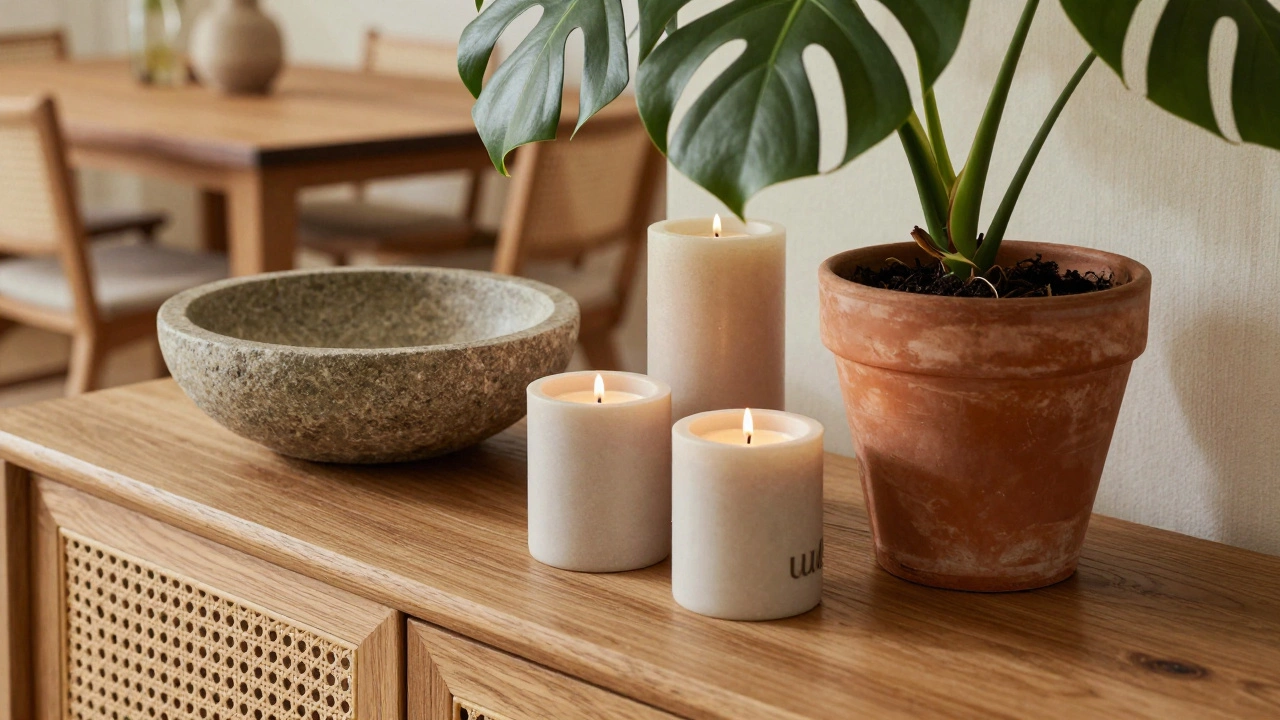
Human brains find odd numbers more interesting and natural than even numbers. Even numbers feel symmetrical and static, like a military parade. Odd numbers feel dynamic and organic, like a forest. When styling shelves, mantels, or dining tables, group items in threes or fives.
For example, if you’re arranging candles on a console table, don’t place two identical ones side-by-side. Place three of varying heights. The tallest goes in the back or middle, the shortest in front, and the medium one slightly off-center. This creates a triangular composition that guides the eye upward and across the display. It looks effortless, but it’s actually quite calculated.
This rule applies to art as well. A single large mirror or painting often carries more weight than a cluster of smaller frames. If you must hang multiple pieces, ensure they share a common thread-such as frame color or subject matter-to avoid looking like a random collection.
Invest in Quality Foundations
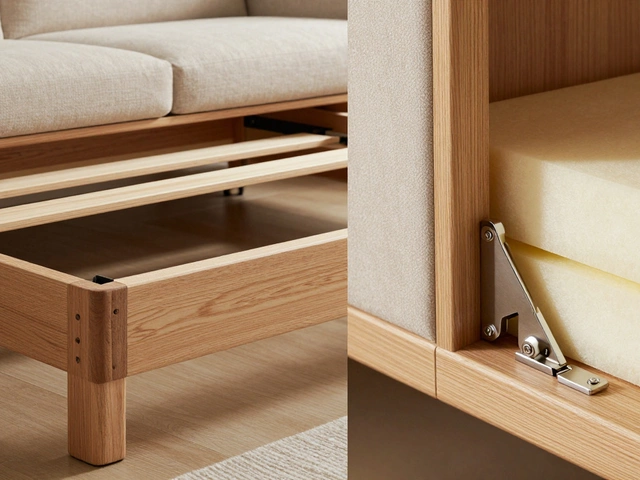
You don’t need to replace your entire furniture set to achieve a high-end look, but you do need to assess your foundations. Furniture with thin legs, flimsy construction, or synthetic-looking finishes can drag down the perceived value of a room. If your budget allows, invest in one or two anchor pieces that are built to last.
A solid wood dining table or a well-upholstered sofa with clean lines serves as the backbone of the room. From there, you can accessorize with more affordable items. The trick is to make sure the cheaper items don’t clash with the quality of the anchors. Avoid shiny plastics and particle board edges where possible. Opt for matte finishes, which absorb light rather than reflecting it chaotically. Matte surfaces tend to look more sophisticated and hide minor imperfections better than glossy ones.
Natural Elements and Biophilic Design
Luxury has always been associated with nature. Think of grand estates with sprawling gardens or city apartments with floor-to-ceiling windows overlooking parks. Bringing the outdoors in is one of the most effective ways to elevate a space. Plants aren’t just decor; they’re life. A large, healthy fiddle leaf fig or a monstera in a substantial ceramic pot adds scale and vitality.
Beyond plants, incorporate natural materials like wood, stone, rattan, and jute. These materials age gracefully. Unlike plastic or metal, which can look dated quickly, natural elements develop patina and character over time. A worn leather chair looks better after ten years than a new one. This aging process is part of the luxury narrative-it suggests history and endurance.
Even simple additions like a wooden cutting board on the counter or a stone bowl on the entryway table contribute to this aesthetic. The goal is to create a connection to the earth, which grounds the space and makes it feel serene.
Maintaining the Illusion
Finally, a luxurious room is a clean room. Dust, pet hair, and smudges break the illusion of perfection. Regular maintenance is non-negotiable. Vacuum rugs frequently, dust surfaces weekly, and wash linens often. Freshly laundered sheets and crisp curtains make a huge difference in how a room smells and feels.
Also, consider the scent of your home. A subtle, high-quality fragrance-like sandalwood, cedar, or linen-can enhance the sensory experience. Avoid overpowering synthetic scents. The best luxury homes smell faintly of nothing, or perhaps lightly of fresh air and natural fibers.
Making a room look luxurious isn’t about buying the most expensive items. It’s about curating an environment that feels balanced, thoughtful, and calm. By editing clutter, layering light, mixing textures, and respecting natural forms, you can create a space that feels elevated and inviting. Start with one corner. Edit it. Light it. Texture it. Then move to the next. Slowly, your home will transform from a place you live in to a place you retreat to.
Can I make my room look luxurious on a tight budget?
Absolutely. Luxury is more about curation than cost. Focus on decluttering, which is free. Swap out cheap plastic accessories for natural materials like wood or stone, which can be found affordably at thrift stores. Use warm lighting and mix textures with throw blankets and pillows. The perception of luxury comes from order and intention, not price tags.
What colors are considered luxurious?
Neutral palettes are the safest bet for a timeless luxurious look. Think shades of cream, beige, taupe, gray, and charcoal. Deep jewel tones like emerald green, navy blue, or burgundy can also feel rich and opulent, especially when used as accents. Avoid neon colors or overly bright primaries, which can feel casual or childish.
How important is lighting in creating a luxurious atmosphere?
Lighting is critical. Harsh overhead lights flatten a room and reveal flaws. Layered lighting with warm bulbs (2700K) creates depth, shadow, and intimacy. Using floor lamps, table lamps, and sconces allows you to control the mood and highlight specific features, making the space feel more designed and less functional.
Should I match my furniture sets?
Generally, no. Matching sets can look sterile and like a showroom. Instead, mix styles and eras. Pair a modern sofa with a vintage coffee table. Combine different woods and metals. The key is to unify the look through consistent color tones and proportional balance, rather than identical designs.
What is the role of plants in luxury decor?
Plants add life, scale, and a connection to nature, which is a hallmark of high-end design. Large, healthy plants in substantial pots act as architectural elements. They soften hard lines and bring organic texture into the space. Choose low-maintenance varieties if you’re worried about upkeep, but ensure they are well-cared-for to maintain the polished look.