Modern Farmhouse Style Checker
Check Your Design Elements
Select elements you have in your home or plan to add. We'll tell you if they're still in style for 2024 modern farmhouse.
Results
If you’ve walked through any neighborhood in Vancouver, Seattle, or even small-town Ontario over the last five years, you’ve seen it: white shiplap walls, black hardware, apron sinks, and that cozy mix of rustic wood and clean lines. The modern farmhouse look exploded in popularity after Pinterest and HGTV turned it into a household name. But now, in 2024, people are asking: is modern farmhouse still in style, or has it become overdone?
The short answer? Yes, it’s still here-but it’s changed. It’s not the same version you saw in 2018. The style has evolved, shed its clichés, and become more thoughtful. If you’re thinking of updating your home or just curious what’s trending, here’s what’s really going on with modern farmhouse in 2024.
What Made Modern Farmhouse Popular?
Modern farmhouse didn’t appear out of nowhere. It was a reaction to two things: the cold minimalism of Scandinavian design and the overly ornate details of traditional country homes. People wanted warmth without clutter, simplicity without sterility. The style blended the charm of old barns and rural American homes with the clean lines of contemporary interiors.
Key features that drove its rise:
- White or light gray shiplap walls
- Black or matte black metal fixtures (faucets, door handles, light fixtures)
- Reclaimed wood beams or flooring
- Apron-front kitchen sinks
- Open floor plans with high ceilings
- Neutral color palettes with earthy tones
- Woven baskets, linen curtains, and textured rugs
These elements created a look that felt lived-in, calm, and timeless. It wasn’t just about aesthetics-it was about creating a space that felt safe, grounded, and quiet in a world that felt increasingly chaotic.
Why People Are Tired of the Classic Version
By 2022, every new build, every remodel, every Instagram post looked the same. White walls. Black hardware. A single wooden dining table with a matching bench. A farmhouse sink with a window above it. It became predictable. Too many homes started to feel like cookie-cutter showrooms rather than personal spaces.
Homeowners began noticing that:
- Shiplap walls trapped dust and were hard to clean
- Black hardware showed fingerprints like crazy
- The all-white kitchen felt too sterile for daily life
- Reclaimed wood floors didn’t hold up well in high-traffic areas
Real people-parents with kids, dog owners, people who actually cook-started pushing back. They wanted durability, comfort, and personality over perfect symmetry.
How Modern Farmhouse Evolved in 2024
The style didn’t disappear. It matured. In 2024, modern farmhouse is less about following a checklist and more about borrowing its soul while ditching the gimmicks.
Here’s what’s different now:
1. Color Is Back-But Not Loud
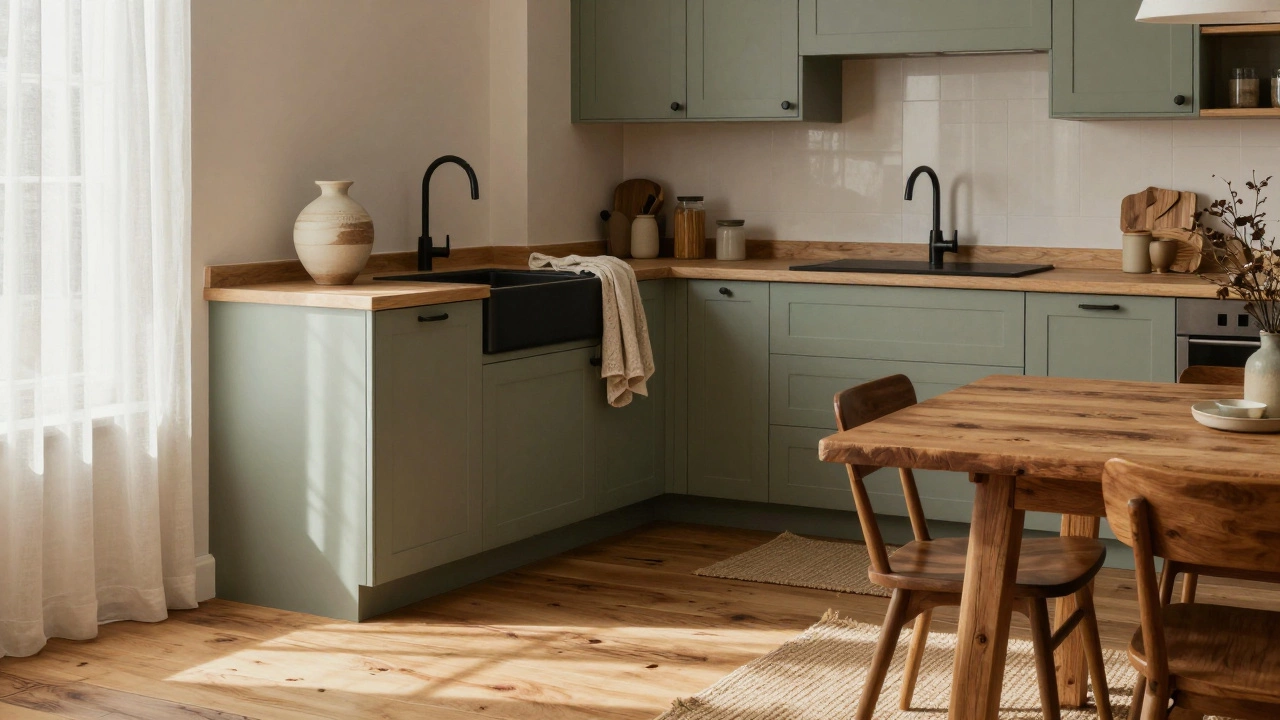
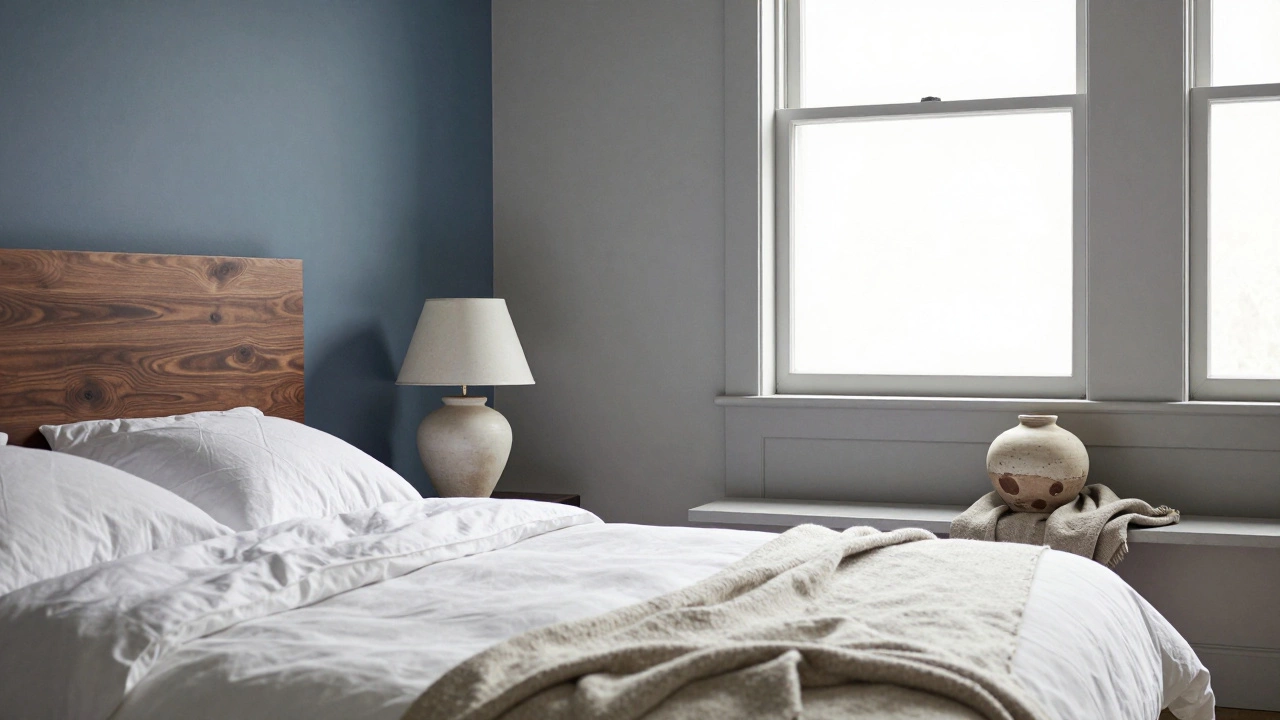
Forget all-white walls. Today’s modern farmhouse uses soft, muted colors that feel like natural light. Think warm greige, sage green, dusty blue, and even charcoal gray. These tones add depth without overwhelming. One homeowner in Langley painted her kitchen cabinets in a color called "Dove Wing"-a gray with a hint of lavender-and said it made the space feel like morning light.
2. Hardware Is Getting Creative
Black hardware is still popular, but it’s no longer the only option. Brushed brass, oil-rubbed bronze, and even matte white pulls are showing up more often. Some people are mixing metals-like pairing a brass faucet with black cabinet handles-for a more layered, intentional look.
3. Wood Isn’t Just Reclaimed Anymore
Real reclaimed wood is expensive and hard to maintain. Now, many are choosing engineered wood with a rustic texture or even stained concrete floors that mimic the grain of old barn wood. In Vancouver’s damp climate, these materials hold up better and cost less over time.
4. The Sink Is No Longer Mandatory
The apron-front sink? Still beautiful. But it’s not a requirement anymore. Undermount sinks in matte black or white composite are now common in modern farmhouse kitchens. They’re easier to clean and look sleeker with quartz countertops.
5. Texture Over Pattern
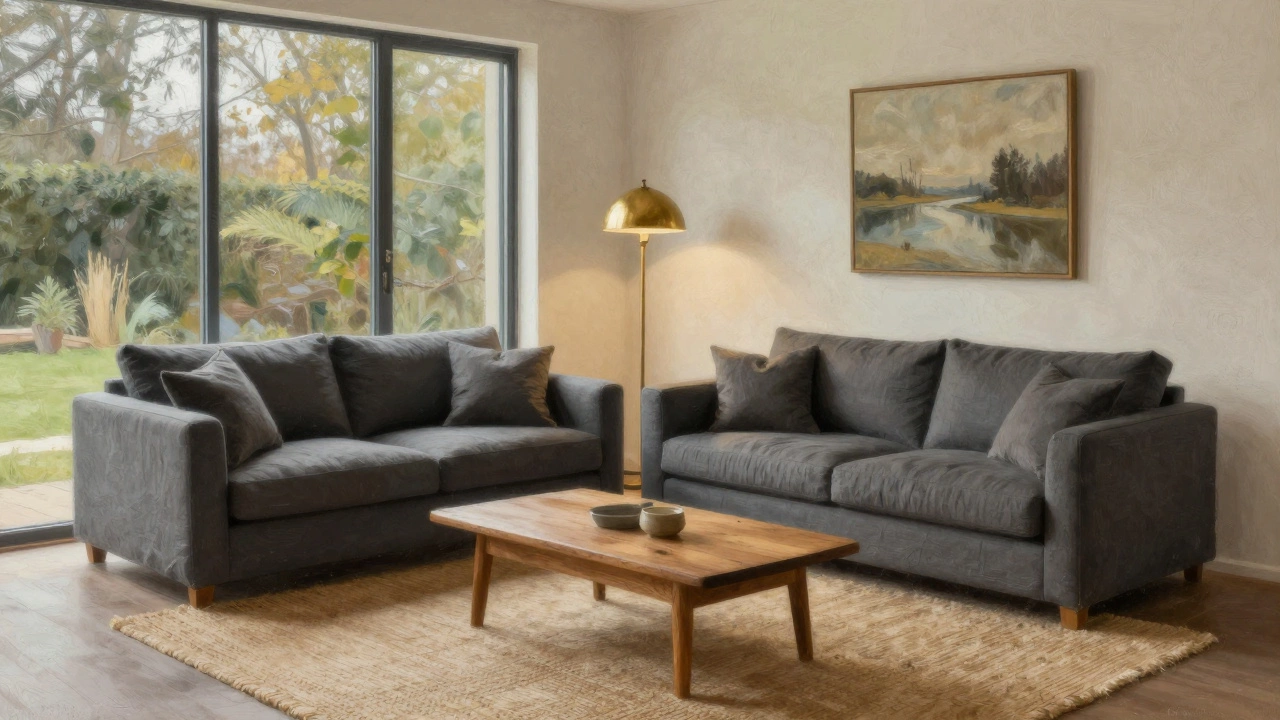
Instead of floral prints or gingham curtains, today’s modern farmhouse leans into texture. Think linen upholstery, wool throws, jute rugs, and hand-thrown pottery. These elements add warmth without clutter. A single ceramic vase on a shelf says more than three framed prints.
What’s Out? The Clichés That Are Done
If you’re remodeling, skip these tired elements:
- Overused shiplap on every wall
- Matching farmhouse light fixtures in every room
- "Farmhouse" signs with cursive lettering
- Wicker baskets everywhere
- White subway tile backsplash with grout lines that look like railroad tracks
These were never the soul of the style-they were shortcuts. Removing them doesn’t make your home less farmhouse. It makes it more authentic.
Who Is Still Choosing This Style?
Modern farmhouse isn’t for everyone. But it’s still the top choice for three types of homeowners:
- Young families who want a calm, easy-to-clean space that feels warm and safe
- Empty nesters downsizing into smaller homes but still craving comfort and simplicity
- Remote workers who need a peaceful, distraction-free environment to live and work in
In Vancouver, where many people value nature and quiet living, this style still resonates. It’s not about pretending to live on a farm. It’s about bringing that sense of calm indoors.
How to Keep It Fresh in Your Own Home
Want to keep your modern farmhouse home feeling current? Here’s how:
- Start with one statement piece-like a vintage wooden dining table or a handmade ceramic light fixture.
- Use color sparingly. Pick one accent color and repeat it in small doses: a pillow, a vase, a rug edge.
- Let natural light do the work. Keep windows unobstructed. Use sheer curtains instead of heavy drapes.
- Choose materials that age well. Brass darkens over time. Wood develops patina. These changes add character, not wear.
- Don’t copy Pinterest. If a look doesn’t feel like you, it doesn’t belong in your home.
The Bottom Line
Modern farmhouse isn’t dead. It’s just grown up. The style is no longer about following trends-it’s about creating a home that feels grounded, quiet, and personal. The elements that made it popular-warmth, simplicity, texture-are still powerful. But now, they’re being used with more intention.
If you love the feeling of a farmhouse but hate the clichés, you’re not alone. The best modern farmhouse homes in 2024 don’t look like magazine spreads. They look like places where people actually live-with worn-in couches, mismatched mugs, and a dog curled up by the fireplace.
That’s the real farmhouse. And it’s still very much in style.
Is modern farmhouse going out of style in 2024?
No, modern farmhouse isn’t going out of style-it’s evolving. The overly perfect, all-white versions with black hardware everywhere are fading, but the core values-warmth, simplicity, and natural materials-are more relevant than ever. Today’s homes blend farmhouse comfort with contemporary practicality.
What’s replacing modern farmhouse?
It’s not being replaced-it’s being refined. Some homeowners are shifting toward "quiet luxury"-think rich textures, muted tones, and artisanal details without the clichés. Others are blending farmhouse elements with Japandi (Japanese + Scandinavian) for a more serene, minimalist vibe. But modern farmhouse still dominates because it’s emotionally comforting.
Can I mix modern farmhouse with other styles?
Absolutely. Many of the best homes in 2024 mix farmhouse warmth with industrial touches (like exposed ductwork), Scandinavian minimalism, or even Mediterranean tile. The key is balance. Keep the color palette soft, focus on natural materials, and avoid clutter. A farmhouse-style table with a sleek metal base? That works.
What colors work best for modern farmhouse in 2024?
Soft, earthy neutrals are in: warm greige, sage green, dusty blue, and light taupe. Avoid pure white walls-they feel too cold. Instead, choose paint colors with subtle undertones. A color like "Benjamin Moore’s Edgecomb Gray" or "Sherwin-Williams’ Agreeable Gray" creates depth without drama.
Is shiplap still a good choice?
Only if you use it wisely. Shiplap on one accent wall or in a bathroom works well. Covering every wall? That’s outdated. Many homeowners now use textured plaster, wood paneling, or even painted drywall with subtle lines to mimic the look without the maintenance. In damp climates like Vancouver, wood paneling holds up better than shiplap.