Window blinds aren’t just about blocking light anymore. In 2024, they’re a core part of home style - shaping the mood, controlling privacy, and even cutting energy bills. If you’re thinking about replacing your old blinds or installing new ones, you’re not just making a practical choice. You’re picking a visual statement. So what’s actually trending right now? Let’s cut through the noise and show you exactly what’s working in homes across North America - including here in Vancouver, where weather and natural light shape design choices.
Smart Blinds Are No Longer a Luxury
Five years ago, motorized blinds felt like something out of a sci-fi movie. Now, they’re common in mid-range homes. People aren’t just buying them for convenience. They’re buying them because they save money. A study by the Energy Efficiency and Conservation Authority found that homes with smart blinds that adjust automatically based on sunlight reduce cooling costs by up to 18% in summer. In Vancouver, where cloudy days alternate with bright afternoons, blinds that open and close on a schedule or via app make a real difference. Brands like Lutron and SmartBlinds now offer affordable systems that work with Alexa, Google Home, and Apple HomeKit. You don’t need to replace your whole window - many kits fit over existing blinds or shades. Just plug in, connect, and let your windows breathe on their own.
Wood and Faux Wood Blinds Are Back - But Better
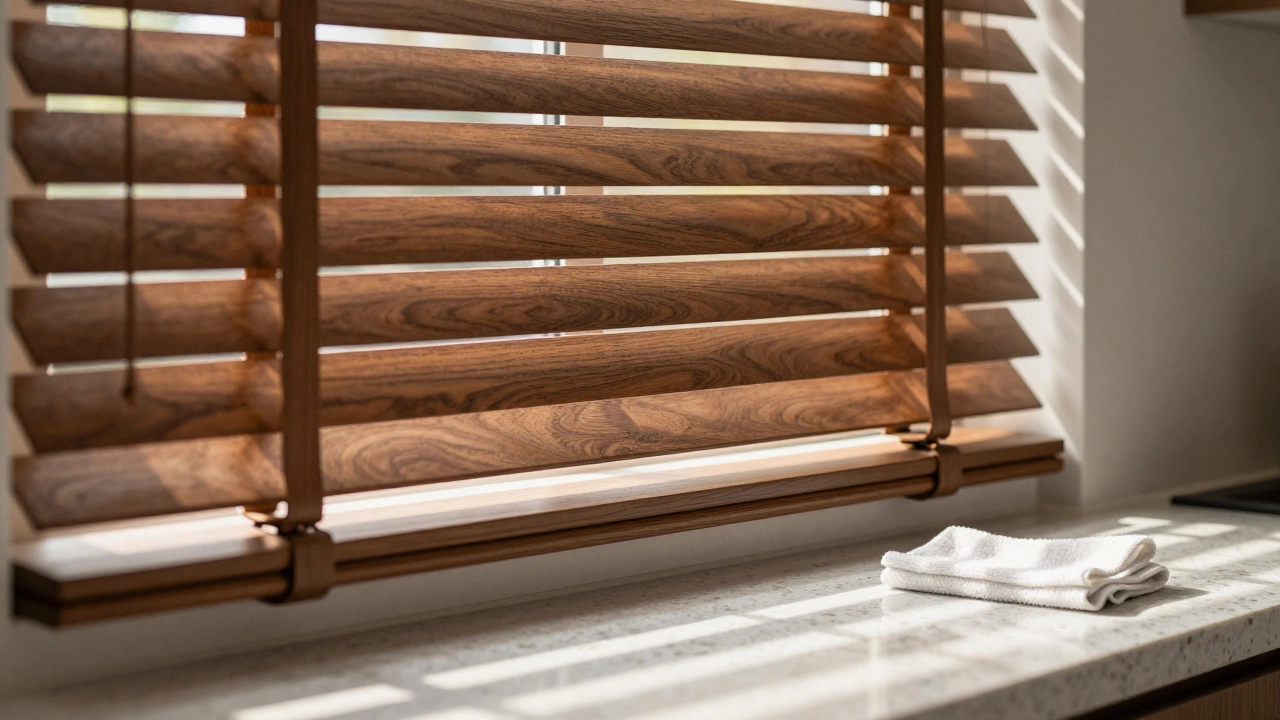
Remember those cheap, flimsy faux wood blinds from the 2000s? They’re gone. Today’s versions are thicker, more durable, and look like real wood - without the warping. Real wood blinds are still popular, especially in homes with hardwood floors or rustic accents. But faux wood has become the go-to for kitchens, bathrooms, and sunrooms. Why? It doesn’t crack in humidity, resists fading, and cleans with a damp cloth. In 2024, the trend is toward wider slats - 3.5 inches instead of the old 2-inch standard. Wider slats create cleaner lines, let in more light when open, and feel more luxurious. Look for finishes like charcoal, walnut, or even matte white. These aren’t just window coverings. They’re architectural details.
Blackout Shades Are Getting a Makeover
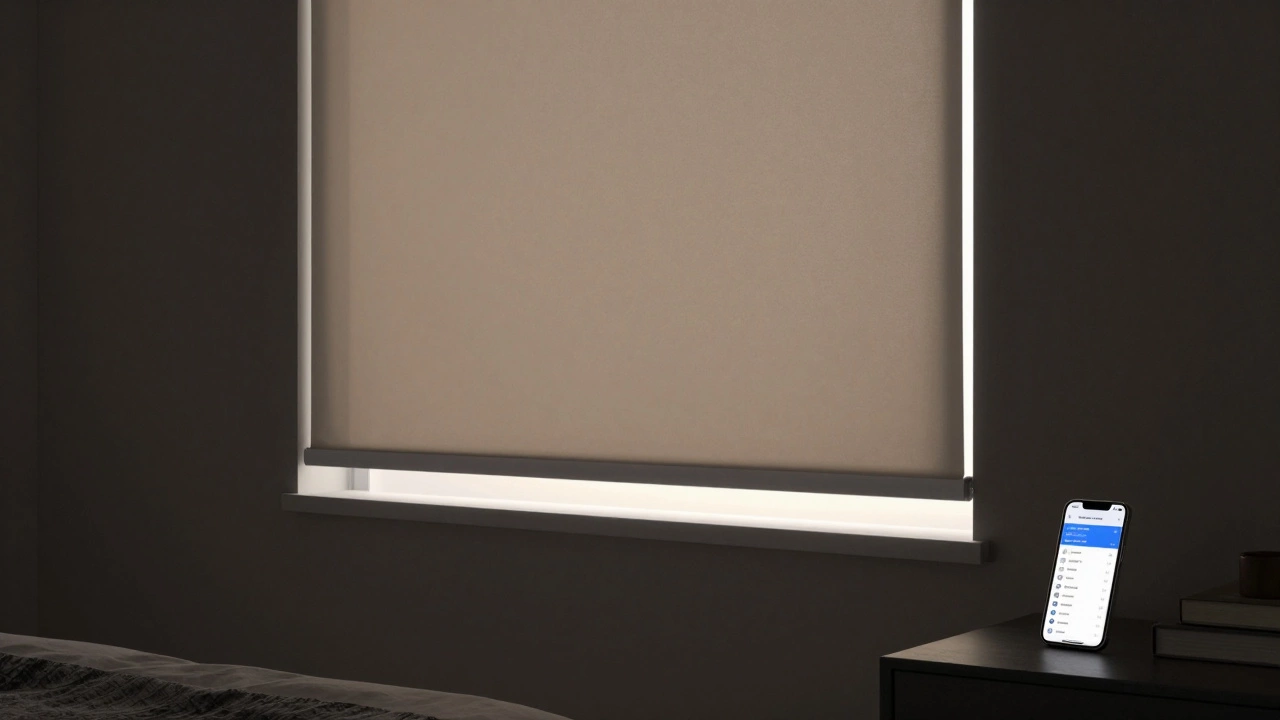
Blackout shades used to mean thick, bulky, hospital-grade fabric. Today, they’re sleek, silent, and stylish. The new generation uses layered fabrics and advanced weaves that block 99.9% of light without adding bulk. Brands like Hunter Douglas’s Duette and Solera now offer these in dozens of colors - from deep navy to soft oatmeal. People in Vancouver are using them in bedrooms, home theaters, and even home offices. Why? Because natural light is beautiful, but not when it wakes you up at 5 a.m. in June. These shades roll up so tightly, you barely notice them when raised. And they’re quiet - no more clanking plastic or squeaky cords.
Sheer Vertical Blinds Are the New Neutral
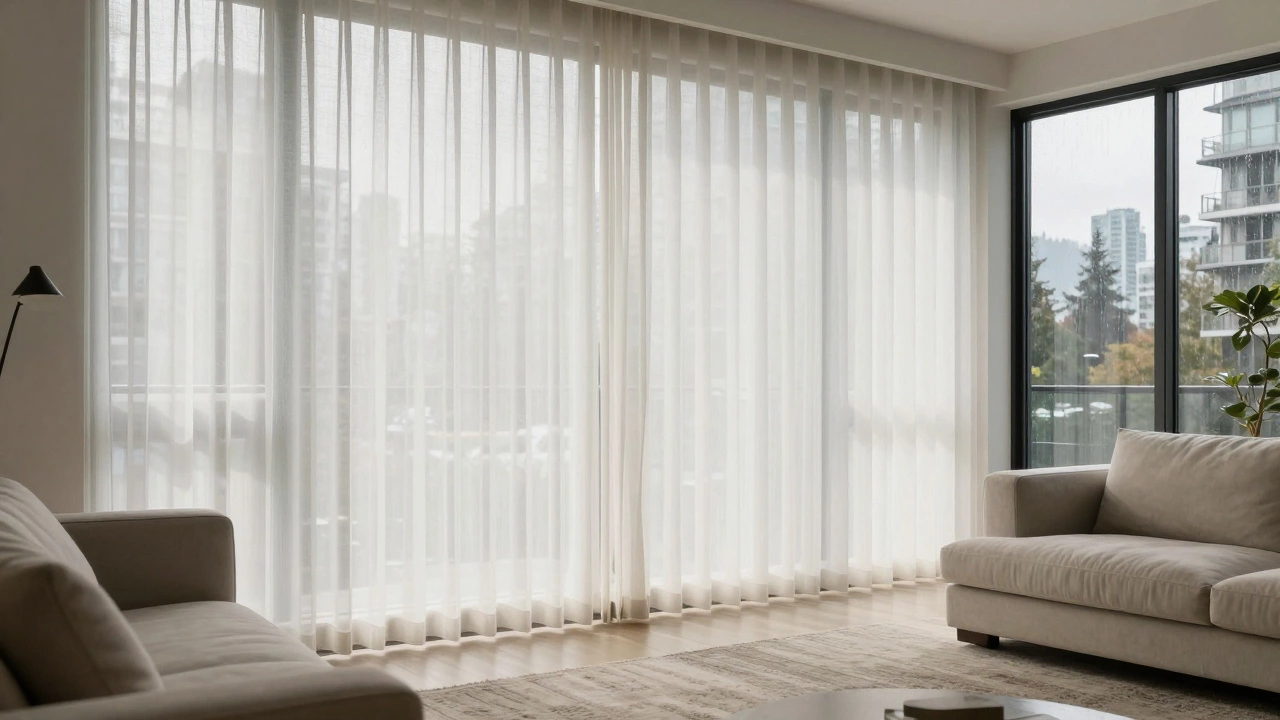
If you’ve ever walked into a modern condo or apartment in downtown Vancouver, you’ve probably seen them: floor-to-ceiling sheer vertical blinds. They’re not just for sliding glass doors anymore. People are installing them on standard windows too. The key is the fabric - lightweight, semi-transparent, and woven with a subtle texture. They soften harsh sunlight without blocking the view. In winter, they let in what little sun there is. In summer, they diffuse the glare. And because they’re vertical, they make rooms feel taller. They’re perfect for small spaces, modern interiors, or homes with lots of glass. Pair them with a simple curtain panel for layered depth. No one’s using them in traditional farmhouse styles - but in minimalist, Scandinavian, and Japandi homes? They’re everywhere.
Neutral Tones Are Winning Over Bold Colors
Remember when everyone was painting their blinds teal or mustard yellow? That phase is over. In 2024, the trend is quiet. Neutral tones - think warm greys, soft beiges, creamy whites, and deep charcoal - dominate. Why? Because modern homes are built around texture and layering. A bold blind can clash with a rug, a sofa, or even a piece of art. Neutrals blend. They don’t compete. They create calm. Even in homes with dark walls or moody paint, blinds stay light or medium-toned to balance the space. Vancouver’s rainy climate makes this even more important. People want interiors that feel bright and open, even when it’s gray outside. A blind in a warm oatmeal tone does more than cover a window - it makes the whole room feel grounded.
Hidden Hardware Is the Silent Upgrade
Here’s something most people overlook: the hardware. In 2024, the best blinds have no visible brackets, no clunky headrails, and no hanging cords. The trend is toward flush-mounted, seamless installations. Brands like Bali and Graber now offer blinds with built-in mounting systems that disappear into the window frame. The result? A clean, built-in look - like the window was designed that way from the start. No more ugly brackets sticking out. No more gaps where dust collects. This isn’t just about looks. It makes cleaning easier. It also lets you use wider, heavier materials without worrying about structural support. If you’re renovating or just replacing blinds, ask your installer about hidden mounting options. It’s a small change that makes a big difference.
What’s Out in 2024?
Some styles are fading fast. Plastic mini-blinds with visible tilt rods? Gone. Heavy, pleated shades that look like they belong in a 1990s office? Also gone. Corded blinds - the kind you pull with a long string - are being phased out across North America. Canada’s new window covering safety standards (effective January 2024) now require all new blinds to be cordless or have tensioned cords that can’t form loops. This isn’t just a trend - it’s a rule. If you’re buying new, make sure it’s cordless. It’s safer, cleaner, and looks better.
Final Tip: Match Your Blinds to Your Light
Don’t pick blinds based on what’s trendy on Instagram. Pick them based on your windows. North-facing rooms? Go for lighter tones to reflect what little sun you get. South-facing? Darker shades can help control heat. East-facing? You’ll want something that blocks morning glare. West-facing? Prioritize blackout or thermal-lined options for hot afternoons. In Vancouver, where sun angles change dramatically between seasons, your blinds should adapt - not just cover.
Are cordless blinds really better than corded ones?
Yes - and not just for safety. Cordless blinds are easier to clean, quieter to operate, and give windows a cleaner look. Since January 2024, Canada requires all new window coverings to be cordless or have tensioned cords to prevent strangulation hazards, especially for children and pets. Even if you’re not replacing blinds right now, upgrading to cordless is a smart, long-term choice.
Can I install smart blinds myself?
Many smart blind kits are designed for DIY installation. Brands like Lutron and IKEA offer kits that attach to existing blinds using adhesive strips or simple brackets. You’ll need a smartphone and Wi-Fi, but no electrician. Just follow the app instructions - most systems walk you through pairing, positioning, and scheduling. If you’re replacing blinds entirely, consider hiring a professional for a seamless, flush-mounted fit.
Do faux wood blinds look cheap?
Not anymore. Modern faux wood blinds use high-density polymer and advanced printing to mimic real wood grain. They’re thicker, heavier, and more durable than older versions. In fact, many homeowners can’t tell the difference from across the room. The best ones even have subtle texture and variation - no two slats look exactly alike. They’re ideal for humid rooms like bathrooms and kitchens where real wood would warp.
What’s the best blind for a Vancouver bedroom?
A dual-layer system works best: sheer vertical blinds during the day to soften light, and blackout shades at night for deep sleep. Vancouver’s long summer days mean sunlight can creep in around 4 a.m. in June. A blackout shade with a side channel seal blocks nearly all light and keeps the room cool. Pair it with a neutral tone so it blends with bedding and decor.
How often should I replace my blinds?
Most blinds last 7-10 years before fading, warping, or breaking. But if you notice yellowing, sticking slats, or frayed fabric, it’s time to replace them sooner. In homes with direct sun exposure - especially south-facing windows - blinds can fade in as little as 5 years. Smart blinds with UV-resistant fabrics may last longer. Replace them when they start to look worn, not just when they break.