Sofa Bed Comfort Calculator
How comfortable is your sofa bed?
Get a personalized comfort score based on key factors from real-world testing
Comfort Assessment Results
Personalized Recommendation
Key Factors
Important Considerations
If you’re thinking about using a sofa bed as your main sleeping spot, you’re not alone. Millions of people live in small apartments, work-from-home spaces, or guest-heavy homes where every square foot counts. But the big question remains: are sofa beds comfortable for everyday use? The answer isn’t a simple yes or no-it depends on what’s inside the frame, how you use it, and what you expect from a good night’s sleep.
Not All Sofa Beds Are Created Equal
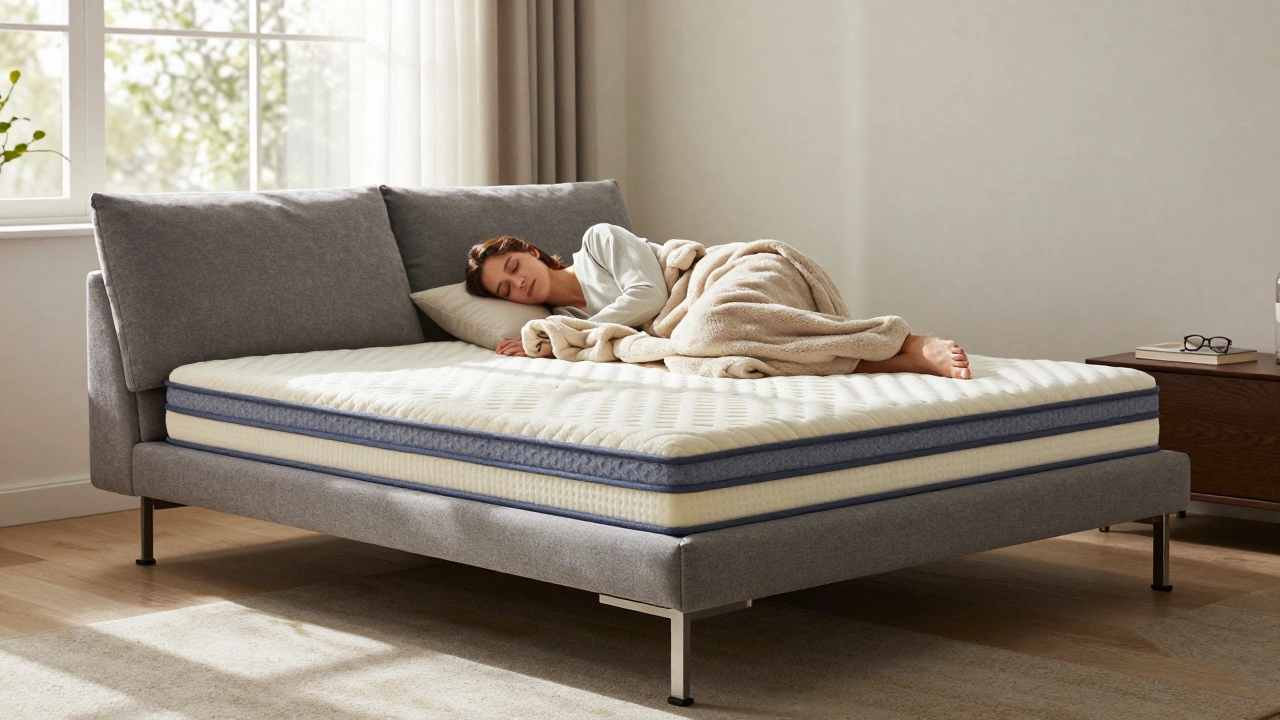
Back in the 2010s, most sofa beds were stiff, thin, and made you feel like you were sleeping on a metal bar wrapped in fabric. Today’s models are a totally different story. High-end sofa beds now use memory foam layers, pocketed coil systems, and high-density polyurethane cores-materials you’d find in $1,000+ mattresses. Brands like IKEA, Zinus, and Ashley have poured R&D into making their sleeper mechanisms smoother and their cushions plusher.
Here’s what matters most:
- Mattress thickness: Look for at least 5 inches. Anything less than that won’t give your spine enough support.
- Frame material: Solid hardwood or steel frames last longer and don’t sag like cheap particleboard.
- Mechanism type: Pull-out or fold-out designs with smooth glides are easier to use daily. Avoid the old-fashioned “click-clack” models-they’re loud and wear out fast.
A 2024 consumer report from Sleep Foundation tested 18 popular sofa beds over 90 days. The top performers had mattresses between 6 and 8 inches thick, with a medium-firm feel. Users reported fewer backaches and better sleep quality compared to older models.
Who Should Use a Sofa Bed Daily?
Let’s be real-some people thrive on sleeping on a sofa bed. Others wake up with a stiff neck every morning. Here’s who it works for:
- Small-space dwellers: Studio apartments, dorm rooms, or tiny homes where a full-size bed just won’t fit. A sofa bed doubles as seating and sleeping without needing extra room.
- Guest-heavy households: If you rarely have overnight visitors, why buy a second bed? A sofa bed serves as a quiet, hidden solution.
- People on a tight budget: A quality sofa bed costs $600-$1,200. A full mattress and frame? Often $1,500+. For many, this is the smarter financial choice.
But it’s not ideal if:
- You’re over 6 feet tall and need a full 76-inch sleeping surface.
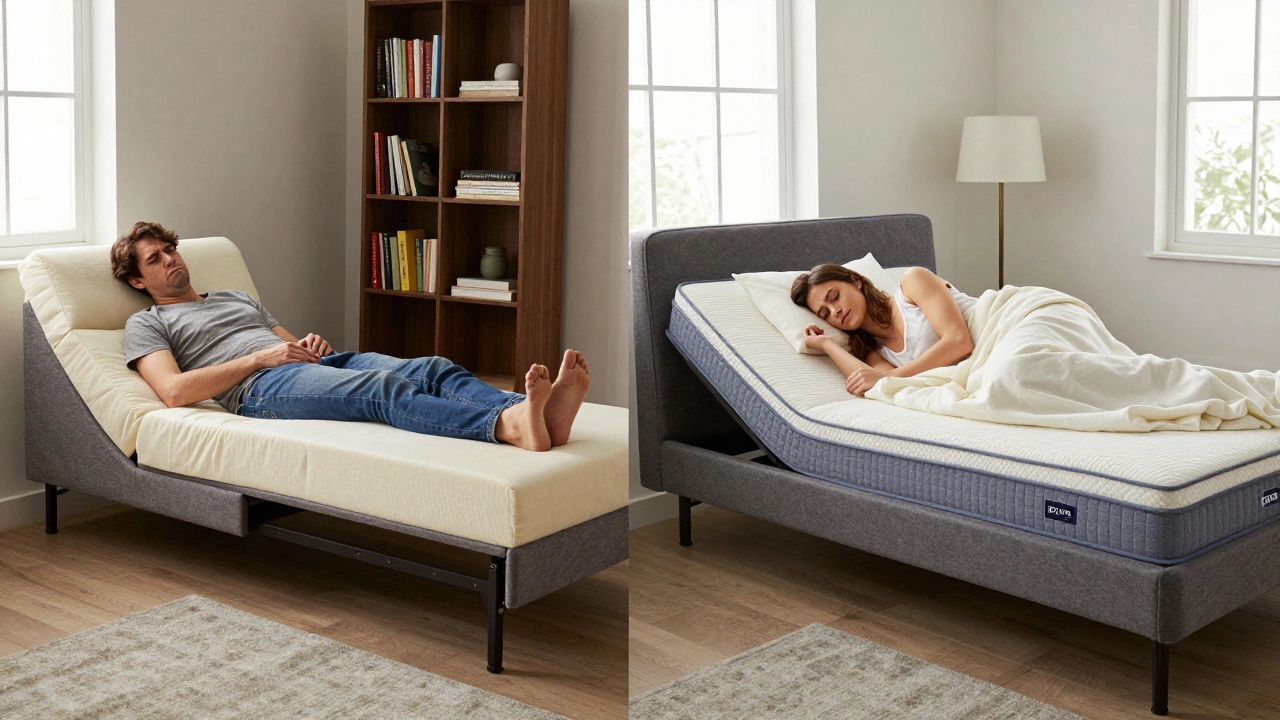
- You have chronic back pain or sleep on your side-soft or thin mattresses can make it worse.
- You move around a lot at night. Sofa beds don’t isolate motion like memory foam mattresses do.
Real-Life Experience: What People Actually Say
Reddit’s r/SmallSpaces community has over 12,000 threads about sofa beds. One user, Alex, shared: “I’ve slept on my sofa bed every night for 18 months. I upgraded from a 4-inch foam pad to a 7-inch hybrid with cooling gel. My back pain dropped by 70%. I still get compliments on how it looks during the day.”
Another, Maria, wrote: “I thought I’d love it. I didn’t. The mattress sinks too much in the middle. I wake up with hip pain. I switched back to a traditional bed after six months.”
These stories aren’t outliers. They reflect the two sides of the sofa bed coin: a well-made one can be life-changing. A cheap one becomes a source of daily frustration.
How to Make Your Sofa Bed More Comfortable
If you already own a sofa bed and it’s not cutting it, don’t toss it. Try these fixes:
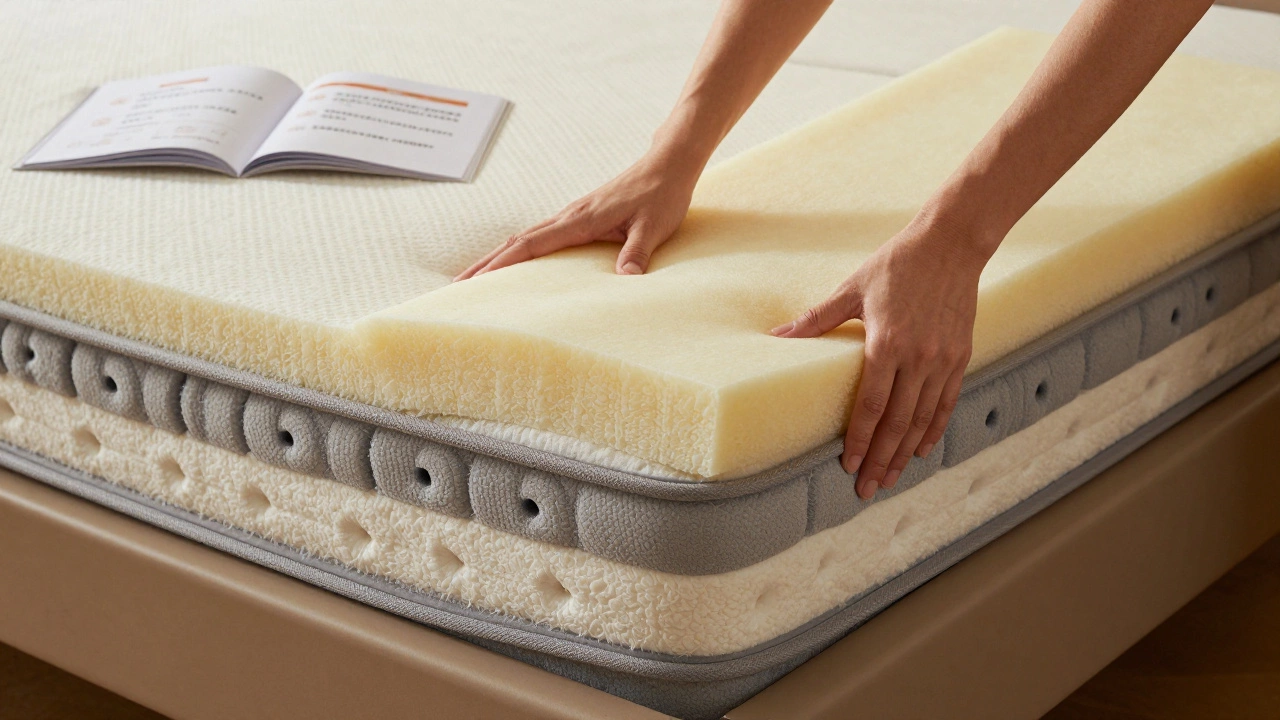
- Add a mattress topper: A 2-inch memory foam or latex topper adds cushioning and pressure relief. Look for one with a removable, washable cover.
- Use a bed frame riser: Elevating the sofa bed by 4-6 inches makes it easier to get in and out. It also improves airflow under the mattress.
- Rotate the mattress: Every 3-4 months, flip it end-to-end. This prevents uneven wear and sagging.
- Upgrade the frame: If the mechanism is clunky, consider a new sofa bed with a better hinge system. Some models now have hydraulic lifts that glide silently.
One study from the University of Michigan’s Sleep Lab found that adding a high-quality topper improved sleep efficiency by 31% in users who slept on sofa beds nightly.
What to Look for When Buying
Here’s a quick checklist for picking a sofa bed that lasts:
- Test it in person: Sit on it. Lie on it. Open and close it. If it feels wobbly or noisy, walk away.
- Check the warranty: Look for at least a 5-year warranty on the frame and a 1-year warranty on the mattress.
- Read reviews with photos: Look for users who’ve owned it for over a year. Pay attention to comments about back pain, sagging, or noise.
- Consider size: Queen-sized sofa beds are rare but worth it if you need the space. Twin and full are more common, but make sure you’re not cramped.
Top-rated models in 2025 include the Zinus Green Tea Memory Foam Sofa Bed (7-inch mattress, 10-year frame warranty) and the IKEA FRIHETEN (built-in storage, 8-inch mattress, easy pull-out).
The Bottom Line
Yes, a sofa bed can be comfortable for everyday use-if you choose the right one. It’s not a magic solution. But for people who need space-saving, budget-friendly, and stylish sleeping arrangements, it’s one of the smartest home furniture choices today. The key is investing in quality, not just price. A $400 sofa bed might seem like a steal, but if you’re losing sleep because of it, you’ve already paid too much.
Think of it like buying shoes. You wouldn’t wear cheap sneakers on a 10-mile hike. Don’t sleep on a cheap sofa bed every night. Choose one built for real use-and your body will thank you.
Can you sleep on a sofa bed every night?
Yes, you can sleep on a sofa bed every night if it has a thick, supportive mattress (at least 6 inches), a sturdy frame, and a smooth mechanism. Many people do it successfully, especially in small spaces. But if you have back pain, sleep on your side, or need a lot of space, a traditional mattress might be better.
Are sofa beds better than futons?
Generally, yes. Modern sofa beds have thicker, more supportive mattresses and better mechanisms than traditional futons, which often use thin cotton or foam layers that flatten over time. Sofa beds also tend to look more like regular sofas when closed, making them better for living room aesthetics.
How long does a sofa bed mattress last?
A quality sofa bed mattress lasts 5-8 years with daily use. Cheaper models (under $500) may sag or lose support in 2-3 years. Regular rotation and using a topper can extend its life. If you notice deep body impressions or feel the frame underneath, it’s time to replace it.
Do sofa beds get hot to sleep on?
Some do, especially if they have thick memory foam without cooling features. Look for models with gel-infused foam, breathable covers, or open-cell foam technology. Adding a cotton mattress pad or using a fan at night can also help regulate temperature.
Is it worth buying a sofa bed for guests only?
If you have guests once a year, maybe not. But if you have visitors monthly-or even weekly-a sofa bed is a practical investment. It saves money, space, and storage. Just make sure it’s easy to open and has a clean, fresh mattress cover for guests.