Foundation Severity & Cost Estimator
Enter details to receive a preliminary assessment.
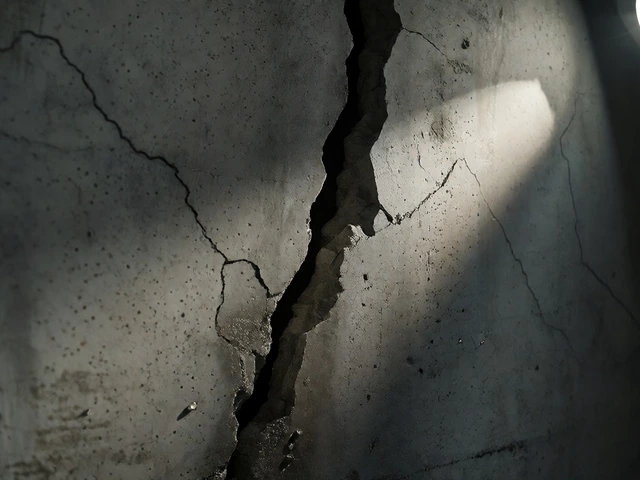
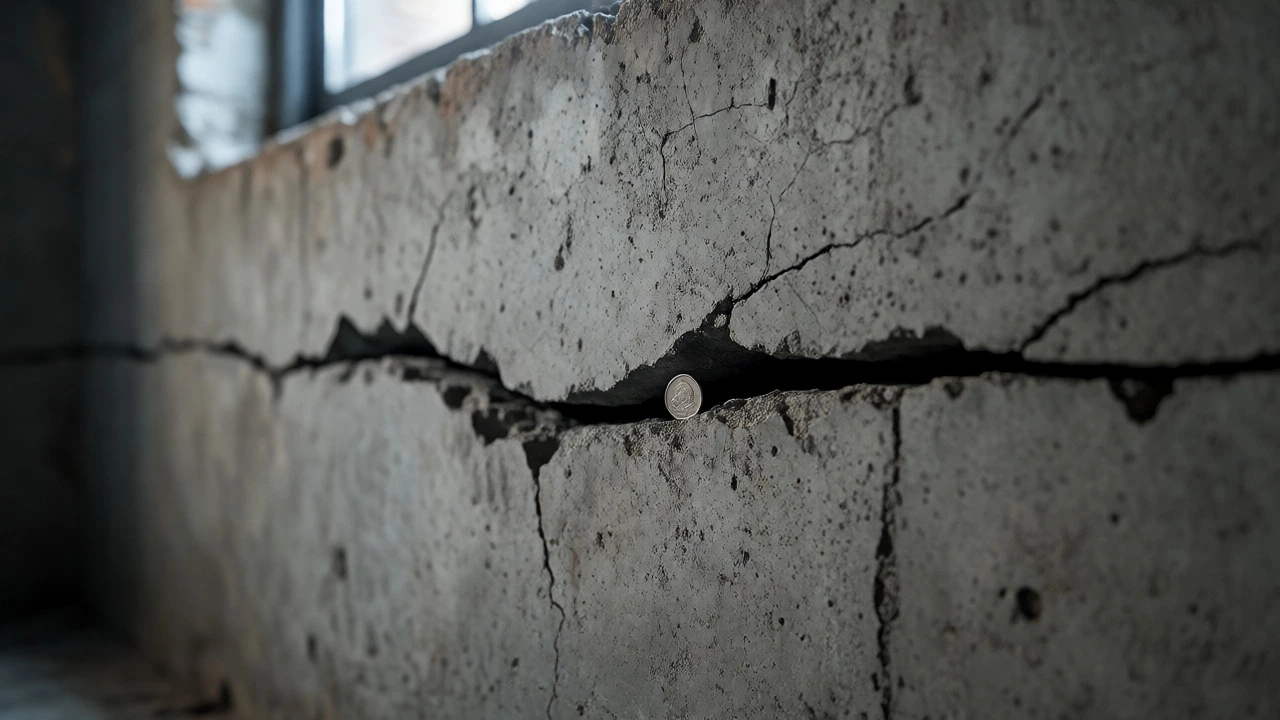
You notice a crack in your basement wall. It’s thin, maybe the width of a hair. You ignore it. Six months later, that same crack is wide enough to stick a dime into, and your front door no longer closes without a shove. Now you’re sweating. Is this just cosmetic settling, or are we talking major foundation repair? The difference between a $500 patch job and a $25,000 underpinning project often comes down to specific signs that most homeowners miss until it’s too late.
In Vancouver and the Pacific Northwest, where clay soils swell with rain and shrink during dry spells, foundations take a beating. But "major" isn’t just about how scary the crack looks. It’s about whether the structure has lost its ability to carry the load of the house safely. If you’re staring at your walls wondering if you need to call an engineer or just a handyman, here is exactly what separates minor settling from serious structural failure.
The Difference Between Cosmetic and Structural Cracks
Not every crack means your house is falling down. In fact, most concrete foundations have small cracks right after they cure. Concrete shrinks as it dries, creating tiny fissures that rarely affect stability. These are usually vertical or stair-step cracks less than 1/8 inch wide. They might let a little moisture in, but they don’t threaten the frame.
Structural Damage is defined by movement that compromises the integrity of the building's load-bearing elements. When the foundation shifts, sinks, or heaves significantly, it twists the wooden framing above it. This causes doors to jam, windows to stick, and floors to slope. If you see cracks wider than 1/4 inch, especially horizontal ones, you are likely dealing with structural issues that require professional assessment.
Think of it this way: cosmetic cracks are like wrinkles on skin; structural cracks are broken bones. One affects appearance, the other affects function. Here’s how to tell them apart quickly:
- Width: Hairline (cosmetic) vs. greater than 1/4 inch (structural).
- Direction: Vertical (often harmless) vs. Horizontal (high pressure/serious).
- Pattern: Random spiderwebbing (surface) vs. continuous diagonal lines (movement).
- Displacement: Flat surface (cosmetic) vs. one side higher than the other (settlement/heave).
Key Indicators That Your Repair Will Be Major
If you want to know if your repair will be major, look for these three red flags. They indicate that the soil beneath your home has failed, requiring more than just patching.
Horizontal Cracks in Basement Walls
This is the big one. A vertical crack happens because the concrete shrank. A Horizontal Crack is a sign of lateral earth pressure pushing against the foundation wall. As soil becomes saturated or freezes, it expands and pushes inward. If the wall bows out or buckles inward, the foundation is failing under stress. This almost always requires steel beams or carbon fiber straps to stabilize the wall before any waterproofing can happen. Ignoring this can lead to wall collapse.
Differential Settlement
Houses settle evenly sometimes, which is fine. Problems start when one corner sinks faster than the others. This is called differential settlement. You’ll spot it by using a long level on your floors. If there’s a gap of more than half an inch over a ten-foot span, your joists are twisting. This puts stress on pipes, electrical wiring, and the roof line. Fixing this isn’t just about filling a hole; it involves lifting the house back to level, which is complex engineering work.
Rotting Sill Plates and Rim Joists
In older homes, especially those built on stone or brick piers, the wood connecting the foundation to the house can rot. If water gets trapped between the masonry and the wood, the sill plate turns to mush. Once the connection point fails, the entire floor system loses support. Replacing rotted sill plates and adding new piers underneath is a labor-intensive process that qualifies as major repair because it requires jacking up sections of the house.
Common Causes Behind Major Foundation Failures
Understanding why it happened helps you prevent it from happening again. While age plays a role, external factors are usually the culprit.
| Cause | Mechanism of Failure | Typical Location |
|---|---|---|
| Expansive Clay Soil | Soil swells when wet, shrinks when dry, causing cyclical movement. | Basements and crawl spaces |
| Poor Drainage | Water pools near footing, softening soil and increasing hydrostatic pressure. | Exterior perimeter |
| Tree Root Intrusion | Roots extract moisture from soil, causing voids and subsidence. | Near large trees |
| Improper Grading | Ground slopes toward house, directing water to foundation. | All exterior walls |
In our region, expansive clay is a notorious troublemaker. It acts like a sponge. During winter rains, it holds water and expands, pushing up on slab foundations. In summer droughts, it shrinks, leaving gaps under the concrete. This constant up-and-down motion fatigues the concrete and breaks seals. If your home sits on heavy clay, you’re already at higher risk for major repairs compared to homes on sandy soil.
What Does Major Foundation Repair Actually Involve?
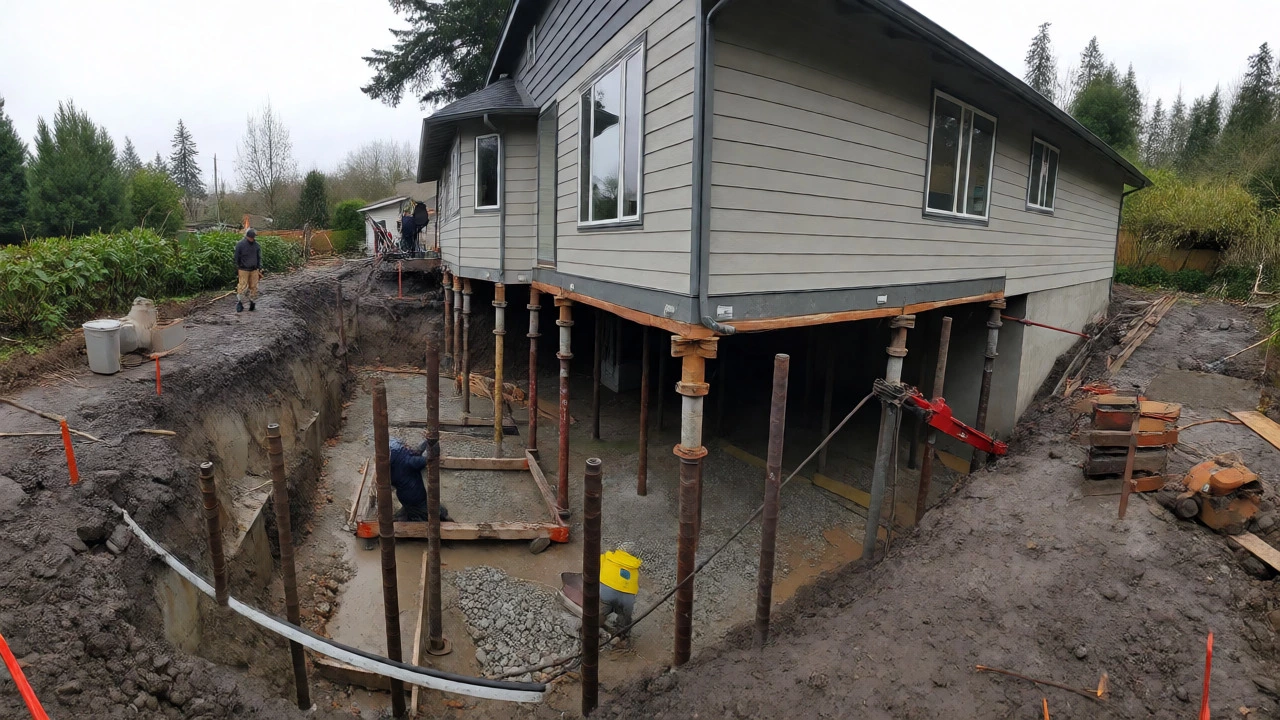
Once you’ve confirmed the issue is structural, what does the fix look like? Minor repairs involve epoxy injections or polyurethane foam to seal leaks. Major repairs involve stabilizing the structure itself. There are two main methods used today.
Steel Push Piers
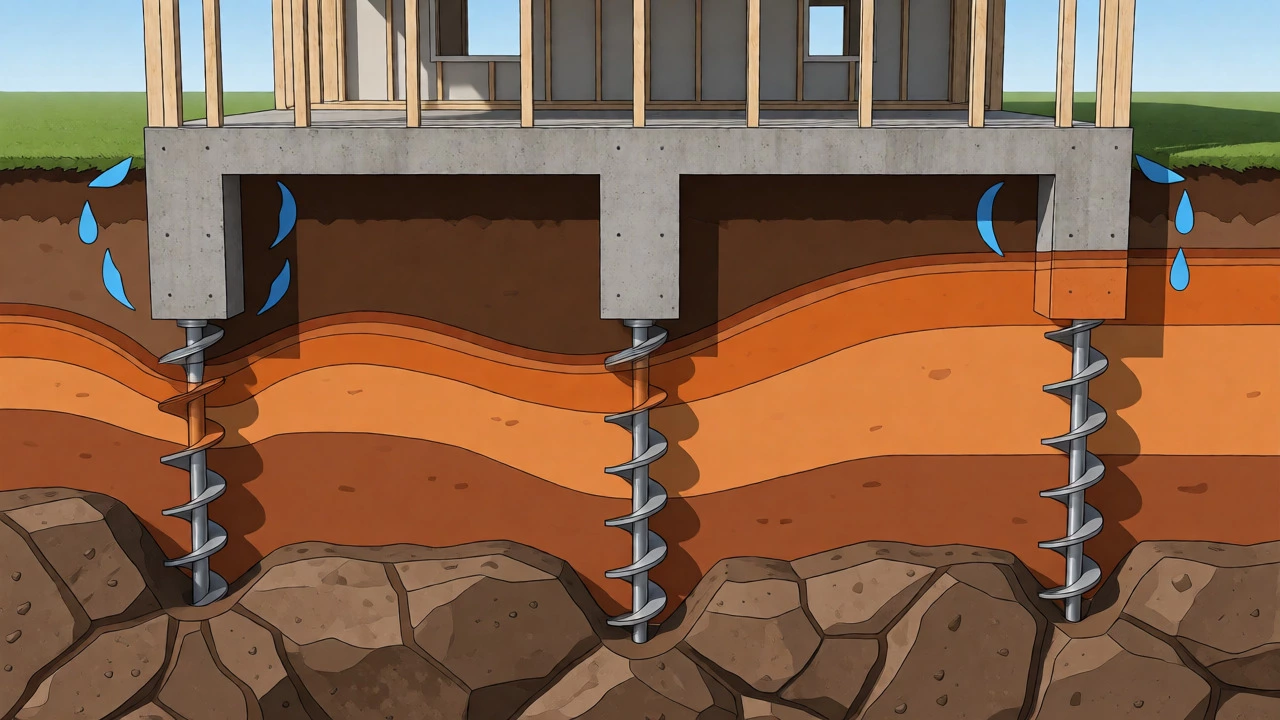
Push Piers are steel tubes driven deep into the ground until they reach bedrock or stable soil layers. Hydraulic jacks attach to the foundation and use the weight of the house to push the piers down. Once they hit solid ground, the house is lifted back to its original position. This method is preferred for heavier structures like brick homes or multi-story buildings. It’s invasive but permanent.
Helical Piers
These are screw-like steel shafts twisted into the earth. They don’t rely on the weight of the house to install, making them ideal for lighter structures or areas with limited access. Helical piers provide immediate load transfer. Because they can be installed year-round and don’t cause vibration, they’re popular in tight urban lots where excavation equipment can’t swing a hammer.
Both methods require excavation around the foundation, drilling, installation, and then re-grading. Expect the project to take anywhere from three days to two weeks, depending on the size of the home and the number of piers needed. You’ll also need to address interior finishes afterward-cracked drywall and uneven floors won’t fix themselves just because the foundation is stable.
Cost Breakdown: What Should You Budget?
Money talks. Knowing the range helps you evaluate quotes. Prices vary wildly based on location, accessibility, and severity, but here are realistic figures for 2026.
- Minor Patching: $500 - $1,500. Sealing cracks and basic drainage improvements.
- Slab Jacking/Mudjacking: $2,000 - $5,000. Lifting sunken concrete slabs with cement slurry.
- Single Pier Installation: $1,500 - $3,000 per pier. Includes materials and labor.
- Full Underpinning (Major): $15,000 - $40,000+. Installing multiple piers to lift and stabilize the entire house.
Why the huge range? Accessibility. If your crew needs to hand-dig trenches because a mini-excavator can’t fit through a narrow alleyway, labor costs skyrocket. Also, if you have a finished basement, you’ll pay extra for protection measures or removal/reinstallation of flooring. Always ask for a detailed scope of work. A low bid might exclude necessary drainage upgrades, leading to future problems.
When to Call a Structural Engineer
Should you trust the contractor who shows up with a free estimate? Not entirely. Contractors sell solutions; engineers diagnose problems. For anything you suspect is major, hire an independent structural engineer first. They will assess the severity, determine the root cause, and specify the required repair method. This report costs between $500 and $1,000 but saves you thousands by preventing unnecessary work or ensuring the right solution is chosen.
An engineer’s report is also crucial for insurance claims and real estate transactions. If you’re selling your home, buyers will demand proof that the foundation was professionally assessed and repaired. Without it, you might face price reductions or failed inspections.
Preventing Future Major Repairs
Once you’ve paid for major repairs, protect your investment. Maintenance is cheap compared to reconstruction.
- Gutter Maintenance: Clean gutters twice a year. Ensure downspouts extend at least six feet away from the foundation.
- Grading Check: Walk the perimeter of your home. The ground should slope away from the house. Add soil if necessary to correct negative grading.
- Tree Management: Remove large trees within 15 feet of the foundation. Their roots steal moisture and physically displace soil.
- Monitor Moisture: Use a dehumidifier in basements to control humidity, reducing mold risk and preserving structural wood.
Foundation issues rarely appear overnight. They evolve. Catching them early keeps them minor. Waiting until doors stick and cracks widen guarantees a major bill. Keep an eye on your home’s envelope, maintain proper drainage, and don’t hesitate to get expert eyes on suspicious changes. Your wallet-and your peace of mind-will thank you.
How much does major foundation repair cost?
Major foundation repairs typically range from $15,000 to $40,000 or more, depending on the method used (such as steel piers or helical piles), the size of the home, and local labor rates. Simple crack sealing costs far less, but structural stabilization involving lifting and underpinning drives the price up due to heavy machinery and specialized labor requirements.
Is foundation repair covered by homeowners insurance?
Generally, no. Standard homeowners insurance policies cover sudden accidents like burst pipes damaging the foundation, but they exclude gradual wear and tear or soil movement (subsidence). However, if a plumbing leak caused the soil erosion, some policies may cover the resulting damage. Always check your specific policy details and consider separate foundation insurance if available in your area.
Can I live in my house during major foundation repair?
Yes, in most cases. Modern techniques like push piers and helical piers are designed to minimize disruption. You might experience noise, dust, and temporary loss of utilities if plumbing lines are adjusted, but total evacuation is rarely necessary unless the structural instability is extreme or interior renovations are part of the package.
How long do major foundation repairs last?
When performed correctly with steel piers anchored to bedrock or stable strata, foundation repairs can last the lifetime of the structure. Many contractors offer warranties ranging from 10 years to lifetime transferable warranties. Regular maintenance of drainage systems is key to ensuring longevity.
What is the difference between mudjacking and piering?
Mudjacking (or slab jacking) involves pumping a cement mixture under a sunken slab to lift it. It is cheaper and faster but addresses symptoms rather than causes. Piering installs steel supports deep into stable soil to permanently stabilize the foundation. Mudjacking is suitable for sidewalks and patios, while piering is recommended for structural house foundations.