2026 Kitchen Remodel Budget Estimator
Select your project details below to get a realistic cost range in CAD. This tool accounts for cabinets, countertops, appliances, labor, and a standard contingency fund.
Project Details
Enter details and click Calculate to see your projected budget breakdown.
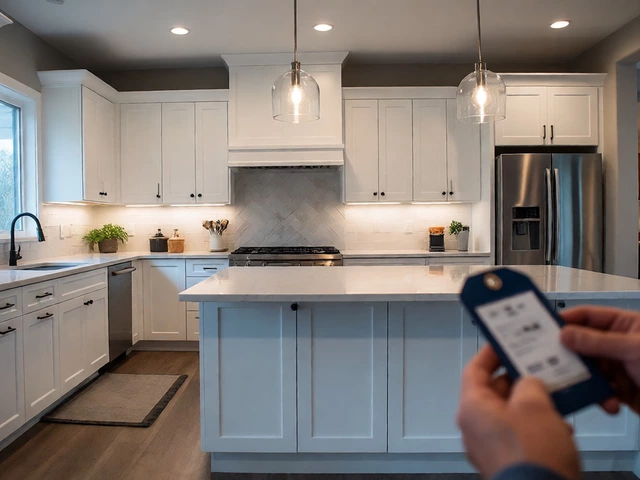
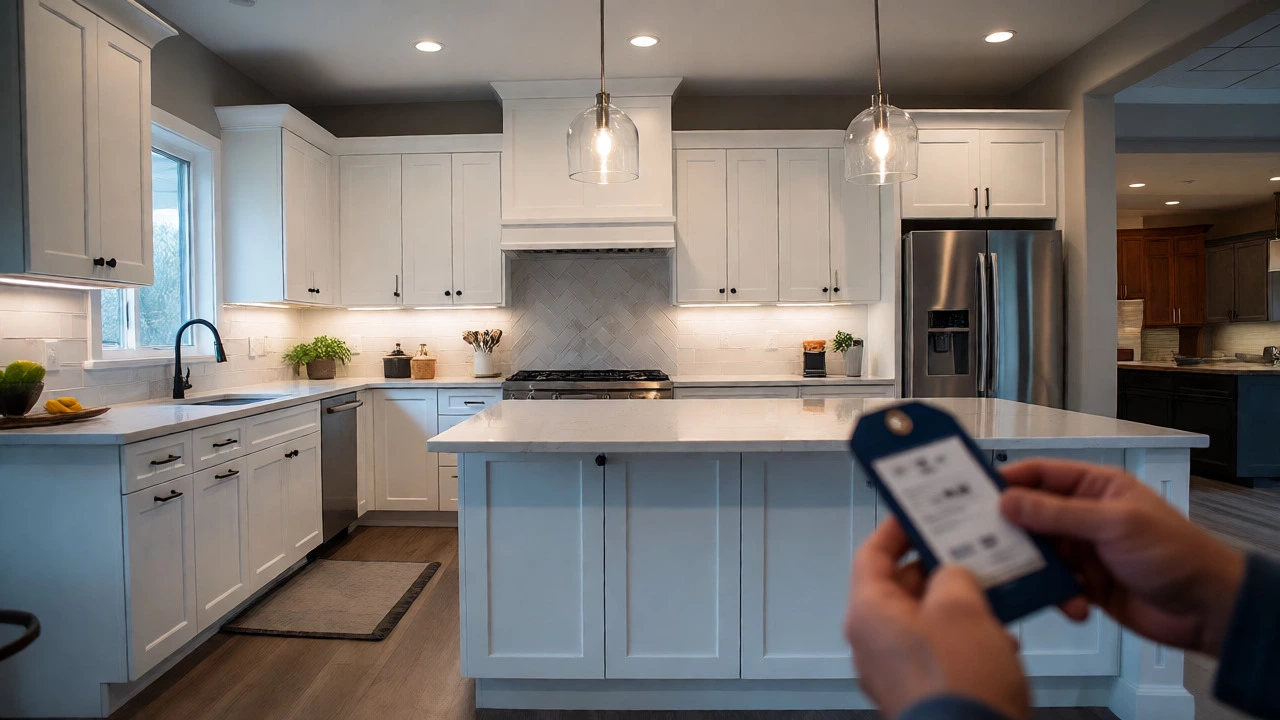
You walk into a showroom, see a stunning white shaker cabinet setup with quartz islands, and ask the salesperson, "How much for this?" They give you a number. You go home, look at your bank account, and wonder if they made a typo. Or worse, you start tearing out old cabinets only to find rot behind the drywall, and suddenly your "budget" is gone before you’ve even bought a single handle.
Here’s the truth: there is no single price tag for a kitchen remodel. It’s a range that shifts based on size, materials, and how deep you’re willing to dig into the walls. But you can stop guessing. By breaking down the specific costs of cabinets, labor, and appliances, we can build a realistic picture of what you’ll actually spend in 2026.
The Big Picture: Tiers of Spending
Most homeowners fall into one of three buckets. Understanding which bucket you’re in saves you from overpaying or under-budgeting. According to recent data from the National Association of Realtors and local contractor surveys in major metros like Vancouver and Toronto, these are the typical ranges for a standard 10x10-foot kitchen update:
| Tier | Cost Range (CAD) | What You Get | Who This Is For |
|---|---|---|---|
| Budget / Refresh | $15,000 - $30,000 | Cabinet refacing/painting, laminate countertops, keeping existing layout and plumbing. | First-time buyers or those prepping for sale. |
| Mid-Range | $40,000 - $75,000 | New custom or semi-custom cabinets, quartz/granite counters, new appliances, minor layout tweaks. | Families wanting a functional upgrade without moving walls. |
| High-End | $80,000 - $150,000+ | Full gut, structural changes, high-end wood cabinets, smart appliances, premium flooring, custom lighting. | Long-term owners seeking luxury and resale value. |
Notice the gap between mid-range and high-end? That’s where structural changes live. If you’re just swapping surfaces, you stay in the lower tiers. If you’re moving the sink or adding an island where none existed, you’re entering the higher tier because you’re paying for plumbing, electrical, and carpentry labor, not just pretty things.
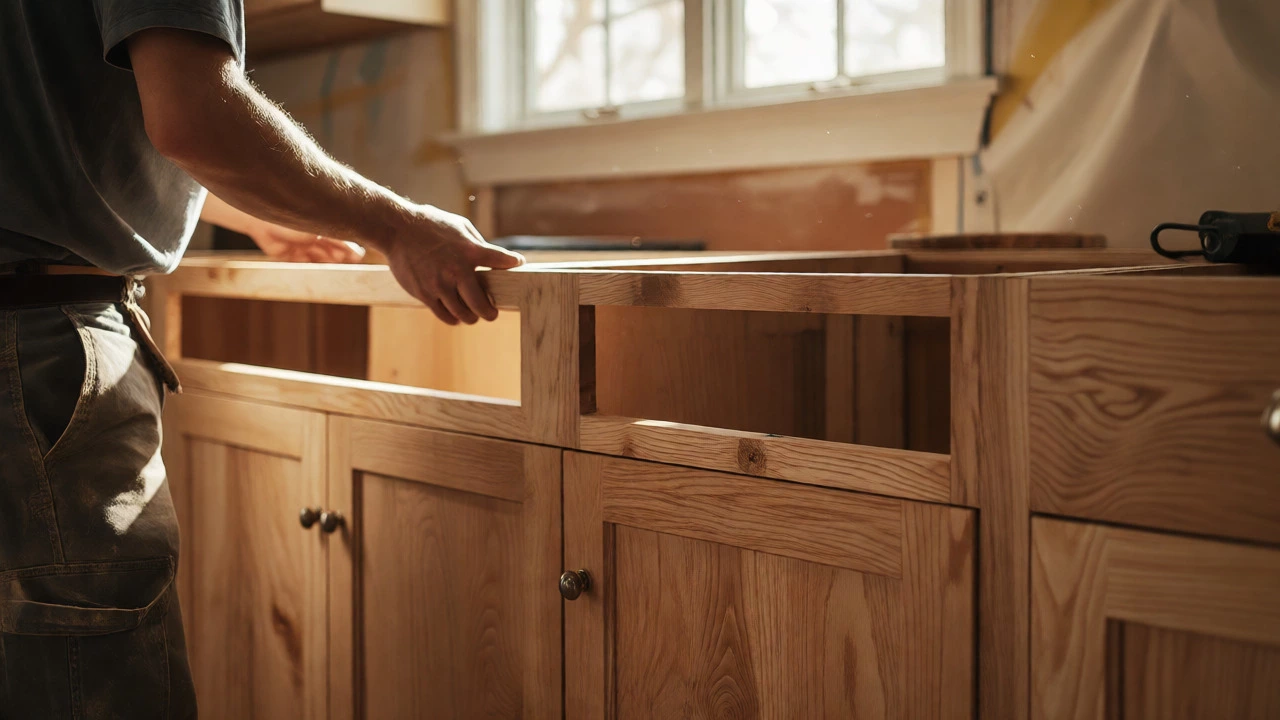
Cabinets: The Biggest Line Item
If you take nothing else from this article, remember this: cabinets usually consume 30% to 50% of your total budget. Why so high? Because they’re the visual anchor of the room and require precise craftsmanship.
You have three main options here, each with a different price-to-value ratio:
- Stock Cabinets: These come in fixed sizes (e.g., 30-inch wide). They’re affordable ($3,000-$6,000 for a small kitchen) but limit your design flexibility. If your walls aren’t perfectly straight, you’ll need filler strips, which look cheap if done poorly.
- Semi-Custom Cabinets: You choose dimensions within a range, door styles, and finishes. This is the sweet spot for most mid-range remodels ($8,000-$15,000). You get better fit and quality without the bespoke price tag.
- Custom Cabinets: Built to the exact inch by a local carpenter or high-end manufacturer. Prices soar here ($15,000-$30,000+), but you maximize every cubic foot of storage and achieve a seamless look.
A common mistake? Buying expensive cabinets and then skimping on hardware. Cheap hinges break after two years. Spend a little extra on soft-close mechanisms and sturdy handles; it makes the whole kitchen feel more expensive than it is.
Countertops and Backsplash: Where Style Meets Durability
Once the cabinets are set, you need surfaces. Countertops typically run 10% to 15% of the budget. In 2026, quartz remains the dominant choice for its durability and low maintenance, costing roughly $60-$100 per square foot installed. Granite is still popular but requires sealing. Marble looks luxurious but etches easily-great for a coffee bar, bad for a busy prep zone.
Backsplashes seem like a small detail, but they add up quickly. A simple ceramic tile backsplash might cost $10 per square foot, while handmade zellige tiles can hit $40-$60 per square foot due to material cost and the skilled labor required to install them unevenly. Factor in at least $1,500-$3,000 for a standard backsplash area if you want something beyond basic subway tile.
Labor and Professional Fees: The Invisible Cost
This is where DIY enthusiasts often get burned. Labor accounts for 20% to 30% of the project. In Canada, certified tradespeople charge hourly rates that reflect their licensing and insurance. Here’s what you’re paying for:
- General Contractor: Typically charges 10%-20% of the total project cost to manage subcontractors, permits, and timelines.
- Plumber: Moving a sink or dishwasher isn’t just about pipes; it’s about code compliance. Expect $1,500-$3,000 for minor moves, significantly more for major relocations.
- Electrician: New outlets, under-cabinet lighting, and dedicated circuits for appliances. Code requires GFCI protection near water sources. Budget $1,000-$2,500 depending on complexity.
- Tiler/Floorer: Proper subfloor preparation is critical. If your floor isn’t level, tiles will crack. Labor alone can be $5-$10 per square foot.
Do not try to save money by hiring unlicensed handyman services for plumbing or electrical work. If something goes wrong, you’ll pay double to fix it, and you might void your home insurance coverage during the claim process.
Appliances and Fixtures: Don’t Forget the Hidden Extras
People often forget that installing new appliances requires matching connections. If you’re switching from electric to gas cooktop, you need a gas line installation. If you’re buying a French-door fridge, check if your doorway width allows it to pass through.
Appliance packages vary wildly. A reliable mid-tier package (fridge, range, dishwasher, microwave) runs $4,000-$7,000. High-end brands like Sub-Zero or Wolf can push that number past $15,000. And don’t ignore fixtures. A quality faucet isn’t just about looks; it’s about ease of cleaning and longevity. Budget $300-$800 for a good faucet, plus another $200-$500 for disposal units and filtration systems if you want them.
The Contingency Fund: Your Safety Net
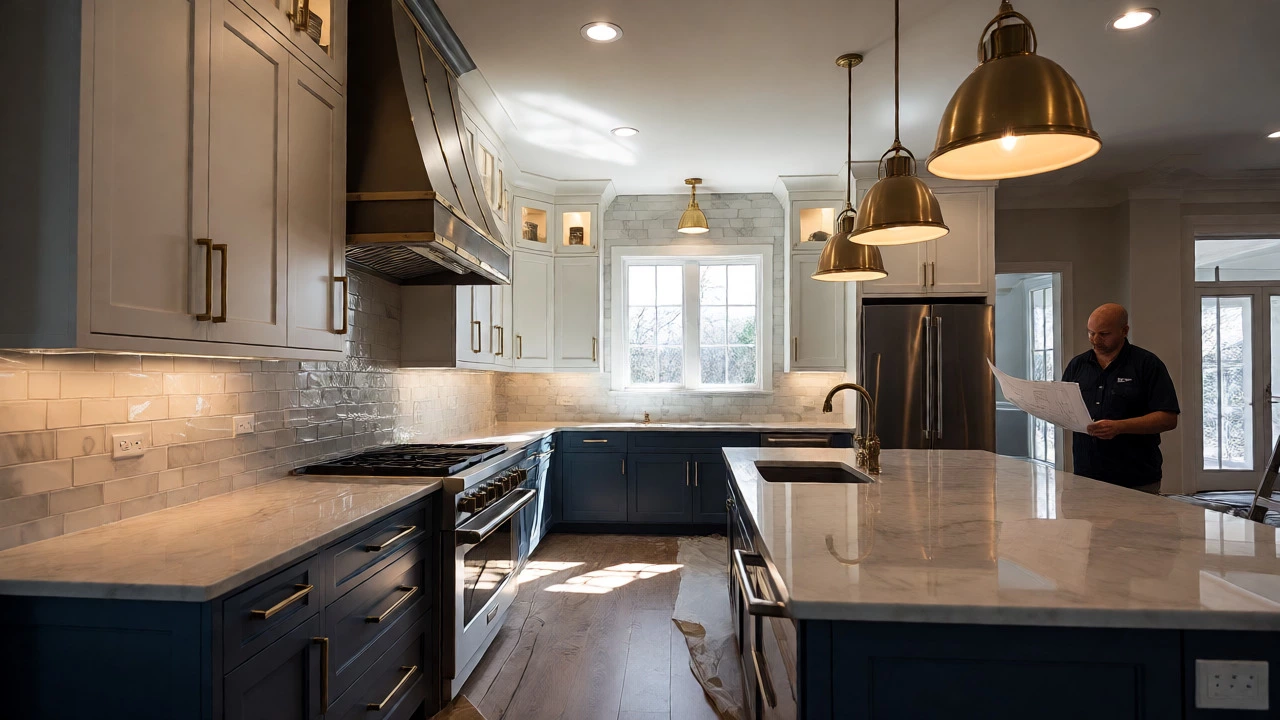
Every remodel has surprises. Old wiring, asbestos tiles, or unexpected plumbing issues. Industry standard advice is to set aside 15% to 20% contingency fund. If your budget is $50,000, keep $7,500-$10,000 untouched until the end. This isn’t for upgrades you decide on halfway through (though you’ll want to); it’s for when you open a wall and find mold.
If you finish under budget, great-you can buy better stools or save for landscaping. But if you don’t have this buffer, you’ll either cut corners on quality or face a financial strain that ruins the enjoyment of your new space.
How to Keep Costs Down Without Losing Quality
You don’t have to sacrifice style to stay in budget. Here are practical ways to trim costs:
- Keep the Layout: Moving plumbing and gas lines is expensive. If your current flow works, keep the sink, stove, and fridge in place.
- Refinish Instead of Replace: If your cabinet boxes are solid wood, painting or refinishing them can cost half as much as replacing them entirely.
- Choose Standard Sizes: Custom orders lead to delays and higher prices. Stick to standard cabinet depths and heights where possible.
- Shop Off-Peak: Contractors are often cheaper in late winter (January-February) when demand dips. You might negotiate better rates.
Does a kitchen remodel increase home value?
Yes, but not always dollar-for-dollar. Mid-range remodels typically recoup about 60-70% of their cost upon resale. High-end renovations may recover less percentage-wise but attract buyers faster in competitive markets. Focus on durable, neutral choices if resale is your primary goal.
How long does a kitchen remodel take?
A standard mid-range remodel takes 4 to 8 weeks. Delays often come from supply chain issues with cabinets or appliances. High-end projects involving structural changes can take 3 to 6 months. Always build extra time into your schedule for unexpected discoveries.
Can I do a kitchen remodel myself?
You can handle demolition, painting, and fixture installation. However, electrical, plumbing, and cabinet installation are best left to professionals. Mistakes in these areas can cause water damage or fire hazards, costing far more to fix later than saving now.
What is the most expensive part of a kitchen remodel?
Cabinetry is consistently the highest cost, followed by labor. Appliances and countertops follow. Structural changes (moving walls or plumbing) can also become very expensive if not planned early.
Should I hire a designer or a contractor first?
For complex layouts, hire a designer first to create plans and specifications. This helps contractors provide accurate bids. For simple refreshes, you can consult directly with a reputable general contractor who offers design-build services.