Roofing Professional Identifier
Select your project type or role description below to find the correct professional title and understand their responsibilities.
Common Job Titles & Roles
Roofer
General TermA roofer is a skilled tradesperson who specializes in the installation, repair, and maintenance of roofs. This is an umbrella term that covers everyone from the apprentice hauling tarps to the master craftsman designing complex slate patterns.
Typical Tasks:
- Installing underlayment and shingles
- Basic flashing installation
- Debris removal and cleanup
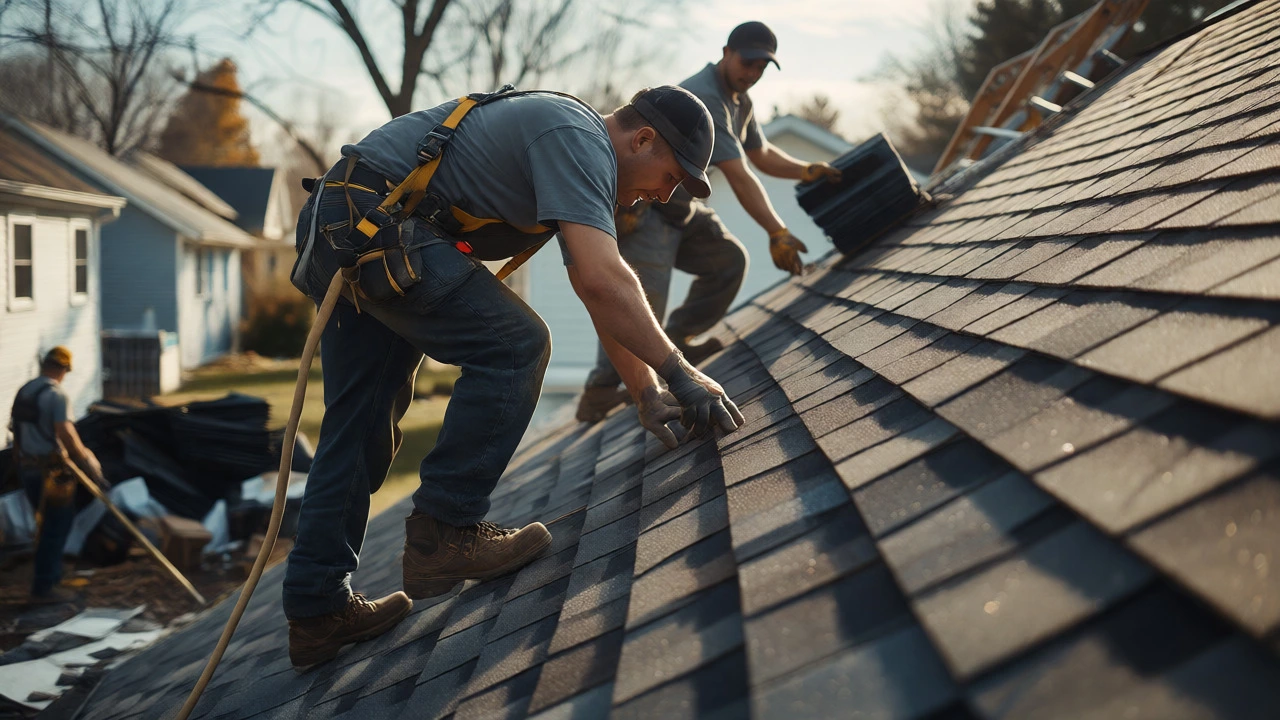
You are standing in your driveway, watching a crew tear off old shingles. One guy is hauling bundles up a ladder, another is hammering nails with rhythmic precision, and someone on the ground is organizing materials. You wonder: what do you actually call these people? Is it "roofer"? "Shingler"? Or something else entirely?
The short answer is that roofer is the most common term for anyone who installs, repairs, or maintains roofs. But the reality is more nuanced. Depending on their specific role, location, and union status, you might hear terms like "shingler," "sheet metal worker," or "roofing mechanic." Knowing the right terminology helps you hire the right person, understand quotes, and communicate effectively with your contractor.
The Core Term: Who Is a Roofer?
A roofer is a skilled tradesperson who specializes in the installation, repair, and maintenance of roofs. This is an umbrella term that covers everyone from the apprentice hauling tarps to the master craftsman designing complex slate patterns. In North America, including here in Vancouver, this is the standard job title used by unions, licensing boards, and homeowners alike.
Why does this matter? Because not all roofers do the same work. A residential roofer might spend their day installing asphalt shingles on suburban homes, while a commercial roofer could be welding modified bitumen membranes on a high-rise office building. The skills overlap, but the tools and techniques differ significantly. When you search for services, specifying "residential roofer" versus "commercial roofing contractor" filters out irrelevant results immediately.
If you are looking at job postings or contracts, you will often see "Roofing Contractor" used interchangeably with "Roofer." However, a contractor usually refers to the business owner or the licensed entity responsible for the project, whereas a roofer is the individual performing the labor. Many contractors start as roofers themselves, so the lines blur, but legally, they carry different liabilities.
Specific Roles Within the Crew
Walking around a job site, you will notice distinct roles. These aren't just made-up titles; they reflect actual skill levels and responsibilities defined by trade organizations like the National Roofing Contractors Association (NRCA) in the US or the Roofing Contractors Association of British Columbia (RCABC) here in Canada.
- Roofing Apprentice: This is someone learning the trade. They typically handle prep work-cleaning gutters, removing debris, and assisting senior roofers. Apprenticeships usually last three to four years and combine on-the-job training with classroom instruction.
- Journeyman Roofer: After completing an apprenticeship and passing certification exams, a roofer becomes a journeyman. This title signifies they can work independently without supervision. They possess the full range of skills required for standard installations.
- Master Roofer: This is the top tier. Master roofers have years of experience beyond the journeyman level and often pass additional rigorous exams. They are qualified to train apprentices and oversee complex projects. In some jurisdictions, only master roofers can pull certain permits.
- Sheet Metal Worker: While technically a separate trade, sheet metal workers frequently collaborate with roofers. They install flashing, drip edges, and metal valleys. If your quote includes "custom flashing," you are likely dealing with a sheet metal specialist or a roofer with specialized metalwork training.
Material-Specific Terminology
Sometimes, the name changes based on the material being installed. This isn't just slang; it reflects specialized equipment and safety protocols.
Shingler is a colloquial term for a roofer who primarily installs asphalt shingles. It’s widely understood but rarely appears on official business cards. If you hire a "shingler," expect asphalt products. If you need clay tiles or cedar shakes, you need a specialist.
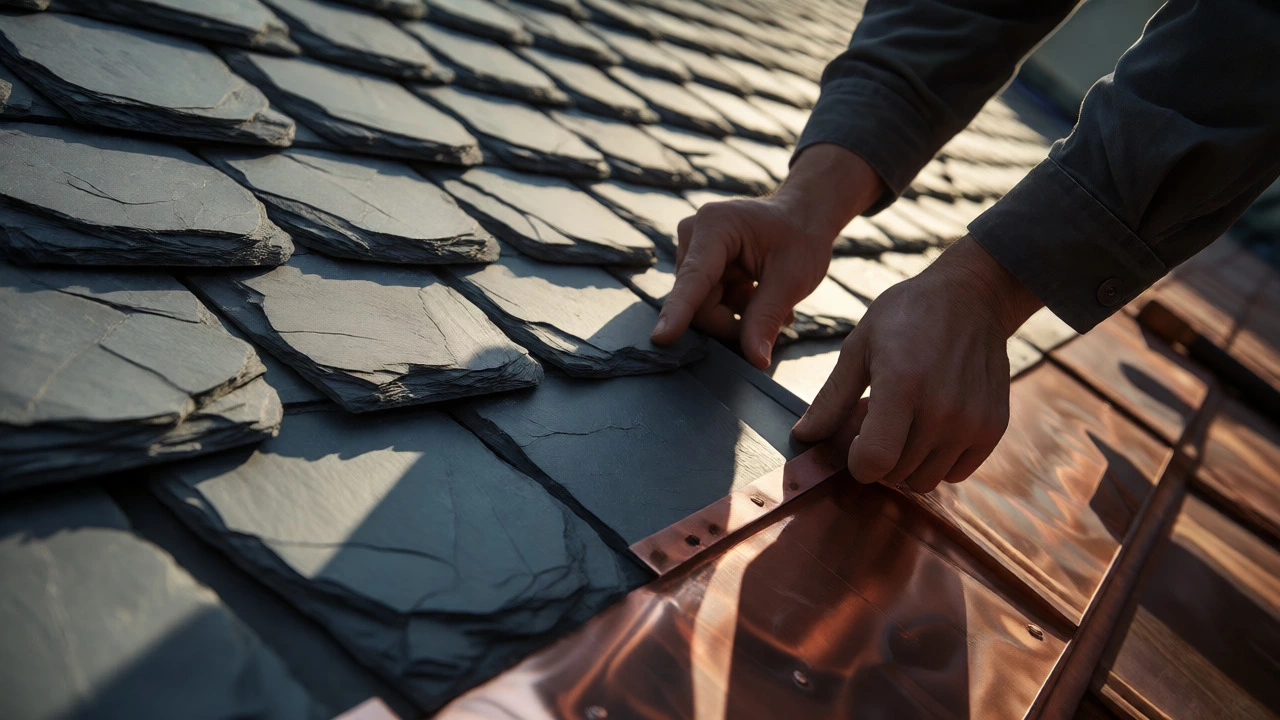
Slate Mason or Tiler refers to workers who install natural stone or ceramic tiles. Slate installation is heavy, dangerous, and requires cutting each piece to fit. A general roofer might charge double for slate work because of the extra time and skill involved. Mistaking a shingler for a slater can lead to disastrous results-improperly cut slate cracks under foot traffic within months.
Flat Roof Specialist or Membrane Installer handles low-slope roofs using EPDM rubber, TPO, or modified bitumen. These systems require heat-welding machines or chemical adhesives rather than hammers and nails. If you have a garage or commercial building with a flat roof, calling a standard shingle installer might result in leaks because they lack the specific training for membrane seams.
Regional and Industry Variations
Language shifts across borders and industries. In the UK, you might hear "roofer" or "slater." In Australia, "tiler" is common even for concrete tile roofs. Here in Canada, the term "roofing contractor" dominates consumer-facing marketing, while "roofer" remains the internal industry term.
| Title | Primary Focus | Skill Level | Typical Tasks |
|---|---|---|---|
| Roofer | General Installation & Repair | Varies (Apprentice to Master) | Shingles, underlayment, basic flashing |
| Roofing Contractor | Project Management & Licensing | Business Owner / Licensed Pro | Estimates, permits, hiring crews |
| Sheet Metal Worker | Metal Components | Specialized Trade | Flashing, gutters, metal valleys |
| Slate Mason | Natural Stone Tiles | High Skill / Specialist | Cutting, laying, and sealing slate |
| Flat Roof Specialist | Low-Slope Membranes | Specialized Trade | Welding seams, applying adhesives |
Why Using the Right Terms Saves You Money
Imagine you need a chimney repaired. You call a "roofer." They show up, look at the brickwork, and say, "I can patch the flashing, but I don't do masonry." You’ve wasted a trip fee. If you had called a "chimney sweep" or "mason," you’d have gotten the right help instantly.
Similarly, if you ask for a "roofing contractor" when you just need a single shingle replaced, you might get a quote for $500 because the company has minimum service fees. Asking for a "local roofer" or checking platforms where independent journeymen list services might yield a $150 fix. Understanding the hierarchy helps you match the scale of your problem to the size of the provider.
Furthermore, insurance claims often require specific terminology. If your policy covers "wind damage to asphalt shingles," but your claim says "roof leak," adjusters might deny it for being vague. Using precise terms like "blown-off shingles" or "failed flashing" speeds up approvals.
Hiring Tips: What to Ask Your "Roofer"
Once you know the names, use them to vet candidates. Don’t just ask, "Are you a roofer?" Ask:
- Are you a licensed roofing contractor? Verify their license number with local authorities. In BC, check the Better Business Bureau or provincial registries.
- Do you employ journeymen or subcontractors? Subcontractors mean less direct control over quality. Journeymen are trained employees.
- Who handles the sheet metal work? If the roofer doesn’t do it, who does? Ensure they coordinate with the sheet metal worker to avoid finger-pointing later.
- Is the crew insured? Roofing is dangerous. Falls are common. Ensure both the contractor and any sub-trades have valid liability and workers' compensation coverage.
Remember, a good roofer will explain their process clearly. If they use jargon you don’t understand, ask them to define it. Transparency is a hallmark of professional craftsmanship.
Is there a difference between a roofer and a roofing contractor?
Yes. A roofer is typically an individual worker who performs the physical labor of installing or repairing roofs. A roofing contractor is a licensed business entity or individual responsible for managing the entire project, including hiring roofers, obtaining permits, and ensuring code compliance. Often, the contractor owns the company, while roofers are their employees.
What is a shingler?
A shingler is an informal term for a roofer who specializes in installing asphalt shingles. While not an official job title, it is commonly used in conversation to distinguish workers who focus on steep-slope residential roofs from those who handle flat roofs or metal roofing.
Do roofers also fix chimneys?
Not always. Roofers typically handle the flashing-the metal seal around the base of the chimney-to prevent water intrusion. However, structural repairs to the chimney itself, such as repointing mortar or replacing bricks, are usually done by a mason or chimney specialist. Always clarify who is responsible for which part of the repair.
What qualifications should a professional roofer have?
Professional roofers should hold relevant certifications, such as manufacturer-specific training (e.g., GAF Certified) and local trade licenses. In many regions, becoming a journeyman requires completing a multi-year apprenticeship and passing competency exams. Insurance coverage for liability and workers' compensation is also mandatory.
Why are there different names for roof workers?
Different names reflect specialization, skill level, and regional dialects. Terms like "slate mason" indicate expertise with heavy, fragile materials, while "flat roof specialist" denotes knowledge of membrane systems. Union structures also create tiers like "apprentice" and "journeyman," which signify progression through the trade.