Interior Design Path Finder
Answer a few questions to see which educational route matches your ambitions.
Your personalized path description will appear here.
Key Focus Areas:
Recommended Software:
Key Takeaways for Your Education Path
- Bachelor's Degrees are essential for those wanting to be licensed professionals (Interior Designers).
- Associate Degrees provide a faster route into the workforce, focusing on technical skills.
- Certifications are great for those pivoting careers or focusing on interior decorating.
- CIDA accreditation is the gold standard for ensuring your degree is recognized by industry employers.
The Bachelor's Degree: The Full Professional Route
If you want the title of "Interior Designer" and the ability to sign off on technical drawings, a Bachelor's degree is your best bet. This is a comprehensive program that blends creativity with rigorous technical training. You won't just be studying color wheels; you'll be diving into Building Codes, structural integrity, and fire safety regulations.
Most high-end firms in cities like Vancouver or New York look for a degree from a CIDA (Council for Interior Design Accreditation) accredited program. Why does this matter? Because it proves you've been trained in the industry's current standards. In these programs, you'll spend a lot of time learning how to use AutoCAD and Revit, which are the software engines that actually build the modern world.
A Bachelor's degree usually takes four years and covers a massive range of subjects. You'll take classes in lighting design, sustainable materials, and textile science. This path is the most expensive and time-consuming, but it opens doors to commercial design, such as hotels or hospitals, where safety laws are incredibly strict.
Interior Architecture: The Technical Powerhouse
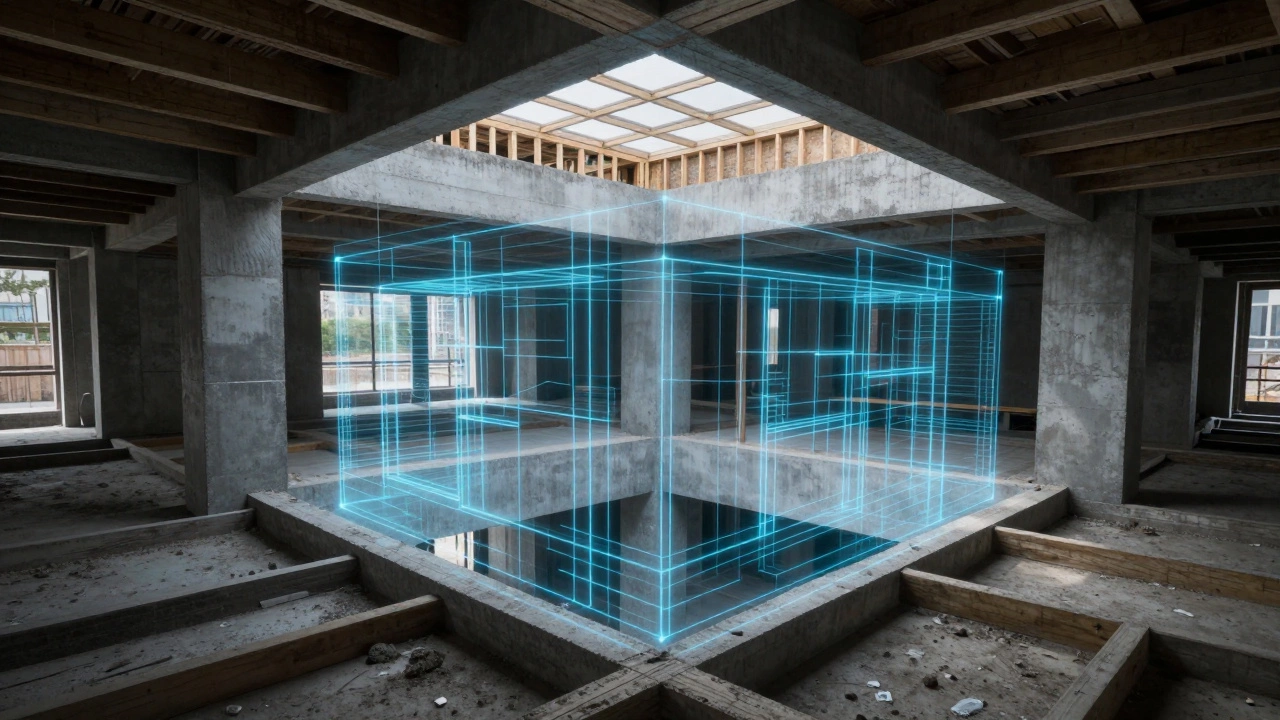
You'll often see degrees labeled as Interior Architecture. While it sounds similar to interior design, it's a bit more focused on the 'bones' of the building. Think of it as the middle ground between a full architecture degree and interior design.
In an Interior Architecture program, you focus more on the structural changes. If you're the kind of person who looks at a room and immediately thinks about knocking down a load-bearing wall or adding a skylight, this is your lane. These degrees prioritize spatial geometry and the relationship between the building's exterior and its interior flow. It's a high-value degree because it allows you to speak the same language as the architects and engineers on a construction site.
Associate Degrees: The Fast Track
Not everyone wants to spend four years and tens of thousands of dollars in a classroom. An Associate degree, typically a two-year program, focuses on the practical, "hands-on" side of the business. You'll learn the basics of drafting, color theory, and how to manage a project budget.
This is a great option if you want to get into the workforce quickly. Many designers start with an Associate degree, work as a junior designer for a few years, and then let their employer pay for them to finish their Bachelor's degree later. It's a smart way to test the waters without committing to a massive student loan. However, be aware that you might hit a ceiling in your career advancement at larger corporate firms if you don't eventually get a full degree.
Certificates and Diplomas: The Decorator's Path
Let's be honest: some people just love the visual side of the job. They don't want to learn about HVAC systems or plumbing layouts; they want to curate a mood. This is where Interior Decorating certifications come in.
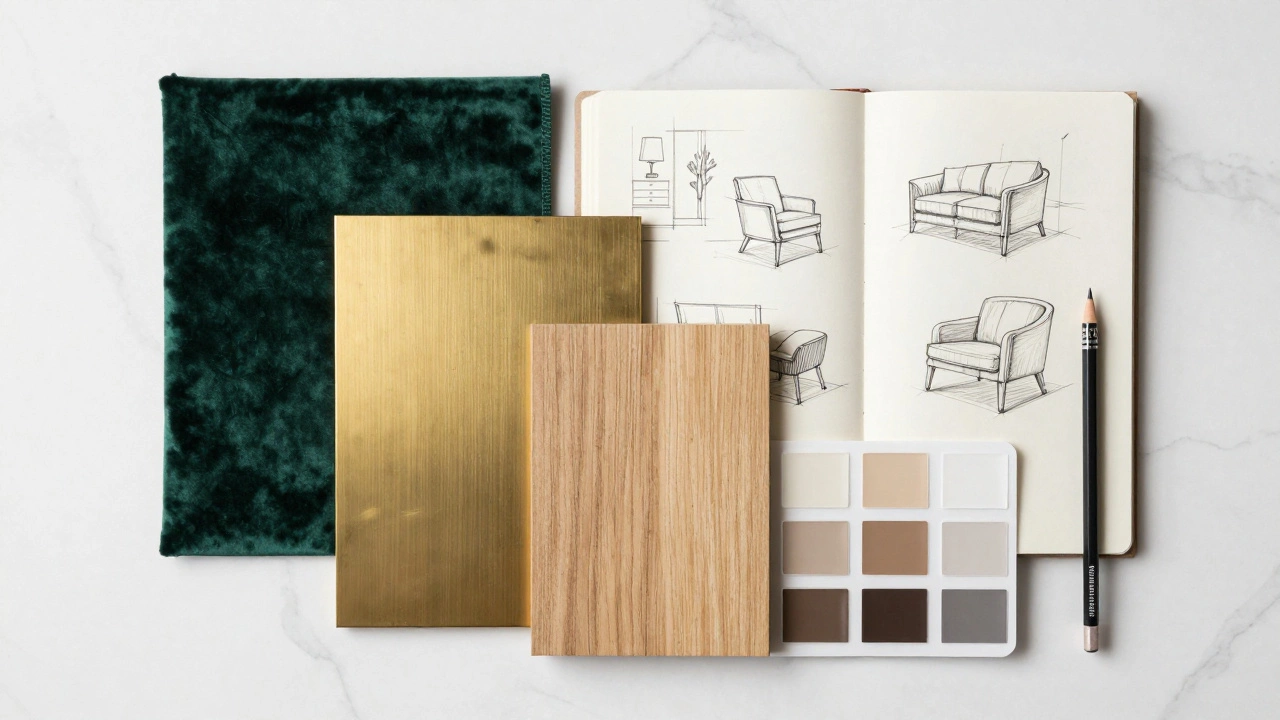
Decorating is different from design. A decorator focuses on the surface-furniture, paint, fabrics, and art. Certificates are often shorter, lasting from a few months to a year. They are perfect for entrepreneurs who want to start their own small business or for people changing careers later in life. While you can't legally call yourself an "Interior Designer" in some regions without a degree, you can absolutely be a successful and high-earning interior decorator with a certification and a killer portfolio.
| Path | Duration | Primary Focus | Career Goal | Cost |
|---|---|---|---|---|
| Bachelor's Degree | 4 Years | Technical + Aesthetic | Licensed Designer / Commercial | High |
| Interior Architecture | 4-5 Years | Structural + Spatial | Architectural Specialist | High |
| Associate Degree | 2 Years | Practical Skills | Junior Designer / Residential | Medium |
| Certification | Months-1 Year | Aesthetics & Curation | Interior Decorator / Freelancer | Low |
Which Path Should You Actually Choose?
To figure out the best interior design degree for you, you need to ask yourself where you want to work. If you picture yourself in a high-rise office designing a 50-story corporate headquarters, you need a Bachelor's degree. You'll be dealing with NCIDQ (National Council for Interior Design Qualification) certification, which usually requires a degree and a certain amount of work experience.
If you imagine yourself working from home, visiting showrooms, and helping homeowners pick out the perfect mid-century modern dining set, a certification or Associate degree is plenty. The residential market is much more flexible. Clients care more about your portfolio-the actual photos of your work-than the piece of paper on your wall.
Another factor is the "technical gap." If you've never used design software, a formal degree program is the best place to learn. Trying to teach yourself Revit or SketchUp via YouTube is possible, but having a professor critique your floor plans in real-time is how you actually get good. The feedback loop in a classroom setting is what turns a hobbyist into a professional.
Common Pitfalls to Avoid When Choosing a School
One of the biggest mistakes students make is ignoring the accreditation. Not all "Design Institutes" are created equal. Some are essentially expensive boot camps that teach you how to pick colors but don't give you the technical credit needed for professional licensing. Always check if the program is recognized by CIDA or a similar national body.
Another trap is the "portfolio promise." Some schools claim they'll help you build a portfolio, but they don't give you access to real-world projects. Look for programs that have partnerships with local firms or require a senior internship. Designing a fake bedroom for a class assignment is one thing; figuring out how to fit a commercial kitchen into a 500-square-foot space for a real client is where the real learning happens.
The Role of Portfolios Over Pedigrees
Regardless of the degree you choose, remember that in the creative world, your portfolio is your true resume. A person with a 4-year degree and a boring portfolio will often lose a job to someone with a 2-year degree and a stunning visual record of their work.
Start documenting everything. If you're in a degree program, don't just turn in your assignments; polish them into case studies. Explain why you chose a specific layout. Discuss the problem you were solving. This shows employers that you have a design process, not just an eye for pretty things. A great portfolio demonstrates your ability to handle the "ugly" part of design-the budget spreadsheets, the failed prototypes, and the strict building codes.
Can I become an interior designer without a degree?
Yes, you can work as an interior decorator or a freelance designer. However, in many states and provinces, you cannot legally call yourself a "Certified Interior Designer" or sign off on blueprints for commercial projects without a formal degree and professional licensure (like the NCIDQ). For residential work, a strong portfolio and experience are often more important than a degree.
What is the difference between Interior Design and Interior Decorating?
Interior design is an all-encompassing profession that includes structural changes, building codes, and spatial planning. It's about the function and safety of a space. Interior decorating is a subset of design that focuses specifically on the aesthetics-furniture, color palettes, and accessories-without altering the structure of the building.
How long does it take to get an interior design degree?
It depends on the path. A certification can take 6 months to a year. An Associate degree typically takes 2 years. A Bachelor's degree usually takes 4 years. Some specialized Master's programs for those who already have a different undergraduate degree can take another 2 years.
Is an online degree in interior design respected?
It depends on the school. If the online program is offered by a recognized, CIDA-accredited university, it is respected. However, interior design is a very tactile profession. Learning about fabrics and materials via a screen is difficult, so look for "hybrid" programs that include some in-person workshops or internships.
What software should I learn while getting my degree?
You should prioritize AutoCAD for technical drafting and Revit for Building Information Modeling (BIM). For 3D visualization and client presentations, SketchUp and Rhino are industry standards. If you're leaning toward the decorating side, mastering Adobe Photoshop and InDesign for mood boards is essential.
Next Steps Based on Your Goals
If you're still unsure, try this: spend a weekend browsing job boards in your city. Look at the requirements for "Junior Interior Designer" vs. "Interior Decorator." If every job you actually want requires a Bachelor's degree, don't waste your time on a 6-month certificate. Go for the full degree.
If you're a career-changer, start with a certification. It's a low-risk way to see if you actually enjoy the grind of spatial planning before committing years of your life to a university. Once you have a few clients and a basic portfolio, you can decide if the technical expertise of a degree is worth the investment to scale your business.